
17 min read
If rising living costs and constant financial pressure are wearing you down, the cost of living in Paraguay might surprise you. This landlocked country in South America offers one of the lower costs of living in Latin America, but the appeal isn’t simply about paying less. For many people, lower everyday costs can create more room to save, work less, travel or simply have more flexibility in how they use their income. You can rent a modern apartment, eat well, access private healthcare, and potentially spend considerably less than you would in many parts of the U.S., Canada, or Europe.
……………………………..
Why Paraguay’s Cost of Living Deserves Attention
If you’ve been watching your cost of living spiral out of control in your home country — groceries up, rent insane, and taxes creep higher every year — you’re not alone. More expats, families, and remote workers are looking for somewhere affordable, stable, and still free enough to build the life they actually want.
Paraguay stands out as one of the lowest costs of living countries in South America — and it’s not by accident. The country produces more hydroelectric power than it consumes, thanks to the Itaipú Dam (one of the largest in the world), which helps keep electricity relatively inexpensive compared with many neighboring countries.
Paraguay’s strong agricultural sector, abundant hydroelectric power, and relatively low overall price levels all contribute to its affordability. But that doesn’t mean every product is cheap, particularly when you’re buying imported goods or maintaining a more international lifestyle.
That said, let’s keep it real: the cost of living in Paraguay are creeping up, just like everywhere else. If you expect everything to be rock-bottom cheap, you might be surprised. The real appeal of living in Paraguay as an expat isn’t the lowest price tag — it’s the value you get for your money. You can live comfortably and still enjoy a lifestyle that would cost far more back home.
This deep dive into the cost of living in Paraguay breaks down real numbers — rent, groceries, healthcare, utilities, transportation — so you can answer the questions that actually matter to you.
Table of Contents
How Affordable Is the Cost of Living in Paraguay vs The West?
Current benchmarks for the cost of living in Paraguay show a substantial difference between Asunción and major North American cities. For example, Numbeo currently puts one-bedroom city-center rent at around $650+ in Asunción, compared with roughly $2,400 in Chicago and $1,650 in Toronto. Estimated monthly living costs excluding rent are also considerably lower in Asunción.
These figures aren’t a prediction of what you will personally spend. Housing choices, eating habits, transportation, healthcare, schooling and how much imported or Western-style consumption you maintain can change the calculation considerably. But they illustrate the broader affordability gap that makes the cost of living in Paraguay worth considering.
| Category (USD) | Asunción | Chicago | Toronto |
| 1BR Apartment (city center) | $650+ | $2,400 | $1,650 |
| Monthly living costs for one person (excluding rent) | $600 | $1,300 | $1,100 |
| Comfortable lifestyle estimate | $1,250 + | $3,700+ | $2,750+ |
Paraguay’s inflation remains relatively low. According to the Central Bank of Paraguay (BCP), consumer prices were unchanged in August 2026, bringing accumulated inflation for the year to 1.8% and year-over-year inflation to 1.5%.
That doesn’t mean every category stays inexpensive—housing, imported goods and individual services can move independently of the overall inflation rate—but it does provide a relatively stable backdrop for household budgeting.
If you’re relocating for financial freedom, getting clear on taxes in Paraguay for expats should be one of your first steps.
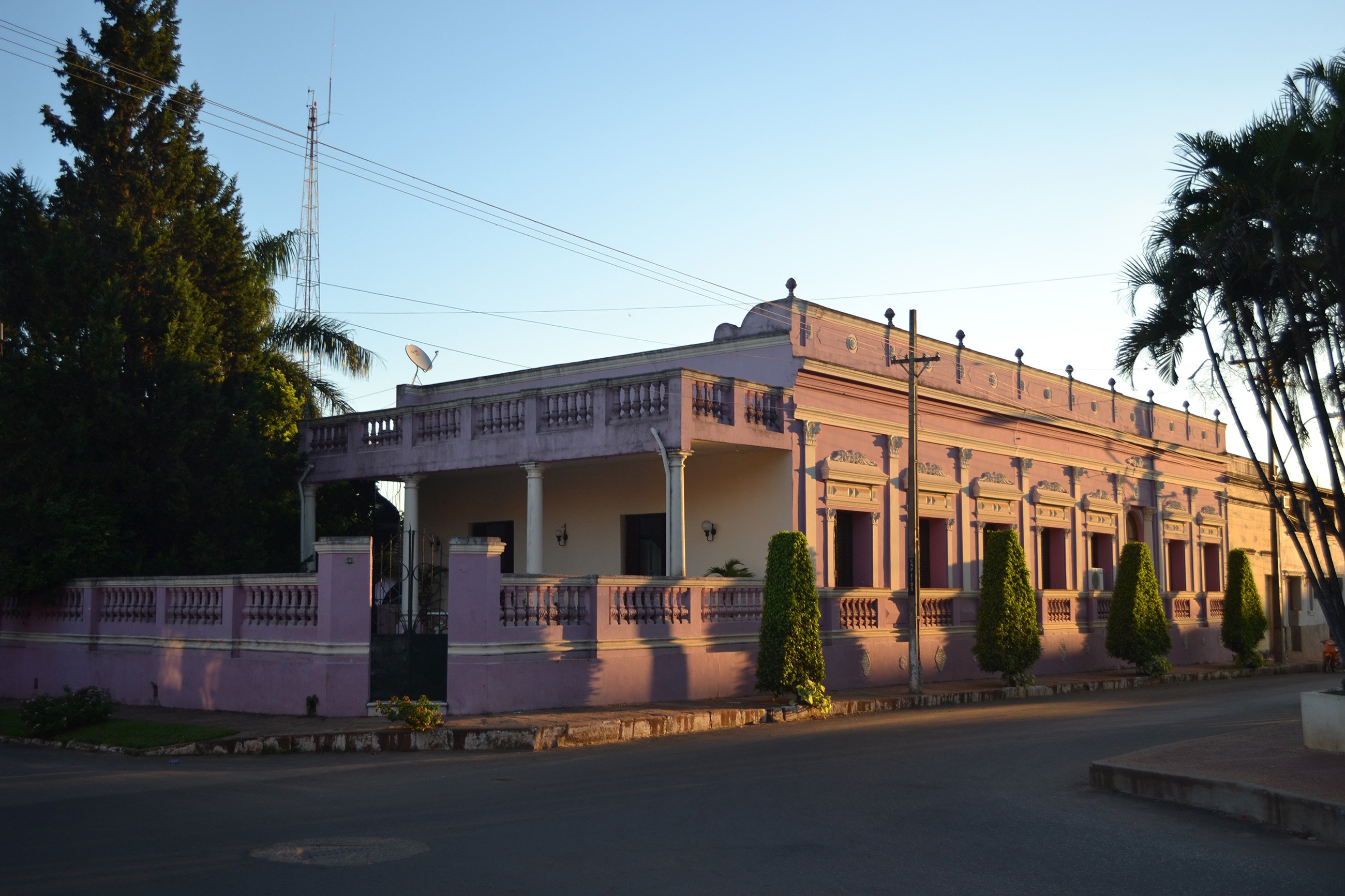
Colonial architecture with an affordable cost of living in Paraguay.
Housing Costs in Paraguay: Real Value for Money
If you’re coming from North America or Western Europe, housing is one of the areas where the cost of living in Paraguay can be significantly lower than what you’re accustomed to paying in major Western cities. Modern apartments, security, gyms, rooftop pools and coworking spaces are available at prices that can still leave considerable room in your monthly budget.
However, don’t assume every property in Paraguay is inexpensive.
Location, building quality, furnishings, amenities, and proximity to desirable neighborhoods can make a substantial difference.
The rental market is relatively straightforward:
- Most leases are annual
- Expect to pay one or two months’ rent as a security deposit, depending on the landlord and lease
Whether you’re looking for a modern apartment in Asunción, a house with land near the suburbs, or a lake-town lifestyle in San Bernardino, Paraguay gives you a wide range of housing options at different price points.
Rent Prices by City
The following rental prices are based on a snapshot of Properstar listings checked in September 2026 and are intended as a general guide. Prices vary considerably according to neighborhood, property size, condition, furnishings, amenities and whether you’re renting directly from an owner or through an agent.
| Type of Home | Location | Monthly Rent (USD) |
| 1BR apartment | Recoleta / Villa Morra (Asunción) | $650+ |
| 2BR family apartment | Carmelitas (Asunción) | $700–$1,200+ |
| House with yard | Luque / San Lorenzo (suburbs) | $500–$1,200+ |
| 1BR apartment | Ciudad del Este | $500–$650+ |
| House with yard | San Bernardino | $1,800–$3,500 + |
These are broad market ranges rather than guaranteed prices. Furnished apartments and newer buildings with amenities can command considerably more, particularly in desirable areas of Asunción.
What to expect in each area:
- Recoleta / Villa Morra (Asunción): Among the city’s more desirable areas, with restaurants, cafés, shopping, and many modern apartment buildings. Prices vary considerably by building and exact location.
- Carmelitas (Asunción): A popular higher-end residential area with newer apartment buildings, restaurants, and shopping. Its location also makes it convenient for families considering international schools.
- Luque / San Lorenzo (metro suburbs): These areas generally offer more space for your money than central Asunción, including larger homes, yards and properties suited to families or people with pets. The trade-off is greater dependence on a car or ride-hailing for some daily activities.
- San Bernardino (Lake district): A popular lakeside destination with a very different feel from Asunción. Rental prices can vary dramatically depending on the property, proximity to the lake and whether you’re looking for a year-round home or a seasonal property.
- Ciudad del Este: A practical choice for people prioritizing affordability and access to the Brazilian border. Housing options range from basic apartments to newer developments, with significant variation between neighborhoods.
Takeaway: Housing is one of the biggest potential advantages when it comes to the cost of living in Paraguay, but the savings depend heavily on where you live and the type of property you choose. A modest local apartment can be remarkably affordable, while a premium furnished apartment in one of Asunción’s most desirable neighborhoods can cost considerably more.
Choosing where to live matters, and some areas stand out more than others—especially when you look at the best places to live in Paraguay.
Comparing Paraguay with Other Latin American Options?
Paraguay may be a strong fit for your goals, but it isn’t the only option in Latin America. If you’re comparing countries based on residency requirements our free Latin America Residency Map gives you an easy way to compare your options across the region.
Download the FREE Interactive Latin American Residency Map
✔ No Spam
✔ Instant Access
✔ Free Download
Utilities, Internet, and Mobile Costs in Paraguay
When evaluating the cost of living in Paraguay, utilities and internet are another area where local costs can be relatively low compared with North America and Western Europe. However, electricity consumption can vary significantly—especially during the hot summer months when air conditioning is running regularly.
Here’s a look at the typical monthly costs you can expect:
| Service | Typical Monthly Cost (USD) | What to Know |
| Electricity | $30–$100+ | Paraguay’s electricity comes overwhelmingly from hydroelectric generation. Your bill can vary substantially depending on the size of your home and how heavily you use air conditioning. |
| Internet (Fiber / Broadband) | $20–$35 | Fiber is widely available in Asunción and other major urban areas. Current plans from providers such as Tigo and Personal offer 200–400+ Mbps at relatively low monthly prices. |
| Mobile (SIM + data plan) | $7–$20 | Prepaid and postpaid options are available. Plans commonly include WhatsApp and substantial mobile data allowances. |
| Water + Garbage / HOA-type building fee | $10–$30+ | These costs vary by property. Some apartment buildings include certain charges in the monthly rent or building fee. |
| Home cable / streaming bundle | $10–$30+ | Cable is optional, and many residents use streaming services instead. |
Electricity deserves particular attention when you’re building a budget. Paraguay has abundant hydroelectric power, but that doesn’t mean every household has a tiny electricity bill. Air conditioning, water heaters, pool pumps, and other high-consumption appliances can push electricity costs considerably higher.
Internet is one area where Paraguay offers good value for remote workers. Current fiber plans can provide several hundred Mbps for around $20–$30 per month, depending on the provider and plan.
Mobile service is similarly inexpensive. For example, current postpaid plans from Paraguay’s major providers offer substantial data allowances for well under $20 per month, while prepaid users can choose much smaller packages when they need them.
What Expats Often Notice
- Electricity is inexpensive by international standards, but heavy A/C use can make it one of the larger household utility expenses.
- Fast fiber internet is available in many urban areas, making Paraguay practical for remote workers and location-independent professionals.
- Mobile data is inexpensive, with prepaid options available for people who don’t want a monthly contract.
- Utility costs can vary significantly depending on the property. A modern apartment with efficient appliances can have a very different monthly bill from a large house with several air-conditioning units.
When budgeting for the cost of living in Paraguay, a single person in a modest apartment might budget around $70–$150 per month for electricity, water, internet, and basic household utility costs. Larger homes, multiple air-conditioning units, and heavy summer A/C use can push that considerably higher.
If you’re planning to live here long-term, understanding banking in Paraguay is not optional—it’s something you need to get right early.
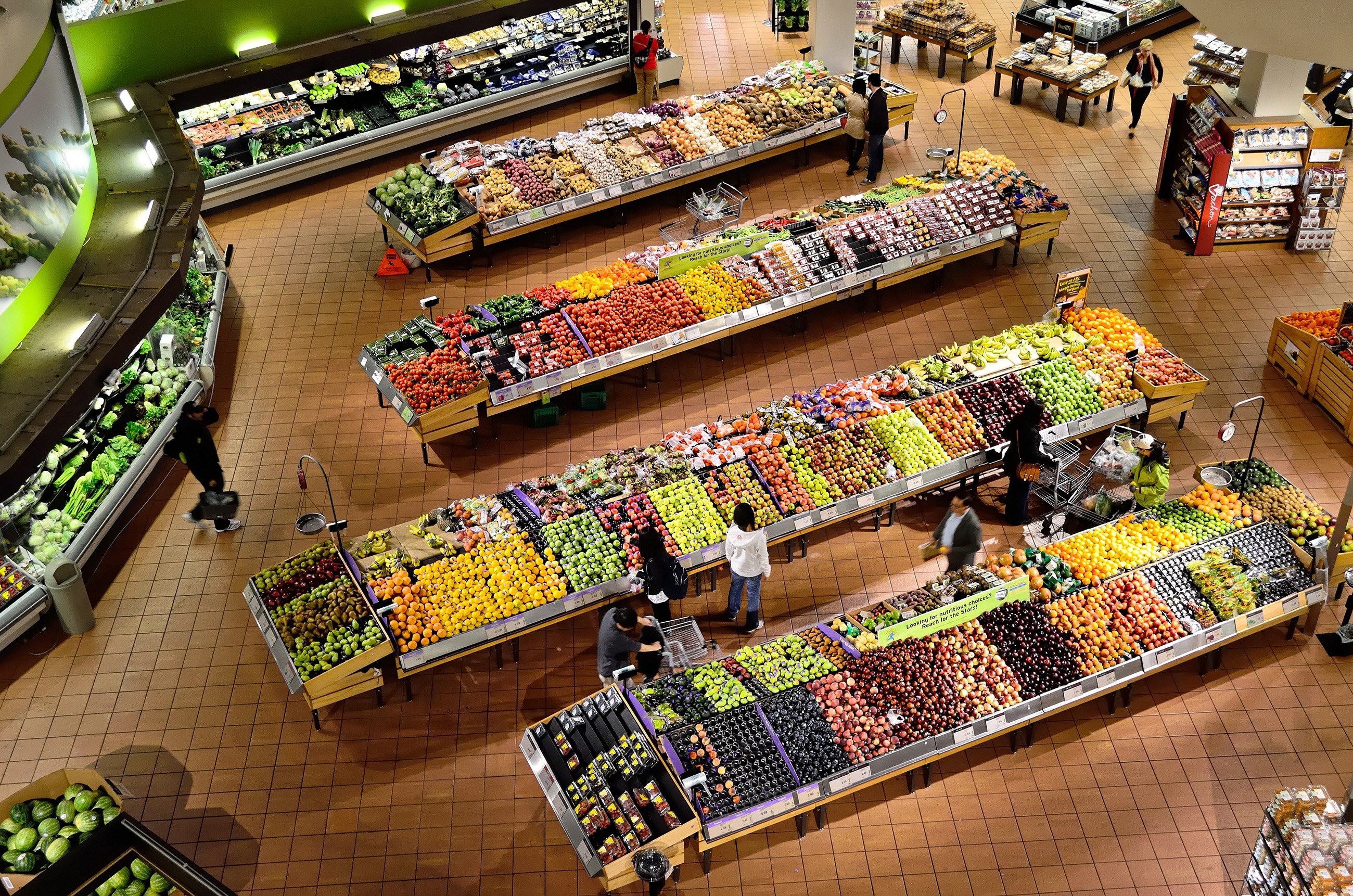
Groceries remain affordable in Paraguay, especially when buying local produce.
Food & Groceries in the Cost of Living in Paraguay
Groceries are one of the areas where you can see a meaningful advantage in the cost of living in Paraguay, particularly if you buy locally produced food. Because Paraguay has a strong agricultural sector, meat, dairy, eggs, fresh vegetables, and seasonal fruit are widely available at relatively affordable prices.
Shopping at local markets can stretch your budget further, particularly for fresh produce and other locally sourced foods.
Imported products are the main exception. Specialty foods, international brands, gluten-free products, certain organic products, and packaged health foods can cost considerably more than their locally produced alternatives.
How much you spend on groceries depends heavily on how you shop and what you eat.
As a rough starting point:
- Single expat/remote worker: $200–$300+
- Couple: $350–$500+
- Family with kids: $500–$700+
These are budgeting ranges rather than fixed costs. Someone who buys mostly local food and cooks at home can spend less, while a household that regularly buys imported products, premium cuts of meat or specialty foods can spend considerably more.
Bottom line: you can eat well here—including meat regularly—without needing the same grocery budget you’d expect in many North American or Western European cities, particularly if you buy locally produced food.
Grocery Stores in Paraguay — Price Comparison
Paraguay’s supermarkets serve different types of shoppers, so where you shop can make a noticeable difference to your grocery bill.
| Grocery Store | Price Range | Imports vs Local | Known For | Website |
| Superseis | $$ | Mix of imported & local | Reliable quality, mid-range prices | Superseis Website |
| Stock | $ | Mostly local | Budget-friendly, national coverage | Stock Website |
| Casa Rica | $$$ | Strong selection of imported & specialty products | Premium, organic and specialty foods | Casa RicaWebsite |
| Biggie Express | $$ | Mix | Convenience-focused, open late | Biggie Website |
| Delimarket | $$$ | Imported gourmet | Premium international products | Delimarket Website |
Pro Tip: Do your main shopping at a budget-oriented supermarket such as Stock or compare prices between Stock and Superseis, then pick up specialty imports from Casa Rica or Delimarket when you need them. You don’t have to shop at one store exclusively—the cheapest approach is often to mix supermarkets, local markets and specialty stores depending on what you’re buying.
Markets & Local Food Sources (Best Value)
This is where Paraguay can offer some of its best value. If your goal is to keep the cost of living in Paraguay low while eating fresh, locally produced food, markets are worth exploring.
| Market | Location | Price Range | Products | Info |
| Mercado 4 | Asunción | $ | Produce, spices, meats, household goods | Learn more |
| Mercado de Abasto | Asunción | $ | Bulk produce, wholesale fruits & vegetables | More info |
| Mercado Municipal | Encarnación | $ | Local produce, meats, baked goods | About the market |
| Mercado de San Lorenzo | San Lorenzo | $ | Dairy, fresh produce, traditional foods | More Info |
| Agroshopping | Villa Morra (Asunción) | $$ | Organic produce & artisanal products; expat-favorite | Local Info |
Savings Insight: Local markets can be cheaper than supermarkets for some fresh foods, particularly seasonal produce, but don’t assume everything is automatically cheaper. Prices vary by product, season, and market, so it’s worth comparing.
Quick Reality Check
- Eating out can also be inexpensive. Local restaurants and casual eateries can offer meals for a few dollars, although prices rise quickly at higher-end restaurants.
- Locally produced fruit, vegetables, meat, and dairy are generally where you’ll see the biggest grocery savings.
- Imported products are where the cost difference can disappear quickly.
The important point isn’t that every grocery item in Paraguay is cheap. It’s that you have the option to build a largely local diet at a relatively low cost. If you’re willing to shop and eat like a local, your grocery budget can remain considerably lower than it would be for a similar lifestyle in many North American or Western European cities.

Lower cost of living in Paraguay means more freedom to enjoy life’s important moments.
Eating Out & Entertainment in Paraguay
Eating out and everyday leisure are a notable part of the cost of living in Paraguay, and both can be relatively affordable when you choose local restaurants, cafés, and bars rather than trying to recreate a Western lifestyle. Asunción also has a growing restaurant and entertainment scene, although prices vary considerably by neighborhood and venue.
Here are some typical price points to give you a sense of what things cost:
| Type | Approximate Cost (USD) | What to Expect |
| Local restaurant meal (menu del día) | $4–$8+ | A simple lunch with a main dish and sides; prices vary by location and restaurant. |
| Mid-range restaurant (for 2 + drinks) | $20–$40+ | Sit-down dinner: higher-end restaurants can cost considerably more. |
| Coffee / cappuccino | $1.50–$2.50+ | Often cheaper at local cafés, while specialty and upscale cafés can cost more. |
| Craft beer or cocktail | $3–$6+ | Local bars can be reasonably priced, while premium cocktails and imported drinks cost more. |
These are broad price ranges rather than fixed prices. Asunción’s restaurant and leisure scene varies considerably by neighborhood and venue, and prices can be higher in upscale areas.
The bigger advantage in the cost of living in Paraguay is flexibility.
You can eat at inexpensive local restaurants or cafés when you want to keep costs down, while more upscale dining and entertainment are available when you want to spend more.
If you’re working here remotely, the costs come with some trade-offs—here’s what digital nomad life in Paraguay really looks like day to day.

Private healthcare in Paraguay is modern, fast, and affordable.
Healthcare Costs and Options in Paraguay
Healthcare is an important part of the cost of living in Paraguay, and it gives you several options depending on your needs and budget.
Private healthcare can be relatively affordable compared with the U.S. and Canada, particularly for routine consultations and basic medical care.
However, costs vary depending on the provider, type of treatment, specialist care, insurance and whether you are paying out of pocket.
Most expats who choose private healthcare use private hospitals, clinics, and specialists. The public system is also available and provides a lower-cost option, although access, waiting times and available resources can vary.
Public vs. Private Healthcare: What to Expect
| Public Healthcare | Private Healthcare | |
| Cost | Free or very low-cost | Generally affordable compared with North American costs |
| Availability | Varies by location and facility | Wide range of private hospitals, clinics, and specialists |
| Wait times | Can be longer | Often shorter, depending on provider and appointment |
| Insurance | Not generally required | Private health plans are available |
| English | Less commonly available | English may be available at some private facilities |
| Best suited to | Those prioritizing low cost | Those wanting greater choice and convenience |
For someone building a cost-of-living plan, the important point is that private healthcare does not automatically mean Western-level healthcare spending. Your actual costs will depend heavily on whether you self-pay, carry private insurance, need regular specialist care, or are budgeting for a family.
For a more detailed look at healthcare providers, insurance, costs, and what expats should expect, see our guide to Healthcare in Paraguay for Expats.

Along with a low cost of living in Paraguay, public transportation is widely used.
Cost of Living in Paraguay: Transportation
Transportation is a manageable part of the cost of living in Paraguay, especially if you live in an area where you can walk and use ride-hailing or public transportation when needed. Transportation costs vary considerably depending on whether you own a car, rely on taxis and ride-hailing, or mostly walk.
Here’s a general guide to common transportation costs:
| Category | Approximate Cost (USD) | Notes |
| Bus ride (Asunción) | Around $0.50 | One of the lowest-cost ways to get around the city |
| Uber / Bolt | Around $2–$6+ for shorter trips | Varies by distance, demand, and location |
| Gasoline (nafta común) | ~$1.20/L* | Prices vary by station and fuel grade |
| Diesel | ~$1.40–$1.45/L* | Prices vary by station and fuel grade |
| Car maintenance | Highly variable | Depends on vehicle, age, usage, and repairs |
| Intercity bus travel | Varies by route | Long-distance fares depend on destination and service level |
*Fuel prices are a snapshot rather than a fixed cost. Prices can change over time and vary between fuel stations, so use these figures as a general budgeting guide rather than a current guaranteed price.
For someone living in Asunción, transportation doesn’t necessarily need to be a major monthly expense. If you choose a walkable neighborhood and combine walking with occasional buses or ride-hailing, you can keep transportation costs relatively modest.
Owning a car is a different calculation. Fuel is only one part of the cost. Insurance, maintenance, registration, repairs, parking, and the purchase price itself can make vehicle ownership a much larger expense than simply looking at gasoline prices suggests. This is one area where your choice of lifestyle and location can have a bigger impact on your budget than Paraguay’s headline transportation prices.
If you’re deciding whether to own a vehicle, don’t assume that living in Paraguay automatically means you need one. Our guide Do You Need a Car to Live in Paraguay? looks at public transportation, ride-hailing, walkability, and car ownership in more detail.
Bottom line: Transportation can be relatively inexpensive in Paraguay, but your actual costs depend heavily on where you live and whether you own a car. For many people in Asunción, going car-free is a realistic option; outside the major urban areas, a vehicle can become much more useful.
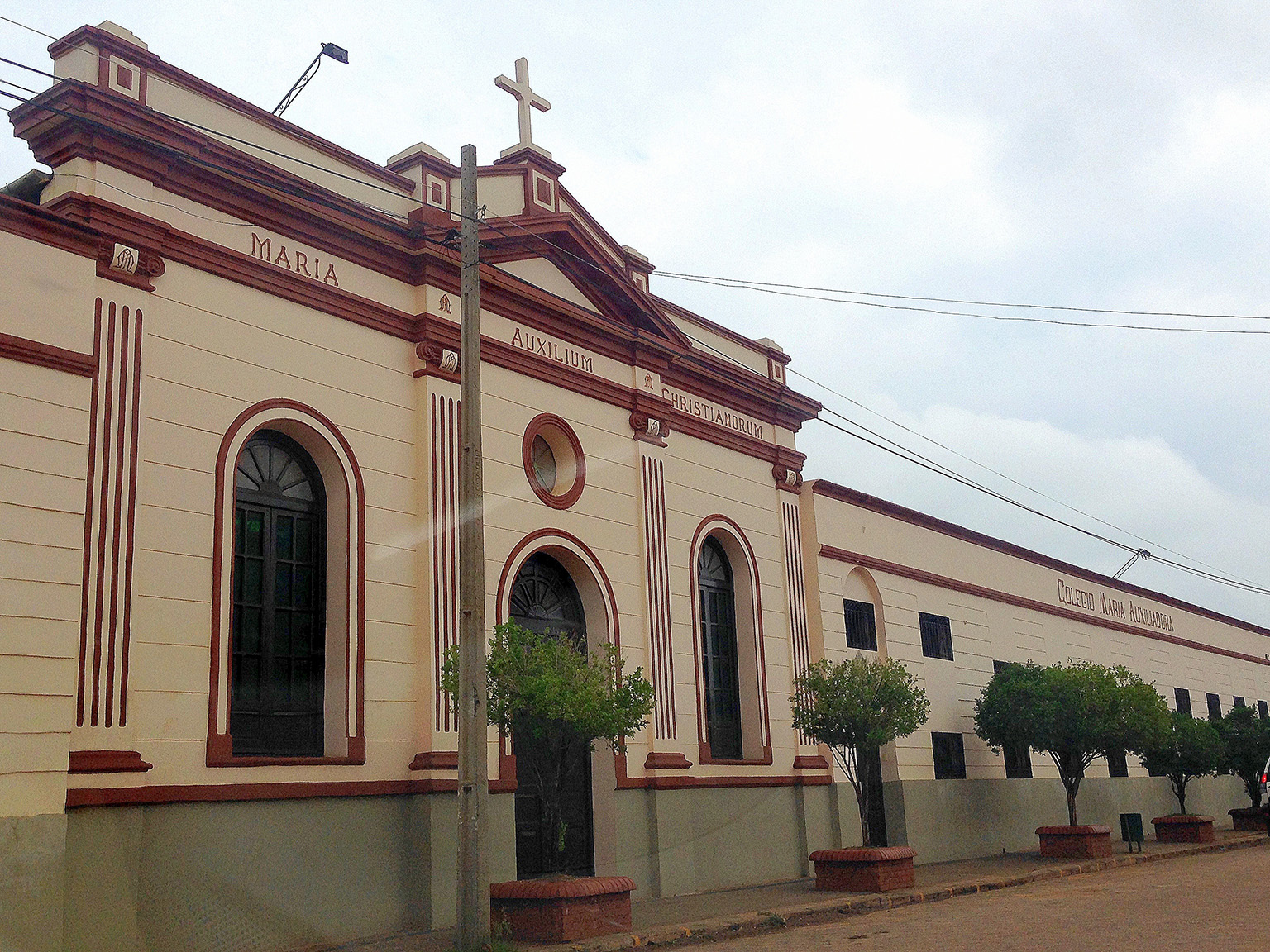
Private and bilingual school options are available at lower costs than in North America. Photo by Cmasi, CC BY-SA 4.0 , via Wikimedia Commons
Education Costs for Families in Paraguay
If you’re moving to Paraguay with kids, education can become one of the biggest line items in your overall cost of living in Paraguay — particularly if you choose a private or international school.
Paraguay offers three main education paths: local schools, bilingual private schools, and full international schools.
| School Type | Monthly Tuition (USD) | Notes |
| Local schools | Free–$100+ | Fully Spanish; lower-cost option, although quality and facilities vary |
| Bilingual private schools | $200–$400+ | Spanish/English or Spanish/Portuguese; fees vary significantly between schools |
| International schools (Asunción) | $500–$800+ | Higher-cost option with international curricula and additional school fees possible |
These figures are broad budgeting ranges rather than standard tuition rates. Actual costs can vary by school, grade level, curriculum and enrollment year, and tuition may not include registration, uniforms, transportation, meals, books, or extracurricular activities.
Many bilingual and international schools also offer sibling discounts or other fee structures, so it’s worth checking the complete annual cost rather than comparing tuition alone.
For families coming from North America or Western Europe, private education can still be comparatively affordable in Paraguay, although the savings depend heavily on the school you choose and the level of education you’re looking for.
International schools in Asunción can provide English-language or international curricula, but they are not necessarily “cheap.” If international schooling is important to your family, it should be one of the larger expenses you build into your Paraguay budget.
What About Homeschooling?
Homeschooling is another option some internationally minded families consider, particularly when flexibility and travel are priorities. However, education requirements can depend on your circumstances, so families should verify the current legal and practical requirements rather than assuming homeschooling works the same way as it does in their home country.
If you want your kids to become bilingual, Paraguay gives you several routes, including:
- Spanish immersion through local schools
- Bilingual private education
- International schools with English-language instruction
For families, education is one of the expenses that can have the biggest impact on your actual cost of living in Paraguay. Choosing local, bilingual, or international education can produce very different monthly budgets.
For a closer look at schools, curricula, tuition, and what expat families should consider, see our guide to International Schools & Education in Paraguay for Expat Families 2026.
Exchange Rates & Managing Money in Paraguay
Exchange rates are a moving part of the cost of living in Paraguay: Paraguay uses the Paraguayan Guaraní (PYG), and fluctuations can affect how much your income is worth locally if you earn in dollars, euros, or another foreign currency.
As of September 2026, $1 USD is roughly Gs. 5,900, although rates change constantly. That means a change in the exchange rate can have a noticeable effect on your purchasing power, particularly for larger expenses such as rent, property, school fees, or healthcare.
If you’re earning foreign income, it’s worth budgeting with some room for exchange-rate fluctuations rather than assuming today’s rate will remain unchanged.
For more on managing money, accounts, and financial matters as a foreigner, see our guide to Banking in Paraguay for Foreigners.
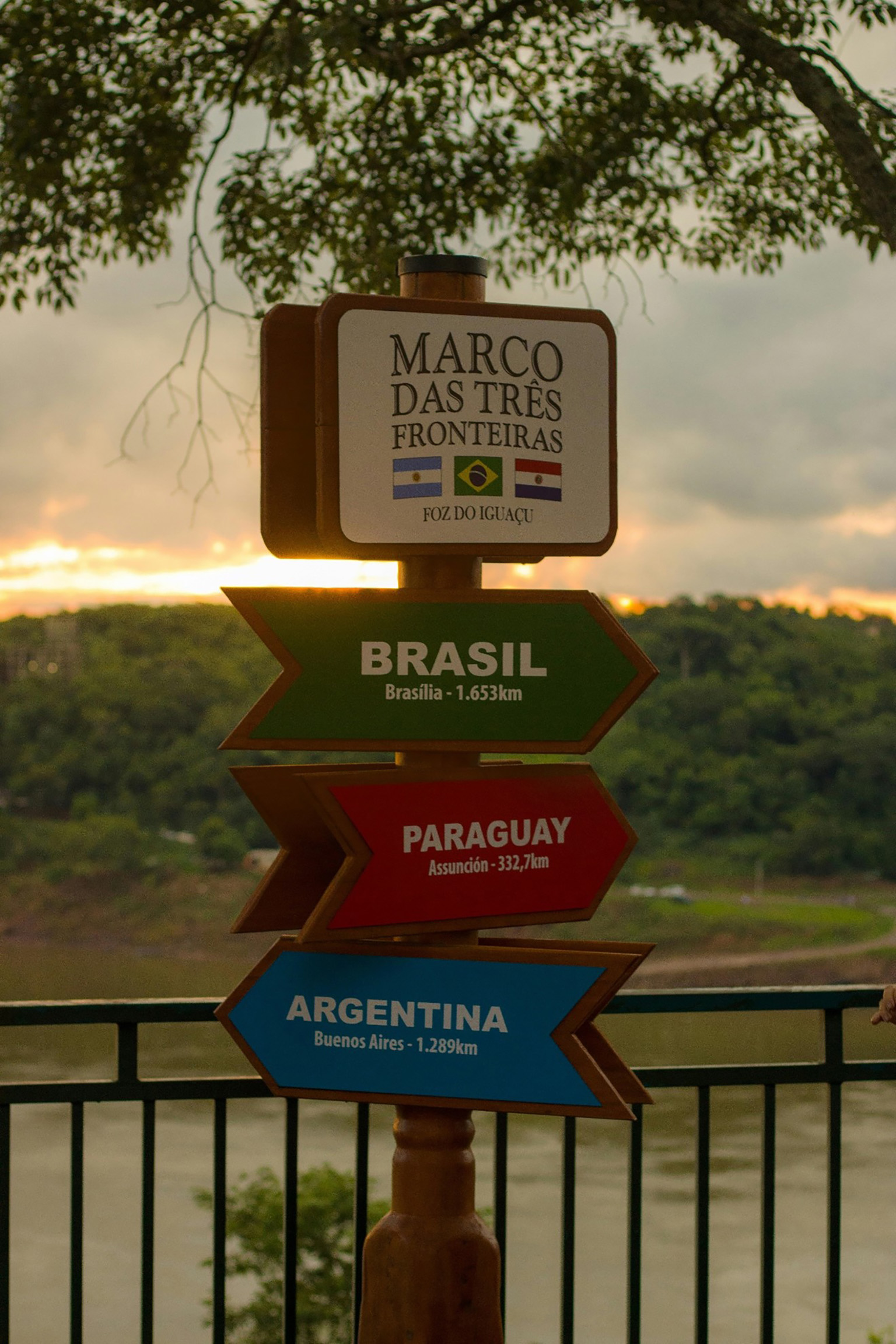
The borders of Paraguay, Brazil, and Argentina meet at the Triple Frontier.
Cost of Living in Paraguay vs. Quality of Life
By this point, you’ve seen the numbers behind the cost of living in Paraguay — and there’s a reason it attracts people looking for a lower-cost alternative to life in North America or Europe. But the value isn’t simply about finding the cheapest rent or groceries. It’s about what your income can realistically provide once all the major expenses are added together.
The Trade-Offs
Paraguay isn’t the right fit for everyone. Some of the things that make life affordable also come with compromises:
• Bureaucracy can be slow, and getting things done may require patience.
• The expat community is smaller than you’ll find in more established destinations such as Mexico or Panama.
• Outside Asunción, some amenities, entertainment, and international services are more limited.
• Imported products and a Western-style lifestyle can quickly reduce the cost advantage.
What You Gain
For the right person, however, lower everyday costs can create options that are difficult to achieve on the same income in a more expensive country:
- More housing space for your money
- Affordable access to many everyday services
- The ability to spend less, save more or work fewer hours
- A slower pace of life outside the busiest urban areas
- More flexibility in how you use your income and time
That’s the bigger story behind Paraguay’s cost of living. The advantage isn’t that everything is cheap. It’s that you can choose where to spend—and where not to—without necessarily sacrificing the basics of a comfortable life.
For someone earning a Western salary or running a location-independent business, that difference in purchasing power can be significant. For someone earning a local salary, however, the calculation is very different.
Paraguay’s affordability also comes with trade-offs, and whether the balance works for you depends on your priorities, income, family situation, and the kind of lifestyle you want to build.
If you’re considering Paraguay as part of a broader move to Latin America, our Latin America Residency Map lets you compare residency options across the region.
Download the FREE Interactive Latin American Residency Map
✔ No Spam
✔ Instant Access
✔ Free Download
Disclaimer: This article is for informational purposes only and does not constitute financial or relocation advice. Costs of living in Paraguay can vary based on lifestyle, location, exchange rates, and individual circumstances, and figures may change over time. Always verify current pricing and conduct your own research before making financial or relocation decisions.