
12 min read
Nicaragua blends dramatic volcanic landscapes and colonial charm with a remarkably low cost of living. While its “untamed” nature appeals to those seeking an authentic, off-the-beaten-path lifestyle, the country’s warmth and slow-paced lifestyle contrast with its rigid political climate and developing infrastructure. Truly understanding life here requires looking beyond the tourist-friendly beaches of San Juan del Sur to the realities of navigating local systems. Ultimately, weighing these unique rewards against practical challenges reveals if Nicaragua’s rhythm aligns with your goals.
……………………………..
If you’re considering relocation, retirement, or remote work in Latin America, Nicaragua often appears on the radar. The country offers something increasingly rare in today’s world: a low cost of living, dramatic natural beauty, and a slower pace of life that many expats find refreshing.
Yet living in Nicaragua isn’t without trade-offs. Infrastructure can be inconsistent, political realities require awareness, and certain modern conveniences found in more developed countries may be limited.
Understanding the pros and cons of living in Nicaragua is essential before making any long-term move.
This guide explores the advantages, challenges, and everyday realities of expat life in Nicaragua so you can determine whether the country aligns with your lifestyle goals.
Table of Contents
Quick Pros and Cons of Living in Nicaragua
Before diving deeper, here’s a quick overview many potential expats want to know first.
Pros:
- Highly affordable cost of living compared to North America and Europe
- Beautiful landscapes with volcanoes, beaches, lakes, and forests
- Strong sense of community with a relaxed pace of life
- Growing appeal for remote workers and retirees
- Less tourism pressure than neighboring Costa Rica
Cons:
- Political uncertainty and centralized government
- Limited healthcare options outside major cities
- Infrastructure challenges in rural areas
- Limited international flight connections
- Smaller consumer economy with fewer imported goods
For many expats, the advantages outweigh the drawbacks—but expectations matter.
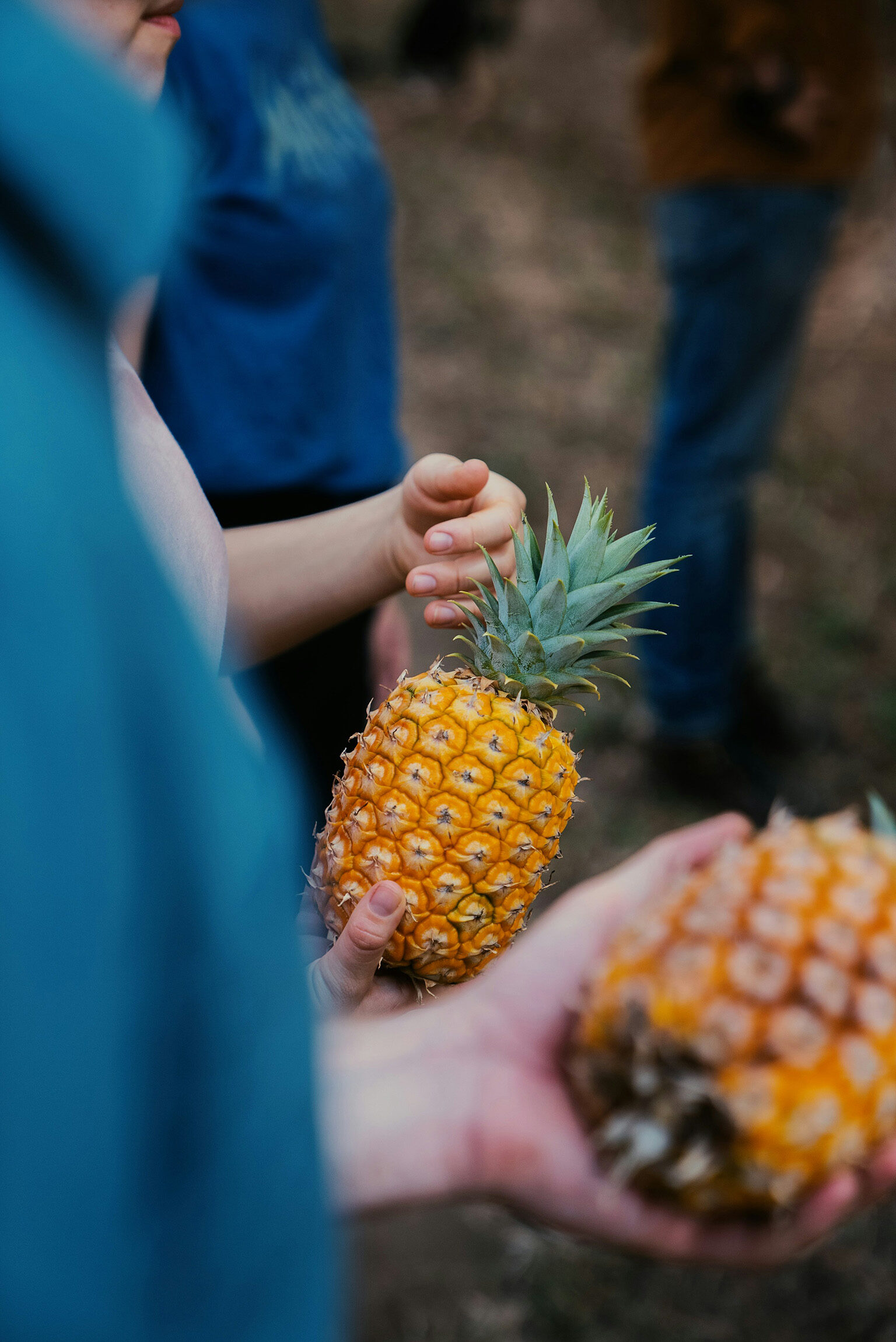
Affordable fruits and fresh local markets make Nicaragua appealing to expats on a budget.
Pros of Living in Nicaragua for Expats
Nicaragua offers a range of advantages that continue to attract expats seeking a simpler, more affordable lifestyle. From low living costs to a slower pace of life, these benefits can make a meaningful difference for those willing to adapt to a different way of living.
Low Cost of Living in Nicaragua: A Major Pro for Expats
The lowcost of living in Nicaragua is one of the biggest reasons people consider moving here.
Compared with the United States, Canada, and much of Europe, everyday expenses can be dramatically lower.
Many expats report living comfortably on a fraction of what they spent in Western countries.
Here’s a rough snapshot of typical monthly costs:
| Category | Typical Monthly Cost (USD) | Notes / Examples |
| Housing (Rent) | $200–$450 (outside centers) $300–$500 (Granada/Managua) $400–$700 (San Juan del Sur/beach) | Furnished 1-bed/small house; beach views add cost but still huge savings. |
| Groceries (Couple) | $200–$350 | Local markets: fresh produce, rice, beans, chicken, fish. |
| Eating Out | $3–$6 (casual local meal) $8–$15 (mid-range) | Affordable and enjoyable. |
| Utilities | $70–$150 | Electricity, water, internet; higher with A/C use. |
| Transport & Basics | Low cost (buses, taxis $1–$5, cell plans minimal cost) | Public options keep it affordable. |
| Overall Budget | Singles: $800–$1,500 Couples: $1,200–$2,000 (or more for extras) | Varies by location/lifestyle; beachfront/imports higher. |
Estimated monthly budgets:
- Singles: $800–$1,500
- Couples: $1,200–$2,000
These costs allow many retirees and remote workers to maintain a comfortable lifestyle while reducing financial pressure.
Monthly Budget Comparison:
| Country | Comfortable Budget |
| Nicaragua | $1,200–$2,000 |
| Costa Rica | $2,000–$3,500 |
| Panama | $2,200–$3,800 |
These estimates also align with crowdsourced cost data from Numbeo, where basic living expenses in Managua remain significantly lower than in most Western cities.
Natural Beauty and Outdoor Lifestyle in Nicaragua
Nicaragua is often called the “Land of Lakes and Volcanoes,” and for good reason.
The country’s landscapes include:
- Active and dormant volcanoes
- Pacific and Caribbean coastline beaches
- Massive freshwater lakes
- Tropical forests and wildlife reserves
Expats frequently incorporate outdoor activities into daily life. Morning surf sessions, weekend hikes, kayaking on Lake Nicaragua, and exploring national parks are common routines rather than rare vacations.
One of the most popular beach destinations for expats is San Juan del Sur, which we explore in detail in our guide to the living in San Juan del Sur neighborhoods.
For people who value nature and an outdoor lifestyle, Nicaragua offers exceptional access to adventure without the crowds found in more developed tourist destinations.
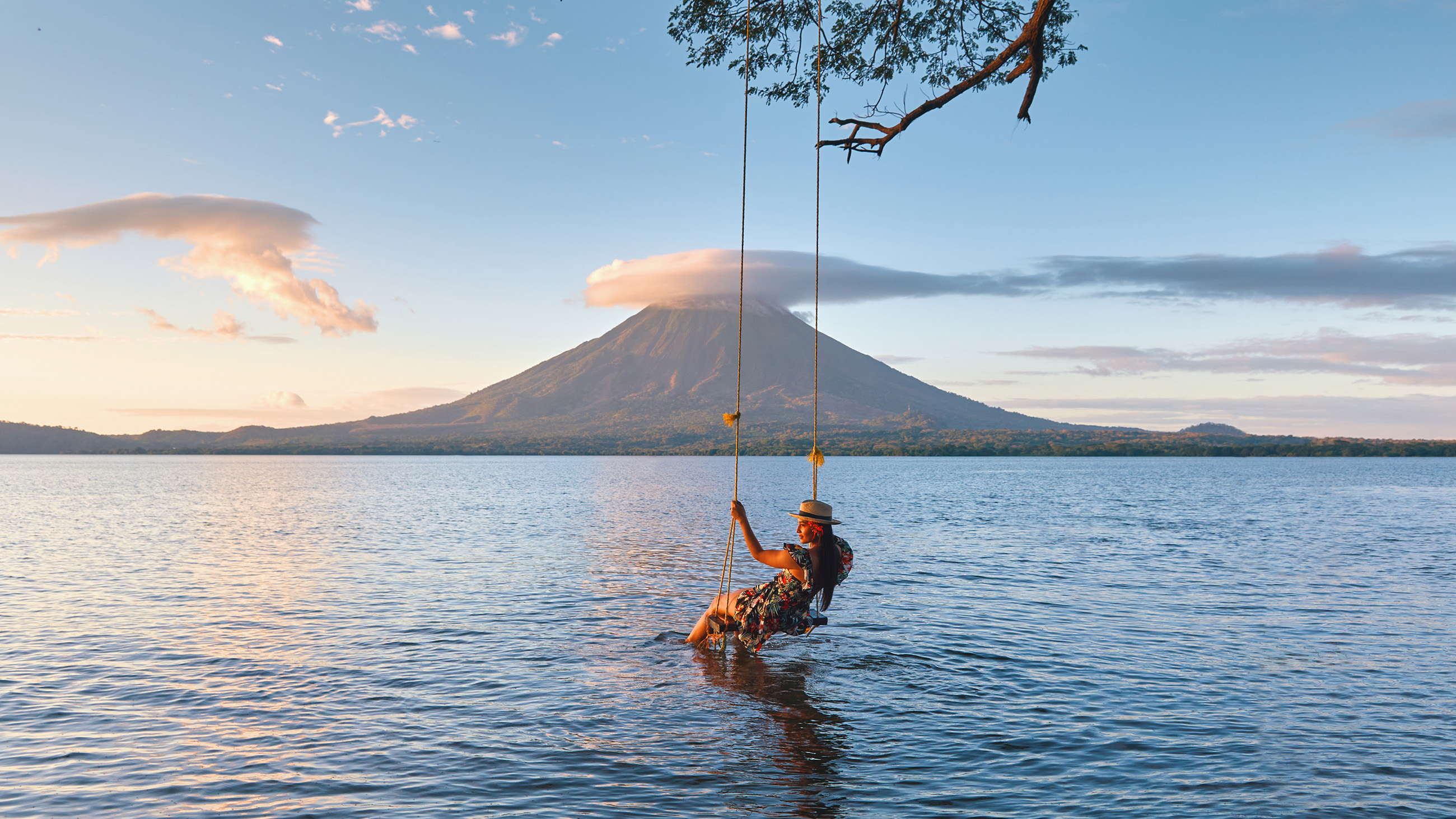
Relaxing on a swing over the water with a volcano view – a perfect example of the laid-back pace of life in Nicaragua.
Welcoming Expat Communities in Nicaragua
Several cities have well-established expat communities that make settling in easier.
Popular hubs include:
Granada: A historic colonial city with a large expat population and regular social events.
San Juan del Sur: A laid-back beach town popular with retirees, surfers, and digital nomads.
León: A vibrant university city with a smaller but growing expat scene.
Managua: The capital offers an expat presence concentrated around professional and business circles.
These communities often provide:
- social meetups
- advice on navigating local bureaucracy
- connections to services and housing
For newcomers, these networks can significantly reduce the adjustment period.
Less Tourism Pressure in Nicaragua Than Neighboring Countries
International tourism statistics from the World Tourism Organization (UN Tourism) show that Nicaragua receives far fewer visitors than Costa Rica each year, which helps keep many destinations quieter and less commercialized.
Large resort developments are uncommon, and many beach towns remain small communities rather than heavily built-up tourism destinations.
Places like Granada and San Juan del Sur still attract travelers, but they generally maintain a relaxed atmosphere and stronger local character than many resort areas in the region.
For expats seeking a slower pace and a more authentic environment, Nicaragua’s lighter tourism footprint is often a welcome advantage.
If you’re considering Nicaragua long term, residency is one of the first things to get right. Find out how to get residency in Nicaragua and review your options.
Increasing Appeal For Remote Workers Living in Nicaragua
Nicaragua has become increasingly attractive for remote workers seeking affordable living and inspiring surroundings.
Recent broadband measurements from Speedtest® show improving internet speeds in cities like Managua and Granada, making remote work increasingly practical. Fiber connections and coworking spaces are becoming more common in expat areas.
Combined with low living costs and a relaxed atmosphere, the country appeals to location-independent professionals who want to escape high-cost cities.
Thinking about remote work in the Corn Islands? Check out our full guide to see if this Nicaraguan paradise is the right home base for your digital nomad lifestyle.
Slower Pace of Life: A Key Pro of Living in Nicaragua
One aspect many expats grow to appreciate is the cultural rhythm often described as “tranquilo.”
Life moves at a noticeably slower pace. Conversations take priority over schedules, and social interactions are more relaxed.
For people leaving fast-paced Western lifestyles, this cultural shift can feel refreshing. However, it does require patience and adjustment.
Popular hubs include:
Granada: A historic colonial city with a large expat population and regular social events.
San Juan del Sur: A laid-back beach town popular with retirees, surfers, and digital nomads.
León: A vibrant university city with a smaller but growing expat scene.
Managua: Managua moves faster than much of the country and even though it offers the most modern infrastructure it still reflects Nicaragua’s overall relaxed cultural rhythm.
These communities often provide:
- social meetups
- advice on navigating local bureaucracy
- connections to services and housing
For newcomers, these networks can significantly reduce the adjustment period. For a wider perspective, explore Best Places to Live in Nicaragua for Expats to compare top destinations across the country.
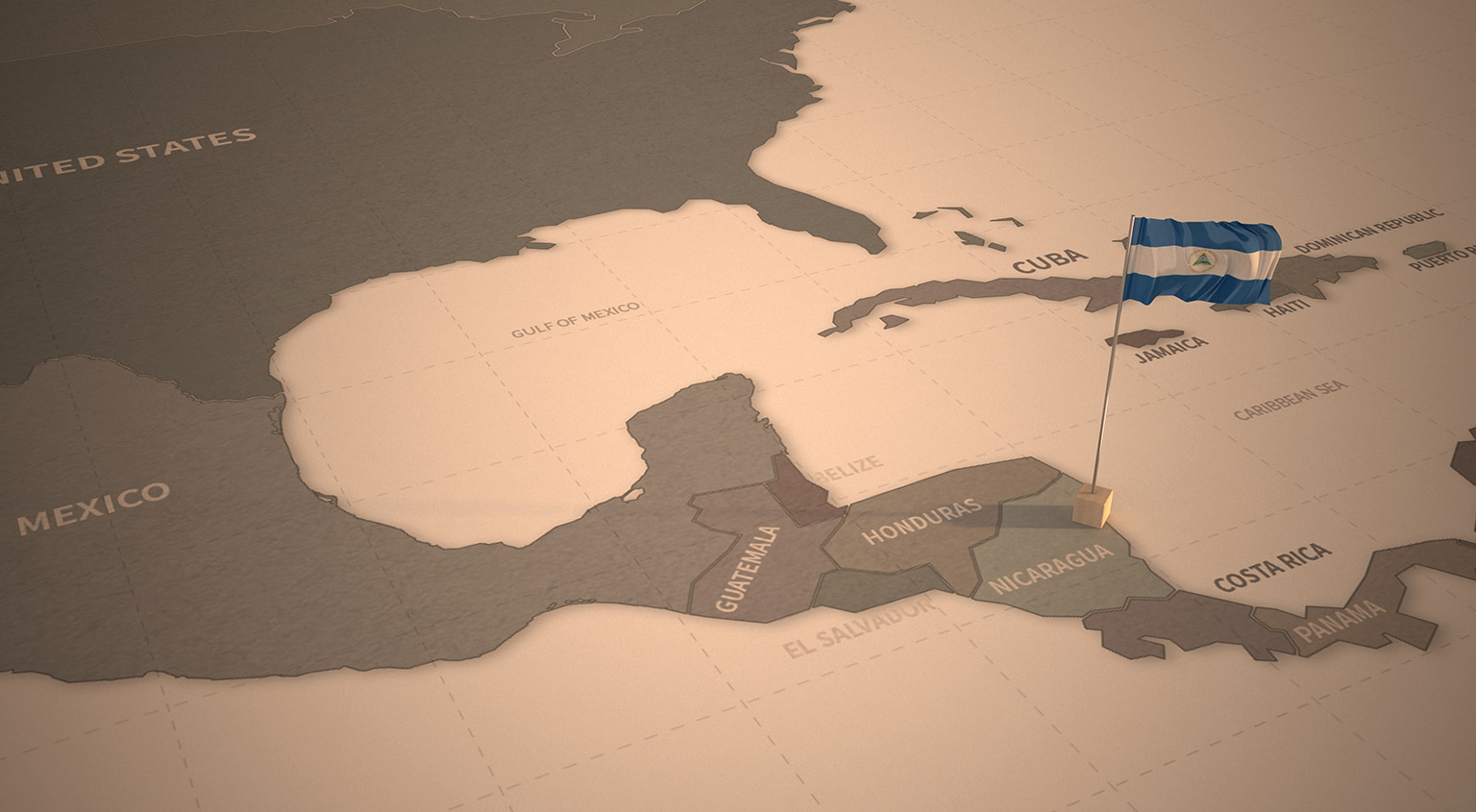
Locate Nicaragua on the map—understanding geography is key when considering relocation.
Cons of Living in Nicaragua: The Real Challenges for Expats
Nicaragua has become increasingly attractive for remote workers seeking affordable living and inspiring surroundings.
Political Environment and Government Control in Nicaragua
The political system in Nicaragua is highly centralized, with power concentrated in the executive branch.
International organizations and governments have raised concerns about democratic institutions and press freedom. While day-to-day life for expats often continues normally, the broader political climate can create uncertainty regarding future policies, economic conditions, or residency regulations.
Most expats choose to avoid political involvement and focus on maintaining good standing within the country. Travelers and expats researching the political climate often consult advisories from the U.S. Department of State, which provides updates on safety, political conditions, and travel considerations.
Healthcare Limitations When Living in Nicaragua
Healthcare is one of the more significant challenges.
Public healthcare is available but often limited in resources and staffing, particularly outside major cities. According to healthcare profiles from the World Health Organization, Nicaragua’s public healthcare system provides basic coverage but resources and specialized equipment remain concentrated in larger cities.
Private hospitals in Managua offer higher quality care, including English-speaking staff and modern facilities. However, advanced medical procedures or specialized treatments may still require travel abroad to countries like Panama or the United States. For this reason, many expats rely on private insurance or international health coverage.
To better understand medical facilities, insurance options, and what expats should realistically expect, read our full guide to healthcare in Nicaragua.
Limited International Flight Connections from Nicaragua
Travel access is another practical consideration.
Nicaragua’s main international airport in Managua offers fewer direct routes than regional hubs such as Panama City or San José.
Many international trips require connecting flights through other countries, which can increase travel time and cost.
Smaller Consumer Economy in Nicaragua
Compared with larger economies in the region, Nicaragua has fewer retail options.
Expats may notice:
- limited international brands
- fewer specialty products
- smaller variety of imported goods
Some residents adapt by shopping locally or ordering products online, though shipping can add costs and delays.
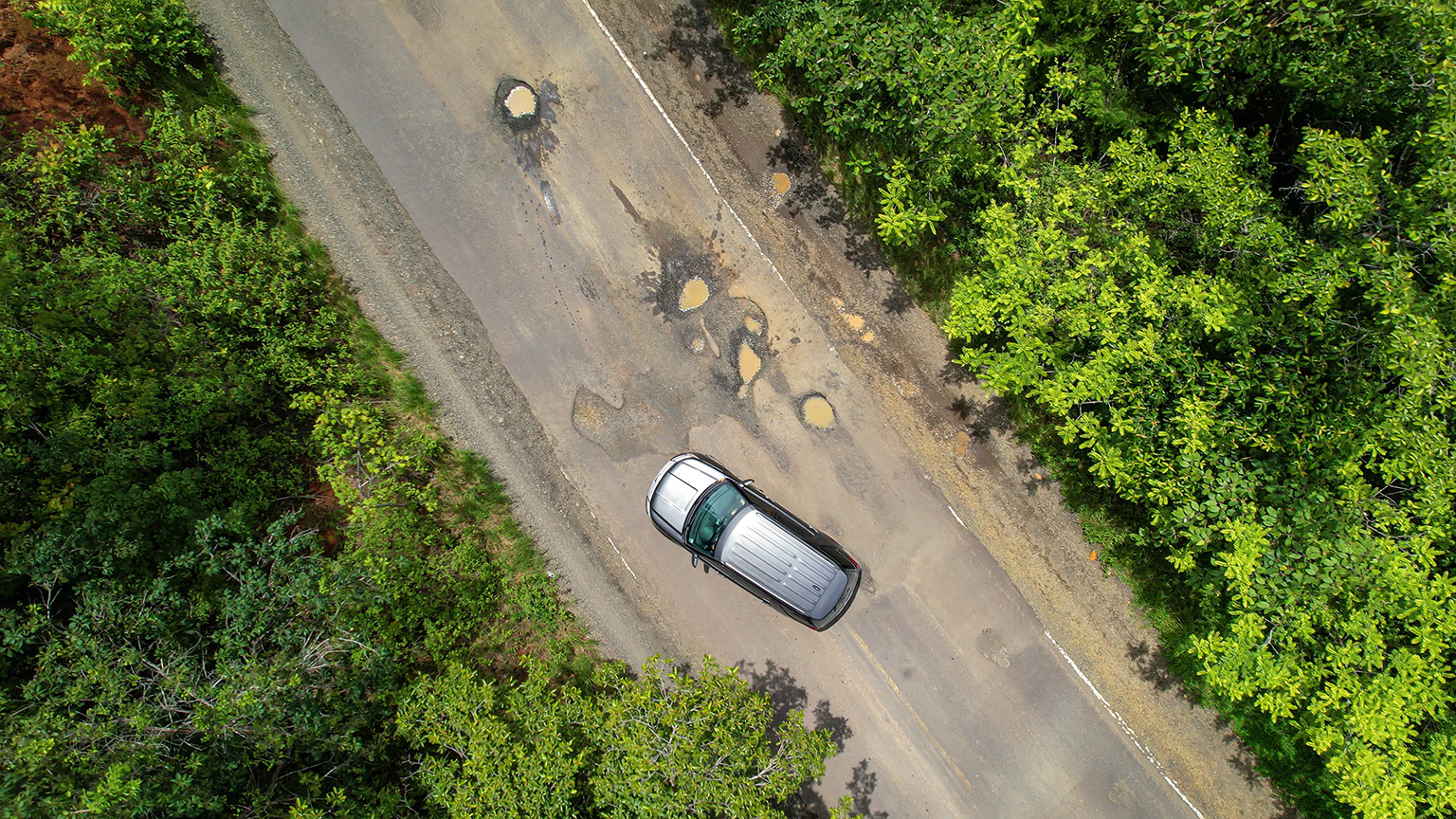
Rural roads in Nicaragua can be challenging—part of the country’s infrastructure trade-offs.
Infrastructure Challenges in Nicaragua
Infrastructure varies widely depending on location.
In major cities, services are generally reliable. However, rural areas and smaller towns may experience:
- rough or unpaved roads
- occasional power outages
- inconsistent water supply
- limited public services
Many residents install backup systems such as water tanks or generators to reduce disruptions.
Limited Local Job Opportunities for Expats in Nicaragua
For foreigners, finding traditional employment locally can be difficult.
The economy relies heavily on sectors such as agriculture, tourism, and manufacturing, which generally offer lower wages.
Most expats support themselves through:
- remote work
- online businesses
- pensions or retirement income
- investments
For those dependent on local employment, the options are limited.
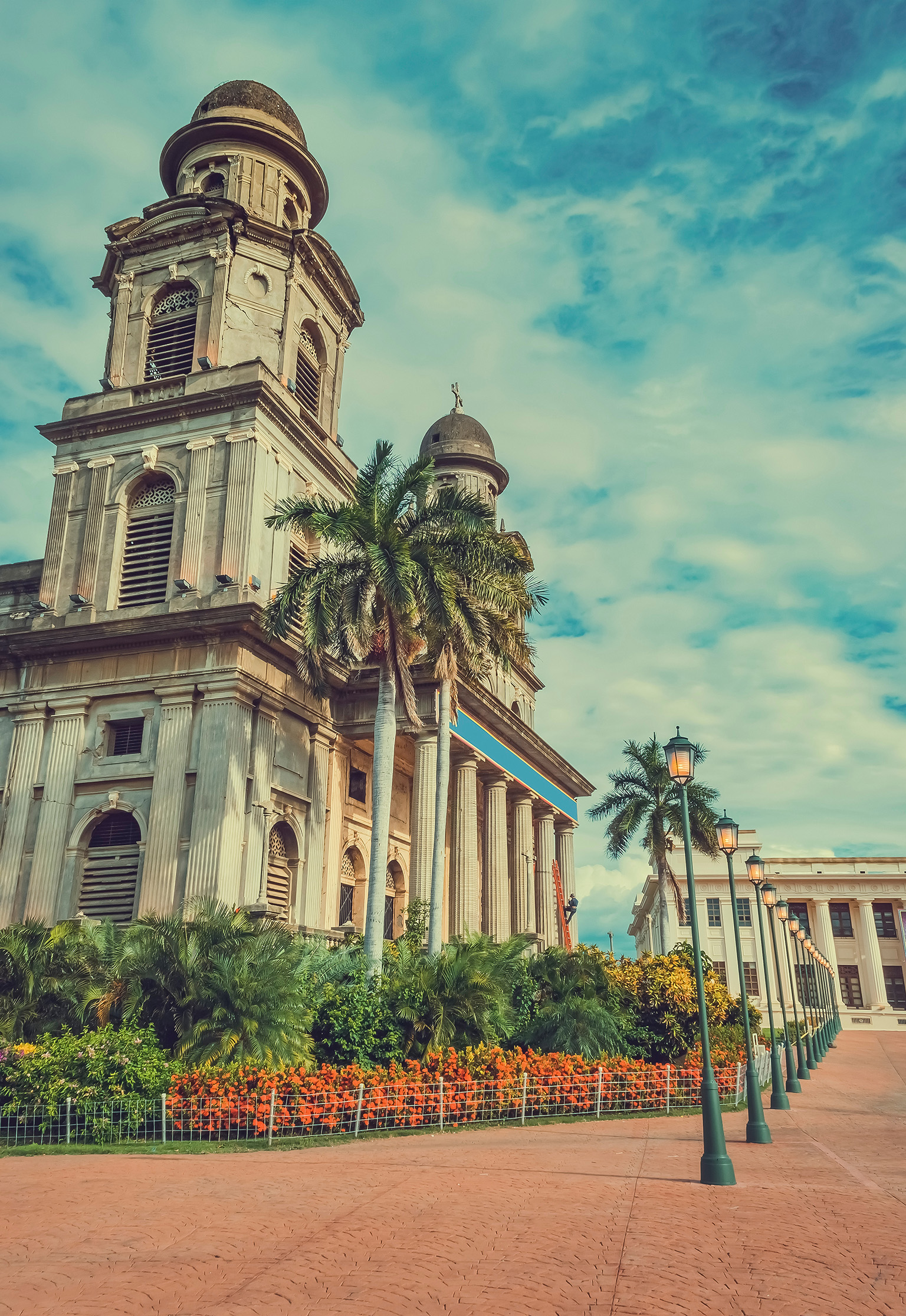
Historic charm in Granada offers expats beautiful colonial architecture and cultural immersion.
Natural Disaster Risk in Nicaragua
Nicaragua sits in a geologically active region. Potential risks include:
• earthquakes
• volcanic activity
• seasonal tropical storms
While major disasters are not constant, residents remain aware of environmental factors and maintain basic emergency preparedness.
If you’re curious about daily life in Nicaragua, see our guide Expat Life in Nicaragua to get a better understanding of day to day living.
Safety Considerations for Expats Living in Nicaragua
Safety is one of the most common concerns for people researching Nicaragua.
Crime levels vary depending on location, but many expats report feeling relatively safe in smaller cities and tourist areas.
Basic precautions are important:
- Try to avoid walking around late at night
- secure homes and valuables
- stay informed about local conditions
As with any country, awareness and common sense go a long way in maintaining safety.
For a more detailed look at crime rates, regional safety differences, and practical precautions, see our article is Nicaragua Safe?
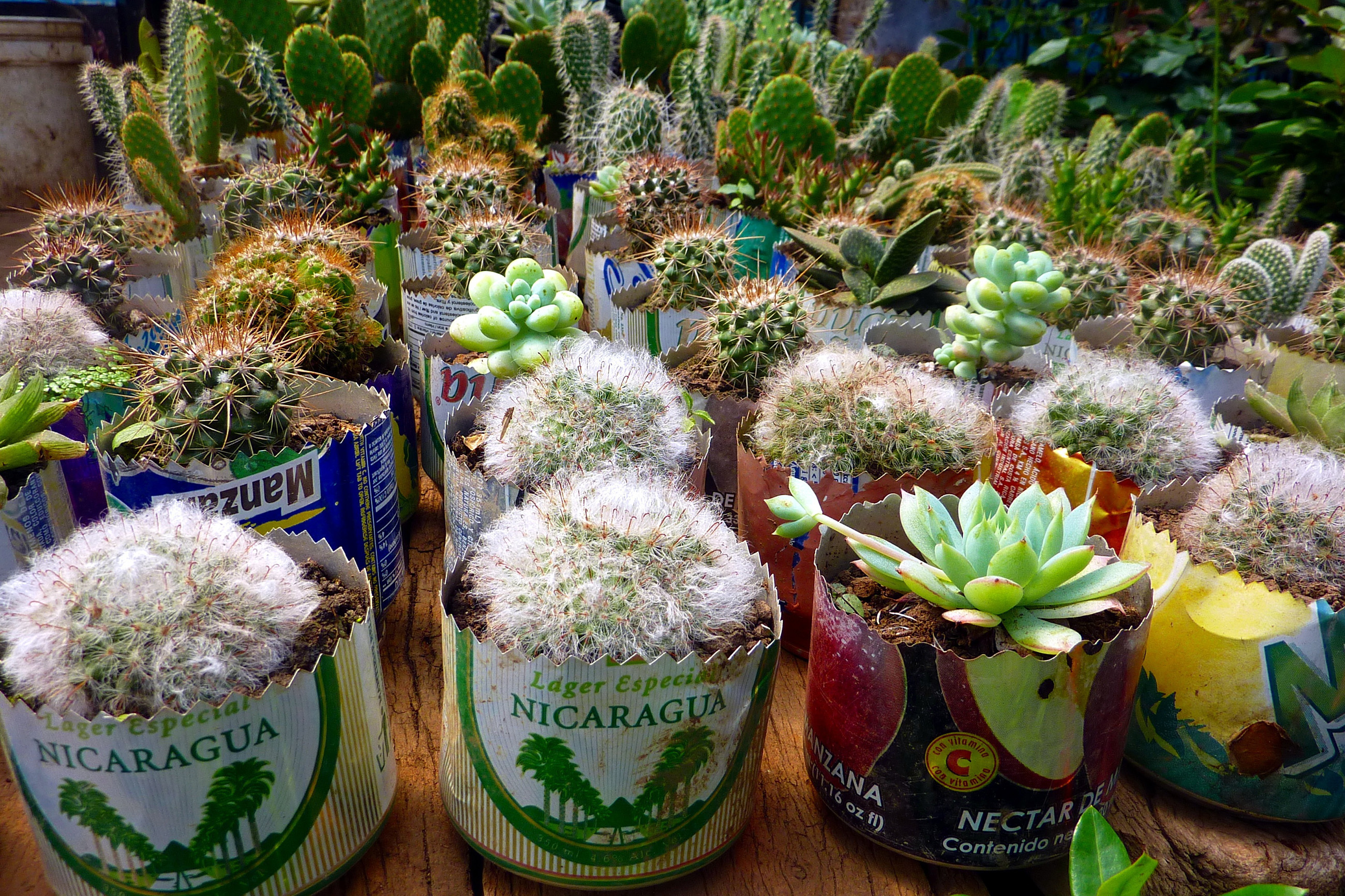
Creative gardening with local materials highlights Nicaragua’s resourceful culture.
Pros and cons of living in Nicaragua vs Costa Rica
A common comparison for potential expats is Nicaragua vs Costa Rica.
Costa Rica is more developed and politically stable, but it is also significantly more expensive.
Key differences include:
| Factor | Nicaragua | Costa Rica |
| Cost of Living | Very low | High |
| Tourism | Developing | Highly developed |
| Infrastructure | Basic in some areas | More advanced |
| Lifestyle | Quiet and authentic | More international |
For people prioritizing affordability and fewer crowds, Nicaragua often stands out.
What Surprises Many Expats About the Pros and Cons of Living in Nicaragua
Several realities of daily life often catch newcomers off guard.
Bureaucracy can move slowly, and administrative processes may require multiple visits. Cash remains widely used, especially in smaller businesses and markets. Customer service expectations differ, with more emphasis on relationships than efficiency.
These cultural differences can be frustrating at first but often become part of the country’s charm once people adjust.
Who Nicaragua Is Best For: Ideal for These Expats
Certain lifestyles tend to thrive in Nicaragua.
Retirees appreciate the affordability and relaxed environment. Remote workers and digital nomads benefit from low living costs and inspiring surroundings. Adventure-oriented individuals enjoy the country’s outdoor activities and natural landscapes.
For people seeking a simpler lifestyle focused on community and nature, Nicaragua can be a rewarding place to live.
Who Living in Nicaragua May Not Be Right For
However, the country may not suit everyone.
Those who may struggle include:
- individuals requiring advanced medical care
- people uncomfortable with political uncertainty
- professionals dependent on local employment
- individuals expecting highly developed infrastructure
Matching expectations with reality is key to determining whether the move makes sense.
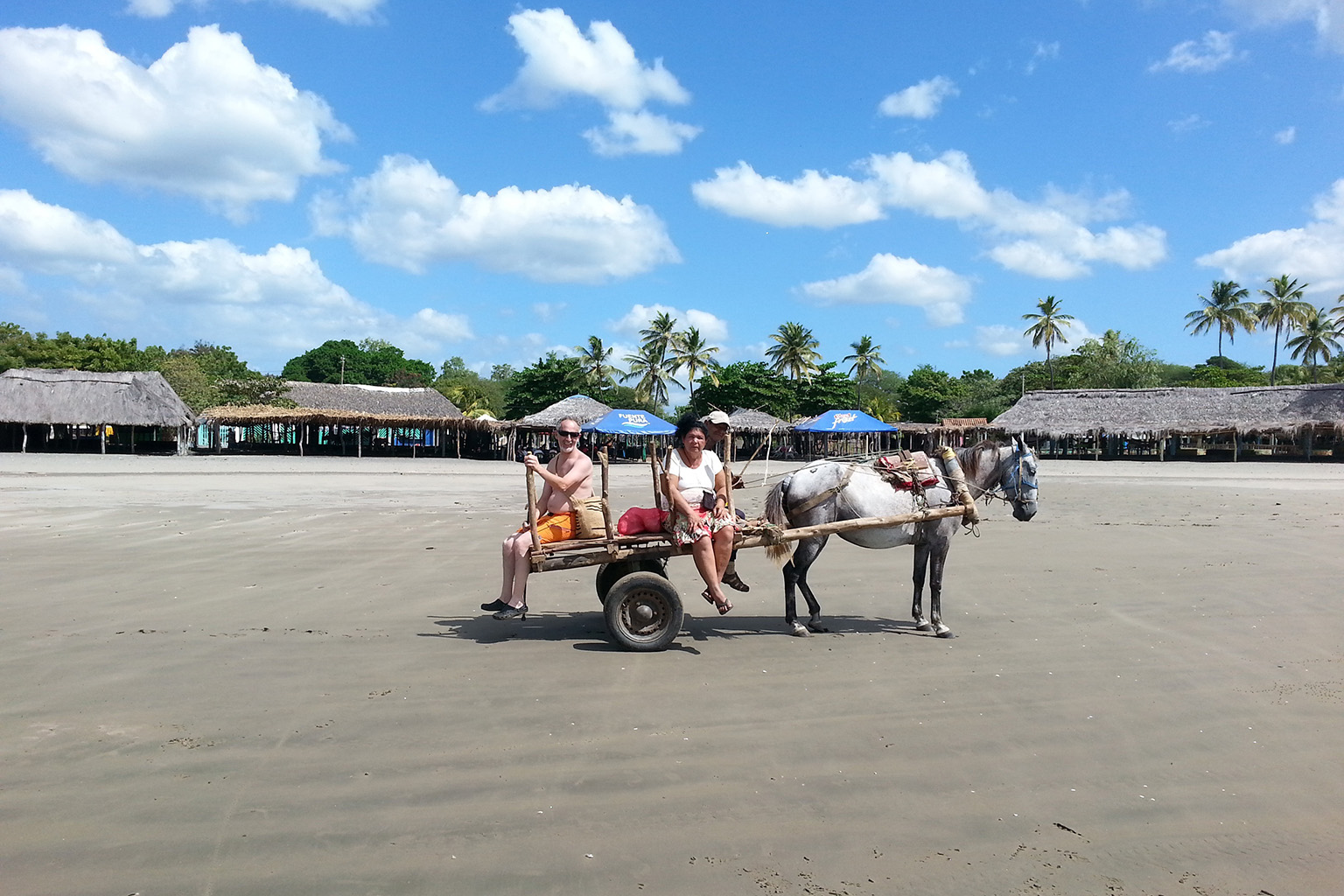
Simple beach moments in Pochomil capture the slower, laid-back lifestyle many expats discover when weighing the pros and cons of living in Nicaragua.
Pros and Cons of Living in Nicaragua: Is it a good place to live?
Whether Nicaragua is a good place to live ultimately depends on personal priorities. For many expats, the country offers a compelling combination of affordability, natural beauty, and relaxed living.
However, the trade-offs—political uncertainty, healthcare limitations, and infrastructure challenges—require thoughtful consideration.
People who approach relocation with realistic expectations often find that life in Nicaragua provides a slower, simpler lifestyle that can be deeply rewarding.
FAQs About the pros and cons of Living in Nicaragua: Common Questions Answered
How much money do you need to live comfortably in Nicaragua?
Many expats report living comfortably on $1,200–$2,000 per month as a couple, depending on lifestyle and location.
Is Nicaragua safe for expats?
Safety varies by area, but many expats feel comfortable in established communities such as Granada and San Juan del Sur while practicing normal precautions.
Can foreigners buy property in Nicaragua?
Yes, foreigners can generally purchase property in Nicaragua, though it is important to conduct proper legal checks and work with reputable professionals.
Is Nicaragua good for retirees?
Nicaragua is often considered attractive for retirees due to its low cost of living, warm climate, and relaxed pace of life.
Is Nicaragua good for digital nomads?
The country is becoming more popular among remote workers thanks to improving internet infrastructure and affordable living.
Final Thoughts on the Pros and Cons of Living in Nicaragua
The pros and cons of living in Nicaragua reveal a country full of contrasts. On one hand, it offers extraordinary affordability, welcoming communities, and stunning natural landscapes. On the other, it presents challenges related to infrastructure, healthcare, and political uncertainty.
For those who value simplicity, nature, and financial freedom, Nicaragua can offer a compelling alternative to high-cost Western lifestyles.
The key is understanding the realities beforehand and deciding whether the lifestyle aligns with your priorities.
Before committing to Nicaragua, check where you actually qualify for residency. This free Latin America Residency Map shows your best options in seconds.