
12 min read
Expat Life in Nicaragua means stepping into a country full of color, culture, and natural beauty. From handcrafted textiles and vibrant artisan traditions to lively street markets and music-filled plazas, Nicaragua’s culture is expressive and deeply rooted in community. Beyond the beauty, expat life in Nicaragua offers something rare: affordability, freedom, and an elevated quality of life.
……………………………..
Expat life in Nicaragua isn’t just a change of location—it’s a complete shift in how life works. For some, it feels like freedom. Lower costs, fewer restrictions, and a slower pace of life that gives you room to breathe again.
For others, it’s frustrating. Infrastructure gaps, inconsistent systems, and a way of living that doesn’t always match expectations built in the West.
That’s the reality most guides don’t talk about.
This isn’t a surface-level overview. This is what expat life in Nicaragua is actually like—from cost of living and safety to healthcare, residency, and daily life on the ground.
If you’re also exploring the broader picture of living in Nicaragua, this guide connects the full ecosystem of costs, safety, residency, and where expats actually settle.
By the end, you’ll have a clear understanding of whether expat life in Nicaragua fits your lifestyle—or if the trade-offs outweigh the benefits.
Table of Contents
Why People Actually Move to Nicaragua
Most people don’t move to Nicaragua on a whim—they move because something isn’t working where they are.
For some, it’s financial pressure. Rising costs, stagnant income, and the realization that maintaining the same lifestyle is getting harder every year.
For others, it’s about control. More rules, less flexibility, and a growing sense that their options are shrinking.
Nicaragua offers an alternative.
The cost of living is significantly lower, which means your money stretches further. Rent, food, transportation, and services are all more affordable—especially if you’re willing to live closer to the local standard rather than importing a Western lifestyle.
But affordability isn’t the only draw for expat life in Nicaragua.
There’s also a shift in priorities. Life moves slower. Community matters more. And there’s a stronger sense of independence compared to highly structured environments in North America or Europe.
That said, this isn’t a perfect trade.
You’re not just gaining affordability—you’re giving up convenience, predictability, and in some cases, infrastructure.
That trade-off is exactly why expat life in Nicaragua works extremely well for some people—and not at all for others.
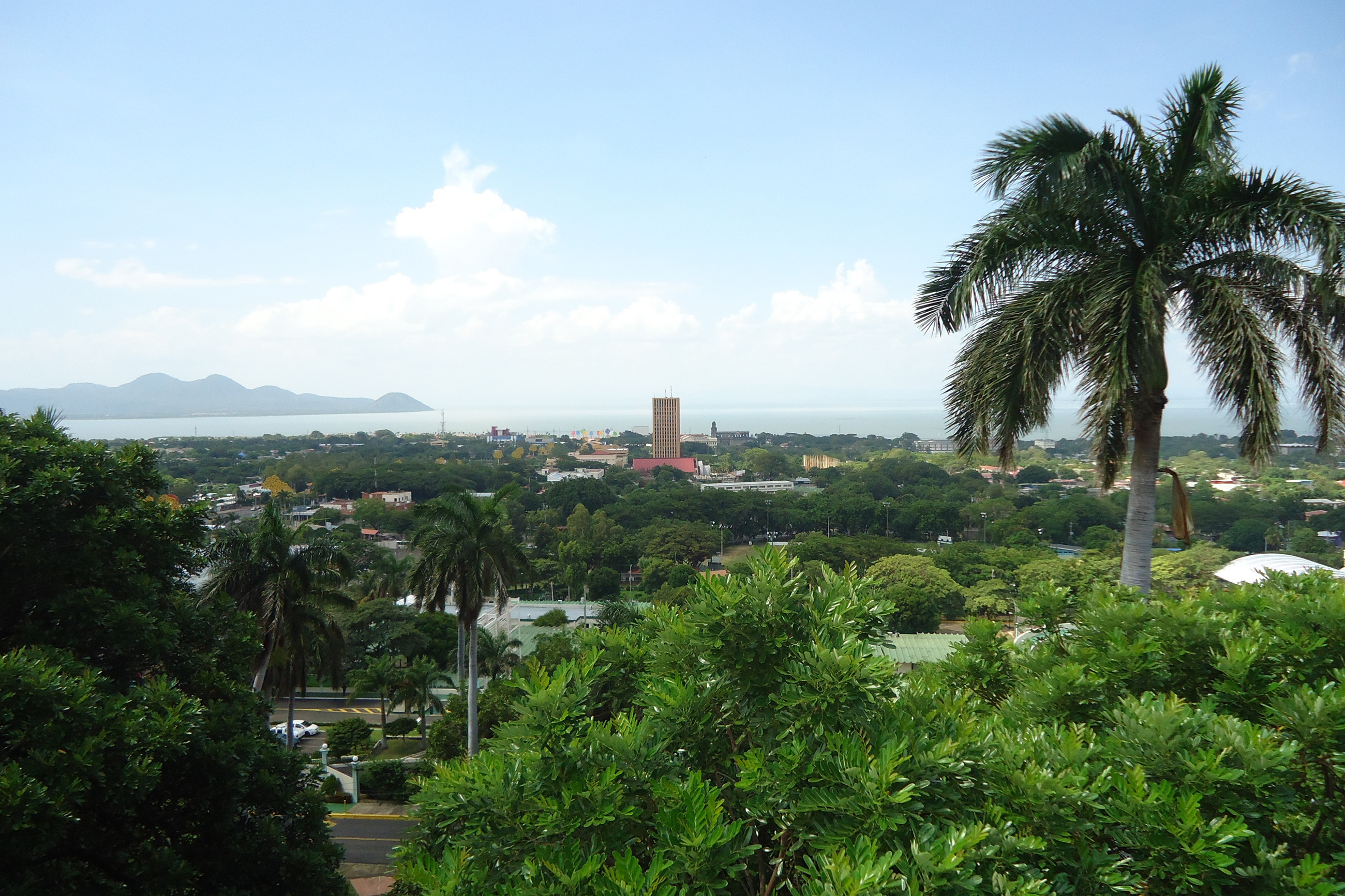
Urban life meets nature — one of the unexpected perks of expat life in Nicaragua.
Where to Live in Nicaragua (And Why It Matters More Than You Think)
Where you choose to live in Nicaragua will shape your entire experience—more than cost, more than lifestyle, more than almost anything else.
Each major expat area offers a completely different version of the country.
San Juan del Sur attracts digital nomads, surfers, and younger expats looking for a social, beach-focused lifestyle. It’s one of the easiest places to settle in, but also one of the more expensive and seasonal.
Granada appeals to retirees and long-term expats who want a more stable, culturally rich environment. It has one of the most established expat communities and better access to services.
León offers a more local, budget-friendly experience. It’s less polished, more authentic, and often a better fit for those who want to integrate rather than live in an expat bubble.
Outside of these areas, smaller towns and rural regions offer lower costs and quieter living—but come with trade-offs in infrastructure, healthcare access, and connectivity.
Bottom line: choosing the wrong location is one of the fastest ways to have a bad expat life in Nicaragua experience.
Choosing the right location is critical—this guide to the best places to live in Nicaragua for expats breaks down each option in detail.
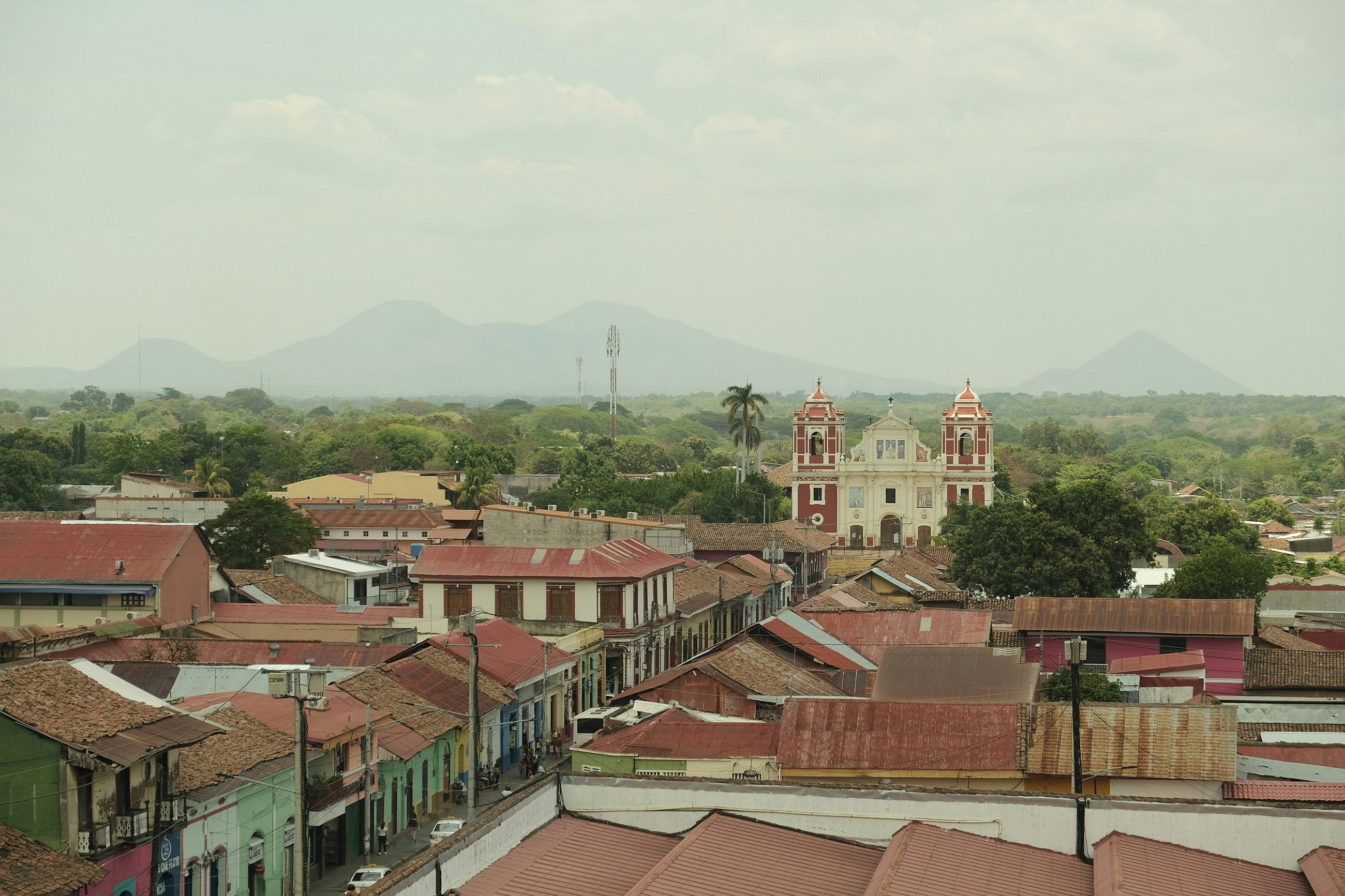
Colonial charm and mountain views — the everyday scenery for expat life in Granada.
Cost of Living in Nicaragua (What Expats Actually Spend)
One of the biggest reasons people consider living in Nicaragua is the cost—and this is where expectations need to be realistic.
Yes, Nicaragua is significantly more affordable than North America or Europe. Housing, food, transportation, and services all cost less.
Expat life in Nicaragua depends heavily on how you choose to live.
If you adapt to the local lifestyle—shopping at markets, eating local food, and avoiding imported goods—you can live very comfortably on a modest budget.
If you try to replicate a Western lifestyle—imported groceries, modern housing, private services—costs rise quickly and the savings shrink.
Housing is typically your biggest expense.
Coastal areas and expat-heavy locations are more expensive, while inland cities and smaller towns offer better value.
Healthcare is also affordable by comparison, especially for routine care, though many expats still rely on private insurance for peace of mind.
The key takeaway: Nicaragua is low-cost—but only if your expectations align with how the country actually works.
For a full breakdown of affordability, see this guide to the cost of living in Nicaragua.
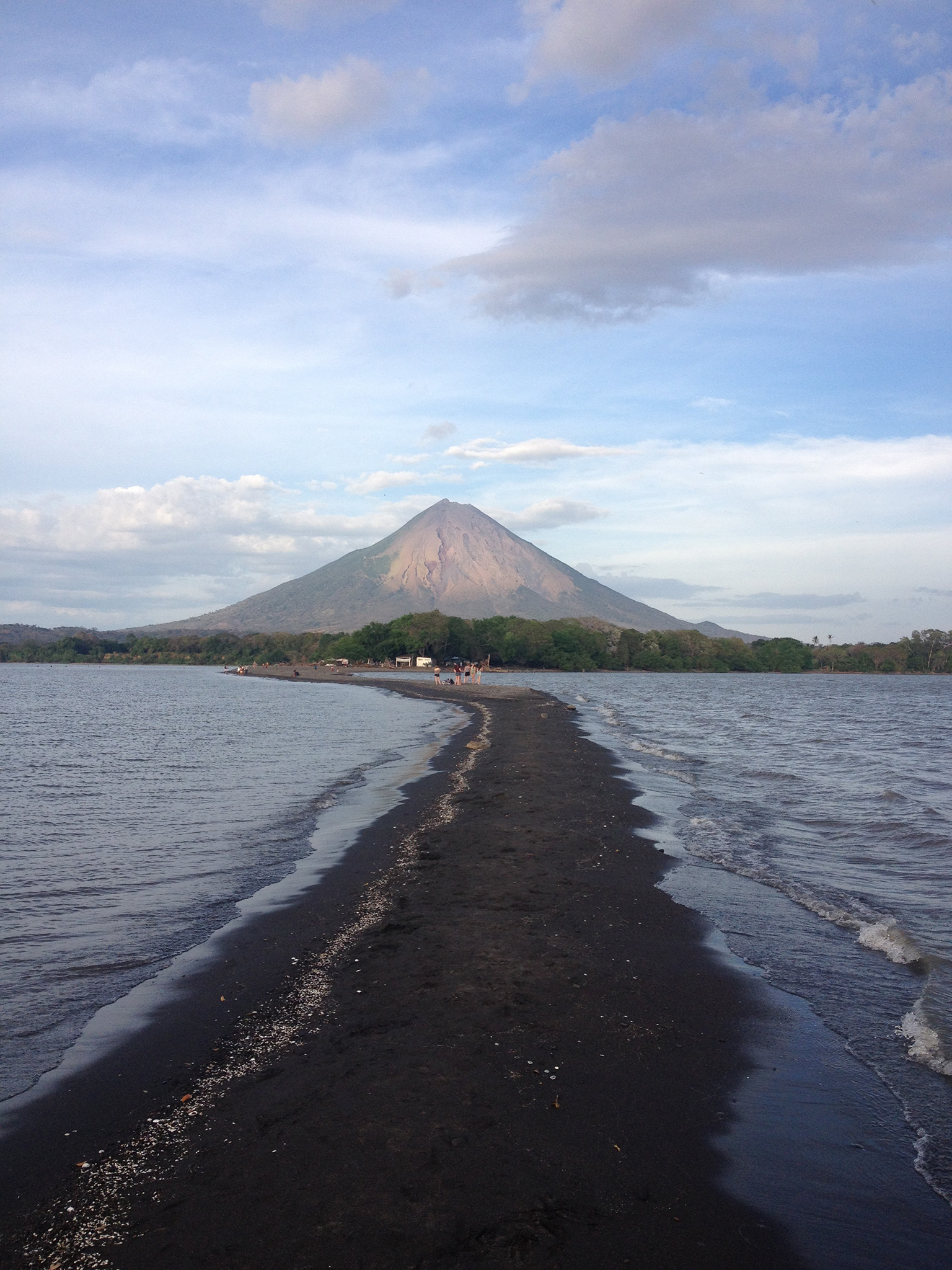
Adventure is everywhere — volcanic landscapes are part of daily expat life in Nicaragua.
Safety, Healthcare & Daily Life in Nicaragua
Safety, healthcare, and day-to-day lifestyle are top priorities for families, retirees and other expats living in Nicaragua. Even though the US State Department Travel Advisory recommends travelers to reconsider, we know, no country is entirely crime-free. Most expats report feeling secure, especially in well-established towns and gated communities like Granada, León, and San Juan del Sur.
For a deeper comparison of major expat hubs, see León vs Granada Nicaragua.
Simple precautions—avoiding isolated areas at night, securing valuables, and staying aware of local conditions—are usually sufficient for daily life.
Healthcare is accessible and affordable, particularly in major towns. Private clinics and hospitals provide quality care at a fraction of the cost in North America or Europe. Many expats combine routine visits with private or international insurance for more complex needs. Towns like Granada and León have modern facilities and English-speaking staff, while smaller towns may require occasional travel for specialized care.
Expat life in Nicaragua is slower, simpler, and more community-oriented than in Western countries. Local markets provide fresh, affordable ingredients, casual restaurants are inexpensive, and outdoor activities—surfing in San Juan del Sur, hiking near Granada, or exploring volcanoes and lakes—are part of the lifestyle. Social connections often form through community events, cafes, and expat networks, making integration easier.
Bottom line: Nicaragua combines affordability, accessible healthcare, and safety with a relaxed lifestyle, and can allow residents to enjoy freedom and simplicity without Western pressures. If security is a factor in your decision, the safety situation in 2026 is more nuanced than most people expect.
Living as a Digital Nomad in Nicaragua
Nicaragua is becoming more attractive to digital nomads—but it’s not a plug-and-play destination.
Yes, you’ll find reliable internet in places like San Juan del Sur, Granada, and León. Cafés, coworking spaces, and rental properties are increasingly set up for remote work.
But consistency isn’t guaranteed.
Power outages, slower speeds in certain areas, and occasional disruptions mean you need backup options—whether that’s a mobile hotspot or a second workspace.
Compared to more developed nomad hubs, Nicaragua requires more flexibility and planning. That said, what you get in return is a lower cost of living, less crowding, and a more authentic experience.
You’re trading convenience for freedom—and for many remote workers, that’s exactly the point. Remote workers should also consider location carefully—see remote work in the Corn Islands Nicaragua for digital nomads.

Strong communities make expat life in Nicaragua fun, social, and welcoming.
Retiring in Nicaragua: What Most People Don’t Expect
Nicaragua is often promoted as a low-cost retirement destination—and while that’s true, it’s only part of the picture.
Yes, you can live comfortably on a smaller budget. Daily expenses are low, and residency options are relatively accessible.
But this isn’t a fully developed retirement system.
Healthcare is affordable, but limited for complex or specialized conditions. Infrastructure varies by location. And day-to-day life requires more independence than many retirees are used to.
This isn’t a place where everything is handled for you.
It’s a place where you need to be adaptable, self-sufficient, and comfortable with a slower, less predictable way of life.
For some retirees, that’s exactly what they’re looking for.
For others, it becomes a dealbreaker.
Residency options are an important part of planning long-term stays—see the Nicaragua residency guide (2026).
Family Life in Nicaragua (The Reality for Expats)
Living in Nicaragua as a family can be incredibly rewarding—but it requires planning.
On the positive side, kids grow up surrounded by nature, culture, and a slower pace of life. Beaches, volcanoes, and outdoor activities become part of everyday life rather than occasional trips.
There’s also a strong sense of community in many areas, especially within expat networks.
But there are trade-offs.
Education options are more limited compared to Western countries. While there are bilingual and international schools in places like Granada and León, choices become more restricted outside major areas.
Healthcare is another consideration—routine care is accessible, but specialized treatment may require travel.
For families, success in Nicaragua often comes down to location, preparation, and realistic expectations. Before committing, see the full pros and cons of living in Nicaragua for a balanced take before you decide.
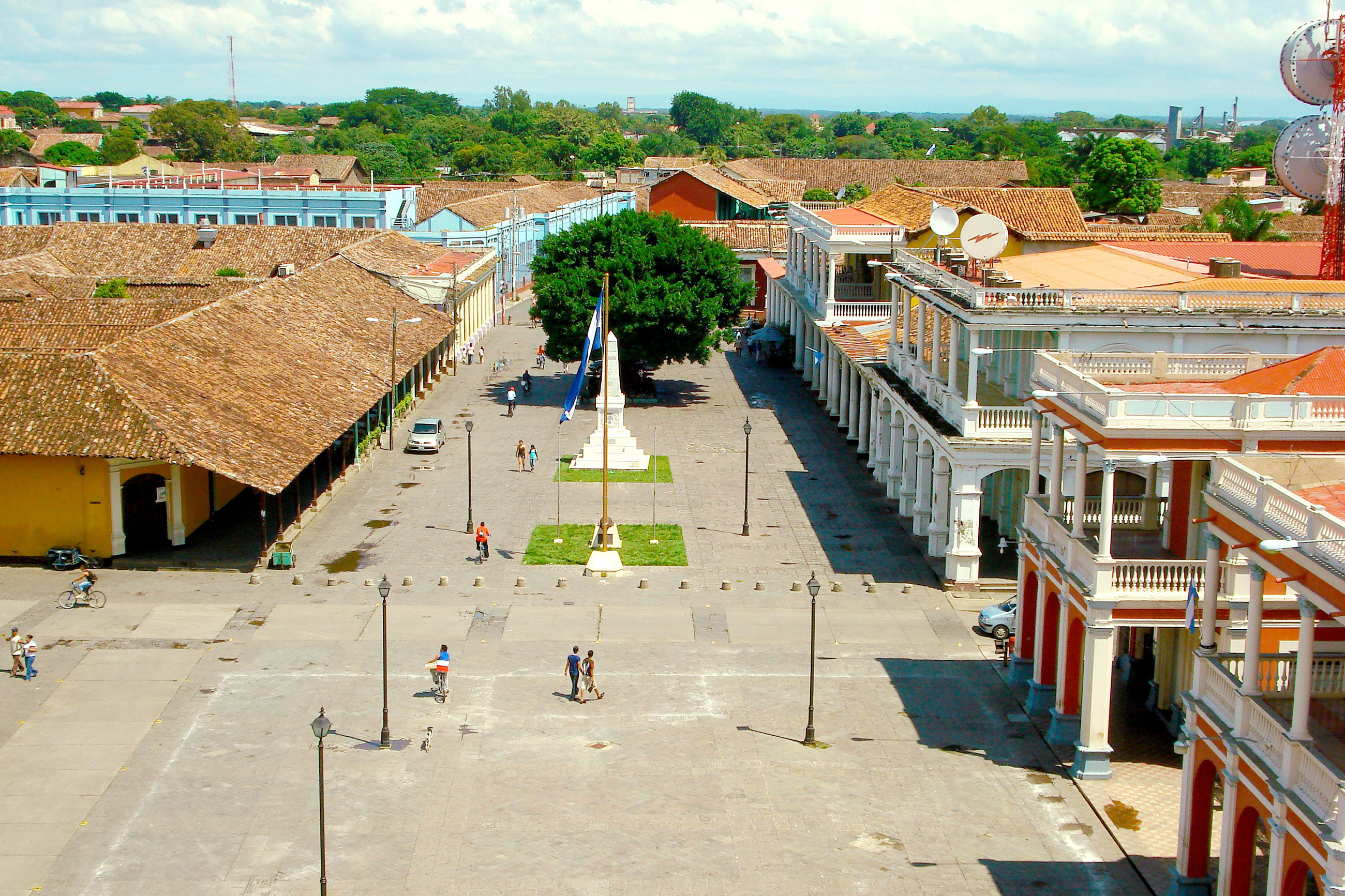
Central plazas are the heartbeat of living in Nicaragua.
Residency & Visas for Expat Life in Nicaragua
If you’re planning to live in Nicaragua long-term, understanding how residency works is essential. The good news is that compared to many countries, Nicaragua offers relatively accessible pathways—but it still requires planning, documentation, and patience.
Entry & Short-Term Stays: Most nationalities can enter Nicaragua on a tourist visa, typically valid for up to 90 days as part of the CA-4 agreement (which includes neighboring Central American countries). Extensions are sometimes possible, but if you’re considering staying longer-term, transitioning to a residency pathway is the more stable option.
Residency Pathways: Nicaragua offers several residency options depending on your financial situation and reason for relocating:
- Pensionado (Retiree) Residency – Designed for retirees with a guaranteed lifetime income (such as a pension or social security).
- Rentista Residency – For individuals with stable, passive income from investments or savings.
- Investor Residency – Available if you plan to invest in a local business or property.
Unlike some countries, there is no true “digital nomad visa.” Remote workers typically qualify through income-based residency options instead.
The Residency Process: Applying for residency involves submitting documentation such as proof of income, background checks, and identification. While the process is considered relatively straightforward, it can be bureaucratic and time-consuming.
Many expats choose to work with a local immigration lawyer to avoid delays or errors, but it’s also possible to manage the process yourself if you’re organized and prepared for some back-and-forth.
Costs & Timelines: One of Nicaragua’s advantages is cost—application fees and associated expenses are generally low compared to other expat destinations. Processing times can vary, but it’s reasonable to expect several months from initial application to approval, depending on your situation and how efficiently your paperwork is handled.
Legal & Practical Considerations: Before committing long-term, it’s important to understand:
- Property ownership laws
- Tax obligations (both local and in your home country)
- Banking and financial setup
Nicaragua is relatively straightforward, but like anywhere, getting proper legal guidance early can prevent costly mistakes later.
Is Residency in Nicaragua Easy?: Compared to many Western countries, Nicaragua is considered one of the more accessible places to establish residency. But “easy” doesn’t mean effortless—you’ll still need to meet requirements, stay organized, and navigate a slower administrative system.
Start Here: If you’re seriously considering a move, the next step is understanding whether you qualify—and which pathway makes the most sense for your situation. Use our Latin America Residency Map to see if you qualify and compare your options across multiple countries
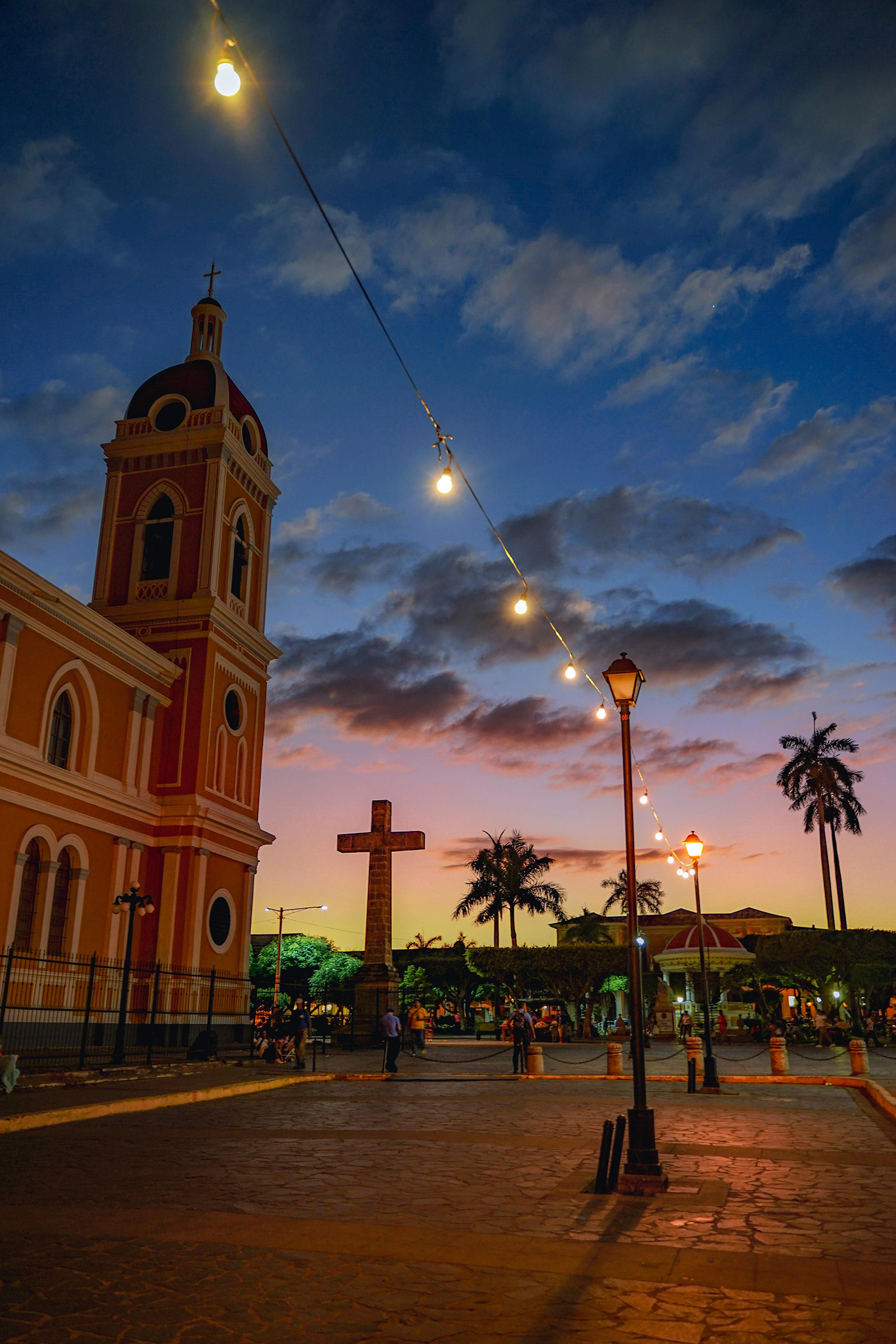
Nicaragua’s colonial architecture feels timeless — especially at night.
Buying or Renting Property for Expat Life in Nicaragua
When planning a move to Nicaragua, one of the biggest decisions is whether to rent or buy. Both options are viable for expats, but the right choice depends on your timeline, risk tolerance, and how familiar you are with the country.
Renting First: The Safer Approach: For most newcomers, renting is the smartest place to start. It gives you time to understand how daily life actually works, test different areas, and adjust your expectations before making a long-term commitment.
Rental options range from simple local housing to more modern, fully furnished properties. Costs are generally low by Western standards, but can increase depending on the level of comfort, amenities, and services you choose.
Just as important, renting allows you to avoid common early mistakes—such as choosing the wrong location, underestimating infrastructure differences, or committing too quickly.
Buying Property: What to Know: Foreigners can legally purchase property in Nicaragua, which makes buying an option for those planning to stay long-term. However, this isn’t a market where you want to rush in.
The process requires careful due diligence—particularly when it comes to title verification, legal documentation, and understanding local regulations. Working with a reputable local attorney is essential to avoid disputes or unclear ownership issues.
Buying can provide stability and long-term value, but it also ties you to a specific location—something that can be limiting if you’re still figuring out where you want to live.
Costs & Ongoing Expenses: Property costs in Nicaragua are generally lower than in North America or Europe, but prices vary widely depending on the type of property and level of development.
Beyond the purchase or rental price, it’s important to factor in:
- Utilities and internet
- Maintenance and repairs
- Security measures (if needed)
- Any community or service-related fees
These costs can add up quickly depending on your setup, so it’s important to budget realistically.
Risks & Realities: This is where many people get caught off guard. Property markets in Nicaragua are less regulated than in Western countries, and processes can be slower and less transparent. Issues like unclear land titles, informal agreements, or unexpected delays are not uncommon.
That doesn’t mean you shouldn’t buy—but it does mean you need to approach it with caution, patience, and the right legal support.
What’s the Right Choice?: For most people, the best approach is simple:
Rent first, learn the market, then decide if buying makes sense.
Nicaragua offers flexibility, but it rewards those who take the time to understand how things work on the ground before making long-term decisions.
Final Thoughts: Is expat life in Nicaragua Right for You?
Expat life in Nicaragua isn’t for everyone—and that’s exactly why it works so well for the right people.
If you’re looking for convenience, predictability, and fully developed infrastructure, Nicaragua may feel challenging. Systems can be slower, processes less structured, and day-to-day life requires more flexibility than many are used to.
But if your priorities are different—lower costs, more independence, and a shift away from the pressures of Western living—then Nicaragua offers something increasingly hard to find: space to live on your own terms.
Who Nicaragua Works Best For:
- Remote workers with flexible setups
- Retirees looking to stretch their income
- Families open to a less conventional lifestyle
- Anyone willing to adapt rather than replicate life back home
If your goal is to recreate your current lifestyle exactly, you’ll likely run into friction. If you’re open to a different way of living, the experience can be highly rewarding.
The Reality Most People Miss: The biggest mistake people make is deciding too quickly. Nicaragua rewards patience. Taking time to explore, renting before committing, and understanding how things work on the ground will lead to far better decisions—especially when it comes to location, property, and long-term planning.
Your Next Step: If you’re seriously considering the move, the most important question isn’t just where to live—it’s whether you can legally stay long-term and what your options look like.
Not sure if Nicaragua is the right fit? Use our Latin America Residency Map to see if you qualify for expat life in other regions of Latin America.