
16 min read
With its stunning beaches, colonial cities, volcanoes, and one of the lowest costs of living in Central America, Nicaragua offers a relaxed tropical lifestyle that continues to attract remote professionals, families, retirees, and adventure seekers. If you’re considering how to get residency in Nicaragua, we explain visa options along with current requirements, required documents, costs, timelines, and practical step-by-step instructions to help you make a smooth, legal, and affordable move.
……………………………..
How to get residency in Nicaragua is a question many remote professionals, families, retirees, and digital nomads, are asking in 2026. With rising costs, inflation, and global instability, securing legal residency in a country like Nicaragua can provide peace of mind, financial flexibility, and a new way of life.
If you’re considering living in Nicaragua legally while enjoying a lower-cost lifestyle, this guide will walk you through all the options, requirements, and practical steps you need to take. By the end, you’ll understand how to make your move safe, legal, and stress-free.
This post is designed for remote professionals, families, retirees, and investors who want more freedom, stability, and a low-cost lifestyle abroad.
Table of Contents
Why Learning How to Get Residency in Nicaragua Is Trending
In today’s uncertain global climate, many people are rethinking where they live. Rising inflation, political instability, and concerns about personal freedoms make it more appealing to explore safer, affordable alternatives abroad. For those seeking long-term flexibility, obtaining Nicaragua residency provides legal security, access to banking, healthcare, and the ability to stay longer than a tourist visa allows.
Living in Nicaragua legally also opens the door to a more intentional, low-cost lifestyle. With access to local amenities, tropical surroundings, and a rich culture, expats can enjoy a life that balances freedom, comfort, and financial peace of mind.
Exploring Nicaragua residency is not just about moving—it’s about creating options for your future. Whether your goal is retirement, remote work, or investment, having legal residency gives you the foundation to fully embrace life in Nicaragua.
Nicaragua Residency Options: How to Choose the Right Path
When considering how to get residency in Nicaragua, it’s important to understand the different pathways available. Nicaragua offers several visa options tailored to retirees, remote workers, investors, and other expats. Choosing the right type of residency ensures you can live in Nicaragua legally while enjoying all the benefits of long-term stay.
| Visa Type | Target Audience | Minimum Requirement | Path to Permanent Residency | Work Rights | Best For |
| Pensionado Visa | Retirees (typically age 45+) | ~$600–$1,000+ monthly pension income (+$150 per dependent) | Yes (after 3 years temporary) | Limited (passive income focus) | Retirees seeking a low-cost lifestyle in Nicaragua |
| Rentista Visa | Digital nomads, remote workers, passive income earners | ~$750–$1,250+ monthly from investments, rentals, or remote work | Yes (after 3 years temporary) | No (foreign income only) | Remote professionals and nomads living in Nicaragua legally |
| Investor Visa | Entrepreneurs & business investors | $30,000+ investment in business, real estate, or approved projects (must create local jobs) | Faster track (often immediate or accelerated) | Yes (local business allowed) | Investors combining residency with business opportunities |
| Other (Student/Work/Family) | Students, employees, family members | Varies (enrollment letter, job offer, or family ties) | Possible after meeting thresholds | Yes (with work visa) or limited | Education, employment, or family reunification |
Requirements are approximate and subject to change. Always verify with Nicaraguan immigration authorities or a qualified lawyer, as income thresholds and rules can update.
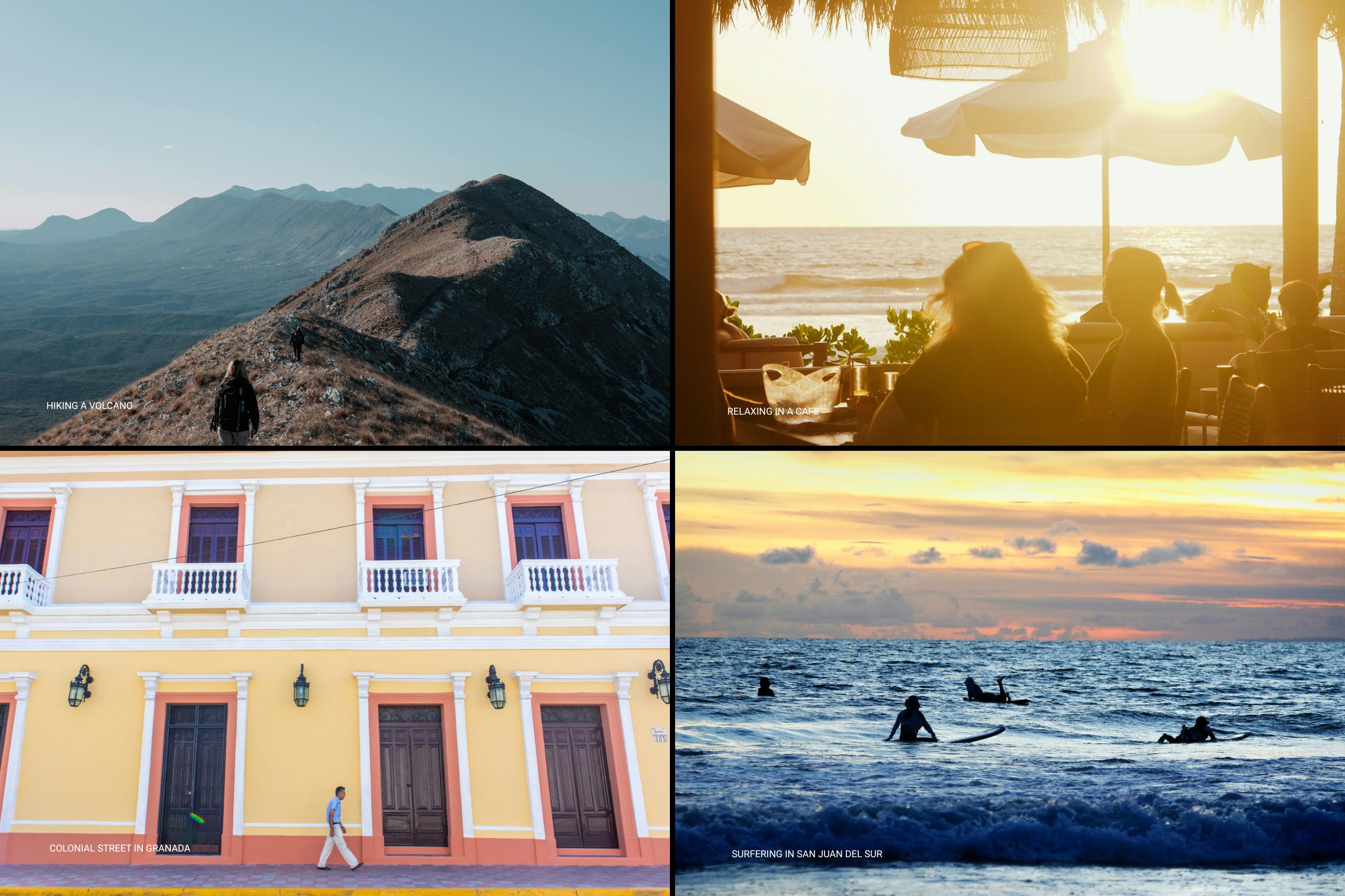
Nicaragua offers a mix of colonial charm, adventure, and laid-back café culture for residents.
How to Get Residency in Nicaragua: Temporary vs Permanent Options
Temporary residency is ideal for newcomers who want to test life in Nicaragua before committing long-term. It usually requires proof of income, a clean criminal record, and basic documentation. Permanent residency is the next step for those who want to establish long-term stability, offering more security, freedom to work, and the ability to access services like banking and healthcare.
How to Get Residency in Nicaragua as a Retiree (Pensionado Visa)
The Nicaragua Pensionado Visa is designed for retirees with a guaranteed monthly income. To qualify, you typically need proof of pension or retirement income that meets the minimum requirement set by Nicaraguan immigration. Benefits include legal residency, the ability to open a local bank account, and extended stay privileges. This option is popular for those seeking a low-cost lifestyle retiring in Nicaragua while securing legal peace of mind.
How to Get Residency in Nicaragua With Passive Income (Rentista Visa)
The Nicaragua Rentista Visa is for those with steady passive income or remote professionals working from abroad. Applicants must show proof of monthly income or investment returns that meet immigration thresholds. This visa allows remote workers and digital nomads in Nicaragua to live legally while maintaining their international careers.
How to Get Residency in Nicaragua Through Investment
The Nicaragua Investor Visa is intended for those planning to start or invest in a business in Nicaragua. Minimum investment amounts vary depending on the type of business, but this option provides a pathway to permanent residency and the ability to work locally. It’s ideal for expats looking to combine financial opportunity with the benefits of long-term residency.
Other Ways to Get Residency in Nicaragua – Student, Work, and Family Visas
While the Pensionado, Rentista, and Investor visas are the most popular ways for expats to get residency in Nicaragua, there are additional pathways available for those in specific situations. These options provide legitimate routes for students, employees, and family members who want to learn how to get residency in Nicaragua through education, employment, or family ties.
Student Visa (Residencia Estudiantil): If you plan to study at a Nicaraguan university, language school, or approved educational institution, the Student Visa offers a straightforward way to get residency in Nicaragua during your program.
To qualify for the Student Visa, you will generally need to provide:
- An official acceptance or enrollment letter from an accredited Nicaraguan university or language school
- Proof of sufficient financial resources to cover tuition and living expenses
- A valid passport, recent medical certificate, and apostilled police clearance certificate
The Student Visa is usually granted for the duration of your studies and can be extended. Many people use this as an entry point to live in Nicaragua legally while they explore the country, improve their Spanish, and later transition to a Pensionado or Rentista visa as part of their long-term plan for how to get residency in Nicaragua.
Work Visa (Residencia Laboral): For those with a job offer from a Nicaraguan company, the Work Visa provides another route to get residency in Nicaragua. The employer must sponsor the application and show that the position cannot be filled by a local worker.
Key requirements usually include:
- A formal employment contract
- Company documents proving the business is registered
- Proof of your professional qualifications
This visa starts as temporary but can lead to permanent residency after several years of continuous employment. It is especially suitable for professionals working in tourism, education, agriculture, or NGOs. Remote workers earning income from outside the country generally find it easier to get residency in Nicaragua through the Rentista visa instead.
Family Reunification Visa (Reagrupación Familiar): If you have close family members who are Nicaraguan citizens or already hold permanent residency, you may qualify for residency through family reunification. This option is designed for spouses, minor children, and sometimes parents.
You will need to provide:
- Proof of the family relationship (apostilled marriage or birth certificates)
- Sponsorship and financial support documents from your family member in Nicaragua
The Family Reunification Visa can eventually lead to permanent residency and even citizenship after meeting the required time periods. It is a practical solution for those who want to build or maintain family life while learning how to get residency in Nicaragua.
These alternative pathways are more restrictive than the main expat visas and often require local sponsorship, but they remain valid options for non-traditional applicants. In many cases, people start with a student or work visa and later switch to the Pensionado or Rentista category for greater flexibility and a lower-cost lifestyle in Nicaragua.
Important Tip: No matter which route you choose, the core documents (apostilled passport copies, police clearance, medical certificate, etc.) are still required and must be translated into Spanish. Working with an experienced immigration lawyer is highly recommended when exploring these options to ensure you successfully get residency in Nicaragua without unnecessary delays.
Learn more about the real benefits and challenges of living in Nicaragua by reading our detailed guide on the Pros and Cons of Living in Nicaragua.
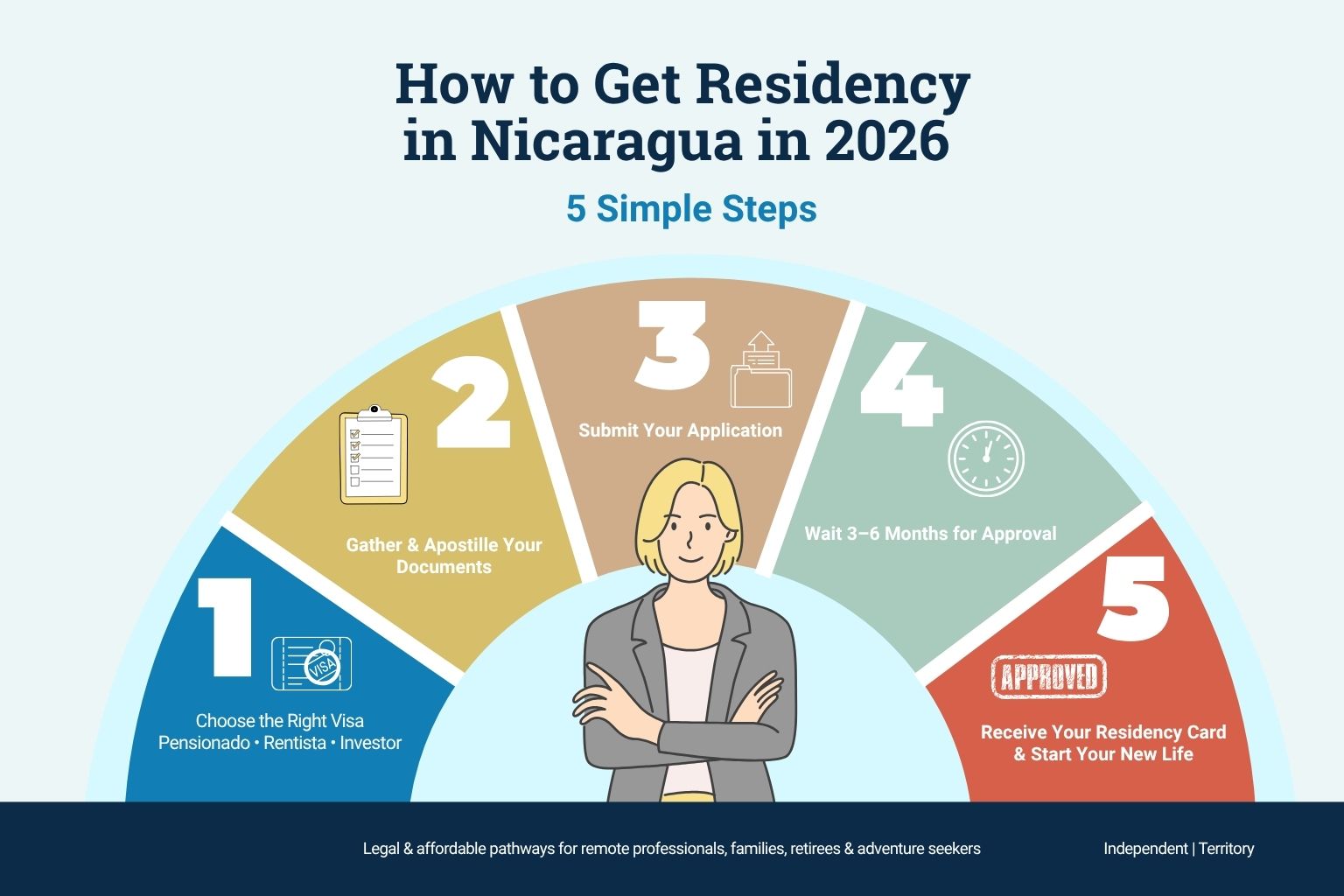
A visual step-by-step guide to obtaining legal residency in Nicaragua.
Step-by-Step Guide: How to Get Residency in Nicaragua
If you’re serious about how to get residency in Nicaragua, the process is relatively straightforward—but it does require preparation, patience, and attention to detail. Below is a clear, step-by-step breakdown so you know exactly what to expect.
Before anything else, you need to choose the residency option that aligns with your lifestyle and income. Whether it’s a Pensionado visa for retirees, a Rentista visa for remote workers, or an investor pathway, selecting the right category is the foundation of the entire process.
Choosing incorrectly can delay your application, so take the time to match your income source and long-term plans with the appropriate visa type.
One of the most important parts of meeting Nicaragua residency requirements is preparing your documentation correctly. Most applications require:
- Valid passport (with copies)
- Birth certificate (apostilled)
- Police clearance certificate (apostilled)
- Proof of income (pension, investments, or remote income)
- Medical certificate
- Passport-sized photos
These are the core documents needed for Nicaragua residency, and they must usually be translated into Spanish and properly authenticated. Missing or incorrectly prepared paperwork is one of the most common reasons for delays.
Once your documents are ready, you can submit your application either:
- In Nicaragua at the immigration office
- Through a Nicaraguan consulate abroad
At this stage, you’ll complete forms, submit your paperwork, and begin the official review process. This is where understanding how to get residency in Nicaragua becomes practical—you’re moving from research to action.
The timeline for approval can vary, but most applications take anywhere from 3 to 6 months, depending on the visa type and how complete your documentation is.
Costs typically include:
- Government fees
- Document authentication and translation
- Legal assistance (if used)
Compared to many other countries, Nicaragua remains one of the more accessible and affordable residency options, reinforcing its appeal for those seeking a low-cost lifestyle in Nicaragua.
Even though the process is straightforward, there are a few pitfalls that can slow things down:
- Submitting non-apostilled or incomplete documents
- Choosing the wrong visa category
- Underestimating processing times
- Not keeping copies of all paperwork
- Trying to navigate the process without understanding local requirements
Avoiding these mistakes can save you time, money, and unnecessary frustration.
Want a clearer picture of your opportunities? The Latin America Residency Map helps you identify the simplest and most realistic residency pathways across multiple countries.

Estimating costs is a key step when planning your move to Nicaragua.
Should You Use a Lawyer or Residency Service to Get Residency in Nicaragua?
While it’s possible to handle the process yourself, many expats choose to work with a local immigration lawyer or residency service.
A professional can:
- Ensure your documents needed for Nicaragua residency are correctly prepared
- Help you meet all Nicaragua residency requirements
- Navigate local bureaucracy more efficiently
- Reduce the risk of delays or rejections
This is especially useful if you don’t speak Spanish or prefer a smoother, more hands-off experience.
Maintaining Your Residency in Nicaragua
Understanding how to get residency in Nicaragua is only part of the process—maintaining your legal status is just as important. Once approved, you’ll need to follow certain requirements to ensure you can continue living in Nicaragua legally without issues.
Renewals and Requirements After You Get Residency in Nicaragua
Most residency types in Nicaragua begin as temporary and require periodic renewal. This typically involves:
- Updating your residency card
- Confirming your address in Nicaragua
- Providing updated proof of income (if applicable)
Staying on top of these requirements ensures you remain compliant and avoid unnecessary complications with immigration authorities.
Travel Considerations as a Resident
As a resident, you’re generally free to travel in and out of Nicaragua, but extended time outside the country can affect your residency status.
If your goal is long-term stability, it’s important to:
- Maintain a physical presence in Nicaragua
- Keep your residency active with timely renewals
This is a key difference between being a tourist and someone who has committed to living in Nicaragua legally.
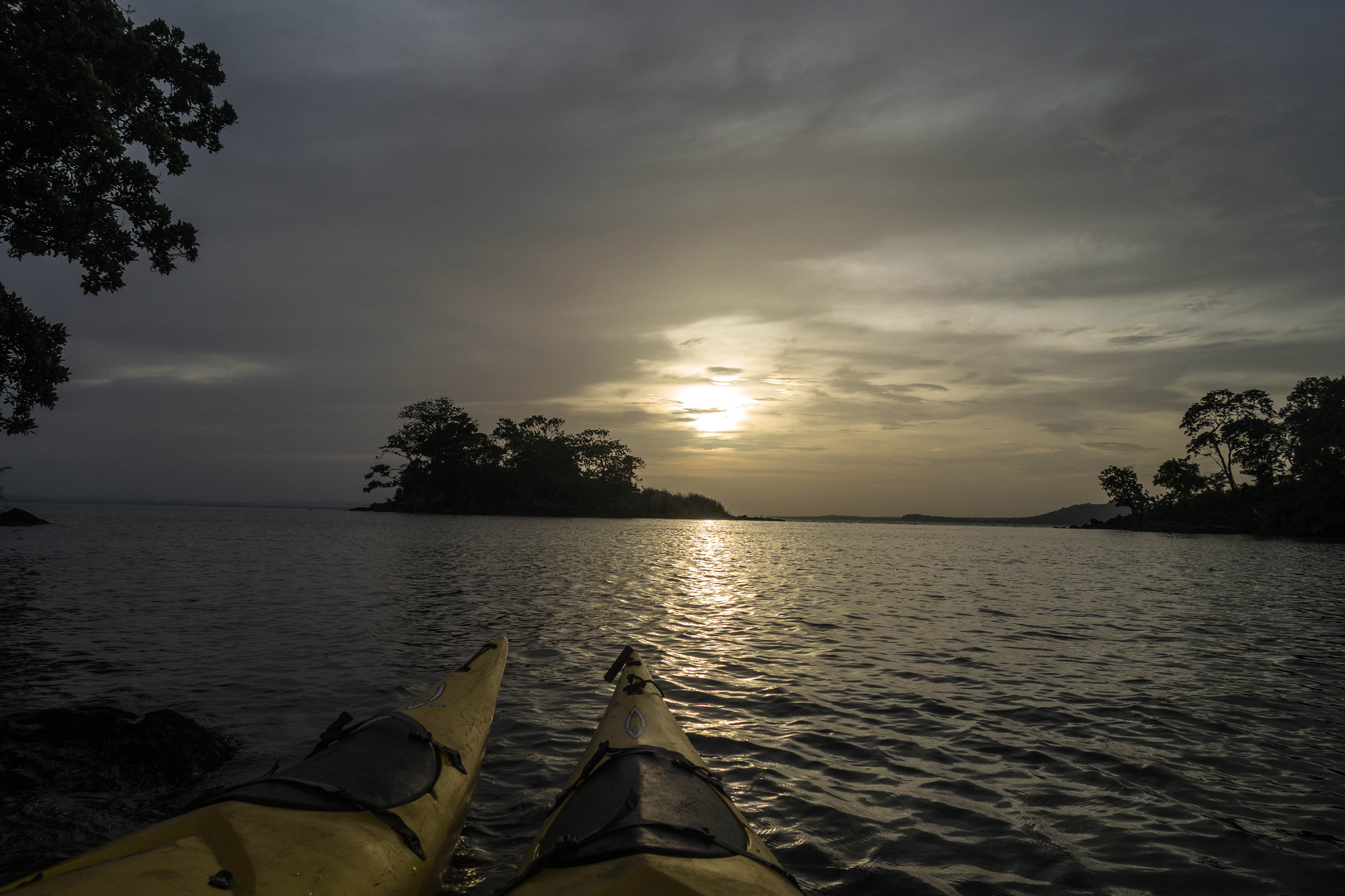
New and veteran residents enjoy Nicaragua’s rivers and coastline for adventure and relaxation.
Banking, Taxes, and Life After You Get Residency in Nicaragua
One of the biggest advantages of residency is access to local systems that make daily life easier. With legal status, you can:
- Open a Nicaraguan bank account
- Sign long-term rental agreements
- Access local services more easily
From a tax perspective, Nicaragua generally operates on a territorial tax system, meaning foreign income may not be taxed locally—but it’s always wise to confirm your obligations based on your home country.
From Temporary to Permanent: Advancing Your Residency in Nicaragua
Many expats start with temporary residency and later transition to permanent residency. This step typically provides:
- Greater long-term security
- Fewer renewal requirements
- More flexibility with work and business activities
For those serious about building a life abroad, moving from temporary to permanent status is a natural progression after meeting the required time thresholds.
How Residency in Nicaragua Compares to Citizenship
Residency allows you to live in Nicaragua legally, but it’s different from citizenship. Citizenship may offer additional benefits like voting rights and a passport, but it usually requires:
- Several years of continuous residency
- Demonstrated ties to the country
- Additional legal steps
For most expats, residency alone provides everything needed to enjoy a stable, low-cost lifestyle without pursuing full citizenship.
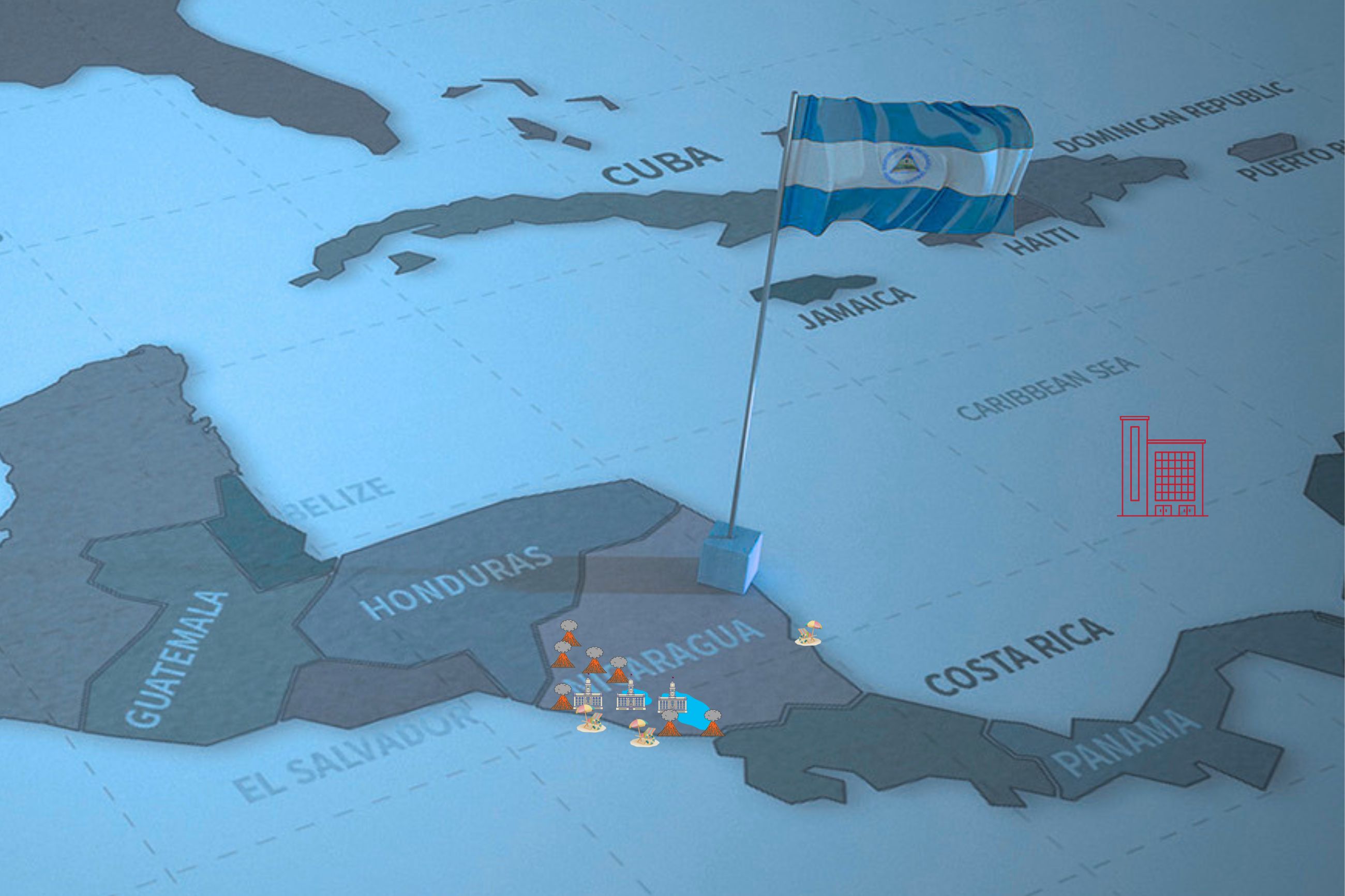
Key Nicaraguan locations for expats and visitors, including urban, coastal, and volcanic areas.
Tips for a Smooth Transition After Getting Residency in Nicaragua
Once you understand how to get residency in Nicaragua, the next step is making your transition as smooth as possible. The paperwork is only one part of the process—adapting to daily life is where the real experience begins.
Start Simple and Stay Flexible
Many people arrive with expectations shaped by Western systems—and that’s where frustration starts. Nicaragua operates differently. Things can be slower, less predictable, and more relationship-based.
If you approach the move with flexibility and patience, you’ll adjust faster and avoid unnecessary stress while living in Nicaragua legally.
Secure Housing Before You Commit Long-Term
Before signing a long-term lease or buying property in Nicaragua, spend time in different areas. What works for a short stay may not suit your lifestyle long-term.
Start with:
- Short-term rentals
- Exploring neighborhoods
- Talking to locals and expats
If you’re still exploring your options, take a look at our guide to help you decide where to live in Nicaragua.
Cost of Living After You Get Residency in Nicaragua
While Nicaragua is known for affordability, your actual expenses depend heavily on your lifestyle, location, and expectations. Imported goods, private healthcare, and certain services can add up quickly.
Having residency helps you stabilize your costs and settle into a more predictable routine, especially if your goal is a low cost of living in Nicaragua.
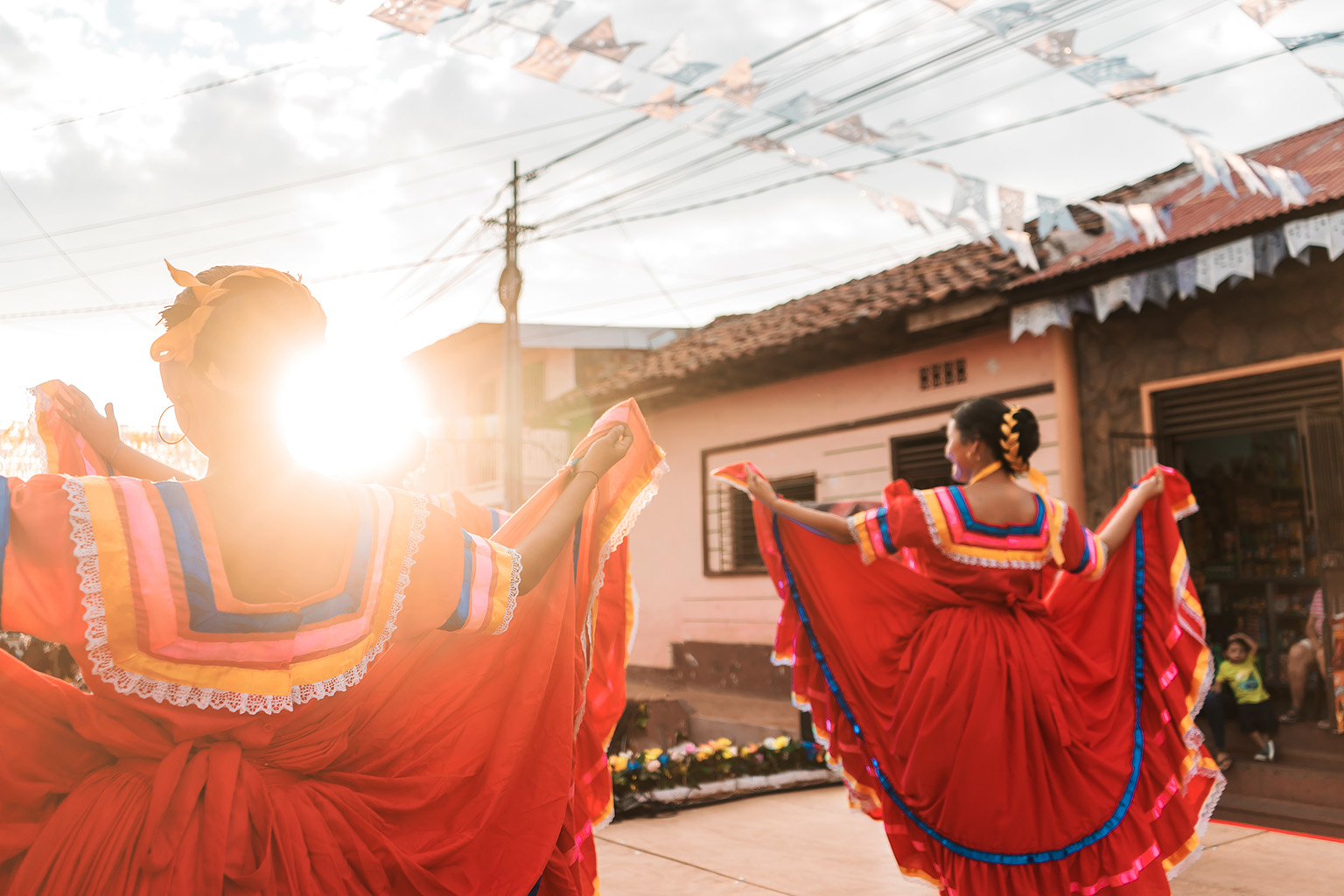
Experience Nicaragua’s vibrant culture through music, dance, and local festivals
Get Comfortable With the Healthcare System
Healthcare in Nicaragua is accessible and affordable, but it may differ from what you’re used to. Many expats choose a mix of:
- Local clinics for routine care
- Private hospitals for more serious needs
- International insurance for added security
Understanding your options early will make living in Nicaragua legally much more comfortable and sustainable.
Learn Basic Spanish (Even If You Don’t Plan To)
You don’t need to be fluent, but basic Spanish will make a significant difference in your day-to-day life. It helps with:
- Navigating bureaucracy
- Building relationships
- Solving problems quickly
Relying entirely on English can limit your experience and make the transition harder than it needs to be.
Build Local Connections
One of the fastest ways to settle in is by building relationships—both with locals and other expats. Nicaragua is a relationship-driven culture, and having a local network can help you:
- Navigate systems more easily
- Find better housing opportunities
- Get trusted recommendations
This becomes especially valuable after completing the process of how to get residency in Nicaragua, when you’re transitioning into daily life.
Should You Hire Help to Get Residency in Nicaragua?
Even if you understand how to get residency in Nicaragua, the reality on the ground can be different from what you expect. Paperwork requirements, local procedures, and timelines don’t always follow a predictable path.
Working with a local lawyer or residency service can make your transition significantly smoother, especially in the early stages of living in Nicaragua legally.
They can help you:
- Navigate changing or unclear Nicaragua residency requirements
- Double-check that your documents are fully prepared, apostilled, translated, and submitted correctly
- Communicate with local officials if you don’t speak Spanish
- Avoid delays that come from simple administrative mistakes
That said, not everyone needs professional help. If you’re comfortable handling paperwork, speak some Spanish, and have time to manage the process yourself, you can absolutely go the DIY route. But if your priority is efficiency, clarity, and reducing friction, using a professional can be a worthwhile investment—especially when you’re trying to establish a stable, low-cost lifestyle in Nicaragua without unnecessary setbacks.
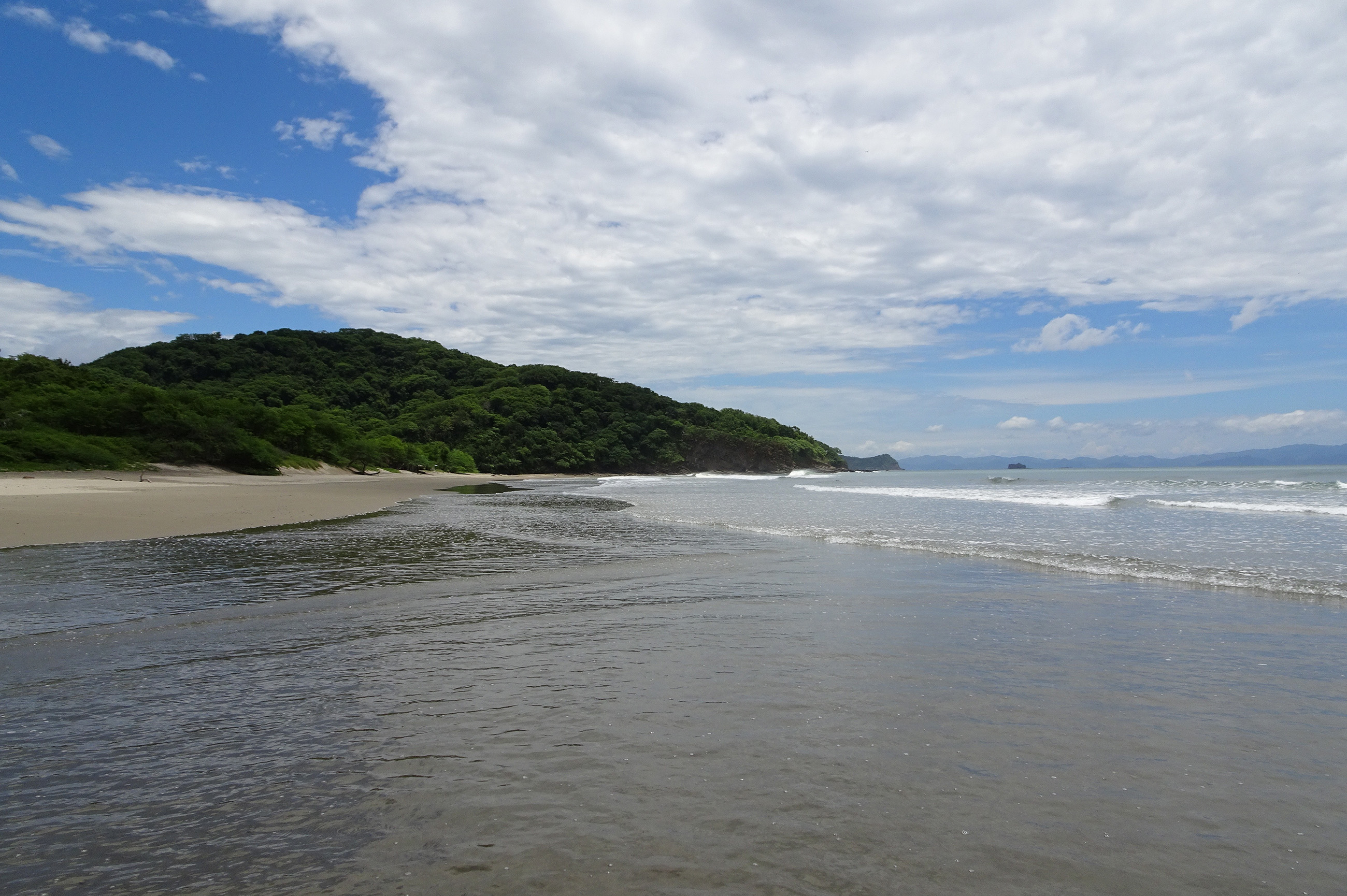
San Juan del Sur offers stunning beaches perfect for relaxation and adventure.
FAQs: How to Get Residency in Nicaragua
What are the requirements to get residency in Nicaragua?
The main Nicaragua residency requirements include a valid passport, apostilled birth certificate, police clearance, proof of income (pension, investment, or remote income), and a medical certificate. All documents typically need to be translated into Spanish and properly authenticated before submission.
How to get residency in Nicaragua as a retiree?
If you’re a retiree, the most common path is the Pensionado visa. To qualify, you’ll need to show a stable monthly pension that meets the minimum requirement. This option is one of the simplest ways to get residency in Nicaragua and is popular for those seeking a low-cost lifestyle in Nicaragua.
Can digital nomads get residency in Nicaragua?
Yes, digital nomads can apply through the Rentista visa, which requires proof of consistent income from outside Nicaragua. This allows remote workers to live in Nicaragua legally while continuing to work for international clients or businesses.
How long does it take to get residency in Nicaragua?
The timeline typically ranges from 3 to 6 months, depending on your visa type and how complete your documentation is. Delays often occur when applicants don’t fully meet Nicaragua residency requirements or submit incomplete paperwork.
What documents are needed for Nicaragua residency?
The core documents needed for Nicaragua residency include:
• Passport and copies
• Apostilled birth certificate
• Apostilled police clearance
• Proof of income
• Medical certificate
• Passport photos
Having these prepared correctly is essential to avoid delays in the process.
How much does it cost to get residency in Nicaragua?
Costs vary depending on the visa type and whether you use a lawyer, but generally include:
• Government application fees
• Document authentication and translation
• Legal or residency service fees (optional)
Overall, Nicaragua remains one of the more affordable countries when considering how to get residency in Nicaragua.
Can you work with residency in Nicaragua?
Some residency types, such as investor or permanent residency, allow you to work or run a business locally. Others, like the Pensionado or Rentista visa, are designed for those with income from outside Nicaragua. Always confirm your rights before working to ensure you’re living in Nicaragua legally.
Is it better to use a lawyer to get residency in Nicaragua?
Using a lawyer isn’t required, but it can simplify the process. A professional can help ensure your documents meet all Nicaragua residency requirements and reduce the risk of delays. Many expats choose this option for convenience and peace of mind.
Final Thoughts on How to Get Residency in Nicaragua
By now, you should have a clear understanding of how to get residency in Nicaragua and what it takes to make the move legally and successfully. From choosing the right visa to preparing your documents and navigating the application process, Nicaragua offers one of the more accessible pathways for those looking to build a life abroad.
But this decision goes beyond paperwork. With rising costs, uncertainty, and increasing pressure in many Western countries, more people are realizing the importance of having options. Securing residency is not just about relocation—it’s about creating flexibility, protecting your lifestyle, and giving yourself the freedom to choose where and how you live.
For retirees, remote professionals, and investors, living in Nicaragua legally opens the door to a simpler, more affordable way of life. Whether your goal is to stretch your income, slow down your pace, or explore new opportunities, Nicaragua provides a practical and realistic alternative.
If you’re seriously considering making the move, your next step is to explore where you actually want to live. Residency gives you the legal foundation—but location determines your day-to-day experience.
Not sure if Nicaragua is your best option? Explore your eligibility across the region with our Latin America Residency Map and discover which countries offer the easiest path to residency.