

11 min read
Nicaragua draws expats for different reasons—lower living costs, a slower pace of life, and the chance to build something more independent. But once you look beyond the surface, a clear pattern emerges: most expats don’t scatter across the country—they settle in a few practical locations. Understanding where expats live in Nicaragua—and why—can actually make the difference between a smooth transition and a frustrating one.
……………………………..
Nicaragua attracts expats looking for lower costs, more freedom, and a different pace of life. But there’s a disconnect between perception and reality. Many people expect expats to be spread across the country in search of quiet towns, and untouched landscapes.
In reality, expats living in Nicaragua cluster in only a small number of locations.
These areas aren’t necessarily the most beautiful or undiscovered—they’re the most practical. Access to healthcare, reliable internet, community, and day-to-day logistics plays a bigger role than most realize.
Understanding where expats live in Nicaragua—and the reasons behind these patterns—can help you avoid common mistakes and choose a location that actually works for long-term living. If you’re still exploring your options, take a look at the Best Places to Live in Nicaragua for Expats for a broader comparison across the country.
In this post, we break down where expats actually live in Nicaragua—and why most assumptions are wrong.
Table of Contents
Where Expats Live in Nicaragua (Quick Breakdown)
Understanding the main areas where expats live in Nicaragua shows that settlement centers on four primary locations:
- Granada — the most established expat base
- San Juan del Sur (including nearby Tola and Popoyo areas) — focused on beach and social lifestyle
- León — a smaller, more independent presence
- Corn Islands — a niche option for low-density, off-grid living
- Managua – the capital of Nicaragua, is a sprawling, decentralized city that serves as the nation’s political and economic hub
Other regions attract far fewer long-term expats than online discussions might suggest.
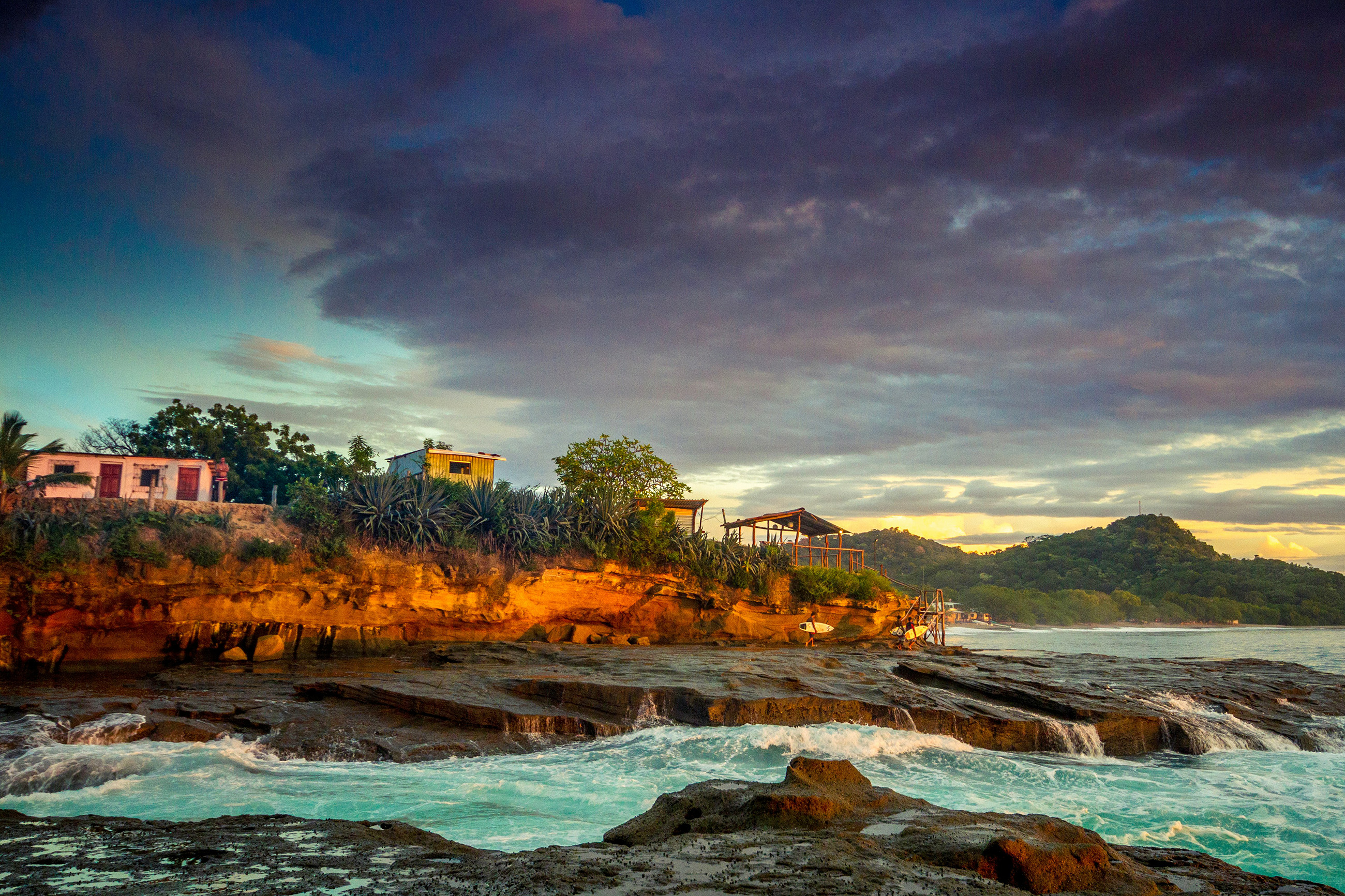
Cliffside living on Nicaragua’s Pacific coast near San Juan del Sur.
Why Expats Cluster in Specific Locations in Nicaragua
Nicaragua remains one of the more affordable countries in Central America, with cost comparisons supported by data from Numbeo.
New arrivals frequently plan to discover a unique, uncrowded spot. Over time, however, many relocate to the main areas where expats live in Nicaragua due to recurring practical needs.
Healthcare access represents a key factor. Reliable private clinics and specialists are concentrated in major hubs, as outlined by the World Health Organization overview of healthcare systems in Nicaragua. Outside these zones, options become limited, often requiring travel for routine or specialized care. Public facilities exist nationwide, but expats commonly prefer private providers for quality and speed.
Reliable internet is another significant consideration, particularly for those working remotely. Connectivity improvements are ongoing, but coverage and reliability still vary significantly, according to data from Speedtest Global Index. And while connectivity has improved, consistent high-speed service remains more dependable in urban and tourist-oriented hubs. Remote or island locations frequently experience interruptions that affect productivity.
Community support also influences decisions. Informal networks—primarily through WhatsApp groups and Facebook pages—offer recommendations, local knowledge, and assistance during the adjustment period. These resources are more readily available in areas with higher expat density.
Logistics further shape daily life. Tasks such as banking, transportation, utility management, and residency processing tend to proceed more efficiently in locations with established expat activity.
Additional guidance on navigating the residency process, including current requirements and common challenges, is available in the post on how to get residency in Nicaragua.
If you want to better understand how residency pathways align with different locations, download our free Latin America Residency Map.
Characteristics of Where Expats Live in Nicaragua
Expat communities in Nicaragua aren’t what most people expect. They are generally small and informal compared to those in neighboring countries such as Mexico or Costa Rica.
Connections form through digital channels (WhatsApp groups, Facebook communities) and occasional in-person meetups rather than formal organizations. Groups typically include a mix of long-term residents, retirees, remote workers, and shorter-term visitors.
This informal structure offers flexibility and a lower level of institutionalization, which appeals to many. At the same time, it requires greater individual initiative to build local support.
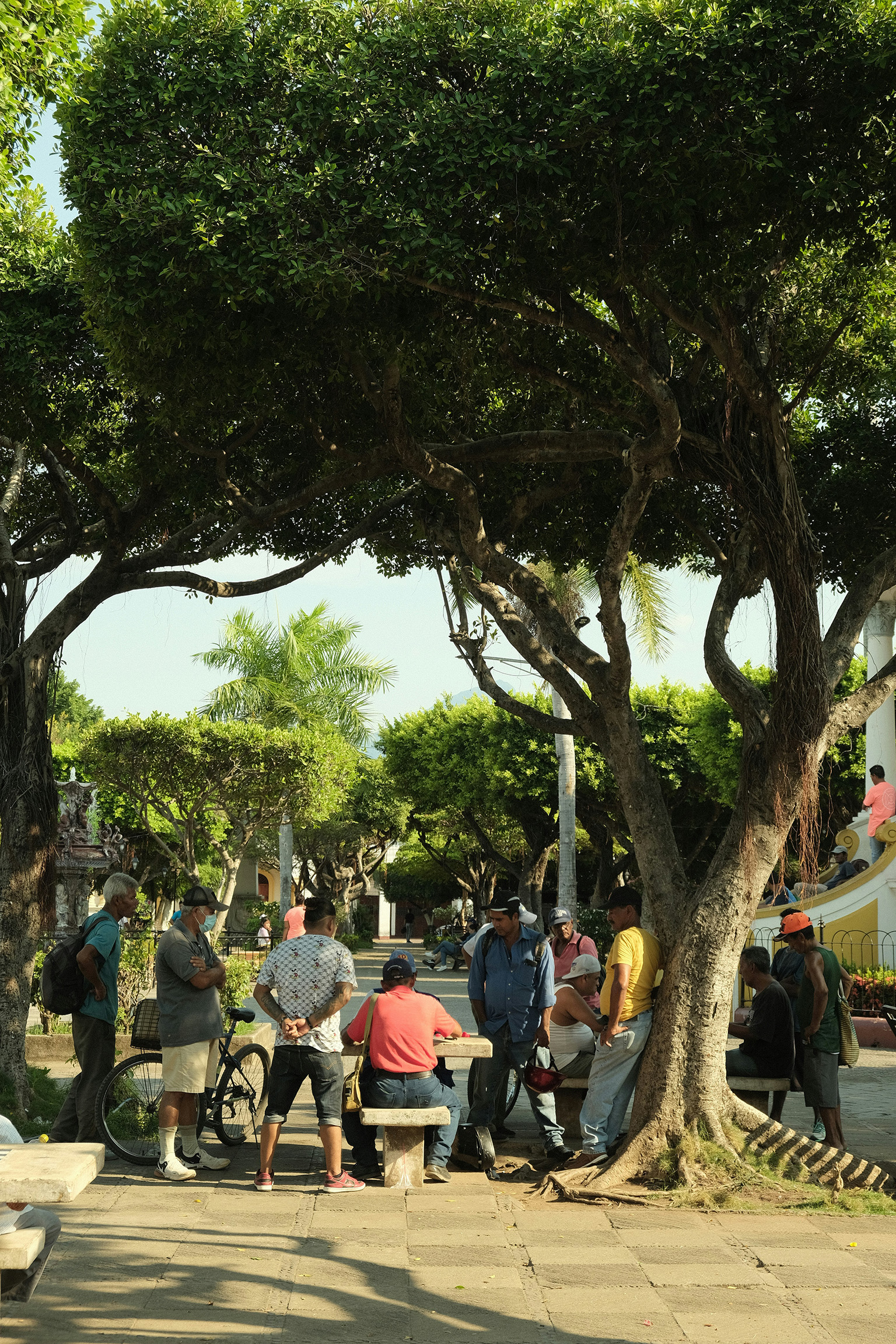
Street life plays a central role in the historic neighborhoods in Granada.
The Main Areas Where Expats Live in Nicaragua
The primary locations where expats live in Nicaragua share common practical advantages, yet each offers a distinct profile suited to different preferences and needs.
Granada – Where Expats Live in Nicaragua’s Most Established Hub
Granada remains one of the most consistent answers to the question of where expats live in Nicaragua. It serves as the most developed and predictable hub for long-term expat living in Nicaragua. The colonial historic center, particularly around Parque Central, Calle La Calzada, and nearby neighborhoods such as Xalteva and Reparto San Juan, attracts residents seeking walkability combined with access to services.
What Defines It: Granada stands out for its relatively mature expat infrastructure, reliable services by Nicaraguan standards, and a balanced mix of colonial charm and practical amenities. It functions as a stable base with an established, though not overwhelming, expat presence.
Pros:
- Proximity to private healthcare facilities and specialists
- More dependable infrastructure, including better internet options
- Very walkable with restaurants, cultural sites, and lakeside access
- Suitable support networks for retirees and families
Cons:
- Persistent high heat and humidity throughout the year
- Noticeable tourist activity in central zones
- Moderately higher cost of living compared to less central areas
Best For: Granada is best suited for expats who prioritize stability, convenience, and a balanced lifestyle without extreme isolation or intense social demands. For more specific neighborhood recommendations, see the guide Neighborhoods in Granada.
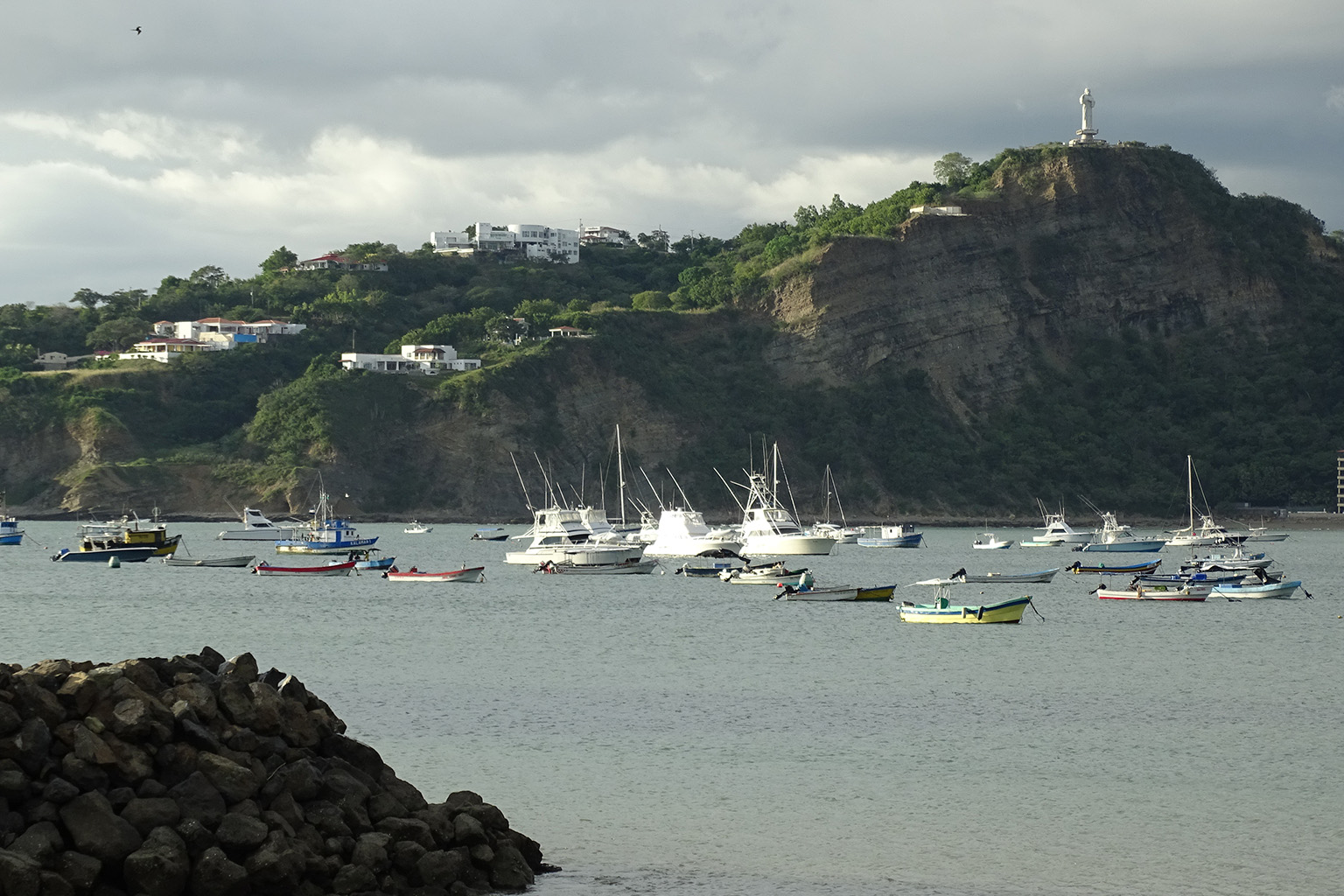
The peaceful harbor of San Juan del Sur.
San Juan del Sur – Where Beach-Lifestyle Expats Live in Nicaragua
San Juan del Sur and the surrounding coastal areas form one of the key places where expats live in Nicaragua for beach-oriented and socially active lifestyles.
What Defines It: This region is characterized by its Pacific coastline, surf culture, and more transient, lifestyle-driven atmosphere. It attracts a younger and more socially oriented mix of expats and digital nomads, with greater use of English in daily interactions.
Pros:
- Direct access to beaches, water activities, and outdoor lifestyle
- Active social environment and easier opportunities to meet people
- Better connectivity and services than more remote coastal locations
- Vibrant mix of tourism and expat activity
Cons:
- Seasonal fluctuations in population and activity levels
- Higher costs for housing and daily expenses in popular zones
- Reputation linked to tourism and nightlife, which can feel less settled for long-term residents
Best For: San Juan del Sur and nearby areas are best suited for expats seeking coastal living, social engagement, and a dynamic beach lifestyle. Detailed neighborhood options in this area are covered in the living in San Juan Del Sur guide.
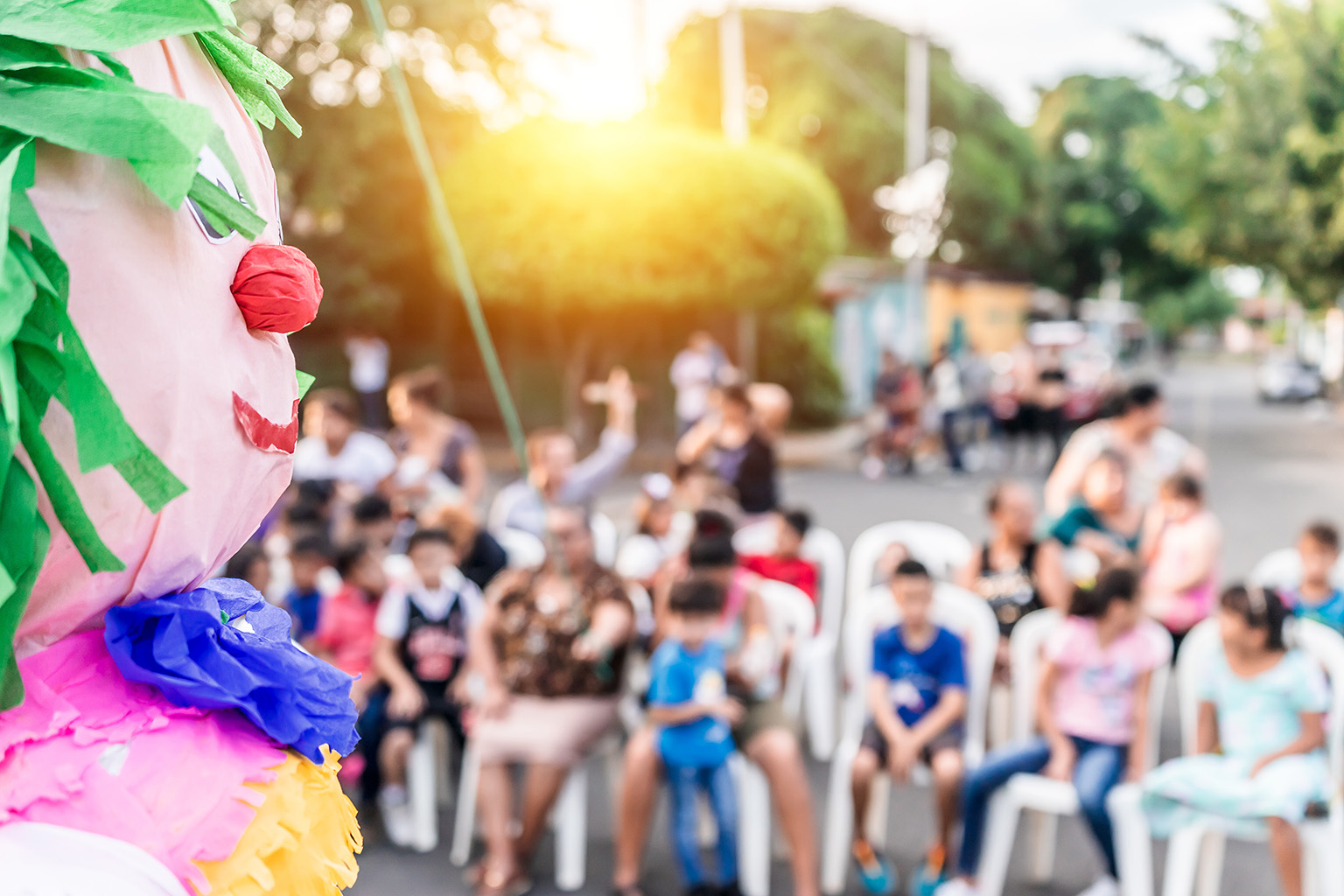
Community celebrations are common across Nicaragua.
León – A Smaller Area Where Expats Live in Nicaragua
León maintains a lower-profile expat community with stronger emphasis on local integration.
What Defines It: The city features a lively university atmosphere, colonial architecture, and more affordable day-to-day living. It offers closer proximity to authentic Nicaraguan daily life and nearby beaches such as Las Peñitas, while keeping a smaller expat footprint.
Pros:
- Lower overall cost of living
- Greater cultural immersion and interaction with local residents
- Dynamic university environment that adds energy without heavy tourism
- Reduced commercial polish compared to more established hubs
Cons:
- Consistently hot climate with limited relief
- Smaller and less developed expat support networks
- Infrastructure and services that feel less refined in certain aspects
Best For: León is best suited for independent expats who value cultural authenticity, lower costs, and a setting that requires less reliance on dedicated expat infrastructure. For a direct comparison between León and Granada, refer to the León vs Granada Nicaragua 2026 guide.
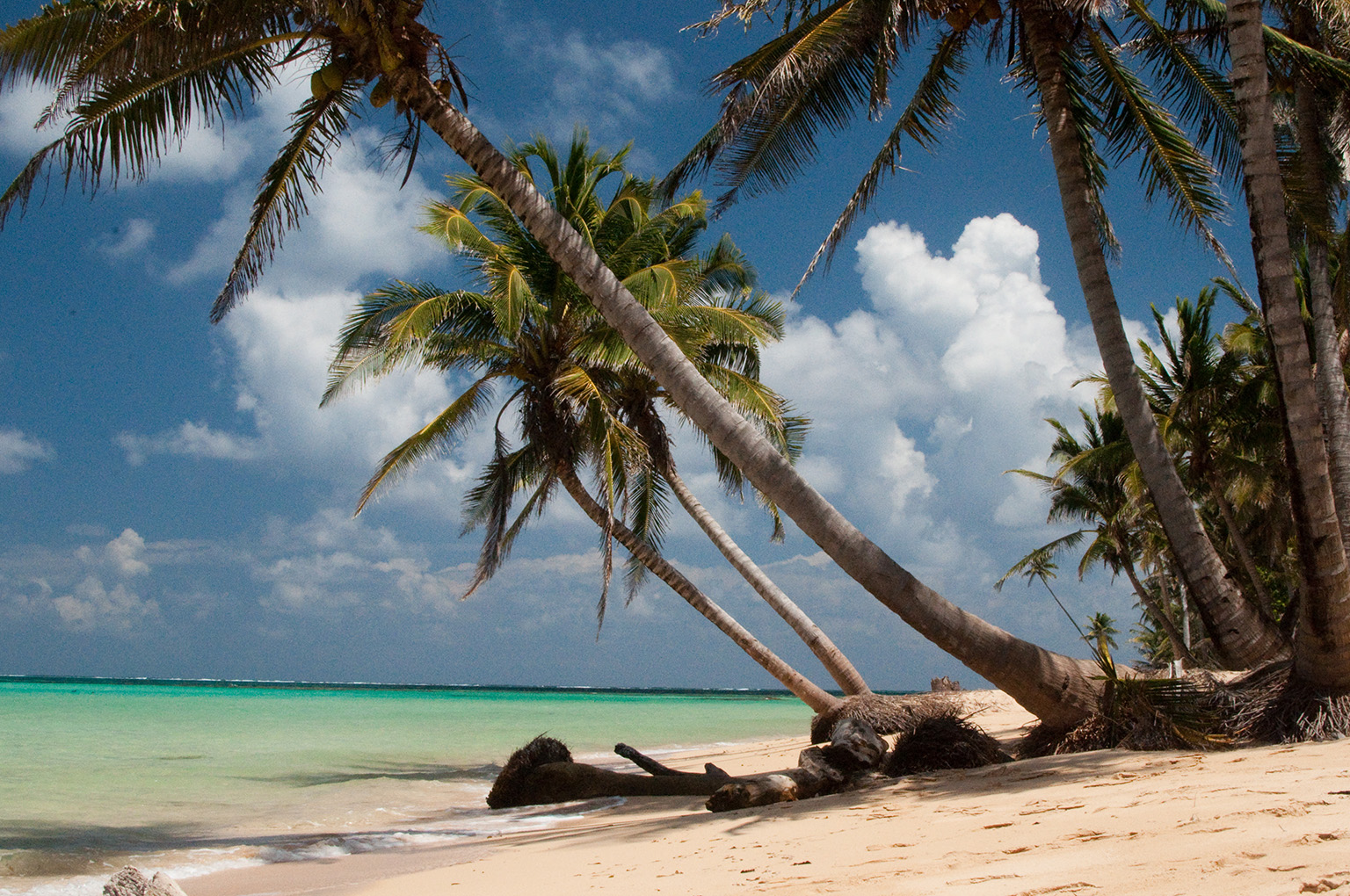
Peaceful Otto Beach, Little Corn Island.
Corn Islands – A Niche Option for Where Expats Live in Nicaragua
The Corn Islands (Big Corn and Little Corn) represent a specialized, low-density choice for expat living.
What Defines It: These Caribbean islands emphasize isolation, natural beauty, and a simplified, slower pace of life. Infrastructure is intentionally minimal, aligning with preferences for off-grid or semi-off-grid living.
Pros:
- Exceptional natural scenery and Caribbean marine environment
- Relaxed atmosphere removed from mainland routines
- Opportunity for a true escape with limited external influences
- Tight-knit but small expat community for those seeking minimal social demands
Cons:
- Severely limited healthcare and emergency services
- Logistical challenges with supplies, transportation (ferry or flight), and utilities
- Inconsistent internet that restricts reliable remote work
- Higher costs and difficulties for everyday provisioning
Best For: The Corn Islands are best suited for individuals who prioritize natural surroundings, simplicity, and autonomy while accepting significant trade-offs in convenience and services. For practical insights into digital nomads in this area, read the practical guide for remote work in the Corn Islands.
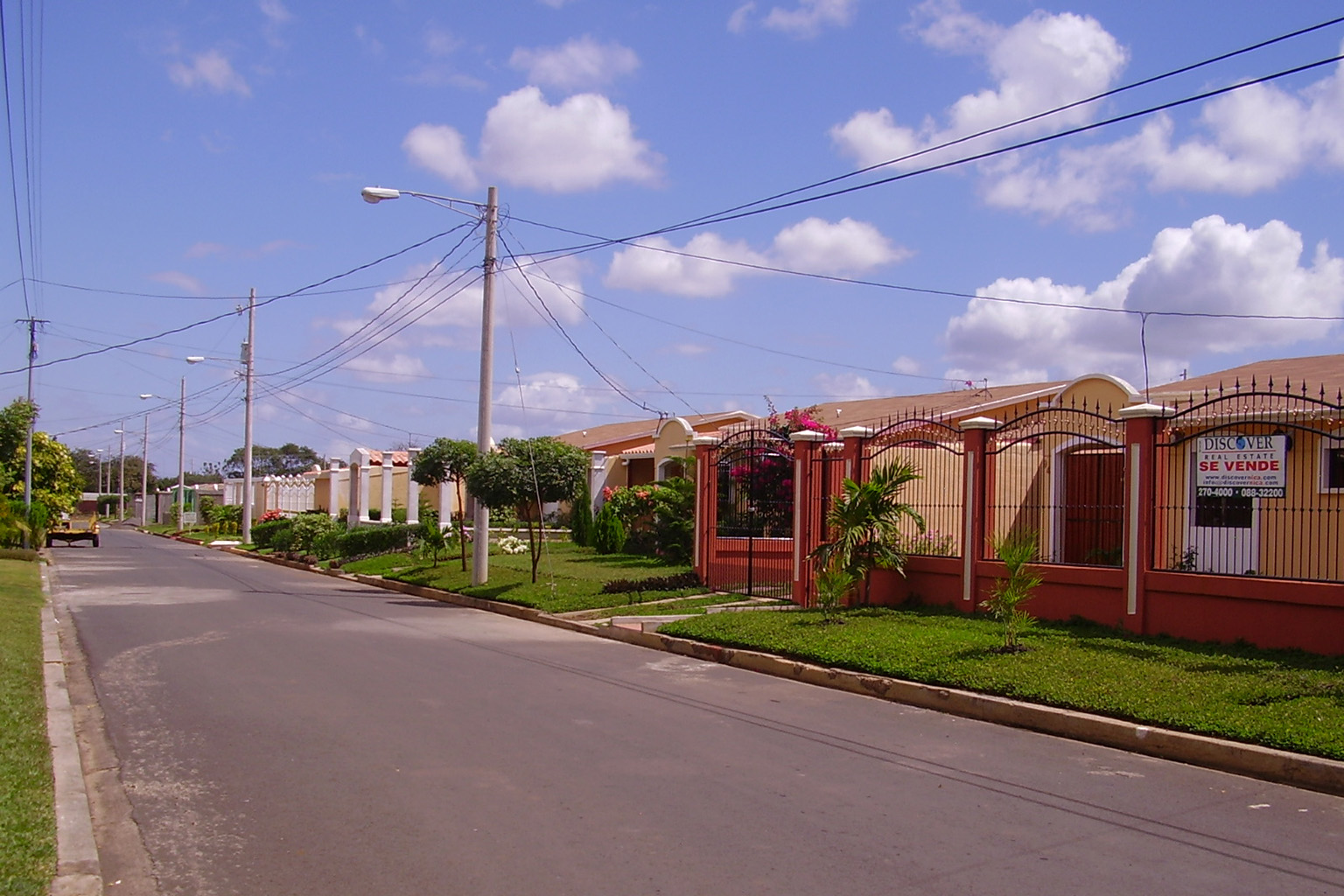
Daily life in a Managua suburb.
Managua – A Practical City Where Expats Live in Nicaragua
Managua serves as a practical urban alternative when prioritizing access to modern amenities and infrastructure over colonial charm or beach settings.
What Defines It: As the capital and largest city, Managua offers the widest range of services, including international-standard healthcare, shopping centers, reliable utilities, and business facilities. Expats tend to concentrate in safer, upscale neighborhoods such as Los Robles, Altamira, or Galerías Santo Domingo rather than the historic center. The city functions more as a logistical and administrative base than a lifestyle destination.
Pros:
- Best overall access to private hospitals, specialists, and emergency services
- Most reliable high-speed internet and modern utilities
- Extensive banking, government offices, and residency processing support
- Greater variety of international goods, airports, and transportation links
Cons:
- Urban traffic, noise, and pollution in many districts
- Less colonial or natural appeal compared to other hubs
- Safety concerns require careful neighborhood selection
- Can feel impersonal and less relaxed than smaller cities or coastal areas
Best For: Managua is best suited for expats who need strong infrastructure, professional services, or convenient access to government offices and international connections, particularly those on shorter assignments or who value urban convenience over scenic or community-oriented living.

Quiet moments in León’s historic center.
Places That Look Good on Paper (But Aren’t Where Expats Live in Nicaragua Long-Term)
Certain locations attract significant initial interest due to their appeal in travel content and short visits. However, they experience higher turnover among expats seeking sustainable long-term settlement.
Inland Rural Towns: These areas offer exceptionally low living costs and a high degree of seclusion. Nevertheless, pronounced isolation, limited access to services, and the demands of daily logistics often lead to fatigue over time.
Northern Highlands (Matagalpa, Estelí, Jinotega): The cooler, spring-like climate, and scenic green landscapes, including coffee-growing regions, represent major draws for many newcomers. Yet infrastructure remains relatively limited, healthcare access requires more planning, and expat networks are thin. As a result, a substantial portion of those who initially settle in these areas eventually relocate to hubs with better support systems.
Ometepe Island: The island’s volcanic landscapes, lake views, and relaxed atmosphere create a compelling short-term experience that resonates with many visitors. In practice, however, reliance on ferry schedules, inconsistent utilities, and more restricted daily conveniences make sustained living more challenging than anticipated.
The consistent pattern across these locations is that they perform well for vacations or temporary experimentation. Expats prioritizing long-term sustainability and reduced friction tend to gravitate back toward the main hubs.
Comparison of Where Expats Live in Nicaragua vs. Less Common Areas
This table highlights the real differences in the main areas where expats live in Nicaragua:
| Factor | Expat Hubs | Non-Expat / More Remote Areas |
| Internet | Generally, more reliable, with fiber options in central zones | Frequently inconsistent or limited |
| Healthcare | Private clinics and specialists accessible | Restricted; often requires travel |
| Community Networks | Informal groups and digital channels available | Sparse or absent |
| Cost of Living | Moderately higher | Significantly lower |
| Logistics (banking, transport, utilities) | Streamlined | Greater friction and planning required |
| Overall Lifestyle | Balanced convenience and amenities | Higher independence with increased isolation |
For detailed city-by-city cost comparisons, see the cost of living in Nicaragua (2026) to compare and find your best budget.

Nicaragua’s lively social scene.
Core Realities of Where Expats Live in Nicaragua
Where expats live in Nicaragua isn’t random—it’s shaped by real constraints. Communities remain smaller and less formalized than in more developed expat destinations. Trade-offs between cost, convenience, and lifestyle are inherent.
Success depends on alignment between location characteristics and individual priorities, including tolerance for variable infrastructure and willingness to adapt.
Deciding Where to Live in Nicaragua as an Expat
Established hubs facilitate smoother initial transitions through better service access and support networks. They reduce the frequency of logistical obstacles.
More independent or remote choices enable deeper local immersion, lower expenses, and reduced external influences, but they demand greater self-reliance. Many expats begin in a main hub to establish routines and residency, then evaluate longer-term preferences based on direct experience.
Final Thoughts on Where Expats Live in Nicaragua
Ultimately, where expats live in Nicaragua isn’t random—it’s shaped by real-world factors like healthcare access, internet reliability, community, and daily logistics. The right location depends on how much convenience you’re willing to trade for independence.
Some will thrive in established hubs like Granada or San Juan del Sur, while others may prefer a more isolated, self-reliant lifestyle. The key is testing your assumptions before committing.
Before committing to a specific location, consider downloading the free Latin America Residency Map — it helps align your choice of where expats live in Nicaragua with the most suitable residency route available in the region.
Thanks to the people who took these images that help bring this guide to life!
• Residential houses in Managua: Oliverhenriquez, CC BY 3.0, via Wikimedia Commons
• Little Corn Island Bay: INTUR Corn Island, CC BY-SA 4.0, via Wikimedia Commons
• Houses on cliff with boats in water: Adam Jones from Kelowna, BC, Canada, CC BY-SA 2.0, via Wikimedia Commons