

17 min read
With its colonial charm, warm climate, and tight-knit communities, Granada is a top choice for expats and remote workers in Central America. Exploring the neighborhoods in Granada lets you experience the city’s rich culture, colorful streets, and lakeside views while finding the ideal community for your life abroad.
……………………………..
Table of Contents
How Choosing the Right Neighborhoods in Granada Shapes Your Expat Life
The neighborhoods you choose in Granada play a huge role in your day-to-day experience—affecting affordability, walkability, safety, and access to essential services. When you’re living in Nicaragua you’ll find that each area has its own personality: some are lively and central, full of cafés, markets, and expat activity, while others are quieter, more residential, and budget-friendly.
For families, safety and proximity to schools and parks are often top priorities. Remote workers look for reliable internet and a calm environment to focus. Budget-conscious expats balance cost with convenience, often choosing suburban or quieter neighborhoods.
This guide breaks down the main neighborhoods in Granada, helping you match each area’s vibe and amenities to the lifestyle you want. If you’re still weighing the bigger picture, Living in Latin America: Discover 10 Advantages provides useful context on why cities like Granada appeal to expats before you make a relocation decision.
Granada Neighborhoods Overview: Where to Live as an Expat
Granada may be compact, but its neighborhoods each have a unique personality and pace.
Centro Histórico buzzes with colonial charm, cafés, and walkable streets—ideal for social expats and digital nomads. The Lakefront & Malecón (Las Isletas de Granada) area offers calm lakeside living with scenic views, perfect for retirees or couples. Xalteva & Residential Colonial district blends quiet streets with local culture and walkable conveniences, making it family-friendly. Reparto San Juan and suburban areas provide space and affordability, while the Outskirts & Camino al Volcán deliver privacy and a slower, nature-focused lifestyle.
These neighborhoods in Granada give expats a spectrum of options, from energetic city life to tranquil lakeside and spacious suburban living, helping you picture where you’ll feel most at home.
While colonial city life is incredible, it is smart to explore your options. Read the breakdown of the best places to live in Nicaragua for expats (2026) to find your perfect community match.
Neighborhoods in Granada for expats
Granada Nicaragua neighborhoods map highlighting Centro Histórico, Xalteva, Reparto San Juan, Lakefront/Malecón, and Camino al Volcán, helping expats choose where to live.
Centro Histórico (Historic Center)
Centro Histórico is one of the neighbohoods in Granada most sought-after for expats who want to live within walking distance of the city’s cultural and social attractions. Known for its cobblestone streets, colonial architecture, and vibrant plazas, this neighborhood offers an energetic lifestyle where cafés, restaurants, artisan shops, and historic sites are just steps away.
Sub-Neighborhoods within Centro Histórico:
- Plaza Mayor / Parque Central Area: Granada’s historic core, home to museums, colonial churches, and the majority of tourist attractions.
- Calle La Calzada Corridor: Famous for its lively bars, restaurants, and nightlife, popular among digital nomads.
- Barrio El Centro Norte: A quieter section of Centro with boutique accommodations, local markets, and a mix of long-term expats and locals.
Why Expats Choose Centro Histórico:
- Walkability: Almost everything you need is within a 10–15-minute walk, from cafés to coworking spaces.
- Vibrant Social Scene: Plenty of opportunities to meet other expats, join community events, or enjoy cultural festivals.
- Digital Nomad Friendly: Reliable cafés and some coworking options make it convenient for remote work.
Considerations:
- Higher Rents: Being in the city’s core comes with a price premium.
- Tourist Traffic: Popular spots can be crowded, particularly along Calle La Calzada and around the main plaza.
- Higher Rents: Being in the city’s core comes with a price premium.
- Tourist Traffic: Popular spots can be crowded, particularly along Calle La Calzada and around the main plaza.
Centro Histórico stands out as one of the best neighborhoods in Granada for expats seeking a lively, walkable lifestyle with easy access to amenities, culture, and social connections.
Curious how Granada compares to other Nicaraguan hotspots? Discover where expats settle in Nicaragua to see which area fits your lifestyle.
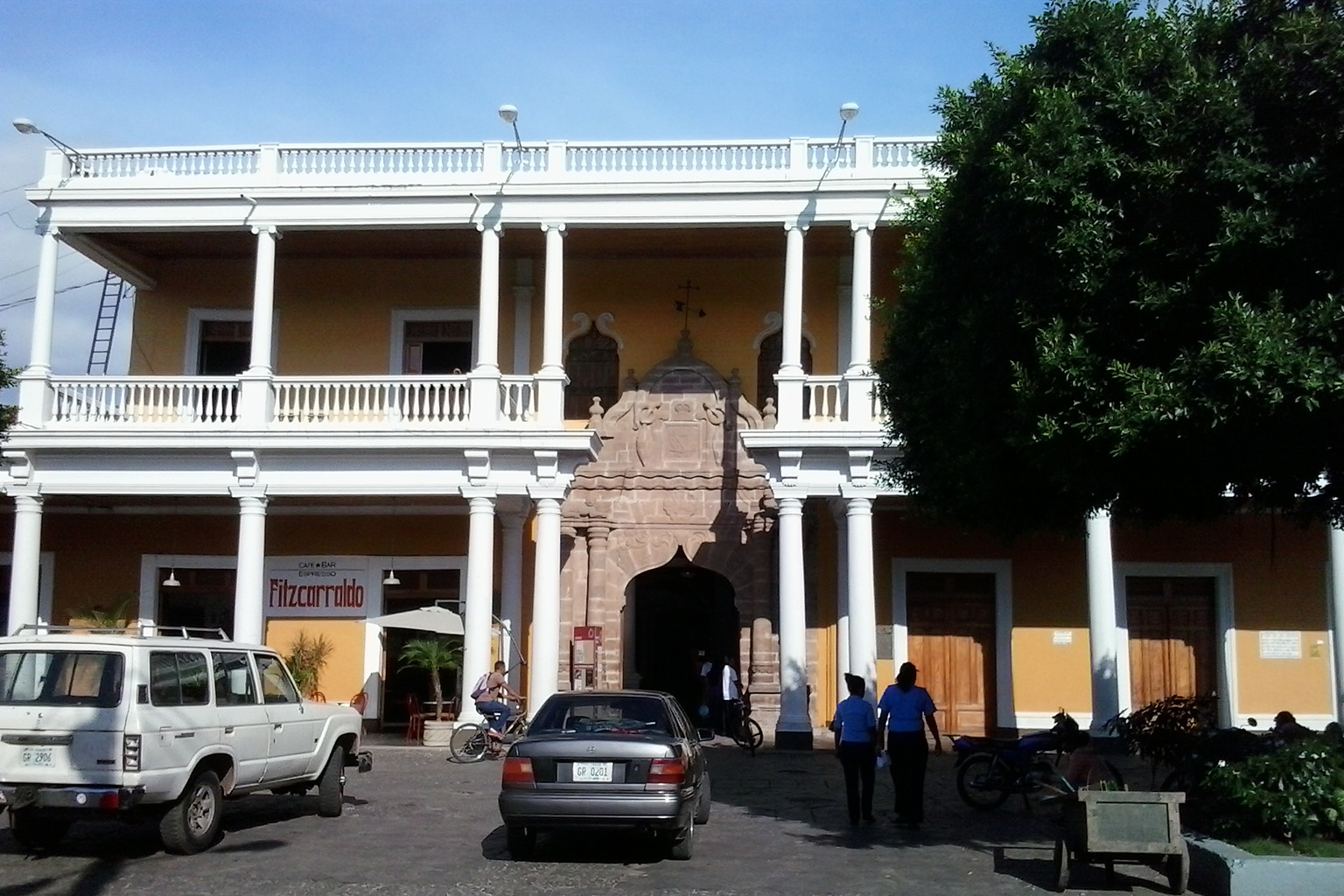
Large colonial homes remain common in Granada’s residential districts.
Xalteva & Residential Colonial District
Xalteva and the surrounding residential colonial neighborhoods in Granada offer one of the best blends of family life, local culture, and architectural charm. Known for its historic homes, quieter atmosphere, and strong community feel, this district attracts families, long-term expats, and anyone seeking a calmer base within walking distance of essential amenities.
Why Expats Choose Xalteva:
- Family-Friendly Environment: Wide, peaceful streets and a strong neighborhood feel make this one of the most reliable family-friendly neighborhoods in Granada.
- Historic Colonial Homes: Restored properties with courtyards, thick adobe walls, and classic colonial design give the area a sense of character without the heavy tourist foot traffic found in Centro Histórico.
- Walkable Daily Life: Residents can easily reach nearby schools, parks, small tiendas, and local markets, making day-to-day living simple and convenient.
- Balanced Community Mix: Xalteva has a healthy blend of locals and long-term expats, offering a more grounded experience than the tourist-heavy parts of the city.
Considerations:
- Limited Nightlife: Those who want bars, events, or late-night energy will still need to head toward Centro Histórico.
- Moderate Rental Prices: Homes here tend to cost more than purely local districts but remain below lakefront or luxury tourist areas.
For families researching Xalteva & the residential colonial or looking for stable, community-oriented living, this district offers a comfortable balance of safety, charm, and practicality—ideal for families or anyone wanting a quieter pace without giving up walkability.
Cost of Living in Centro Histórico & Xalteva
While Centro Histórico and Xalteva feel different day-to-day, rental pricing is largely driven by the same factors—walkability, colonial housing stock, and expat demand—so costs tend to fall within the same range.
- 1-bedroom apartment: $450–$750/month
- 2–3 bedroom colonial home: $700–$1,200/month
- Restored colonial homes with premium finishes: $1,200–$2,000+
- Cost tier: High
Lakefront & Malecón Area (Las Isletas de Granada)
The Lakefront & Malecón area, including the stunning Las Isletas de Granada, is one of the city’s most picturesque neighborhoods. With views of Lake Nicaragua and the small islands dotting the waters, this area offers a slower pace than Centro Histórico, making it popular among retirees, couples, and expats seeking a scenic, relaxing environment.
Why Expats Choose the Lakefront Area:
- Scenic Beauty: Waterfront views and access to lakeside walking paths create a daily sense of tranquility.
- Cafés & Leisure: Several lakeside cafés and restaurants provide opportunities to socialize or work with a view.
- Moderate Tourist Presence: While some areas attract day-trippers or tourists, the vibe remains calmer than the historic center.
Considerations:
- Limited Local Shops: Daily errands may require short trips to nearby markets or Centro Histórico.
- Slightly Higher Cost of Living: The area’s scenic location and tourist appeal contribute to higher rental prices compared with residential neighborhoods further inland.
For digital nomads searching for Granada Nicaragua lakefront neighborhoods or expat-friendly Granada areas, the Lakefront Malecón and Las Isletas offer a unique balance of beauty, calm, and community amenities, making it ideal for those prioritizing lifestyle and relaxation over central-city convenience.
Cost of Living in Lakefront & Malecón Area
Waterfront living commands a lifestyle premium—mostly for views, tranquility, and tourism-driven desirability.
- 1-bedroom apartment/guesthouse: $500–$800/month
- 2–3 bedroom homes with views: $800–$1,400/month
- Isletas private homes: $1,500–$3,000+ (rare, premium, limited supply)
- Cost tier: Higher
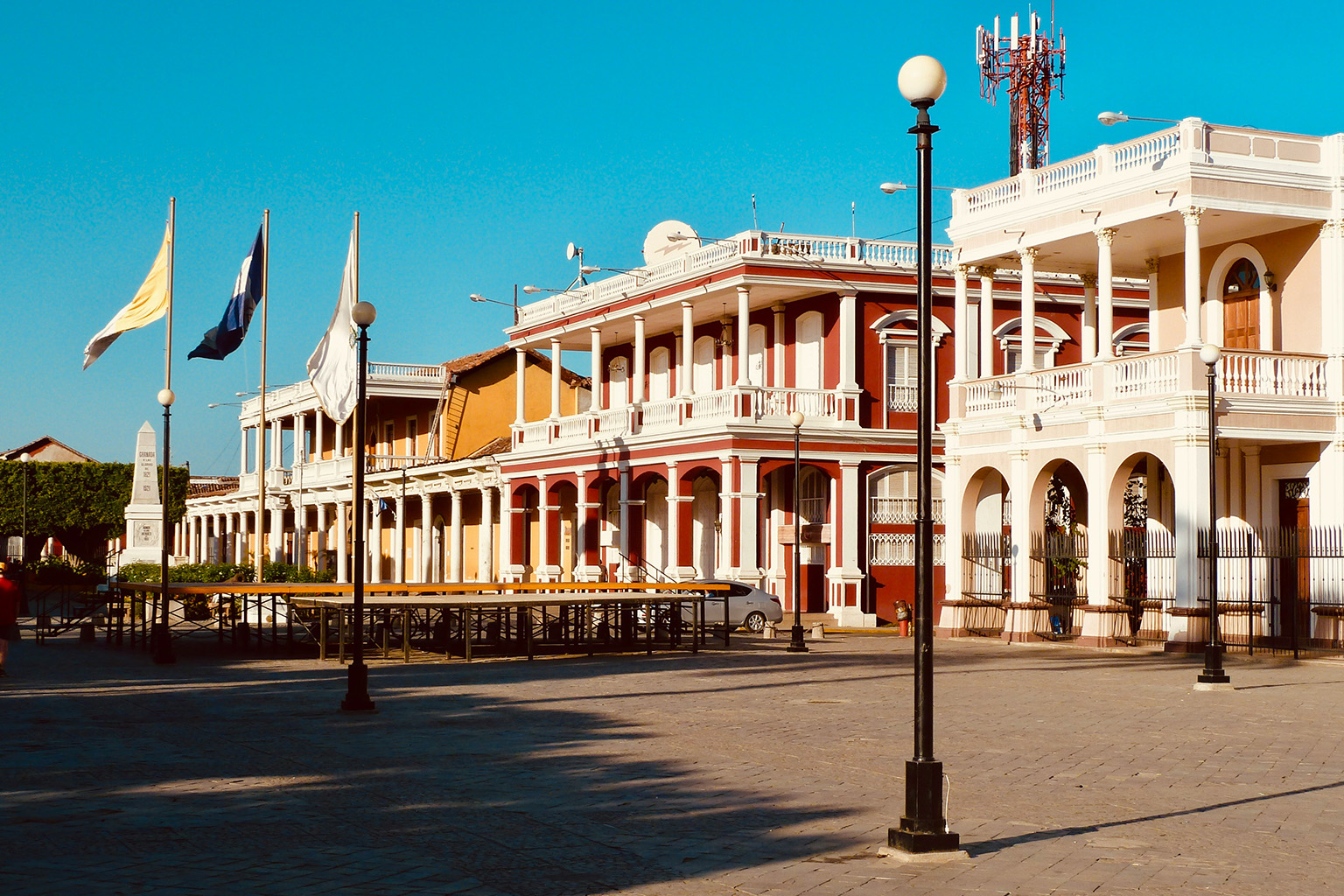
Line of historic colonial buildings with white pillars in Granada’s Town Square.
Reparto San Juan & Suburban Areas
Reparto San Juan and the surrounding suburban pocket neighborhoods in Granada sit just outside the historic core, offering more space, quieter streets, and some of the most affordable homes in the city. These areas attract budget-conscious expats, growing families, and anyone who prefers a calmer environment without being far from the action.
Why Expats Choose Reparto San Juan:
- More Space for the Money: These neighborhoods feature larger homes, bigger yards, and wider streets—ideal for families or expats who want room to spread out.
- Affordable Rent: Compared with Centro Histórico, Xalteva, or lakefront areas, Reparto San Juan delivers some of the most affordable neighborhoods in Granada, making it a popular option for long-term living.
- Quiet, Residential Feel: Suburban pockets around Granada offer a peaceful lifestyle with fewer tourists, less noise, and a grounded local community.
Considerations:
- Car Often Needed: While Granada is a walkable city overall, suburban neighborhoods may require driving for groceries, services, or access to cafés.
- Less Architectural Charm: These areas lean more residential than colonial, which may matter for expats who value Granada’s classic aesthetic.
For expats searching for suburban neighborhoods or looking for more space at a budget-friendly price, Reparto San Juan and nearby districts deliver a relaxed, practical lifestyle—especially for families or remote workers who don’t mind being slightly outside the walkable core.
Cost of Living in Reparto San Juan & Suburban Areas
These neighborhoods offer the best cost-to-space ratio and are popular with families and budget-minded expats.
- 1-bedroom apartment: $300–$500/month
- 2–3 bedroom homes: $450–$750/month
- Larger family homes: $700–$1,000/month
- Cost tier: Medium to Low
Outskirts & Camino al Volcán
The outskirts of Granada, including the Camino al Volcán corridor toward Mombacho, offer a completely different lifestyle from the colonial center. With larger properties, quiet roads, and a growing number of gated communities, this area appeals to long-term expats who prioritize privacy, space, and a slower, more natural pace of living.
Why Expats Choose the Outskirts:
- Privacy & Space: Homes here often sit on larger lots, providing room for gardens, workshops, or guest casitas—ideal for expats who want a more private setup.
- Gated Community Options: Several secure residential developments attract retirees, families, and remote workers seeking a stable, community-oriented environment within reach of town.
- Peaceful & Breezy: The further you move toward Mombacho, the cooler and breezier it gets. This microclimate appeals to those who want tranquility without leaving Granada behind.
Considerations:
- Not Very Walkable: Daily errands typically require a car or moto, and walking to town can be impractical for most residents.
- Fewer Immediate Amenities: Restaurants, shops, and coworking spaces are a short drive away, so it’s not ideal for expats who want everything within a few blocks.
Cost of Living in Outskirts & Camino al Volcán (Wide Range Depending on Property Size)
Prices vary dramatically based on whether you’re renting a simple home or a gated-community property with acreage.
- Simple homes: $350–$600/month
- Larger homes with land: $700–$1,200/month
- Gated communities or luxury builds: $1,200–$2,500+
- Cost tier: Depends
For retires searching for Granada outskirts neighborhoods or exploring gated communities, the Camino al Volcán area delivers quiet comfort, natural beauty, and ample space—perfect for expats settling in for the long haul.
Utilities, Internet & Local Services
Regardless of neighborhood, monthly costs are relatively consistent:
| Expense | Monthly Cost Range |
| Electricity | $40–$120 (higher with AC) |
| Water | $5–$15 |
| High-speed internet | $30–$55 |
| Housekeeping | $15–$20 per visit |
| Gardening / Pool care | $20–$40 per visit |
Cost of living across the neighborhoods in Granada varies more by lifestyle than by fixed boundaries. A modest apartment in central neighborhoods can cost less than a larger home on the outskirts, while lakefront areas consistently command the highest rents in the city.
Is Granada within your budget? It has a unique price tag. Compare local costs with the detailed guide: Cost of Living in Nicaragua (2026).
Safety & Walkability in Granada Neighborhoods
As the table shows, there isn’t a dramatic gap in safety or walkability across the neighborhoods in Granada. By regional standards, these neighborhoods in Granada are generally considered safe, which aligns with the broader patterns explored in Safety in Latin America: 13 Surprising Realities. In practice, differences between neighborhoods usually come down to foot traffic, tourism levels, and whether a car or boat is needed—not day-to-day personal safety concerns.
| Neighborhood / Area | Safety | Walkability | Notes |
| Centro Histórico | Moderate | Excellent | Busy tourist area; pickpocketing possible |
| Xalteva (Residential Colonial District) | High | Very Good | Quiet streets, family-friendly, easy errands |
| Lakefront / Malecón | High | Excellent | Scenic walks, cafés, some weekend crowds |
| Las Isletas (Lakefront Islands) | Moderate | Low | Boat access required; limited night security |
| Reparto San Juan & Suburban Areas | High | Moderate | Larger homes, errands may need a car |
| Outskirts / Camino al Volcán | High | Low | Private, spacious properties; car needed for daily tasks |
Concerned about security? Get the latest on crime rates, local scams, and neighborhood safety in the comprehensive Is Nicaragua Safe in 2026?

Family-friendly neighborhoods in Granada often center around schools and local community spaces.
Schools & Families in Granada Neighborhoods
For expats considering family life in Granada, neighborhood choice directly affects access to education, childcare, parks, and safe streets — as well as healthcare in Nicaragua. Below is a breakdown of verified schools, language programs, learning centers, and family-friendly resources by area, highlighting both local and international options with links where available — so you can plan realistic schooling logistics.
Centro Histórico
Schools & International Options:
- Granada International School: Bilingual/“international-style” primary+kindergarten with smaller class sizes and individual attention.
- Centro Escolar Carlos A. Bravo, Centro Educativo Lumen Christi, Colegio María Auxiliadora: Local primary/elementary schools listed for the area.
Learning & Language Centers:
- Nicas ELE Spanish School: Structured Spanish immersion for kids & adults.
- Spanish School Xpress & Nicaragua Mía Spanish School – Additional local Spanish programs.
Childcare & After-School:
- After-school Spanish classes and tutoring available through language schools or private tutors in Centro Histórico.
- Community enrichment options are often listed through local Facebook groups and expat resources.
Family Features:
Great for families who want walkability, cultural activities, and easy access to parks; less yard space than suburban areas.
Xalteva & Residential Colonial District
Schools & International Options:
- Families here often send children to Granada International School (linked above) due to proximity.
- Local primary and secondary schools are within walking distance or short taxi ride (e.g., schools noted under Centro Histórico listings).
Learning & Language Centers:
- Nicas ELE Spanish School remains a popular choice.
- Spanish School Xpress and other small academies offer tutoring and Spanish immersion.
Family Features:
Quiet, residential feel with easy access to schooling and services—one of the most practical family neighborhoods.
Lakefront / Malecón & Las Isletas
Schools Access:
- No major schools on Las Isletas itself; most families commute to Centro Histórico or Xalteva for regular schooling.
Learning & Language Centers:
- Tutors and Spanish immersion programs in central Granada serve lakeside families.
Childcare & Support:
- Afternoon care often structured through language schools or private arrangements in Centro Histórico.
Family Features:
Scenic and peaceful, but daily school logistics often require transport.
Reparto San Juan & Suburban Areas
Schools & Childcare:
- A cluster of local schools and small educational centers serve these neighborhoods (e.g., Centro Escolar Jesús Amigo, Colegio Sagrado Corazón Teresiano).
- Many families combine neighborhood schools with afternoon tutoring.
Learning & Language Centers:
- Spanish immersion and tutoring are available in nearby commercial zones.
Childcare & Support:
- Spanish immersion and tutoring are available in nearby commercial zones.
Family Features:
More space and calm streets make this area attractive for families, though a car or regular transportation is usually necessary.
Outskirts & Camino al Volcán
School Access:
- Very limited formal schooling on the outskirts; most families commute into Centro Histórico or Xalteva for preschool and elementary.
Learning & Language Centers:
- Private tutoring is common, with a few language schools serving families who are willing to commute.
Family Features:
Large properties and privacy define this area, but daily school runs are a key planning consideration.

Street life plays a central role in the historic neighborhoods in Granada.
International & Nearby School Options Worth Knowing
While true international curriculum schools with extensive IB or U.S./British standards are limited inside neighborhoods in Granada itself, here are notable options worth researching if you plan for older children or long-term international schooling:
• American Nicaraguan School (ANS) – American-style education near Managua (~45–60 min from Granada). Offers preschool through grade 12.
• Nicaragua Christian Academy – English-language Christian school (reported as a nationwide option; families sometimes commute or relocate near Managua).
Takeaway for Expats Planning a Move:
- Preschool & daycare equivalents in Nicaragua operate differently than U.S./European models; many families transition children into local schools by age 4–6 and supplement with tutoring or immersion programs.
- Bilingual and international-style schooling options like Granada International School exist and are an advantage for expat families who value structured English/Spanish environments.
- After-school learning centers such as La Esperanza provide both academic reinforcement and social engagement in safe settings.
If you’re exploring digital nomad neighborhoods, compare Granada vs León to find your best match.

Granada attracts remote workers seeking walkable neighborhoods and a slower pace of life.
Remote Work & Digital Nomads in Granada
Granada is increasingly popular with remote workers and digital nomads thanks to its cafés, coworking spaces, and reasonably fast internet. However, each neighborhood offers a different balance of connectivity, ambiance, and lifestyle.
Below is a comparative table to help expats identify the neighborhoods in Granada for digital nomads and best areas for remote work.
| Neighborhood / Area | Internet Quality | Coworking / Cafés | Noise Level | Ideal For |
| Centro Histórico | Fast & reliable | Numerous cafés, shared workspaces | Moderate–High | Digital nomads, remote workers who thrive in lively environments |
| Xalteva (Residential Colonial District) | Reliable | Several local cafés, smaller coworking options | Low–Moderate | Families, remote workers preferring quieter streets |
| Lakefront / Malecón | Good | Lakeside cafés, few coworking spots | Low–Moderate | Retirees, couples, remote workers seeking scenic inspiration |
| Las Isletas (Lakefront Islands) | Moderate | Minimal cafés, no coworking | Low | Remote workers valuing privacy and nature over connectivity |
| Reparto San Juan & Suburbs | Reliable | Limited cafés, coworking in nearby zones | Low | Families, remote workers wanting more space and affordable rent |
| Outskirts / Camino al Volcán | Moderate–Good | Very limited; mainly home office | Very Low | Long-term remote workers prioritizing privacy and large properties |
This table highlights which neighborhoods give remote professionals the best combination of internet quality, workspaces, and environment. Centro Histórico is the hotspot for vibrant coworking and networking, while quieter districts like Xalteva or the outskirts suit those who prefer focus and space over bustle.
If residency options are part of your long-term plan, explore our free Latin America Residency Map to quickly see which countries you may qualify for—and what it actually takes to make the move legally and realistically.

Many neighborhoods in Granada retain their original colonial layout and architecture.
Neighborhoods in Granada: Pros & Cons for Expats
The neighborhoods in Granada fall into a few clear lifestyle categories: walkable historic districts, scenic lakefront areas, and quieter suburban or semi-rural zones. While Granada is compact overall, where you live will directly affect walkability, safety, noise levels, housing costs, and daily routines.
Below is a practical pros-and-cons breakdown of the main neighborhoods in Granada to help expats, families, and remote workers identify which areas align with your priorities.
Centro Histórico (Historic Center)
Best for walkability, social life, and short-term or first-time expats.
Pros:
- Most walkable of all neighborhoods in Granada
- High concentration of cafés, restaurants, coworking spaces, and services
- Strong expat and digital nomad presence.
Cons:
- Moderate safety due to tourism—pickpocketing can occur
- Higher rents compared with residential districts
- Noise and foot traffic during peak hours
Xalteva (Residential Colonial District)
One of the most balanced neighborhoods in Granada for families and long-term living.
Pros:
- Quiet, residential streets with colonial character
- High safety and strong community feel
- Walkable access to schools, markets, and daily errands
Cons:
- Limited nightlife and entertainment
- Larger family homes increase rental costs
Lakefront & Malecón (Las Isletas de Granada)
Ideal for expats prioritizing scenery and a slower pace.
Pros:
- Scenic lake views and relaxed atmosphere
- Good walking paths for leisure and daily strolls
- Cafés and restaurants along the waterfront
Cons:
- Higher cost of living compared with central neighborhoods
- Limited everyday shops and services
- Low walkability on Las Isletas—boat access required
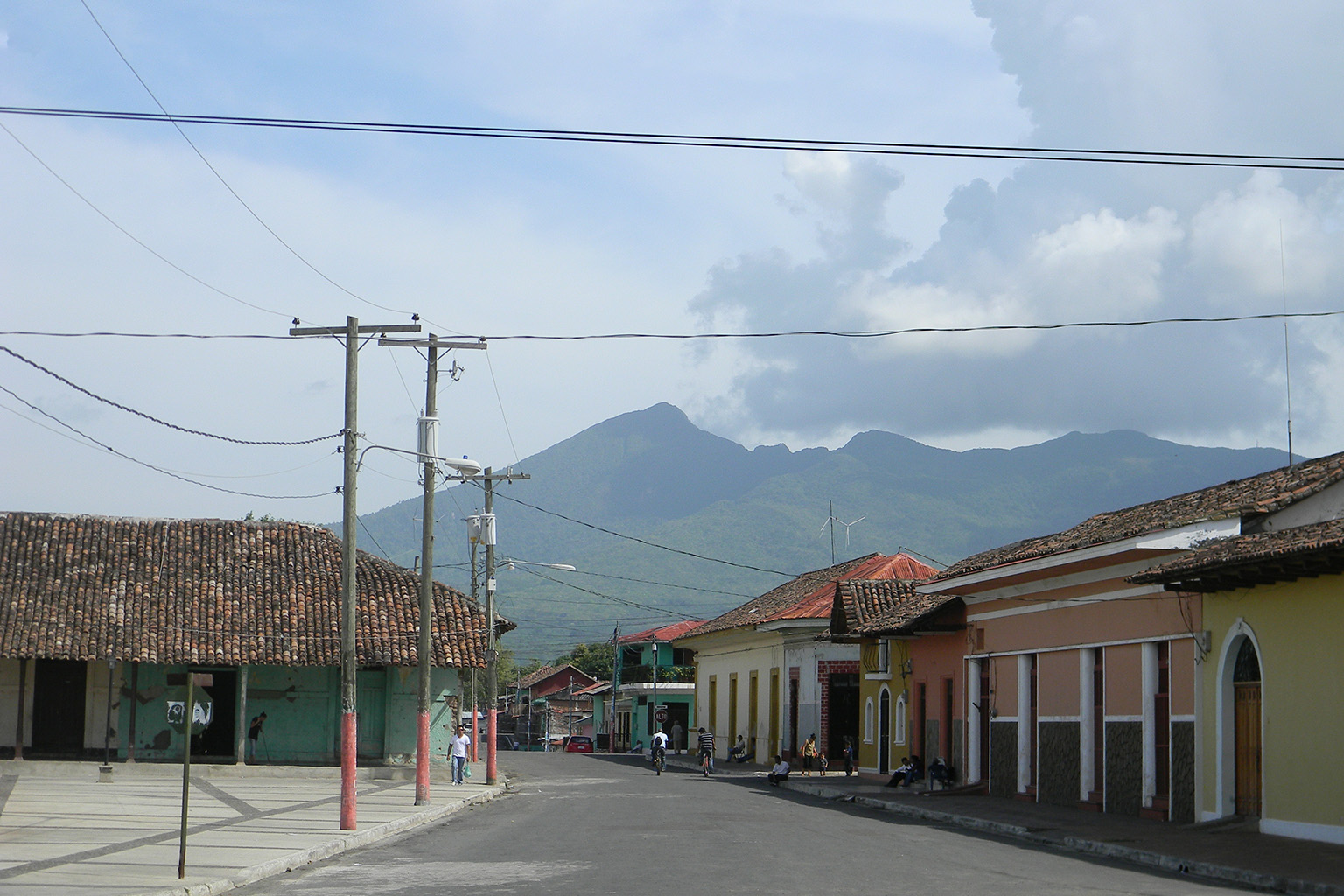
Mombacho Volcano shapes the landscape and atmosphere of Granada’s southern neighborhoods.
Reparto San Juan & Suburban Areas
Popular with families and budget-conscious expats seeking space.
Pros:
- Larger homes and calmer streets
- High safety and residential feel
- Better value rents compared with central neighborhoods in Granada
Cons:
- Moderate walkability—most errands require a car or moto
- Fewer cafés and social hubs
Outskirts / Camino al Volcán
Best for expats who prioritize space, privacy, and cooler temperatures.
Pros:
- Quiet, breezy environment with larger properties
- Gated community options and high safety
- More separation from tourist zones
Cons:
- Very low walkability—a vehicle is essential
- Limited nearby services and amenities
Summary Comparison: Neighborhoods in Granada for Expats
This quick snapshot of the main neighborhoods in Granada highlights who is best suited to each area, the lifestyle perks, and potential tradeoffs, helping you see at a glance where you might feel most at home.
| Neighborhood / Area | Best For | Main Advantages | Main Tradeoffs |
| Centro Histórico | Digital nomads, social expats | Walkable lifestyle, cafés, restaurants, coworking, strong expat scene | Higher rents, noise, petty theft in tourist zones |
| Xalteva (Residential Colonial District) | Families, long-term expats | Quiet streets, high safety, walkable errands, community feel | Fewer nightlife options, larger homes cost more |
| Lakefront / Malecón | Retirees, couples | Scenic views, relaxed pace, excellent walking paths | Higher cost, limited daily shopping nearby |
| Las Isletas | Privacy-seekers, nature lovers | Seclusion, tranquility, lake lifestyle | Very low walkability, boat access, limited services |
| Reparto San Juan & Suburban Areas | Families, budget-conscious expats | More space, affordability, calm neighborhoods | Car or moto often required, fewer social spots |
| Outskirts / Camino al Volcán | Long-term residents, privacy-focused expats | Space, breezes, gated options, quiet living | Car essential, minimal nearby amenities |
You can see how the neighborhoods in Granada stack up for lifestyle, safety, and cost—so you know which spots actually fit your life.
Choosing the Right Neighborhoods in Granada for Your Lifestyle
The key takeaway is that lifestyle matters more than strict location lines. Granada is compact, generally safe, and easy to navigate, but each neighborhood offers a different mix of walkability, space, cost, and atmosphere.
Centro Histórico and Xalteva & Residential Colonial District are ideal for walkable convenience and historic charm, Lakefront & Malecón (Las Isletas de Granada) appeals to those seeking scenery and tranquility, while Reparto San Juan & suburban areas and the Outskirts & Camino al Volcán provide space, privacy, and better value. Understanding these differences lets you match your priorities to reality—choosing not just a place to live, but a rhythm of life that fits your long-term goals.
Ready to take the next step toward living in Granada, Nicaragua? Before you pack your bags, it’s important to understand your residency options and eligibility. The Latin America Residency map is an interactive tool designed to help expats check which countries—including Nicaragua—you qualify for and explore visa options that fit your lifestyle.
Some of these photos were generously shared via Wikimedia Commons:
Nicaragua – Isletas de Granada by randreu, CC BY 3.0
Mombacho Volcano – From Granada City by Silenzio76, CC BY-SA 3.0
Street in Granada by Adalberto.H.Vega, CC BY 2.0