

15 min read
Safety in Paraguay is often misunderstood, especially by those comparing it directly to Western countries or relying on headlines. Is Paraguay safe? In reality, Paraguay operates on a different set of norms—where visible security measures, local awareness, and neighborhood choice play a bigger role than national crime statistics. While serious crime is not the primary concern for most expats, everyday safety comes down to understanding how life actually works on the ground. For those willing to adapt, Paraguay can be a stable and livable option with fewer risks than many expect.
……………………………..
Table of Contents
If you’re weighing a move to South America, the first question you probably typed into Google is, “Paraguay safety” — right after the “cost of living.”
That’s fair.
Most of what people know about the region comes from headlines about Brazil or Colombia and it’s natural to wonder whether Paraguay gets lumped into the same picture.
Short answer: yes, Paraguay is safe for expats who choose the right location and use normal precautions. Most problems foreigners run into are opportunistic theft and property security issues, not violent crime — and 2025 data actually shows Paraguay’s safety numbers improving. But “safe” isn’t a single fact about a whole country. It depends heavily on which neighborhood you live in, what kind of housing you choose, and how quickly you adapt to local safety habits.
This guide goes beyond a single statistic. It covers what the official data actually shows, what safety feels like day-to-day, which areas are genuinely good fits for newcomers, and — because it’s what trips up more expats than street crime does — a close look at the scams, unlicensed real estate agents, unreliable contractors, and document fraud you actually need to watch for.
For the bigger picture on what daily life looks like here, see our living in Paraguay for expats guide.
What the Numbers Actually Show: Is Paraguay Safe?
Homicide Rate Comparison (2025 Data)
Statistics alone don’t tell you what it feels like to live somewhere — but they’re a useful reality check before you go further.
Here’s how Paraguay compares to its neighbors, using the most recent verified figures from InSight Crime’s 2025 Homicide Round-Up, the most methodologically rigorous cross-country source available for the region:
| Country | Homicide Rate (per 100,000) | Year | Trend |
| Argentina | 3.7 | 2025 | ↓ from 3.8 (2024) |
| Chile | 5.4 | 2025 | ↓ from 6.1 (2024) |
| United States | ~4.0–4.2 (preliminary) | 2025 | ↓ ~20%, lowest on record |
| Paraguay | 6.1 | 2025 | ↓ 18.6% from 2024 |
| Uruguay | 10.3 | 2025 | ↓ from 2024, largest drop in 4 years |
| Brazil | 19.2 | 2025 | ↓ from 21.0 (2024) |
| Colombia | 25.8 | 2025 | ↑ slightly from 25.3 (2024) |
The trend line matters as much as the number itself. Paraguay’s homicide rate dropped nearly 19% in a single year — one of the sharpest declines in the region — landing it in the same tier as Chile and Argentina, the two countries usually held up as South America’s safest. It sits well below Uruguay, and far below Brazil and Colombia. On the numbers alone, is Paraguay safe? By regional standards, yes — and it’s getting safer.
Other Official Safety Indicators:
- US State Department Travel Advisory: Paraguay carries a Level 1 advisory — “Exercise Normal Precautions”, the lowest of the State Department’s four risk tiers. The only exception is five northeastern border departments (Amambay, Alto Paraná, Canindeyú, San Pedro, Concepción), which carry a Level 2 caution due to smuggling activity — an area most expats never have reason to visit.
- Global Peace Index 2026: Paraguay ranks 64th out of 163 countries — behind Uruguay (43rd) and Chile, but ahead of Argentina, according to the Institute for Economics & Peace’s 2026 report.
- OSAC Country Security Report: The Overseas Security Advisory Council’s Paraguay report offers a deeper breakdown for anyone who wants the security-industry view rather than the tourist-facing summary.
“Safe” doesn’t mean “no crime” — it means Paraguay compares favorably to its regional neighbors and most incidents are preventable rather than random.
Statistics explain the big picture, but they don’t explain why one Asunción neighborhood can feel completely different from the one next to it. That comes down to location and lifestyle choices, which is what the rest of this guide covers.
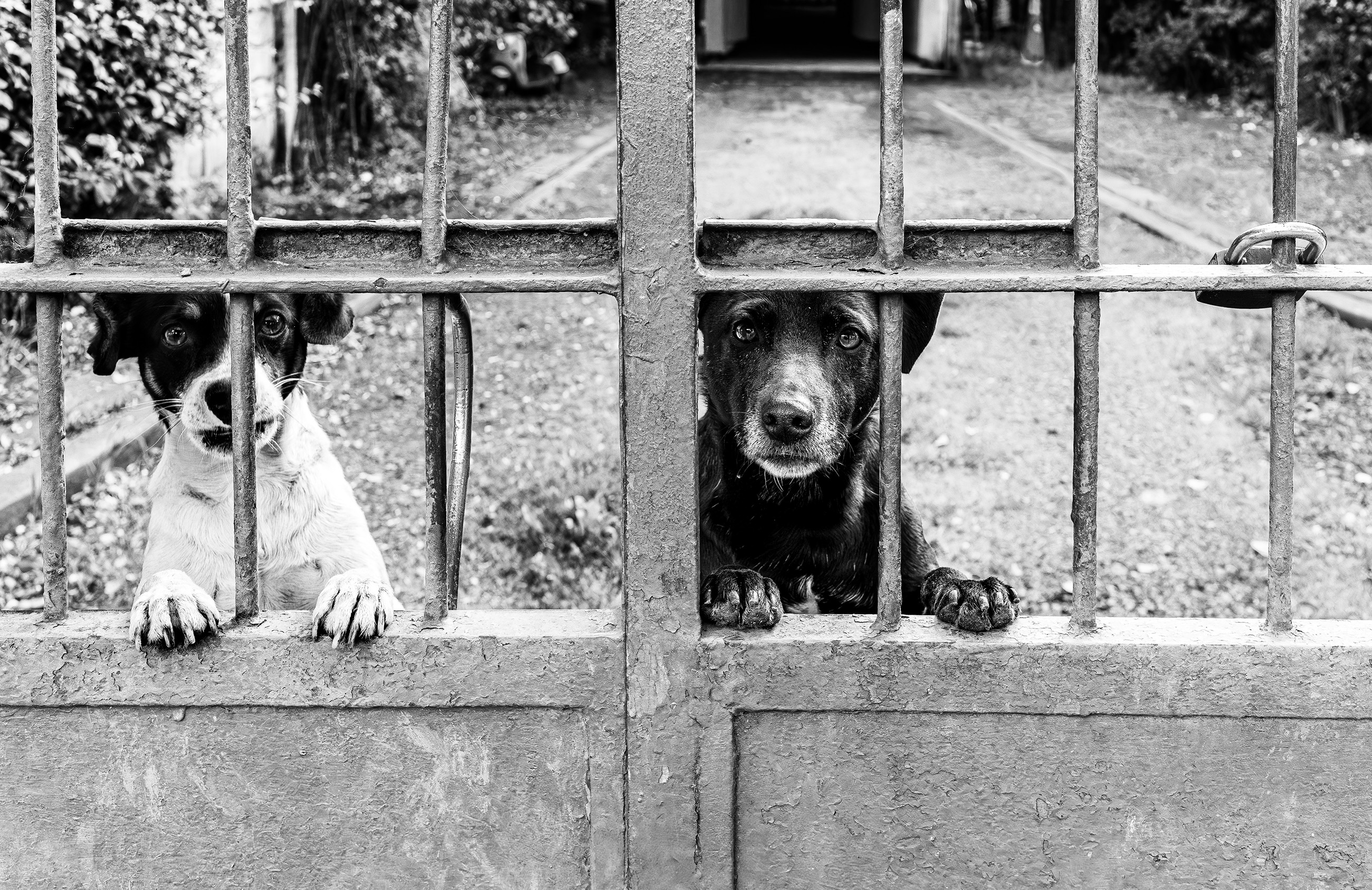
Dogs are a common part of home security in Paraguay, often barking when people walk past. This everyday sight helps explain what safety looks like in Paraguay beyond crime statistics.
What Safety Actually Looks Like Day to Day
Paraguay can look “less safe” to newcomers at first glance — not because it is, but because security here is visible in a way it usually isn’t in North America or Europe. Understanding this upfront saves a lot of unnecessary anxiety.
Homes Are Built With Visible Security Measures: Bars on windows, walled properties, fencing, security cameras, and — on some properties — electric fencing, in wealthy and modest neighborhoods alike. This isn’t a sign that residents live in fear; it’s a preventative norm, the same way a deadbolt or an alarm sticker functions in the US. Security here is simply more visible than what you’re used to.
Dogs Are Part of Everyday Home Security: In neighborhoods, dogs barking at passersby function as an informal early-warning system — it doesn’t necessarily mean an aggressive dog, just an alert one. In rural areas, multiple dogs plus fencing are the norm for homes on their own and larger properties. It’s part of the rural life, not a red flag.
Security Guards Are Common in Urban Areas: Apartment buildings in cities frequently employ security staff and controlled entrances. In some neighborhoods you’ll see small guard huts, sometimes with armed private security, patrolling a stretch of street or a single property. Banks and many businesses also use visible armed guards. None of this reflects unusual danger — it reflects a culture where visible deterrence is simply how security is done.

What does safety look like in Paraguay? High walls, gates, and enclosed properties are common features of residential neighborhoods and provide an additional layer of privacy and security.
Where It’s Actually Safe: Neighborhood by Neighborhood
When asking “is Paraguay safe,” the real answer depends heavily on where you choose to live.
Safety here is hyper-local—often determined more by the neighborhood, street, and even the property itself than the city as a whole. If you’re still exploring locations, our guide to the best places to live in Paraguay breaks down the top areas based on lifestyle, cost, and overall livability.
Asunción: Safe Neighborhoods Matter More Than the City
Not all of Asunción is equal. The areas most expats choose tend to be:
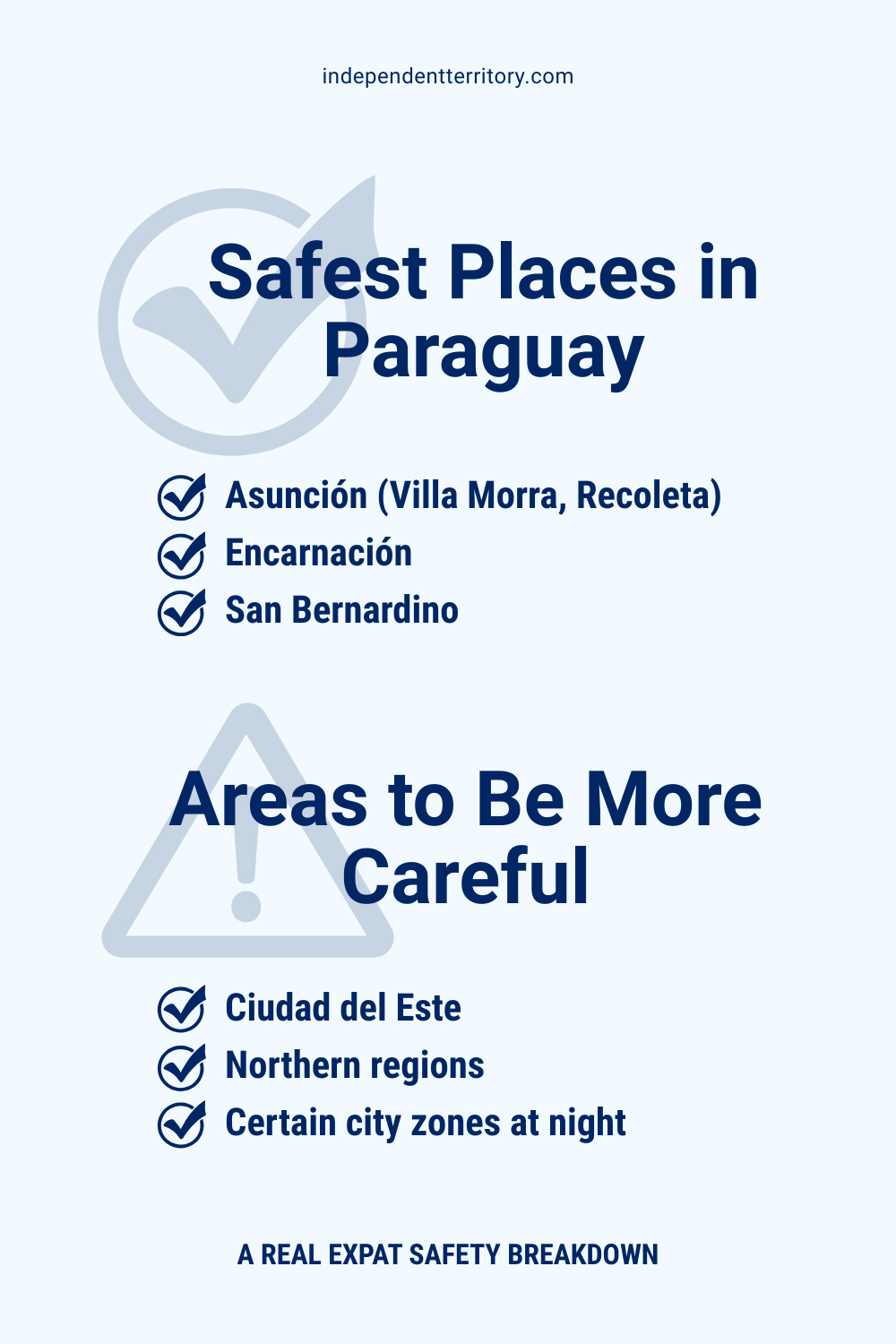
• Villa Morra
• Carmelitas
• Recoleta
• Ykua Satî
These neighborhoods are considered among the safest in the capital, with better infrastructure, more walkability, and a visible security presence. Outside of these zones, safety can vary quickly—sometimes within a few blocks.
Lakeside & Suburban Areas (Lower Risk, Popular With Expats)
Just outside the capital, several towns consistently rank among the safest places to live in Paraguay:
• Areguá
• San Bernardino
These areas benefit from:
• Smaller populations
• Strong community feel
• Less foot traffic and opportunistic crime
They’re especially popular with remote workers, families, and retirees looking for a quieter, more controlled environment.
Interior Cities & Towns (Where Paraguay Feels Safest)
Many of the safest places in Paraguay are outside the capital entirely. If you want a deeper breakdown, see our full guide to the safest places to live in Paraguay, where we cover the top cities, towns, and low-risk areas in more detail.
Interior towns tend to have:
• Lower crime rates
• Tight-knit communities
• Fewer opportunistic theft situations
Standout locations include:
• Encarnación
• Villarrica
• Piribebuy
• Atyrá
• Pilar
These places offer a slower pace of life, and for many expats, this is where Paraguay feels most secure day-to-day.
Rural & Emerging Areas
Areas like Nueva Colombia District and other semi-rural zones are growing in popularity.
These locations often feature:
• Gated or enclosed properties
• Very low population density
• Strong reliance on self-security (dogs, fencing, cameras)
For those prioritizing privacy and control over their environment, these areas can feel extremely safe—provided you set up your property correctly.
Where to Be More Cautious
Border regions and certain commercial hubs operate differently.
Areas like:
• Ciudad del Este
• Pedro Juan Caballero
Tend to have more:
• Smuggling activity
• Petty crime
• Transient populations
This doesn’t mean they’re unlivable—but they require more awareness and better location selection within the city.
Key Reality Most People Miss
In Paraguay, safety isn’t just about the area—it’s about how you live within it.
It’s completely normal to see:
• Homes with walls, bars, or electric fencing
• Security guards in apartments and banks
• Dogs used as an early warning system
These aren’t signs of danger—they’re part of how safety is managed locally.
Note: This isn’t a complete list of every safer area in Paraguay. There are many other neighborhoods, towns, and rural communities where expats live comfortably. In practice, safety often comes down to the specific property, surroundings, and how well you understand the local environment—not just the name of the location.
Want to see which country fits your lifestyle best?
Use our Latin America Residency Map to quickly compare residency options, cost of living, and relocation pathways across the region.
Everyday Risks Expats Actually Face
For most expats, serious crime isn’t the primary concern—everyday, avoidable situations are far more common. This is where the question “is Paraguay safe” becomes more nuanced, because statistics alone don’t reflect how safety actually plays out in daily life.
Where you live, how you move around, and the habits you adopt have a much bigger impact than national crime rates.
- Opportunistic Theft: The most common reality by far. Walking while distracted on your phone, leaving belongings visible in a car, or wearing an expensive watch in the wrong area creates opportunity. Most theft in Paraguay happens because someone looks like an easy target, not because criminals are actively hunting.
- Motochorros & Street Theft: Motorbike-based phone and bag snatching happens, particularly at intersections and stoplights. Use your phone discreetly or keep it out of sight near roads, stay aware at intersections, and don’t resist if it happens — it’s rarely worth the risk of escalating.
- Property Crime: Burglary is the main property concern, which is exactly why the visible security measures described above (bars, fencing, cameras) are standard deterrents rather than paranoia. Good neighbors and visibility matter as much as hardware.
- Scams & Who to Watch For: This is where expats specifically — rather than the general population — face elevated risk, and it’s consistently the category longtime expats flag as the bigger day-to-day threat, more than street crime. A few patterns come up often enough in expat communities to be worth naming directly.
- Real estate agents. Paraguay has no licensing requirement to work as a real estate agent, which means the quality bar varies enormously. Expats who’ve been in the country for years commonly describe inflated ROI promises during the sales pitch and agents who become hard to reach once money has changed hands. The most consistent advice from experienced expats: where possible, deal directly with the property owner rather than through an agent, and independently verify anyone you do work with rather than relying on the brand name of the agency they represent.

Is Paraguay safe? One of the most practical safety lessons is to stay aware of your surroundings. Walking while distracted by your phone can make you an easier target for opportunity theft in Paraguay.
- Scams & Who to Watch For: Continued
- Notaries and document fraud. Even a signed contract at a notary’s office (escribanía) isn’t automatically safe — there are documented cases of expats discovering only after the fact that the notary’s license had actually been revoked, making the contract itself invalid.
Always verify a notary’s active licensing status independently before signing anything, rather than trusting a recommendation from the other party in the transaction. - Contractors and tradespeople. Renovation and construction work is one of the most commonly cited frustration points among longtime residents: unrealistic initial quotes, repeated requests for “advances” mid-project, and workmanship that doesn’t hold up (leaking roofs, unfinished structural work).
The general consensus among expats who’ve been through it: get everything in writing, pay in stages tied to verified progress rather than in advance, and if you’re not handy or able to supervise closely yourself, budget time to vet contractors carefully — reputation among other expats matters more than credentials here. - Police and bureaucratic encounters. Experiences here are mixed and can depend heavily on the individual official rather than a set process. Some expats report being treated as an easy target for informal “fees” during police stops.
For anything that escalates to a formal legal or administrative process, having a local lawyer or an established personal connection tends to matter more than the letter of the law — this isn’t unique to Paraguay, but it’s worth budgeting for (both patience and a good local contact) rather than expecting a purely rules-based bureaucracy. - Residency and paperwork scams. Fake facilitators, invented fees, and document scams that specifically target people unfamiliar with the process. Our Paraguay Residency Guide walks through the legitimate process step by step.
- Notaries and document fraud. Even a signed contract at a notary’s office (escribanía) isn’t automatically safe — there are documented cases of expats discovering only after the fact that the notary’s license had actually been revoked, making the contract itself invalid.
For anything residency-related, the Dirección Nacional de Migraciones is the only authoritative source — verify any agent’s claims against it directly. None of this means every agent, contractor, or official is dishonest — plenty of expats build long, trustworthy working relationships with all three. It means going in with your eyes open and verifying independently is worth the extra step, especially in your first year.
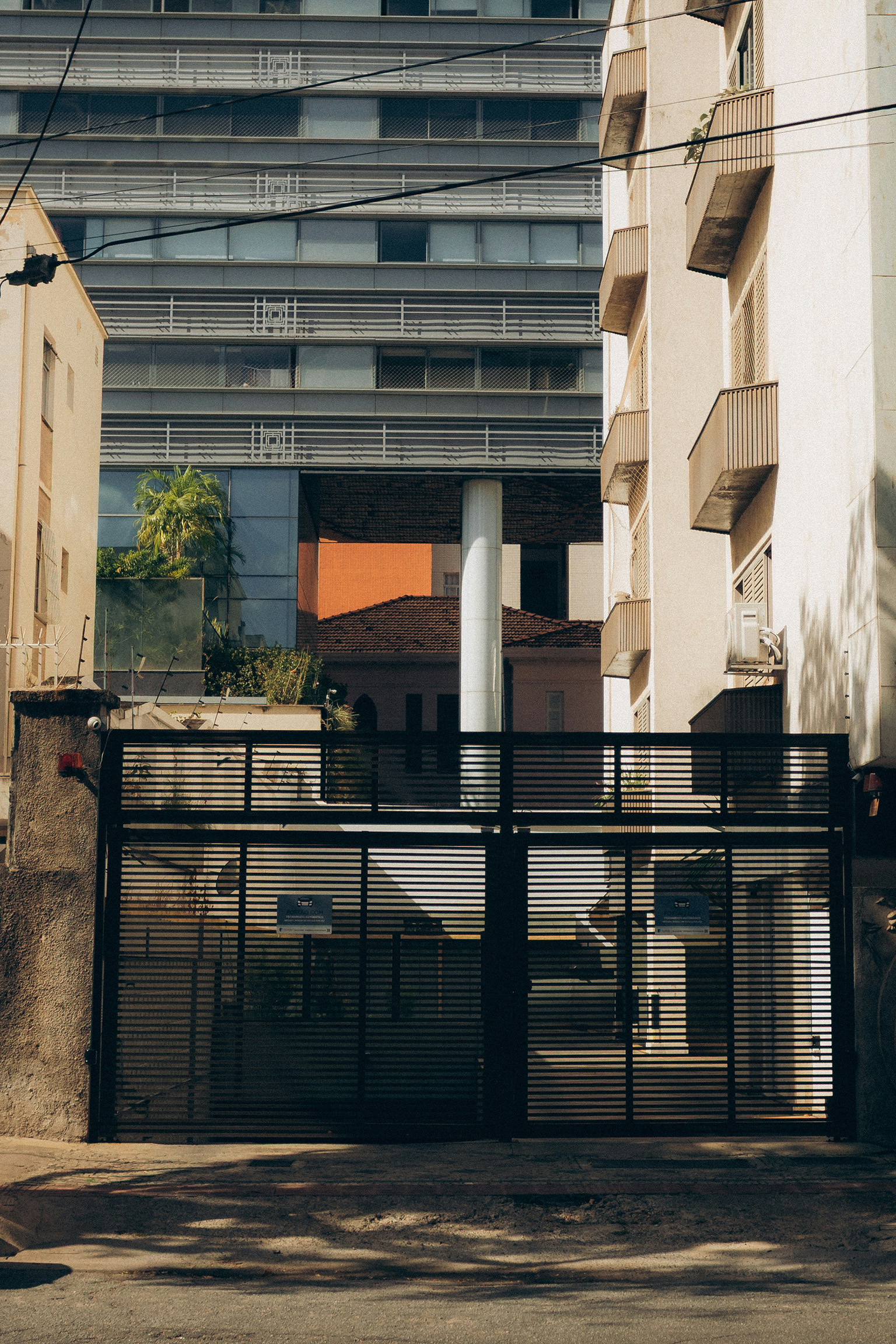
Choosing where and how you live can make a significant difference to your experience of safety in Paraguay. Gated apartment buildings with controlled access and security are common choices for expats in larger cities.
Housing: How Your Choice Affects Your Safety Experience
Your housing decision has more influence on your day-to-day safety than almost anything else on this list — arguably more than the neighborhood itself, and a big part of what makes Paraguay safe or risky depending on how you set it up.
• Apartments in urban areas — Controlled entrances, security staff, and cameras make this the most popular and lowest-friction choice for newcomers.
• Gated communities — Especially attractive for families: controlled access and a built-in community, at a higher cost and with less spontaneous local interaction.
• Independent houses — Appealing for families wanting land and privacy, but these work best in smaller towns with strong communities and trusted neighbors, since open properties need more active security consideration. For a full breakdown of the trade-offs and current rental yields, see Renting vs. Buying in Paraguay.
Safety for Families, Women & Children
Women & Street Reality: Street behavior in Paraguay can feel different from what many women are used to in Western countries. Catcalling and prolonged staring are more common, and while situations rarely escalate, it’s not unusual to feel more visible in public spaces.
The experience varies significantly by neighborhood, but most women adapt by being more aware of their surroundings and adjusting daily routines rather than relying on the same social norms they’re used to back home.
Child Safety: Stranger danger is generally low in Paraguay, and supervision expectations are similar to anywhere else — most risks to children, as in most countries, come from known individuals rather than strangers.
Families asking “is Paraguay safe for kids” specifically will find that building basic Spanish and understanding local systems (schools, healthcare, emergency contacts) matters more here than extra vigilance against strangers.
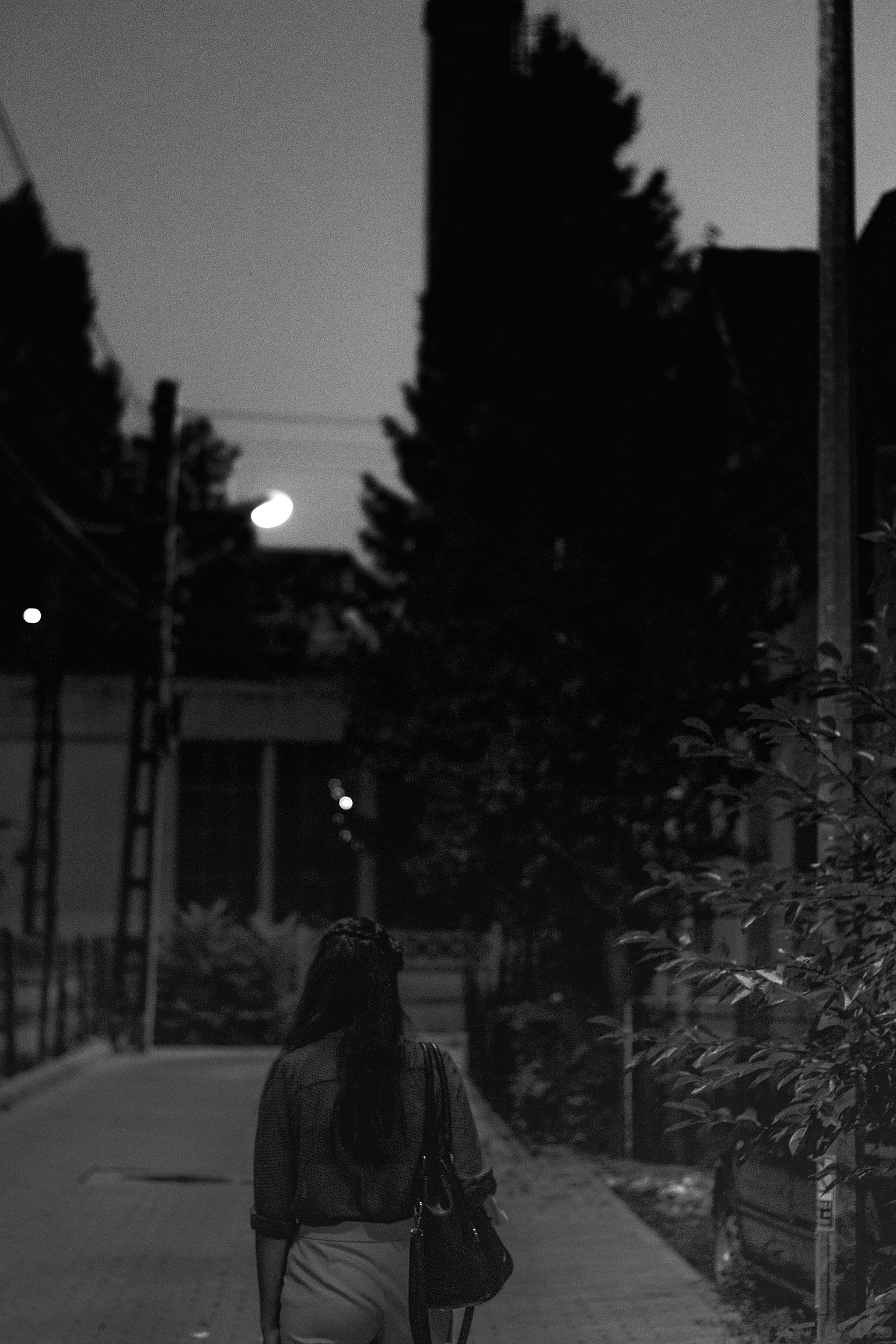
Is Paraguay safe at night? Nighttime brings additional considerations, including lighting, traffic, neighborhood conditions, and awareness of your surroundings.
Beyond Crime: Other Real-World Risks
Road safety is arguably Paraguay’s most underrated risk category, and longtime residents consistently rank it above crime as a day-to-day concern. A meaningful share of drivers — motorbike riders especially — operate without a license or without having gone through real driver training.
On rural roads after dark, it’s common to encounter motorbikes with no lights, no reflective gear, and sometimes multiple riders (including children) on a single bike. Combined with inconsistent enforcement, this makes defensive driving and caution around intersections more important in Paraguay than in most places expats are moving from.
Infrastructure — lighting, sidewalks, and road conditions vary significantly outside main urban centers. Periodic power outages (sometimes lasting a couple of hours, a few times a month) are a normal part of life in parts of Asunción, and worth planning around rather than treating as a rare event.
Health — dengue fever is a seasonal concern, and access to quality private healthcare (concentrated in Asunción) is worth planning around. On balance, these everyday risk factors are exactly why the “is Paraguay safe” answer depends on aggregate crime stats less than it depends on daily habits. See our Healthcare in Paraguay guide for specifics.
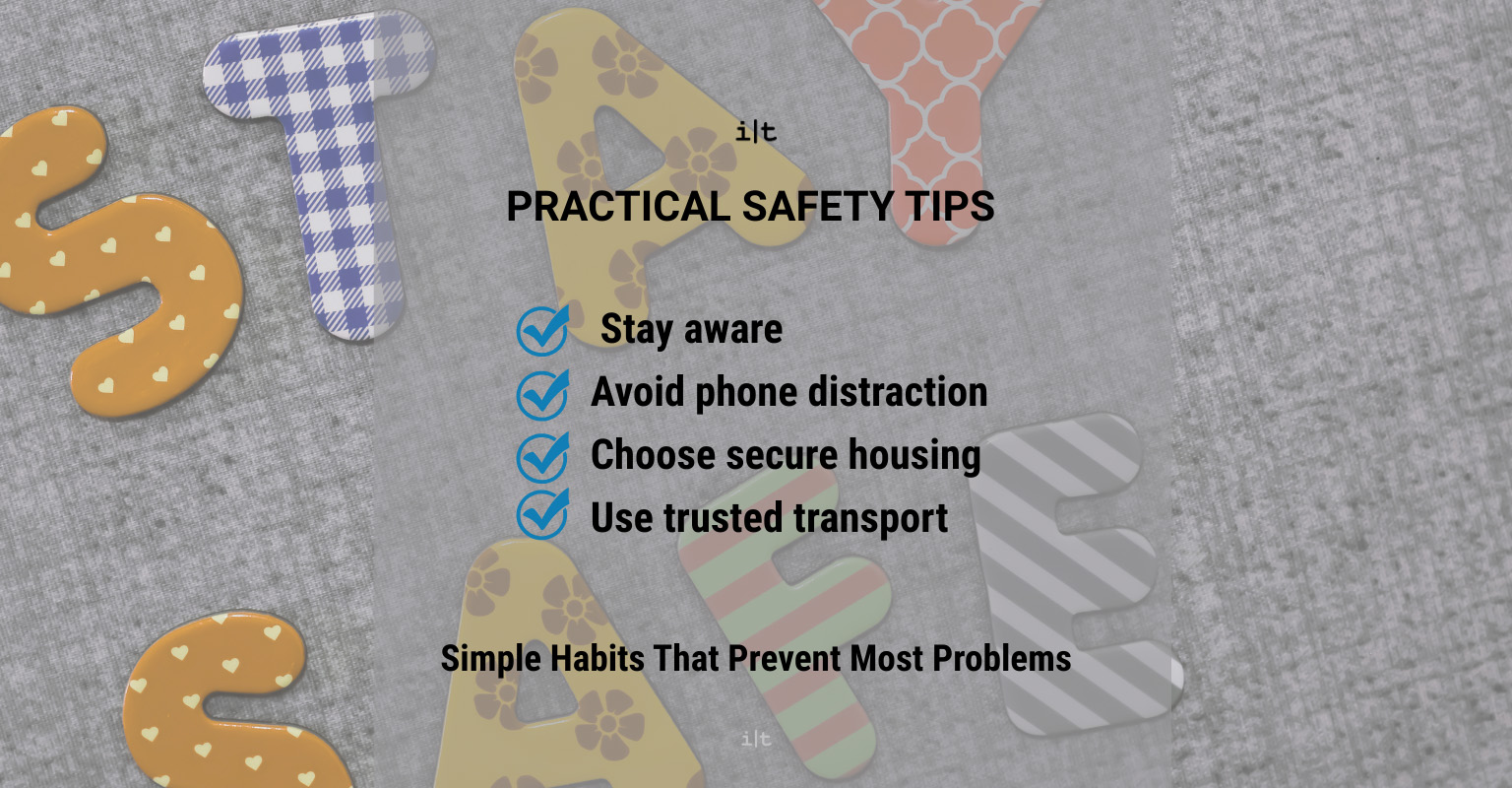
Practical safety tips for living in Paraguay.
A short list of habits prevents the large majority of problems expats actually encounter, and covers most of what keeps Paraguay safe for the people who follow them:
- Pay attention when walking, especially near roads and intersections
- Avoid using your phone visibly while distracted in public
- Don’t display unnecessary wealth (watches, jewelry, phones)
- Choose housing with security features already in place
- Use registered transport rather than street taxis at night
- Verify paperwork and intermediaries independently, especially for residency and property
- Independently confirm a notary’s active license before signing any contract
- Get contractor agreements in writing and pay in stages tied to verified progress, not upfront
- Stay alert around ATMs
- Learn basic local customs and enough Spanish to navigate daily situations
Final Verdict: Is Paraguay Safe for Expats?
Paraguay is likely a good fit if:
- You choose your neighborhood deliberately rather than by city name alone
- You’re comfortable with visible security measures as a cultural norm, not a warning sign
- You’re willing to adapt routines rather than expecting Western defaults everywhere
- You take the same basic precautions you’d take in any mid-sized Latin American country
Paraguay may not be for you if:
- You expect uniform, Western-style infrastructure everywhere
- You want zero adaptation to local norms
- You plan to ignore the real differences between neighborhoods
Paraguay isn’t a place without crime — no country is.
But the 2025 data tells a genuinely positive story: homicide rates fell nearly 19% year over year, landing Paraguay in the same safety tier as Chile and Argentina, well ahead of Brazil, Uruguay, and Colombia.
Combined with a Level 1 US travel advisory and an improving Global Peace Index standing, the numbers back up what thousands of expats already experience: an informed, careful move here is a genuinely safe one.
Ready to take the next step?
Explore our Latin America Residency Map to compare visa options, residency pathways, and the best countries to live in Latin America—all in one place.
Download the FREE Latin American Interactive Map
✔No Spam
✔Instant Access
✔ Free Download
Frequently Asked Questions about is Paraguay safe?
Is Paraguay safe for expats?
Yes — Paraguay is safe for expats who choose established neighborhoods (Villa Morra, Carmelitas, Recoleta in Asunción, or Encarnación and San Bernardino) and take standard urban precautions. Most incidents involve preventable opportunity theft rather than violent crime.
Is Paraguay safe to live in?
Paraguay’s 2025 homicide rate of 6.1 per 100,000 puts it in the same safety tier as Chile and Argentina, and well below regional neighbors like Brazil, Uruguay, and Colombia. It also carries the US State Department’s lowest risk rating, Level 1.
Is Asunción safe to live in?
Yes, particularly in neighborhoods like Villa Morra, Carmelitas, and Recoleta. Some areas — Chacarita, Bañados, and Centro at night — carry more risk and are generally avoided by long-term expat residents.
What are the safest places in Paraguay?
Encarnación, San Bernardino, and the Villa Morra/Carmelitas/Recoleta neighborhoods of Asunción are consistently the top picks for expats. See our full safest places to live in Paraguay guide for a complete breakdown.
Is Paraguay safer than Brazil or Argentina?
Paraguay’s 2025 homicide rate (6.1) is far below Brazil’s (19.2) and roughly comparable to Argentina’s (3.7), which remains one of the safest countries in the region. Paraguay and Argentina are the only two South American countries with a Level 1 US travel advisory.
Is Paraguay safe for Americans?
Yes—Paraguay is generally safe for Americans. The U.S. Department of State currently assigns Paraguay a Level 1 travel advisory, meaning “exercise normal precautions,” which is the lowest risk category. In practical terms, Americans aren’t singled out, and most expats live comfortably without security issues when they choose the right location and follow basic precautions.
Is Paraguay safe for families?
Generally, yes, particularly in the neighborhoods and smaller towns covered above. Stranger danger toward children is low, and many families specifically choose smaller communities for the tighter-knit safety that comes from neighbors knowing each other.