

14 min read
If rising living costs and constant financial pressure are wearing you down, Paraguay might surprise you. This landlocked country in South America offers one of the lowest costs of living in Latin America, but what expats really notice isn’t just the savings — it’s the freedom. You can rent a modern apartment, eat well, access private healthcare, and still spend far less than you would in the U.S., Canada, or Europe. In this guide, we break down real prices, so you know exactly why the cost of living in Paraguay is so great.
……………………………..
Why Paraguay’s Cost of Living Deserves Attention
If you’ve been watching your cost of living spiral out of control in your home country — groceries up, rent insane, and taxes creep higher every year — you’re not alone. More expats, families, and remote workers are looking for somewhere affordable, stable, and still free enough to build the life they actually want.
Enter Paraguay.
Paraguay stands out as one of the lowest costs of living countries in South America — and it’s not by accident. The country produces more hydroelectric power than it consumes, thanks to the Itaipú Dam (one of the largest in the world), which keeps electricity costs extraordinarily low compared to neighboring countries.
Paraguay is also part of Mercosur, a regional trade bloc that makes it easier and cheaper to import essential goods and food from nearby countries like Brazil and Argentina. Combine that with low taxes, minimal bureaucracy, and a culture that values simple living over consumerism, and you’ll find that your money stretches significantly further here — without sacrificing quality of life.
Unlike other destinations that are becoming saturated with tourism and foreign investors, Paraguay still flies under the radar — which is exactly why you can still live well here without burning through your savings.
That said, let’s keep it real: costs are creeping up here, just like everywhere else. If you expect everything to be rock-bottom cheap, you might be surprised. The real appeal of Paraguay isn’t the lowest price tag — it’s the value you get for your money. You can live comfortably and still enjoy a lifestyle that would cost far more back home.
This deep dive breaks down real numbers — rent, groceries, healthcare, utilities, transportation — so you can answer the questions that actually matter to you.
Table of Contents
How Affordable Is Paraguay vs The west?
When people talk about the cost of living in Paraguay, it’s easy to assume the country is cheap simply because it’s in South America. But affordability isn’t about finding the lowest price — it’s about how far your income goes and how much life you can buy with it.
Paraguay stands out for one reason: Your purchasing power is dramatically stronger here than in the U.S., Canada or Europe.
A large part of that comes from:
- A stable, low-bureaucracy economy
- Low inflation relative to neighbors
- A culture that still values cash over debt
- Local agriculture → cheaper food and locally sourced goods
- Low-cost electricity
Unlike Panama or Costa Rica — where prices have skyrocketed due to foreign investment — Paraguay has maintained affordability without compromising comfort or lifestyle.
To put numbers behind the affordability, here’s a real-world comparison of monthly living costs in Paraguay versus two major North American cities. This makes it easy to see how much further your budget goes when you’re not dealing with inflated prices.
| Category (USD) | Asunción | Chicago | Toronto |
| 1BR Apartment (city center) | $440–$470 | $2,366 | $1,750 |
| Monthly living costs for one person (excluding rent) | $484 | $1,296 | $1,200 |
| Comfortable lifestyle (total — not minimal) | $900–$1,300 | $3,200+ | $3,000+ |
Thinking about family life here? Check out our post — Living in Paraguay: Pros & Cons
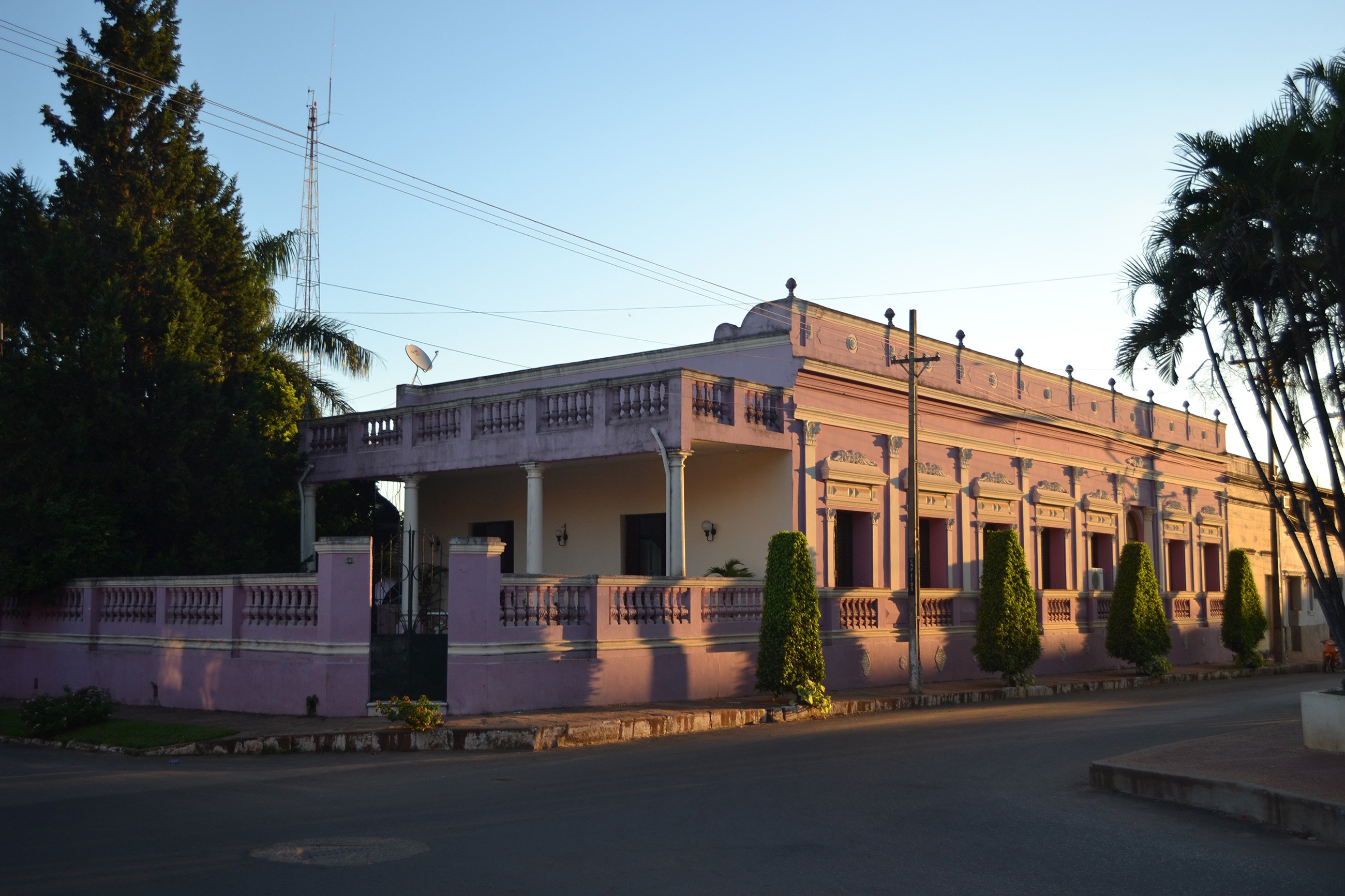
Colonial architecture with an affordable cost of living in Paraguay.
Housing Costs in Paraguay: Real Value for Money
If you’re coming from North America or Western Europe, the housing in Paraguay feels almost unreal. Modern apartments, security, gyms, rooftop pools, coworking spaces — and rents that would barely cover parking in Chicago or Toronto.
The rental market is straightforward:
- Most leases are annual
- Expect to pay 1–2 months’ rent as a deposit
- Foreigners can buy property directly, no special rules or residency needed
Whether you’re looking for a modern apartment in Asunción, a house with land near the suburbs, or a lake-town lifestyle in San Bernardino, Paraguay gives you options.
Rent Prices by City
Real rental ranges based on current listings—both furnished and unfurnished—to give you a snapshot of what prices look like in different areas and help you understand how far your budget can go. Keep in mind that prices vary by supply, demand, location, and market.
| Type of Home | Location | Monthly Rent (USD) |
| 1BR apartment | Recoleta / Villa Morra (Asunción) | $400–$600 |
| 2BR family apartment | Carmelitas (Asunción) | $700–$1,000 |
| House with yard | Luque / San Lorenzo (suburbs) | $600–$1,200 |
| 1BR apartment | Ciudad del Este | $330–$530 |
| 1BR apartment near the lake | San Bernardino | $500–$1,000 |
What to expect in each area:
- Recoleta / Villa Morra (Asunción): Trendy, walkable, full of cafés and coworking spaces. Ideal for remote workers and solo expats.
- Carmelitas (Asunción): Higher-end, newer buildings. Families like it for the quiet streets and proximity to international schools.
- Luque / San Lorenzo (metro suburbs): Large homes, space, backyards — great for kids, pets, or anyone wanting more privacy.
- San Bernardino (Lake district): Weekend-getaway vibes; popular with expats escaping city noise.
- Ciudad del Este: More functional than charming, but incredibly affordable and surprisingly safe in residential areas.
Takeaway: Housing in Paraguay gives you something most Western cities took away long ago — space and comfort without financial stress.
Curious where to live? Our guide 10 Best Places to Live in Paraguay will help you decide.
Utilities, Internet, and Mobile Costs in Paraguay
When evaluating the cost of living in Paraguay, utilities and internet are a pleasant surprise — they’re significantly lower than in the U.S. or Canada, and even cheaper than many other Latin American destinations.
Here’s a look at the typical monthly costs you can expect:
| Service | Typical Monthly Cost (USD) | What to Know |
| Electricity | $30–$70 | Paraguay runs almost entirely on hydroelectric power (Itaipú + Yacyretá). Costs stay low unless you run A/C daily in summer. |
| Internet (Fiber / Broadband) | $25–$40 | High-speed fiber is common in Asunción and major cities. Providers: Tigo, Personal. |
| Mobile (SIM + data plan) | $7–$15 | Unlimited WhatsApp messaging on most plans. Prepaid or post-paid available — no contracts. |
| Water + Garbage / HOA-type building fee | $10–$20 | Often included in rent for apartments. |
| Home cable / streaming bundle | $10–$20 | Many expats skip cable and use streaming instead. |
Tip: If you work remotely, choose neighborhoods like Villa Morra, Recoleta, or Carmelitas — fiber is fast and reliable there.
What Expats Often Notice
- You generally don’t need heating in winter, and A/C is optional in some homes.
- Fiber internet speeds are solid for remote work (100–300 Mbps in the city).
- Mobile data is incredibly cheap — you can top up at any kiosk or supermarket.
In practical terms, most expats spend $70–$120/month on utilities + internet, which keeps the overall cost of living in Paraguay surprisingly low compared to North America.
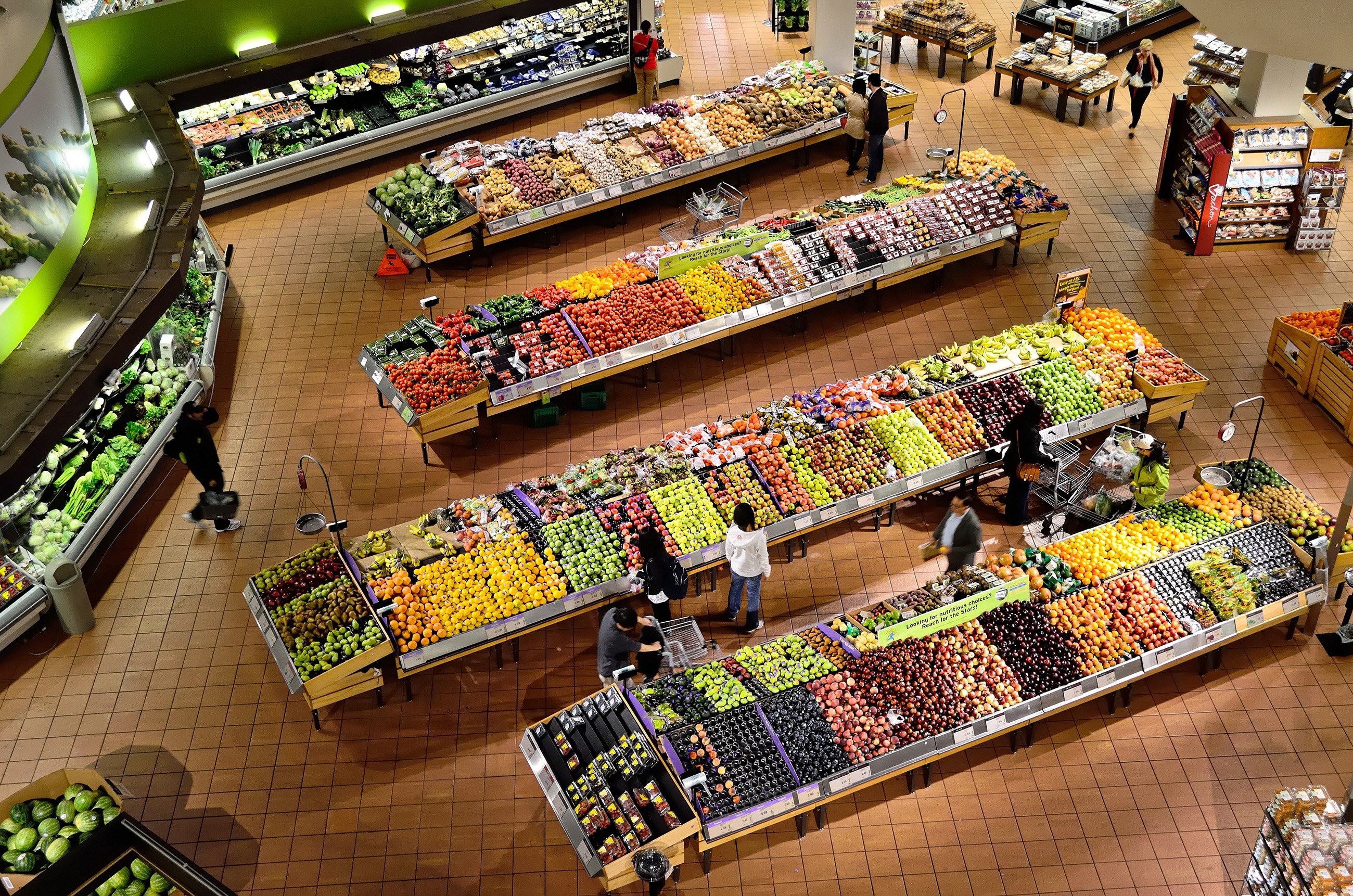
Groceries remain affordable in Paraguay, especially when buying local produce.
Food & Groceries in the Cost of Living in Paraguay
Groceries are one of the biggest ways you feel the lower cost of living in Paraguay. Because Paraguay is heavily agricultural, locally produced food—meat, dairy, eggs, fresh vegetables, and seasonal fruit—is both abundant and inexpensive. Shopping at local markets stretches your budget even further.
Imported products are the only exception. Anything specialty—gluten-free, organic, international brands, or packaged health foods—will cost noticeably more.
Average monthly grocery costs (USD):
- Single expat/remote worker: $200–$300
- Couple: $350–$450
- Family with kids: $500–$600
Bottom line: you can eat well here—yes, even steak a few times a week—without blowing your budget.
Grocery Stores in Paraguay — Price Comparison
| Grocery Store | Price Range | Imports vs Local | Known For | Website |
| Superseis | $$ | Mix of imported & local | Reliable quality, mid-range prices | Superseis Website |
| Stock | $ | Mostly local | Budget-friendly, national coverage | Stock Website |
| Casa Rica | $$$ | Mostly imported | Organic, gluten-free, specialty foods | Casa RicaWebsite |
| Biggie Express | $$ | Mix | Convenience-focused, open late | Biggie Website |
| Delimarket | $$$ | Imported gourmet | Premium international products | Delimarket Website |
Pro Tip: Do your main shopping at Stock or Superseis, then grab specialty imports from Casa Rica or Delimarket. This combo keeps grocery costs low while still giving you access to hard-to-find products.
Not sure about Paraguay? Find out the pros & cons of this little-known South American country.
Markets & Local Food Sources (Best Value)
This is where Paraguay really shines. If your goal is to keep the cost of living in Paraguay low while eating fresh, high-quality food, the markets are your secret weapon.
| Market | Location | Price Range | Products | Info |
| Mercado 4 | Asunción | $ | Produce, spices, meats, household goods | Learn more |
| Mercado de Abasto | Asunción | $ | Bulk produce, wholesale fruits & vegetables | More info |
| Mercado Municipal | Encarnación | $ | Local produce, meats, baked goods | About the market |
| Mercado de San Lorenzo | San Lorenzo | $ | Dairy, fresh produce, traditional foods | More Info |
| Agroshopping | Villa Morra (Asunción) | $$ | Organic produce & artisanal products; expat-favorite | Local Info |
Savings Insight: Buying from local markets instead of supermarkets can cut your grocery bill by up to 40% — especially for seasonal produce, eggs, and meat.
Quick Reality Check
- Eating out is affordable (meals for USD $4–$6 at local places).
- You can buy fruits and vegetables in bulk for the price of a single avocado in Canada.
- The real cost differences come from choosing local vs. imported.
If you’re coming from the U.S. or Canada, the grocery cost difference alone can reduce your total cost of living in Paraguay by hundreds of dollars per month — without sacrificing lifestyle.

Lower cost of living in Paraguay means more freedom to enjoy life’s important moments.
Eating Out & Entertainment in Paraguay
One of the best parts of living here is how far your lifestyle money stretches. Eating out in Paraguay is affordable enough that many expats and remote workers go out multiple times per week without denting their budget. Cafés are everywhere, weekend getaways are inexpensive, and there’s always something happening — concerts, ferias, artisan markets, and lake-town escapes.
Here’s what everyday spending looks like:
| Type | Cost (USD) | What to Expect |
| Local restaurant meal (menu del día) | $4–$6 | Full lunch with protein, sides, and drink — fresh and homemade. |
| Mid-range restaurant (for 2 + drinks) | $20–$35 | Sit-down dinner, wine or cocktails, excellent service. |
| Coffee / cappuccino | $1.50–$2.50 | Cheaper at local shops, higher at hip cafés. |
| Craft beer or cocktail | $3–$6 | Trendy bars in Asunción are still affordable. |
| Gym membership (city gym) | $25–$35/month | Modern equipment; boutique gyms = +$10–$20. |
| Weekend getaway (for 2) | $100–$200 | Includes hotel + meals (San Bernardino, Encarnación, or countryside hotels). |
What this means for your monthly lifestyle budget
For many expats, the cost of living in Paraguay includes eating out frequently — because it’s cheaper than cooking in a lot of Western countries.
- Start the day: $5
- Lunch out: $8
- Dinner out for two with wine: $30
A full day of eating out for two in Paraguay = $43
In Toronto or Chicago, that same day could hit $120–$180.
Lifestyle Reality Check
- Locals often eat lunch at restaurants — it’s normal, not a luxury.
- Cafés are digital-nomad friendly (especially in Villa Morra and Carmelitas).
- You can join a gym, take weekend trips, and go out regularly without financial stress.
Eating out and entertainment won’t wreck your budget — they actually enhance the value of the cost of living in Paraguay.
Want to know the best places to live in Asuncion? Check out where expats love to live

Private healthcare in Paraguay is modern, fast, and affordable.
Healthcare Costs and Options in Paraguay
Healthcare in Paraguay surprises most expats — not because it’s cheap (it is), but because private care is so accessible. You don’t have to fight insurance gatekeepers or wait three months to see a specialist. You book the appointment, show up, and pay $25–$60 per visit. That’s it.
The catch?
The public system lacks resources, and unless you speak Spanish (or Guaraní), navigating it isn’t easy. Most foreigners stick to private hospitals, where the care is modern, the wait times are short, and many facilities offer local insurance plans starting around $60–$120/month.
Public vs. Private Healthcare: What to Expect
| Category | Public System (MSPBS) | Private System |
| Cost | Free or very low-cost | $25–$60 per appointment |
| Quality | Basic care, inconsistent quality | Modern, efficient, better equipment |
| Wait Times | Long waits | Same-day or within 48 hours |
| Insurance | Optional (not common) | Local plans: $60–$120/month |
| Language | Spanish / Guaraní | English often available in major hospitals |
| Key Facilities | Hospital de Clínicas | Migone, La Costa, San Roque, Bautista |
Many private hospitals offer in-house insurance plans — ideal if you’re settling in Paraguay for the long term.
Key takeaway: Healthcare in Paraguay is affordable, accessible, and high-quality, especially for private patients — making it a major factor in the overall cost of living in Paraguay for families, retirees, and remote workers.
Thinking about neighborhood choices? Read our guide: 11 Best Places to Live in Asunción

Along with a low cost of living in Paraguay, public transportation is widely used.
Cost of Living in Paraguay: Transportation
Getting around Paraguay is surprisingly affordable — another reason why the cost of living in Paraguay stretches your budget further than in North America. Whether you plan to live car-free in Asunción or explore regional towns, transportation is one of the lowest recurring expenses you’ll have here.
Here’s what everyday spending looks like:
| Category | Typical Cost (USD) | Notes |
| Bus ride (Asunción) | $0.50 | Basic but reliable — routes cover most major areas |
| Uber / Bolt | $2–$6 | Widely available, especially in Asunción and Encarnación |
| Gasoline | ~$1.00/L | ≈ PYG 7,400 per liter |
| Car maintenance | $25–$50/month | Depends on vehicle age/make |
| Intercity bus travel | $10–$30 | Example: Asunción → Encarnación or Ciudad del Este |
Paraguay is car-friendly, but here’s the twist: you don’t need a car to live well — especially in Asunción’s walkable neighborhoods like Villa Morra, Carmelitas, and Recoleta. Apps like Uber and Bolt are cheap enough that many expats rely on ride-hailing instead of owning a car.
Buying a Car in Paraguay: Costs You Should Expect
If you’re thinking of buying a car, be diligent!
Buying a car in Paraguay is possible, but it’s not always cheap. Imported vehicles are hit with high import duties — usually around 30–35%, which pushes prices higher than in nearby countries.
Used cars are often 10+ years old and may have maintenance or mileage tampering issues, so always get a trusted mechanic to inspect before you buy.
The upside?
Cars don’t depreciate as quickly as they do in the U.S. or Canada. Because supply is limited and demand is steady, vehicles tend to hold their value, which helps protect your investment even if upfront costs are higher.
Bottom line: Transportation barely dents your monthly budget. For most expats, $30–$60/month covers daily mobility — a fraction of what you’d spend in the U.S. or Canada.
Does safety and lifestyle matter? Find out the Safest Places to Live in Paraguay.
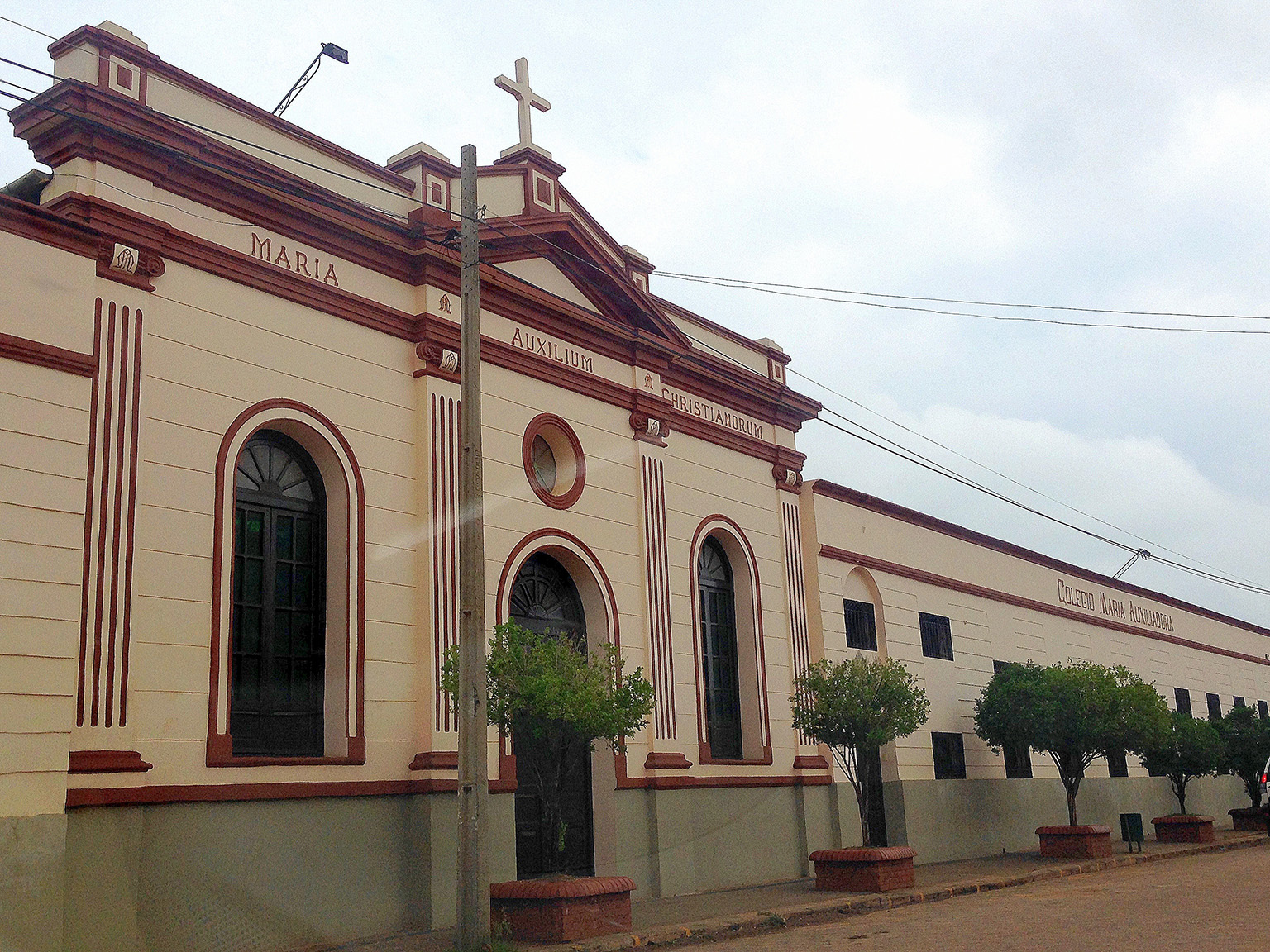
Private and bilingual school options are available at lower costs than in North America. Photo by Cmasi, CC BY-SA 4.0 , via Wikimedia Commons
Education Costs for Families in Paraguay
If you’re moving to Paraguay with kids, education becomes a major part of your overall cost of living in Paraguay — and here’s the good news: schooling is significantly more affordable than in Panama, Mexico, or Costa Rica.
Paraguay offers three main education paths: local schools, bilingual private schools, and full international schools.
| School Type | Monthly Tuition (USD) | Notes |
| Local schools | Free–$100 | Fully Spanish; great for immersion, but expect more traditional teaching styles |
| Bilingual private schools | $200–$400 | Spanish/English or Spanish/Portuguese; popular with middle-class families |
| International schools (Asunción) | $500–$800 | U.S. or British curriculum; expat-heavy, modern facilities |
Many bilingual and international schools also offer discounts for siblings.
Because Paraguay’s cost of living is low, families can access private education that would be financially out of reach in North America. International schools in Asunción — such as Pan American International School and Colegio Las Almenas — offer small class sizes, modern buildings, and extracurricular activities without the $1,500–$3,000/month price tag you’d see elsewhere.
What about homeschooling?
Homeschooling is legal in Paraguay and is becoming increasingly popular among expat families who value flexibility and travel freedom. Paraguay’s residency system also makes long-term stays simple, which is a win for location-independent families.
If you want your kids to become bilingual, Paraguay gives you options:
- total immersion via public or local private schools, or
- bilingual or international systems with English-language support.
Education is one of the biggest cost savers when calculating the true cost of living in Paraguay — especially for families.
Exchange Rates & Managing Money in Paraguay
Paraguay uses the Paraguayan Guaraní (PYG) and daily life is still dominated by a reliance on cash. While cards are accepted in malls and major supermarkets, expect cash for taxis, markets, and smaller towns.
- Currency: Paraguayan Guaraní (PYG)
- Current exchange rate: ~ 7,400 PYG = 1 USD (rates fluctuate)
- ATMs: Widely available, but withdrawal limits vary by bank.
- Typical ATM fee: $3–$6 USD
Many expats manage money by keeping funds abroad and pulling cash from ATM’s when needed.
Best practices for expats managing money in Paraguay:
- Use Wise or Revolut for fast, low-fee international transfers.
- Avoid airport exchange desks — rates are terrible.
- Consider opening an account with Banco Itaú or Sudameris once you have temporary or permanent residency.
- Carry cash — especially at local markets or smaller businesses.
The Paraguayan currency has been relatively stable, with manageable inflation compared to other Latin American countries, supporting an affordable cost of living in Paraguay.
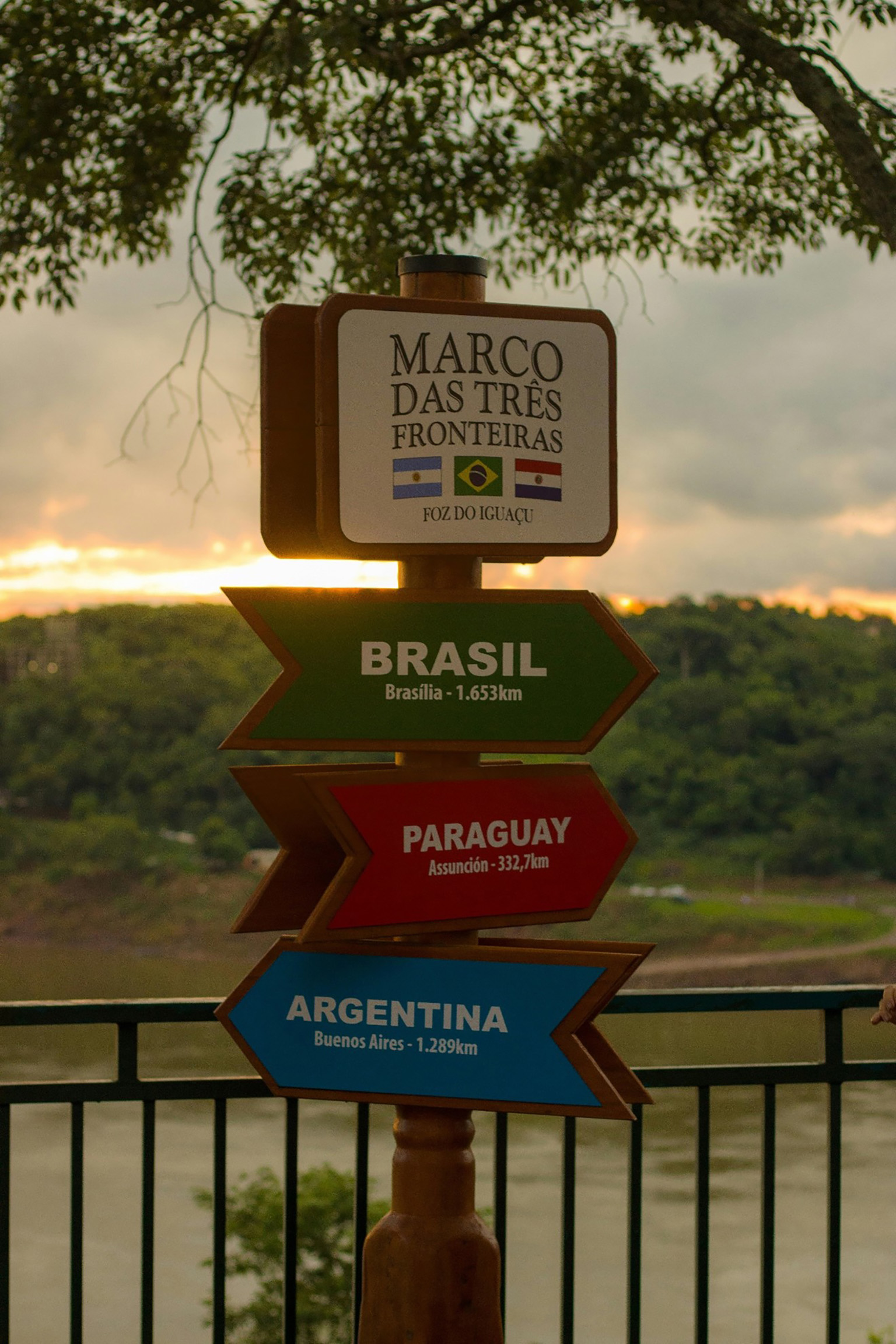
The borders of Paraguay, Brazil, and Argentina meet at the Triple Frontier.
Sample Monthly Budgets: Real Costs in Paraguay
Let’s pull everything together into real-world monthly budgets. These examples reflect typical cost of living in Paraguay scenarios based on how most expats actually live.
To put this into perspective: a single remote worker can live comfortably on $1,200 per month and, a family of four with private schooling can maintain a high standard of living for under $3,000/month.
Compared to North America or Europe, many families spend less on their entire monthly cost of living in Paraguay than they used to spend on rent alone.
| Lifestyle Type | Monthly Total (USD) | What This Covers |
| Low-Cost Local Living | $800–$1,000 | Renting a modest apartment in a non-tourist neighborhood, public transport, markets + cooking at home. |
| Midrange Lifestyle (Most expats) | $1,200–$1,700 | 1–2 BR apartment in Recoleta / Villa Morra, eating out a few times a week, gym, private health plan, weekend getaways. |
| High-End / Family Lifestyle | $2,000–$2,800 | Premium housing, private bilingual school tuition, car costs, dining out regularly, higher grocery imports. |
Looking for the ultimate Paraguay expat guide? Read our: 10 Best Places to Live in Paraguay
Cost of Living in Paraguay vs. Quality of Life
By this point, you’ve seen the numbers — and yes, the cost of living in Paraguay is one of the lowest in Latin America. But the real value goes beyond cheap rent and affordable healthcare.
Here’s the honest balance: Trade-offs:
- Bureaucracy can be slow (nothing moves fast here).
- Smaller expat network compared to Mexico or Panama.
- Outside Asunción, nightlife and amenities are limited.
But what you gain is harder to put a price on: What expats come here for;
- Strong community and family values
- Privacy and personal freedom
- A slower, less stressful pace of life
- The ability to live comfortably without financial pressure
When your housing, groceries, healthcare, and education cost a fraction of what they do in the U.S., Canada, or Europe something unexpected happens — you get your time back.
Paraguay’s affordability translates into flexibility — flexibility turns into freedom.
Many expats say this is the first time they’ve been able to work less, save more, and actually enjoy their lives. Paraguay offers one of the lowest costs of living in Latin America — but what really sets it apart is the freedom, stability, and simplicity that many expats crave.