
9 min read
Paraguay is a unique South American country known for its low cost of living, friendly people, and relaxed lifestyle. In this guide, we’ll explore living in Paraguay pros and cons, giving you a clear overview to help decide if it could be the right place for you.
……………………………..
If you’ve ever dreamed of living overseas, you may be surprised to learn about Paraguay—a country often overlooked by travelers and expats.
With one of the lowest costs of living in Latin America and a relatively simple permanent residency process, Paraguay makes a strong case for anyone considering a move. It’s also refreshingly free from heavy government regulation. The trade-off is that it’s trickier to reach than other South American countries, and a few other drawbacks are worth knowing about before you commit.
Expats enjoy a mix of colonial architecture, modern shopping malls, and some of the friendliest people in South America.
Paraguay combines opportunity, simplicity, and a slower pace of life that’s hard to match elsewhere. There’s more to consider, so see the full breakdown of what to expect in Paraguay.
Table of Contents
Is Paraguay a Good Place to Live?
Yes — and it might surprise you how much it has to offer. Evaluating the pros and cons of living in Paraguay reveals a country with one of the lowest costs of living in South America, a straightforward residency process, and a welcoming attitude toward foreigners.
Expats benefit from favorable tax policies, affordable rental and property options, and easy access to modern conveniences in cities like Asunción and Encarnación.
Beyond the cities, wide-open spaces, friendly communities, and opportunities for outdoor adventure make Paraguay appealing for anyone craving a simpler, more independent lifestyle abroad.
This guide breaks down the biggest advantages and drawbacks so you know what life here really looks like.
Understanding location differences is key—especially when comparing the best places to live in Paraguay, where lifestyle and costs vary significantly.
Pros of Living in Paraguay
1. Simple Residency and Immigration
One of the biggest advantages of Paraguay is how straightforward it is to become a legal resident.
Most expats start with temporary residency, which needs only standard documents like your passport, birth certificate, and a criminal background check. After about two years, you can apply to convert to permanent residency. You can often handle the process yourself (if you speak Spanish) or work with a trusted local consultant.
Since mid-2026, permanent residency applicants also need to prove financial solvency, such as a pension, remote income, or rental income. Requirements have tightened a bit, but the path is still far simpler than in most countries.
If you’d rather skip the waiting period, investment routes like the SUACE program and the new Investor Pass grant permanent residency directly. Once approved, you can stay indefinitely, work, or start a business.
Compared to countries with endless paperwork and high legal fees, Paraguay’s simplicity is a refreshing change. For the full step-by-step process, see our Paraguay residency guide.
2. Low Cost of Living
Affordability consistently ranks as one of the biggest draws for expats considering a move to Paraguay.
Housing, groceries, and healthcare cost a fraction of what you’d pay in the U.S., Canada, or Europe. A modest yet comfortable lifestyle is easily achievable even on a limited income.
You can dine out regularly, afford reliable healthcare, and rent or buy property without being burdened by debt.
If cost is a top priority, then the cost of living in Paraguay makes sense. It’s a place where your money stretches further, giving you the financial breathing room to focus on lifestyle, family, or early retirement.
3. Freedom, Privacy, and Property Ownership
For freedom-seeking expats, this is a standout advantage.
Paraguay offers a high degree of personal freedom with minimal government interference. Taxes are low, foreign income isn’t generally taxed, and property laws are favorable — foreigners can buy and own land outright.
Privacy is still valued here, and daily life feels less regulated than in much of the Western world.
This freedom extends beyond finances. You’ll find fewer restrictions on how you live, build, and even home school. It’s part of why many expats describe Paraguay as one of the last places where you can live quietly and independently.
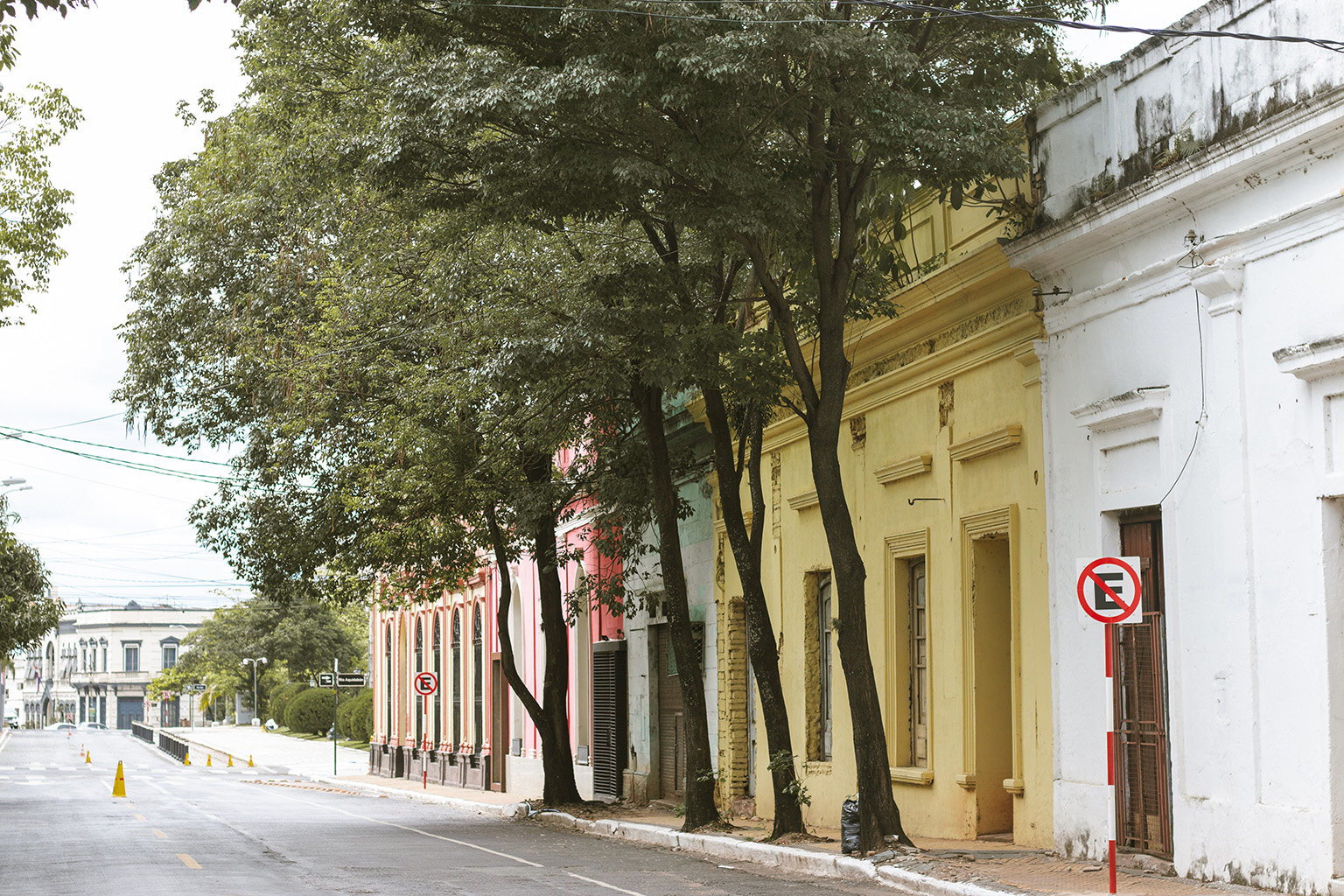
Brightly painted buildings bring charm and character to streets in Paraguay.
4. Friendly, Welcoming People
One of Paraguay’s greatest strengths is its people. Locals are warm, community-oriented, and genuinely welcoming toward newcomers.
Guaraní hospitality runs deep, and most expats quickly feel included in neighborhood life. Whether you’re invited to share tereré (a local cold tea) or asked to join a weekend asado, it’s easy to build genuine friendships.
Cultural events and local festivals add to this sense of belonging. This friendliness and openness make settling in far easier than in many other destinations.
5. Peaceful Lifestyle and Access to Nature
If you’re craving a slower pace and space to breathe, life in Paraguay delivers. Outside the capital, wide-open rural areas offer tranquility and connection to nature.
You can garden, raise animals, or simply enjoy quiet surroundings — all while being within a few hours of Asunción’s modern amenities.
Even in cities, stress levels are noticeably lower than in North America or Europe. The traffic may move slowly, but so does the pace of life.
Many expats appreciate the simplicity of daily life in Paraguay after years of hustle and noise elsewhere. That relaxed, peaceful rhythm is a major plus.
6. Central Location in South America
Geographically, Paraguay is well-positioned. Bordering Brazil, Argentina, and Bolivia, it’s an ideal base for exploring South America.
Bus routes and short flights connect you to major regional cities like Buenos Aires and São Paulo within hours.
This accessibility adds convenience and travel opportunities — another advantage over many other destinations.
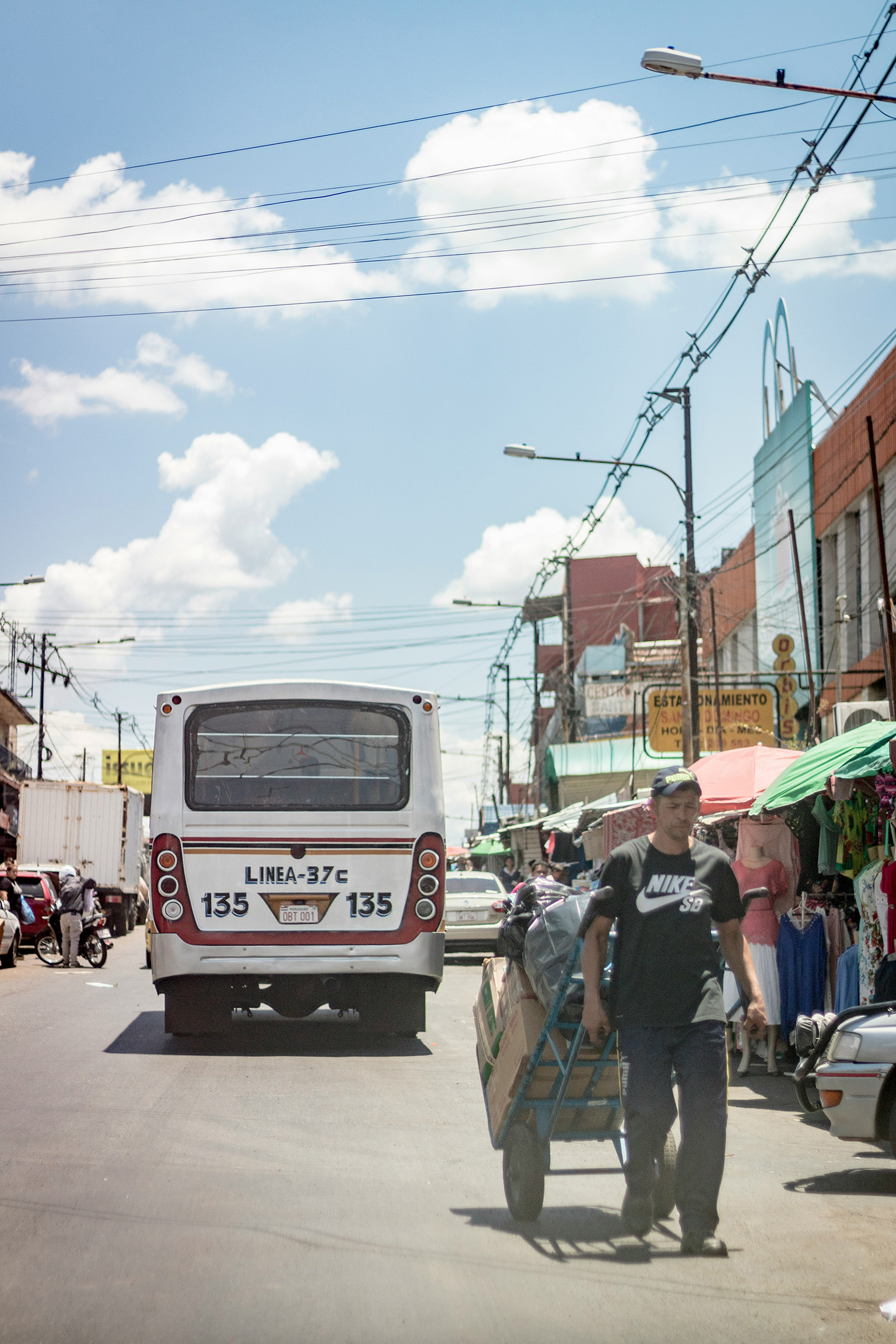
Daily life in Paraguay often involves bustling streets filled with public transport and hardworking locals.
Cons of Living in Paraguay
7. Intense Summer Heat
Let’s be honest — Paraguay gets hot. Summer temperatures can easily reach 35°C (95°F) with high humidity, especially from December to February.
Air conditioning becomes a necessity, not a luxury.
While the dry winter months are pleasant, the summer heat can be overwhelming for those used to milder climates. It’s a practical reality that should factor into your decision.
8. Developing Infrastructure
Paraguay is growing, but its infrastructure is still catching up. Outside the major cities, roads can be rough and public transport is limited. Power or water outages happen occasionally, and rural internet speeds can be inconsistent.
Asunción and Ciudad del Este are improving quickly, but infrastructure remains one of the main trade-offs of life here. If you work remotely, reliable internet is available, but research providers and neighborhoods carefully before committing to a location.
9. Bureaucracy and Corruption
Paraguay ranks low on global transparency indexes, and the bureaucracy can test your patience. Corruption rarely affects daily expat life directly, but it can surface during administrative processes like licensing or property registration.
That’s a common theme behind many expat regrets in Paraguay, especially for people who plan to invest or start a business. Staying informed, using reputable contacts, and building in extra time will make the system much easier to navigate.
Safety is a major factor for many expats, particularly families, which is why reviewing the safest places to live in Paraguay is essential before making a decision.
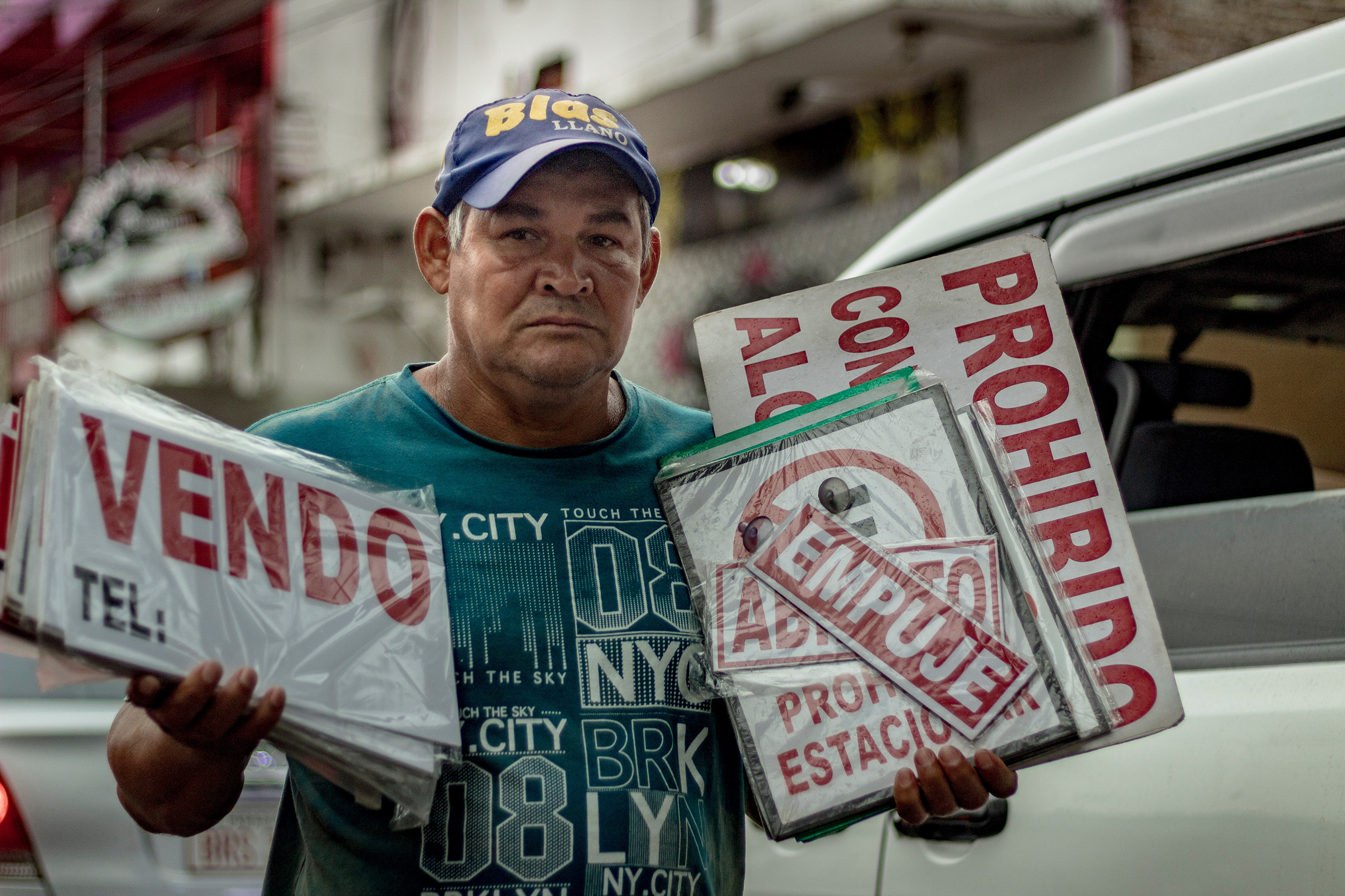
Street vendors are an integral part of Paraguay’s vibrant local economy.
10. Language Barrier
While many Paraguayans in cities speak Spanish with limited English, Guaraní is widely spoken in daily life — especially outside urban centers.
Living in Paraguay without Spanish can become frustrating when performing tasks like opening a bank account or visiting the doctor.
For expats who prioritize ease of communication, this gap matters.
11. Limited Job Opportunities
Unless you work remotely or own a business, finding well-paid local employment can be difficult. Salaries are low compared to Western standards, and the job market is small. That’s why most expats in Paraguay rely on remote work, pensions, or investments. It’s something to consider carefully, because financial independence is key here.
To compare your options quickly, download the Latin America residency map and see which countries fit your situation.
12. Banking and Financial Restrictions
Opening a bank account in Paraguay is possible but not always easy. The system is highly regulated against money laundering, and banks often request extensive documentation to prove the source of your funds.
English-speaking staff can be limited, and online banking services aren’t as smooth as in more developed economies.
While this won’t deter most long-term expats, it’s a mild frustration worth knowing about.
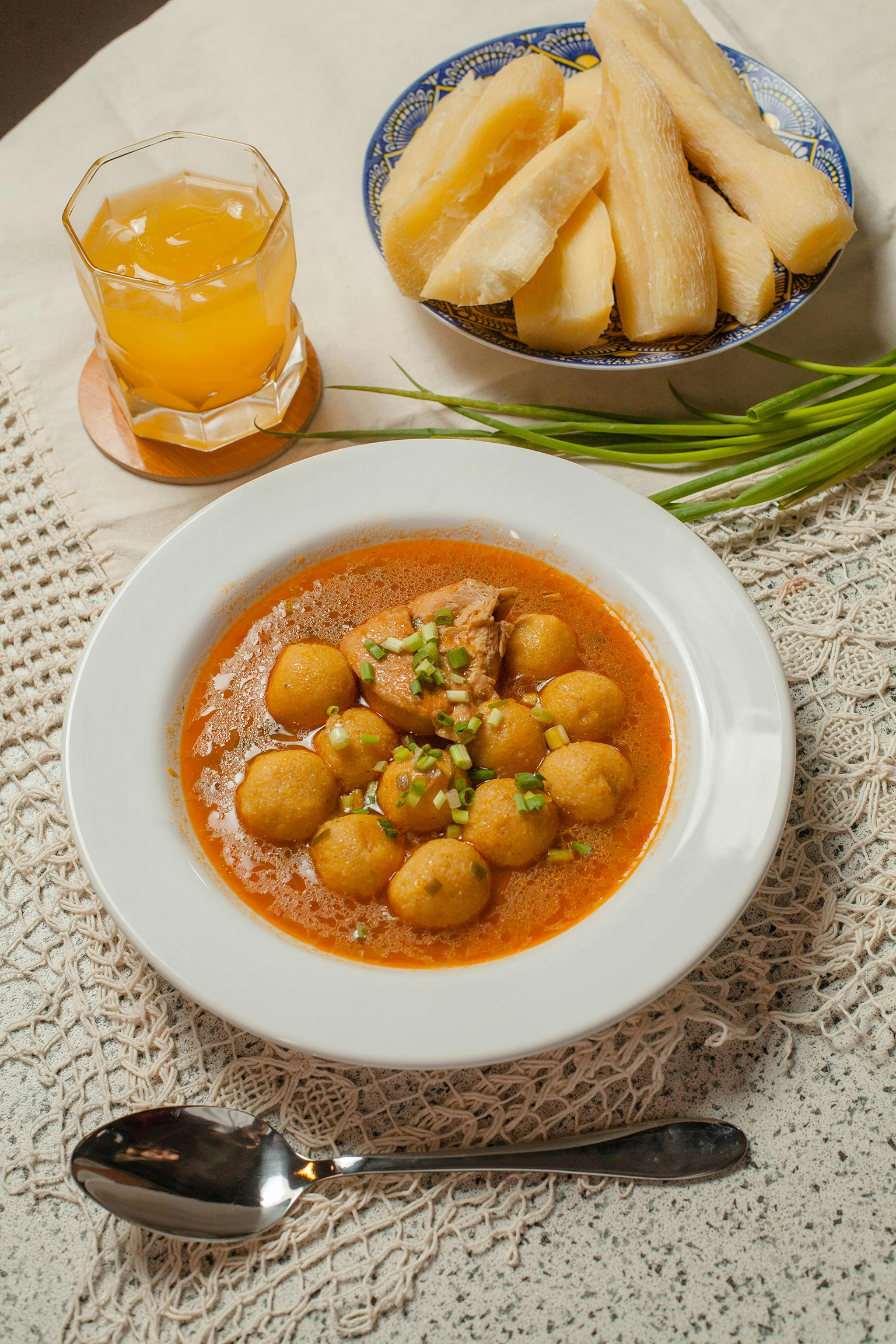
Enjoying traditional Paraguayan foods like chipa and mbejú is a highlight of living in Paraguay.
FAQs: Living in Paraguay Pros and Cons
What is Paraguay famous for?
Paraguay is best known for the Itaipu Dam — one of the world’s largest hydroelectric projects — its UNESCO-listed Jesuit ruins, and rich Guaraní heritage. These cultural and historical landmarks make the country stand out.
What makes Paraguay unique?
What truly makes Paraguay unique is its blend of Guaraní and Spanish culture, its strong sense of community, and a lifestyle that moves at a slower, more peaceful pace. When weighing the pros and cons of living in Paraguay, this cultural richness and laid-back rhythm are definite advantages.
What do people eat and drink in Paraguay?
Traditional foods like chipa (cheesy cornbread), mbejú (cassava pancake), and sopa paraguaya (cornbread casserole) are staples. Paraguayans also love tereré, a cold yerba mate drink that’s part of daily life.
Is Paraguay safe for expats?
Paraguay is generally considered safe, with low violent crime rates. Petty theft can occur, especially in crowded areas, so basic precautions go a long way.
Can foreigners buy property in Paraguay?
Yes. Foreigners can legally own land and property with very few restrictions. However, since real estate agents aren’t licensed, it’s important to work with trusted local contacts or legal professionals.
How much does it cost to live in Paraguay?
Paraguay remains one of the most affordable countries in South America. Rent, groceries, and healthcare cost far less than in North America or Europe.
Can you retire in Paraguay?
Yes — many retirees choose Paraguay for its low living costs, friendly culture, and straightforward residency program. Its affordability and peaceful pace of life make it especially appealing for retirees on a fixed income.
How is healthcare in Paraguay?
Public healthcare in Paraguay is free but limited in quality and availability. Most expats opt for affordable private clinics and hospitals in major cities like Asunción or Encarnación. Access to quality care is worth factoring in, especially for families and retirees.
Can a foreigner open a bank account in Paraguay?
Yes, but the process can be slow. You’ll need temporary or permanent residency and documentation proving the source of any funds from abroad. Paraguayan banks follow strict anti–money laundering rules, so transparency is key.
Final Thoughts on Living in Paraguay Pros and Cons
Paraguay offers many advantages for expats: low living costs, friendly locals, open spaces, and a relaxed culture. Like any destination, there are challenges—developing infrastructure, limited banking access, and a very warm climate—but weighing the pros and cons of living in Paraguay helps you see the full picture.
If you’re exploring new opportunities abroad, Paraguay deserves a place on your shortlist. From affordable housing to a welcoming community, it offers real freedom and simplicity.
Still comparing countries? The free Latin America Residency Map will instantly reveal where you qualify to live and launch your dream expat life in Latin America!