

14 min read
Nicaragua combines colonial cities, Pacific beaches, and Caribbean islands, giving you a wide range of lifestyle options within a relatively small and accessible region. While infrastructure and services vary by location, Nicaragua continues to attract retirees, digital nomads, and freedom-seekers drawn to its low cost of living and laid-back culture. Ultimately, the best places to live in Nicaragua come down to how you balance convenience, community, and lifestyle priorities.
……………………………..
If you’re considering moving abroad, Nicaragua has emerged as one of Central America’s most attractive destinations for expats, digital nomads, and retirees.
Whether you crave colonial charm, endless beaches, vibrant culture, or remote island vibes, the best places to live in Nicaragua offer something for every lifestyle. If you’re still exploring what daily living in Nicaragua actually looks like, understanding the lifestyle differences between regions is key before choosing your base.
We’ll compare locations head-to-head, break down coastal versus inland living, and help you decide based on your priorities. From walkable colonial cities to Pacific surf towns and Caribbean islands, the best places to live in Nicaragua strike a balance between affordability and quality of life—especially when you factor in the surprisingly low cost of living in Nicaragua compared to other expat hotspots.
This guide breaks down the top locations based on real expat experiences, healthcare access, internet reliability, safety, infrastructure, and what long-term living in Nicaragua truly looks like on the ground.
Table of Contents
Quick Comparison: Best Places to Live in Nicaragua
Here’s a snapshot of the top contenders for the best places to live in Nicaragua in 2026:
| Location | Best For | Cost | Expat Community | Healthcare | Lifestyle |
| Granada | Colonial charm & balanced living | $$ | Strong | Good | Walkable, culture-rich |
| San Juan del Sur | Beach lifestyle & social scene | $$–$$$ | Strong | Moderate | Surfing, nightlife, expat events |
| León | Culture & affordability | $ | Moderate | Good | Urban, authentic, student vibe |
| Corn Islands | Remote island living | $$ | Small | Limited | Relaxation, diving, nature |
These rankings draw from Expatistan cost-of-living data, and on-the-ground realities. Granada and San Juan del Sur dominate for newcomers, León offers unbeatable value, and the Corn Islands are perfect for those seeking true seclusion.
Trying to figure out where Nicaragua actually fits long-term? → We break down the easiest residency options and visa pathways across the region inside the Latin America Residency Map.

Many expats begin their journey by researching the best places to live in Nicaragua online.
How to Choose Where to Live in Nicaragua
Choosing one of the best places to live in Nicaragua comes down to lifestyle, priorities, and practical needs. Consider these key factors:
Climate (Coast vs Inland)
- Coastal areas: San Juan del Sur and Corn Islands—hot, humid tropical weather with a dry season from December–April, perfect for beach life.
- Inland cities: Granada and León—slightly milder, with lake breezes and urban shade offering relief.
- Northern highlands: Cooler “eternal spring” temperatures, not covered here but worth noting.
Infrastructure Realities
- Major hubs have reliable electricity and fiber internet.
- Rural and island areas may experience occasional outages and slower connectivity.
- Roads are improving, but remote areas remain rough.
Lifestyle (Social vs Quiet)
- Colonial cities: Cafes, markets, festivals, walkable streets.
- Beaches: Surfing, sunset bars, yoga retreats.
- Islands: Relaxed, low-key pace, nature-focused.
Healthcare Access
- Private clinics in Granada and León serve expats well; major hospitals are in Managua.
- Coastal and island areas require planning for serious medical needs.
Coastal vs Inland Living in Nicaragua for Expats
One of the biggest decisions when assessing the best places to live in Nicaragua is choosing between coastal or inland living.
Climate differences: Coastal zones (San Juan del Sur, Corn Islands) average 80–90°F (27–32°C) with high humidity and a pronounced rainy season (May–November). Inland colonial cities like Granada and León run 5–10°F cooler, with lake breezes or urban shade offering relief.
Cost differences: Inland living edges out cheaper—expect 10–20% lower rents and groceries. Coastal spots carry a slight “expat premium” for ocean views, though overall Nicaragua remains one of Central America’s most affordable countries.
Lifestyle differences: Coastal means surfing, fresh seafood, and social beach bars. Inland delivers walkable historic centers, museums, and a more integrated expat-local mix. As you explore the best places to live, you’ll see they are exactly where expats live in Nicaragua thanks to established communities and local amenities.
Internet reliability: Fiber-optic service hits 50+ Mbps in Granada, León, and San Juan del Sur. The Corn Islands and remote beaches rely on spotty 4G or satellite—fine for basics but challenging for heavy remote work.
Safety: If you’re considering relocating and living in Nicaragua, you might first wonder, “is Nicaragua safe in 2026?” before exploring our top-rated neighborhoods and cities.
If you’re thinking beyond short stays, the free Latin America Residency Map shows you where it’s actually easiest to stay long-term without complications.”
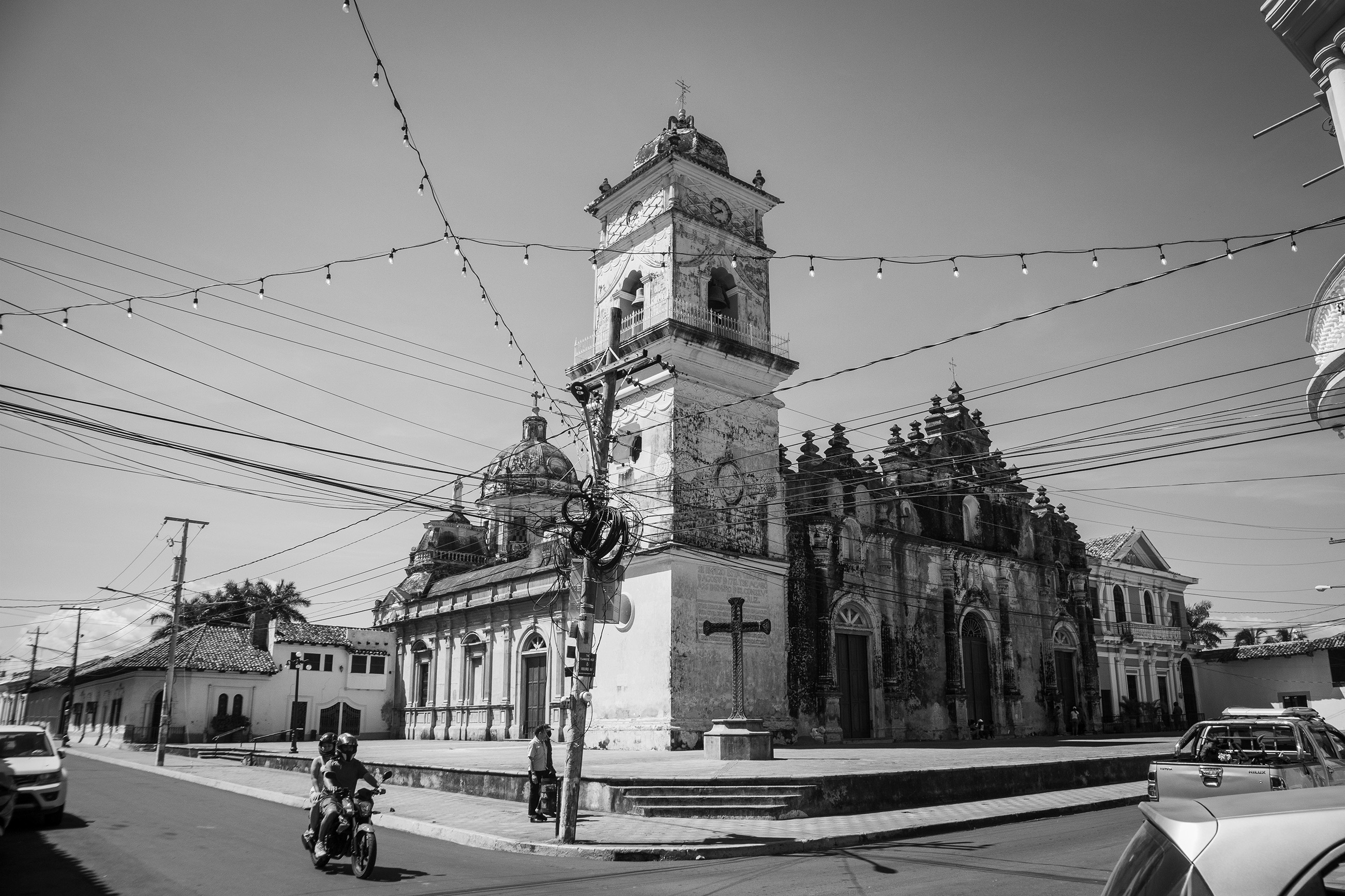
Granada’s colonial streets and historic architecture make it one of Nicaragua’s most desirable cities.
Best Places to Live in Nicaragua (By Lifestyle)
Granada – Best for Colonial Charm & Balanced Living
Granada tops many lists of the best places to live in Nicaragua for good reason. This 500-year-old colonial gem on Lake Nicaragua blends history, amenities, and community.
Why Expats Choose Granada:
- Strong English-speaking networks and walkable streets
- Day trips to volcanoes and nearby islands
- Thriving expat scene without overshadowing local culture
Cost of living snapshot (2026): A single person lives comfortably on $1,000–$1,800/month (including $300–$500 rent for a 1-bedroom in the historic center). Couples manage on $1,500–$2,500. Groceries and dining remain bargain-level.
Granada Housing & Neighborhood Insights
Top Neighborhoods:
- Historic Center (Centro Histórico): Heart of colonial Granada, walkable streets, colorful homes, cafes, and restaurants. Excellent expat presence and English-speaking services.
- Reparto San Juan: Quiet residential area with modern homes and parks, popular with families. Safe and well-patrolled.
- La Calzada & Parque Central area: Social hub with nightlife, boutique shops, and easy access to markets and healthcare.
Safety & Walkability: Daily life in Granada is generally safe. Low street crime, vigilant community, and friendly police presence make neighborhoods in Granada a secure choice for newcomers. Avoid flashing valuables and take standard precautions at night.
Amenities & Expat Presence: Granada has a strong well-integrated expat & local culture. The city has high-end restaurants, reliable internet, public & private clinics, various grocery stores, co-working spaces, and a vibrant social scene.
Pros & Cons of Living in Granada
Pros:
- Excellent private clinics and proximity to top hospitals in Managua.
- Vibrant yet relaxed vibe with international restaurants and markets.
- Reliable utilities and fast internet.
Cons:
- Tourist crowds in peak season.
- Lake water quality limits swimming (opt for pools).
Best for: Retirees and families seeking culture without isolation.
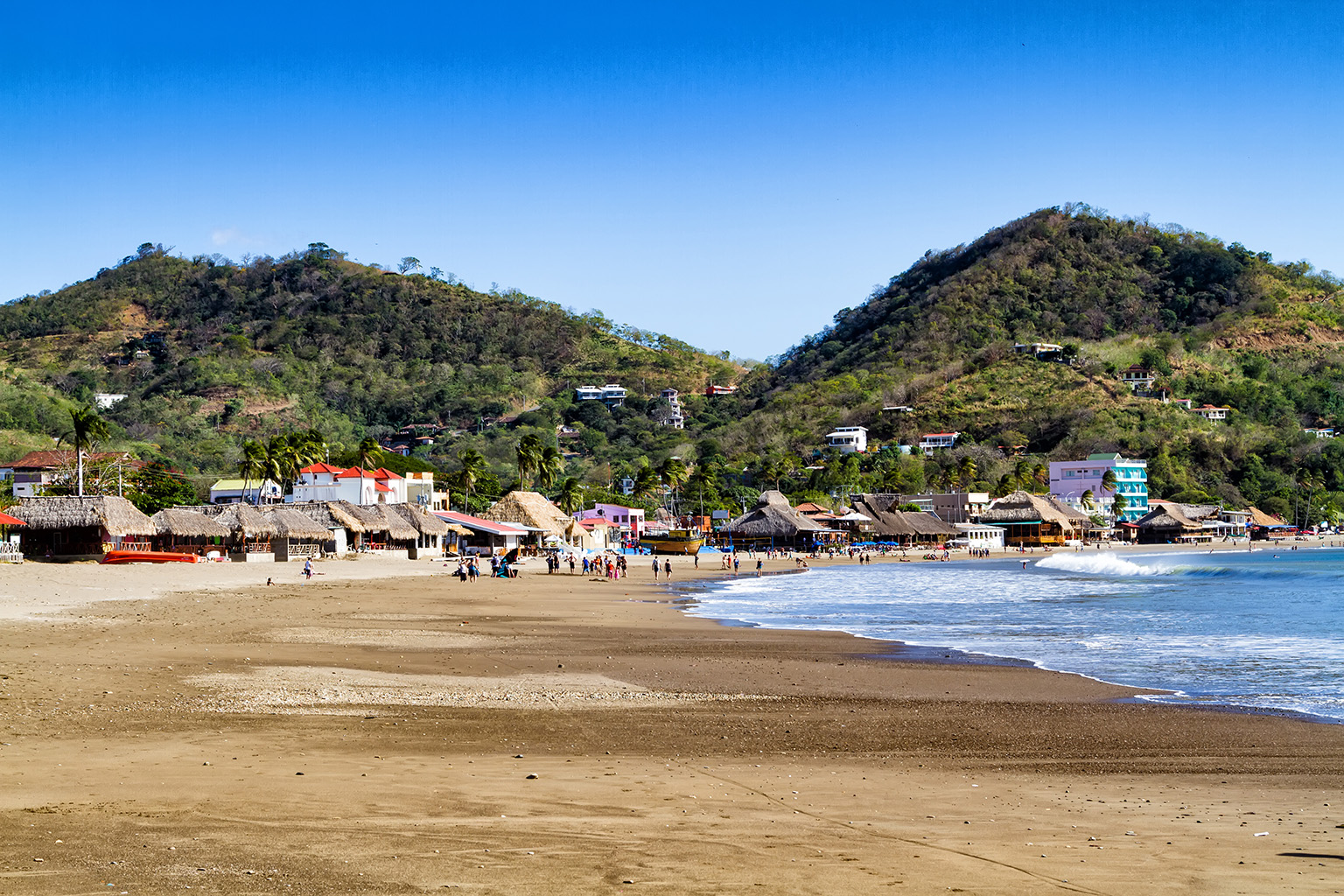
San Juan del Sur offers a laid-back beach lifestyle with a strong expat community.
San Juan del Sur – Best for the Beach & Community Life
If sun, surf, and socializing top your list of must-haves for the best places to live in Nicaragua, living in San Juan del Sur as an expat delivers. This Pacific bay town draws a lively international crowd.
Why Expats Choose SJDS:
- World-class surfing, yoga, and sunset parties
- Year-round expat events and community networks
Cost snapshot (2026): Singles budget $1,200–$2,000/month; 1-bedroom rents run $400–$800 depending on ocean views. Higher than inland but still a deal versus Costa Rica.
San Juan del Sur Housing & Neighborhood Insights
Top Neighborhoods:
- Bayfront (Playa Maderas & Playa Hermosa): Oceanfront homes and condos with surfing access; popular with digital nomads.
- Downtown SJDS: Easy access to markets, cafes, and nightlife; moderate safety.
- Hillside Residential Areas: Quiet homes with sea views, gated communities, often preferred by retirees.
Safety & Walkability: Day-to-day life is comfortable and low-crime, particularly near tourist and expat zones. Exercise caution in unlit areas at night. Walking is easy downtown, but hilly areas may require a car.
Amenities & Expat Presence: Strong expat community, yoga studios, co-working spaces, supermarkets, and international restaurants. Fiber internet is reliable, though peak-season crowds can impact service.
Pros & Cons of Living in San Juan del Sur
Pros:
- Direct beach access and outdoor lifestyle.
- Growing restaurant and wellness scene.
- Solid expat support for newcomers.
Cons:
- Humid heat and seasonal rains.
- Moderate healthcare (local hospital plus clinics; serious cases go to Rivas or Managua).
Best for: Young professionals, digital nomads, and social retirees craving coastal energy.
Not sure if Nicaragua is your best option? Use the Latin America Residency Map to quickly discover which countries you qualify for based on your lifestyle goals.
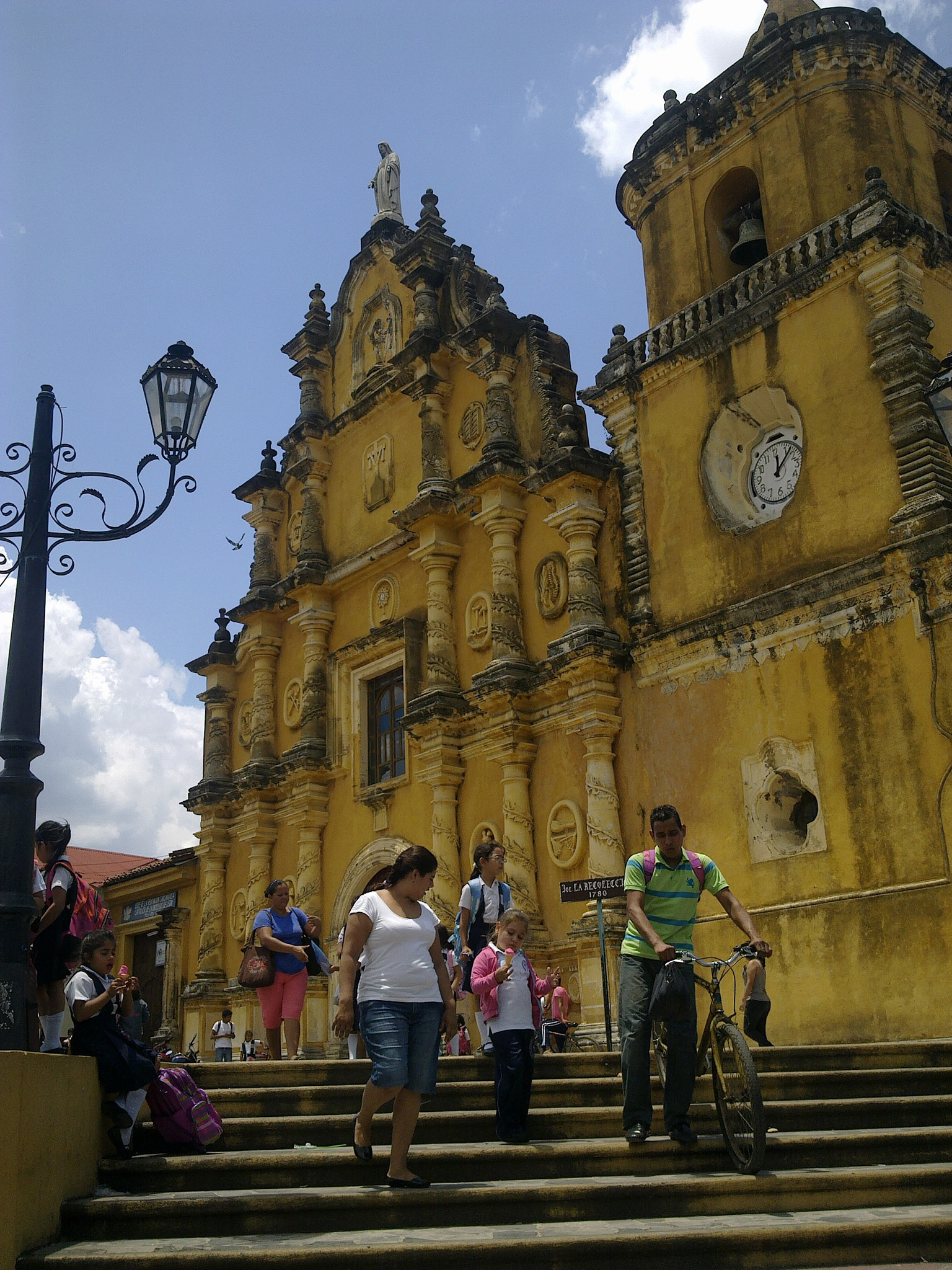
León blends history, culture, and affordability in one vibrant city.
León – Best for Affordability & Cultural Living
León earns its spot among the best places to live in Nicaragua for value-driven expats who want an authentic Nicaraguan experience. This university city pulses with history and street life. If you’re undecided the León vs Granada Nicaragua post will breakdown the aspects for expats living here.
Why Expats Choose León:
• Colonial architecture, festivals, and lively street culture
• Proximity to beaches like Las Peñitas
• Lower costs, fewer tourists than Granada
Cost snapshot (2026): Singles thrive on $750–$1,500/month. 1-bedroom rents average $200–$400—often the lowest among popular spots.
San Juan del Sur Housing & Neighborhood Insights
Top Neighborhoods:
- Centro Histórico: Colonial architecture, museums, and a university town vibe. Walkable streets and markets provide easy daily life.
- Barrio La Merced: Close to local schools and clinics; quiet but connected to city life.
- El Piojo & Suburban León: Residential outskirts with modern homes, safer streets, and lower rents.
Safety & Walkability: León is generally safe in expat-frequented areas, with a friendly local population. Street crime is minimal in central zones; use caution in peripheral areas, especially at night.
Amenities & Expat Presence: Moderate-sized expat community, good private clinics, bike-friendly streets, and a student-driven cultural life. Grocery stores, cafes, and restaurants are plentiful.
Pros & Cons of Living in León
Pros:
- Deep cultural immersion and friendly locals.
- Good healthcare via university-affiliated facilities.
- Walkable, bike-friendly layout.
Cons:
- Smaller expat community than Granada or SJDS.
- Hotter, dustier dry season..
Best for: Budget-conscious culture lovers and long-term residents seeking “real” Nicaragua.
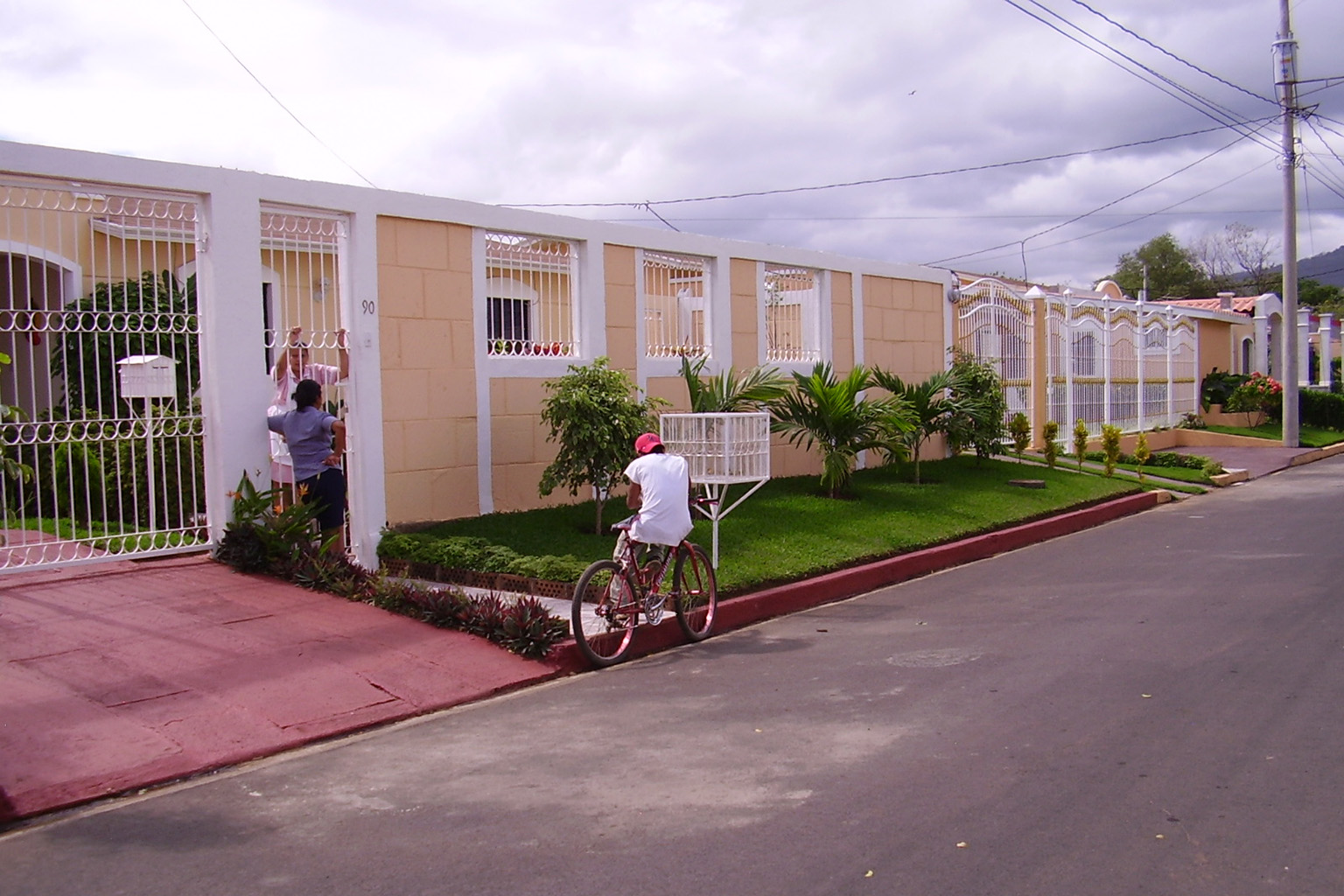
Managua offers modern housing, amenities, and convenience for expats.
Managua – Best for Urban Convenience & Modern Amenities
If city living, convenience, and access to modern services top your list of must-haves for the best places to live in Nicaragua, Managua delivers. The capital city combines urban infrastructure with a growing expat presence and easy connections to the rest of the country.
Why Expats Choose Managua:
- Full access to private hospitals, international schools, and shopping centers
- Strong expat networks and social communities in modern neighborhoods
Cost snapshot (2026): Singles budget $900–$1,700/month; 1-bedroom rents run $300–$700 in central neighborhoods. Overall costs are slightly higher than smaller inland towns but lower than many regional capitals in Central America.
Managua Housing & Neighborhood Insights
Top Neighborhoods:
- Zona Hippos / Managua Centro: Central business and residential district with shops, cafes, and government offices; moderate expat presence.
- Los Robles / Lomas de Monserrat: Quiet residential zones with gated communities, parks, and easy access to international schools; popular with families and retirees.
- Carretera Masaya / Reparto San Juan: Mix of modern apartments and traditional homes; good infrastructure and close to amenities.
Safety & Walkability: Daily life in Managua is generally safe in expat-friendly neighborhoods, though petty theft can occur. Standard precautions—avoiding unlit streets at night and not flashing valuables—are recommended. Walkability varies; central areas are pedestrian-friendly, while suburban zones often require a car.
Amenities & Expat Presence: Reliable electricity, fiber internet, supermarkets, malls, and international restaurants. Expats have access to private clinics, gyms, and social meetups. The city also serves as a hub for domestic flights and road travel throughout Nicaragua.
Pros & Cons of Living in Managua
Pros:
- Access to modern healthcare, shopping, and international schools
- Central hub with easy domestic and regional travel
- Diverse expat and local community networks
Cons:
- Urban traffic and air pollution
- Less scenic charm than colonial cities or coastal towns
- Certain areas can feel hectic or impersonal
Best for: Professionals, families, and expats prioritizing convenience, modern amenities, and city living over beaches or colonial charm.
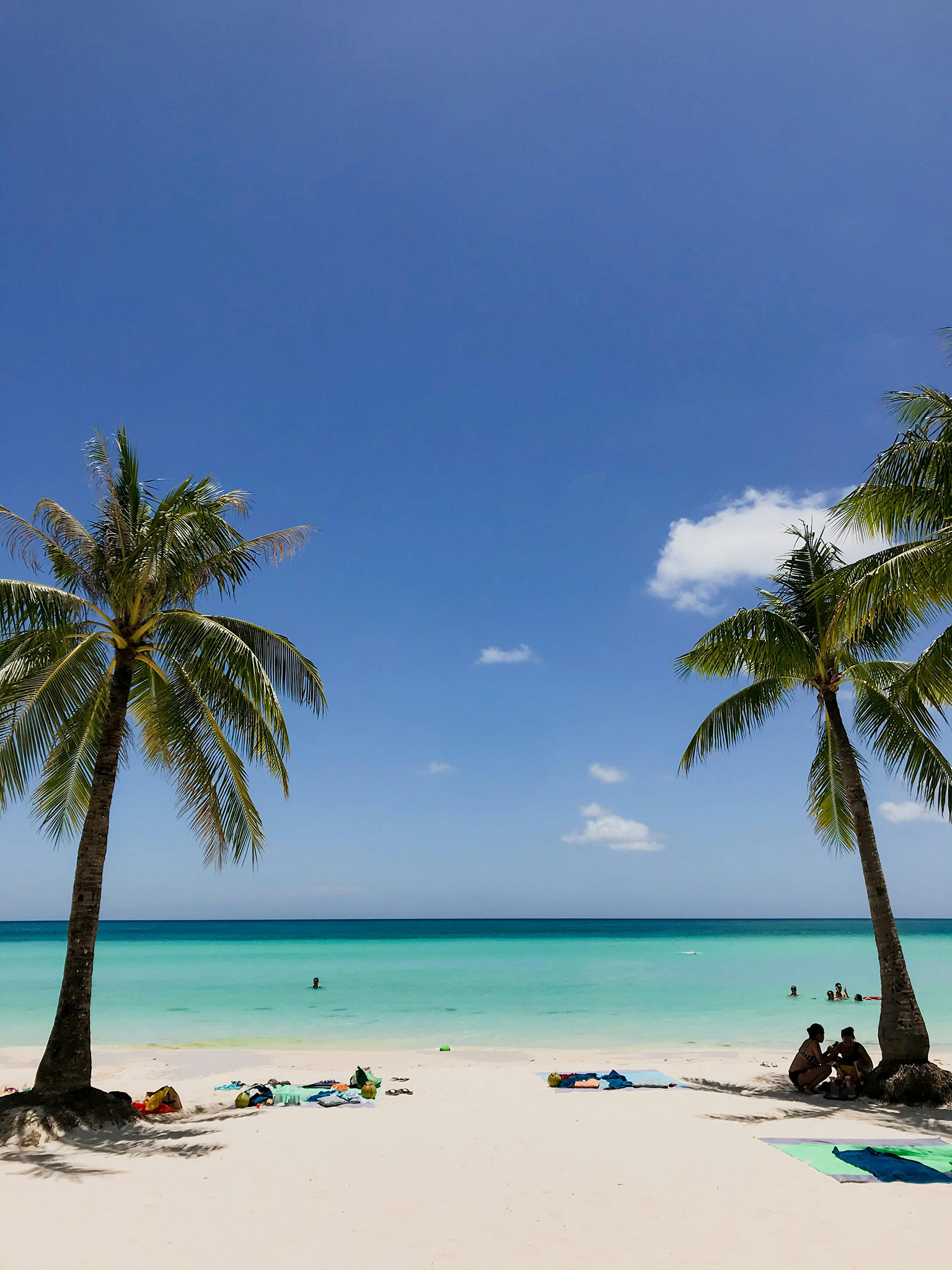
The Corn Islands offer a peaceful, off-grid Caribbean lifestyle.
Corn Islands – Best for Remote Island Living
For those dreaming of turquoise waters and barefoot days, the Corn Islands rank high on lists of the best places to live in Nicaragua for seclusion seekers.
Why Expats Choose the Corn Islands:
- Pristine beaches, diving, and relaxed island lifestyle
- Big Corn offers more services than Little Corn
Cost snapshot (2026): Expect $1,000–$2,000/month. Rents start around $300–$600, but imported goods raise food and utility bills.
Corn Islands Housing & Neighborhood Insights
Top Neighborhoods:
- Big Corn – Bantayan & Paraiso: Main expat areas with access to shops, restaurants, and diving schools. Safe, small community with close-knit social ties.
- Little Corn: No cars, fewer services, ideal for off-grid living, quiet and pristine beaches.
Safety & Walkability: Crime is minimal due to the small population, but infrastructure is limited. Walking is the main mode of transportation. Standard precautions apply at night.
Amenities & Expat Presence: Spotty internet and electricity, small clinics, and grocery shops. Expats are few but tight-knit; the island favors self-sufficient lifestyles.
Pros & Cons of Living in the Corn Islands
Pros:
- Incredible natural beauty and water activities.
- Small, tight-knit expat and local community.
Cons:
- Limited healthcare and infrastructure—ferry to mainland for major needs.
- Spotty internet and power outages.
- Hurricane risk (June–November).
Best for: Off-grid enthusiasts and retirees prioritizing nature over convenience.
Most people focus on lifestyle first—then realize too late that residency is the real constraint. If you want to avoid that mistake, the free Latin America Residency Map breaks down where you can realistically stay, how, and what it actually takes.
Smaller Towns & Emerging Areas (Estelí, Matagalpa, Ometepe)
Beyond the big four, smaller spots like Estelí (tobacco country), Matagalpa (cooler mountains), and Ometepe (twin-volcano island) appeal to experienced expats. Costs drop further, but infrastructure lags—fewer English speakers, slower internet, and basic healthcare. Ideal if you’ve already tested Nicaragua and crave even lower prices and authentic immersion.
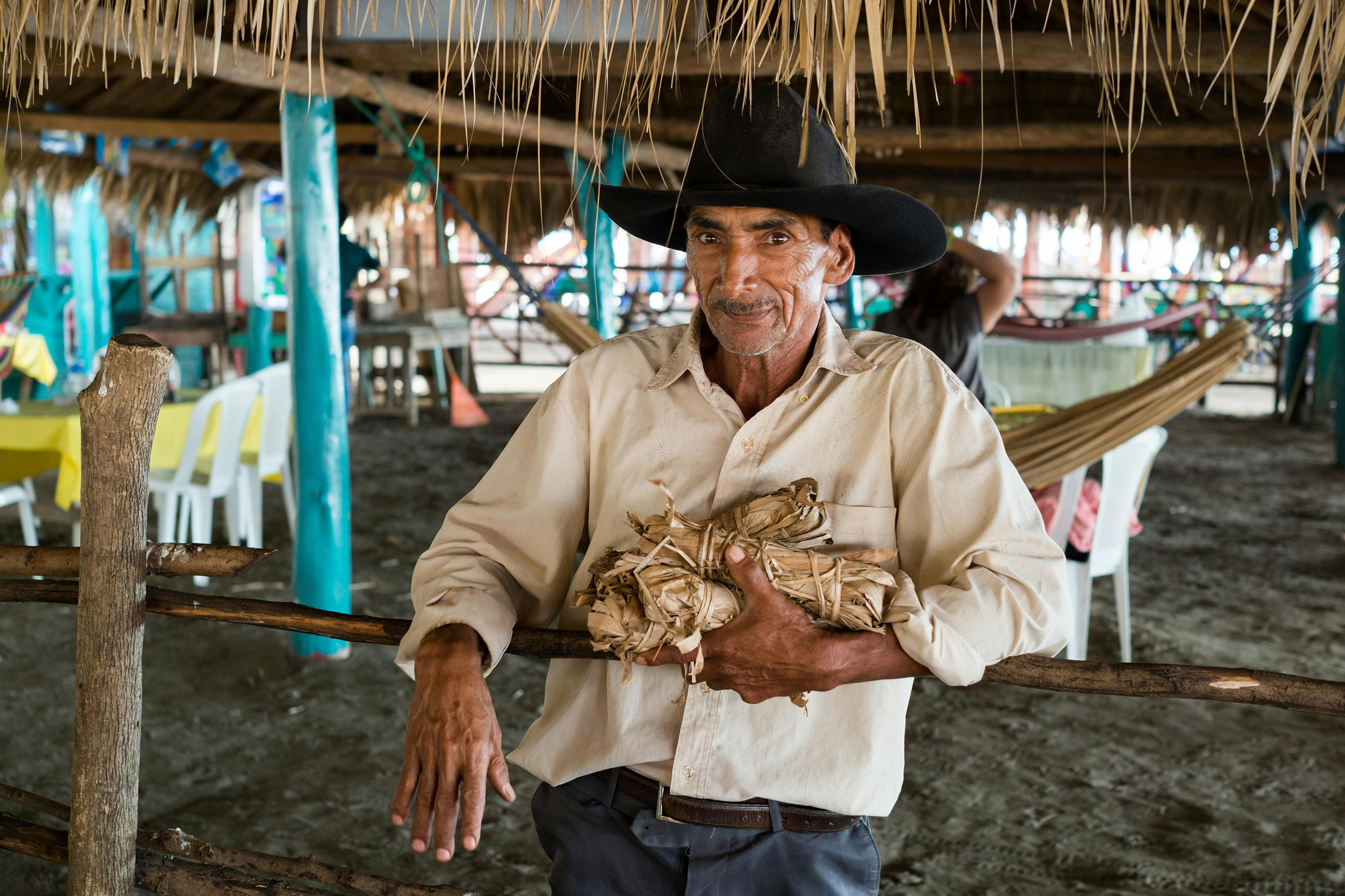
Rural Nicaragua reflects the country’s traditional lifestyle and slower pace of living.
Where You Should Live in Nicaragua Based on Your Lifestyle?
Matching location to lifestyle is key to finding your personal best place to live in Nicaragua:
| Lifestyle | Recommended Location |
| Remote workers | Granada or San Juan del Sur for reliable fiber internet and co-working vibes |
| Retirees | Granada for walkability and healthcare; San Juan del Sur for beach relaxation |
| Families | León or Granada—better schools, parks, and community activities |
| Off-grid seekers | Corn Islands or Ometepe for self-sufficient living amid nature |
If Nicaragua is on your shortlist, the next step isn’t picking a city—it’s understanding how you stay legally long-term. That’s exactly what the Latin America Residency Map is designed to simplify.
Where NOT to Live in Nicaragua (For Most Expats)
Not every corner suits newcomers.
Skip ultra-remote mainland villages or areas with poor infrastructure if you need consistent healthcare, fast internet, or easy airport access.
Managua’s outskirts can feel chaotic, and certain Caribbean Coast spots (beyond the Corn Islands) have higher isolation challenges.
The best places to live in Nicaragua for most expats remain the established hubs listed above.
Cost of Living by Location (Quick Comparison)
Nicaragua shines for affordability across the best places to live in Nicaragua:
| City | Single | Couple |
| Granada | $1,000–$1,800 | $1,500–$2,500 |
| San Juan del Sur | $1,200–$2,000 | $1,800–$3,000 |
| León | $750–$1,500 | $1,200–$2,200 |
| Corn Islands | $1,000–$2,000 | $1,600–$2,800 |
Utilities, dining out, and domestic help stay inexpensive everywhere.
Final Thoughts on the best places to live in Nicaragua: Choosing Based on Lifestyle, Not Price
The best places to live in Nicaragua in 2026 are not just the cheapest—they fit your long-term vision. Short-term rentals, visiting multiple locations, and talking to current expats will give you clarity.
Whether it’s Granada’s colonial streets, San Juan del Sur’s beach energy, León’s cultural pulse, or Corn Islands’ natural paradise, Nicaragua rewards those who embrace its rhythm.
If you’re serious about living in Nicaragua—or anywhere in Latin America—the biggest mistake is guessing your way through residency. The free Latin America Residency Map gives you a clear breakdown of your best options so you can move forward with confidence.
FAQ: Best places to live in Nicaragua for Expats
Is Nicaragua safe for expats?
Yes. Cities like Granada, León, and San Juan del Sur are generally safe with low street crime according to this Nicaragua safety and security report. Community vigilance and friendly police presence make daily life comfortable. Standard precautions—avoiding flashing valuables and staying in well-lit areas at night—are recommended.
Which city is best for retirees in Nicaragua?
Granada is ideal for retirees seeking walkable streets, colonial charm, and access to healthcare. San Juan del Sur offers beachside relaxation for those wanting a social, coastal lifestyle.
Where can digital nomads work with reliable internet?
Granada, León, and San Juan del Sur have fiber-optic internet and coworking spaces suitable for remote work. The Corn Islands and remote beaches are more limited, often relying on 4G or satellite connections.
What is the cost of living for a single expat in Nicaragua?
• Granada: $1,000–$1,800/month
• San Juan del Sur: $1,200–$2,000/month
• León: $750–$1,500/month
• Corn Islands: $1,000–$2,000/month
These costs include rent, utilities, groceries, and basic expenses.
Are there family-friendly neighborhoods in Nicaragua?
Yes. In Granada, Reparto San Juan and La Calzada areas are family-oriented. In León, Barrio La Merced and suburban zones are safe and offer schools and parks. San Juan del Sur has hillside communities suited for families seeking quieter residential living.
Where should off-grid or nature-focused expats live?
The Corn Islands and Ometepe Island are perfect for self-sufficient lifestyles, remote living, and immersion in nature. Infrastructure is limited, so plan accordingly.
How do I choose between coastal and inland cities?
• Coastal: San Juan del Sur and Corn Islands—hot, humid, ideal for beach life and outdoor activities.
• Inland: Granada and León—milder temperatures, cultural immersion, walkable streets, and slightly lower costs.
These photos featured in this post were shared by talented photographers through Creative Commons licensing. Full credit appears below:
• The church – lglesia de la Recolección in León, Nicaragua. Sasha India, CC BY 2.0, via Wikimedia Commons
• Managua neighborhood – Oliverhenriquez, CC BY 3.0, via Wikimedia Commons