

11 min read
Nicaragua’s serene beaches, vibrant colonial cities, and Caribbean islands are perfect for every freedom-adventurer. On the other hand, the cost of living in Nicaragua can vary by location, lifestyle, and household, allowing expats to thrive affordably. Inland gems like León and Granada offer reliable infrastructure, stable housing, and low daily costs, while coastal spots add premiums for tourism, ocean views, and logistics. Getting a handle on these regional quirks will help you plan the perfect budget and pick a spot that truly matches your dream life.
……………………………..
Table of Contents
What Is the Real Cost of Living in Nicaragua in 2026?
If you’re seriously evaluating the cost of living in Nicaragua, you’re not looking for fantasy numbers. You want clarity. You want to know whether moving here actually makes financial sense for your stage of life.
Can you live comfortably on one income?
Can a couple retire well here?
Can a family afford private schooling without stress?
Does beach life cost significantly more than inland living?
The truth is this: the cost of living in Nicaragua is highly location-dependent. It is not a single number. It shifts based on tourism demand, infrastructure depth, housing availability, imported goods, and your expectations of comfort.
You may have seen claims that you can live here on $600 per month. That is technically possible under very local conditions. But most foreign residents who expect reliable internet, private healthcare access, stable housing, dining out occasionally, and air conditioning when needed will spend more.
This guide breaks down realistic 2026 monthly costs across four popular destinations:
- San Juan del Sur
- Granada
- León
- The Corn Islands
All estimates reflect a comfortable but not luxury lifestyle—clean housing, stable internet, regular dining out, private healthcare access, and moderate air conditioning use where needed, adjusted based on the latest data from reliable sources.
If you’re exploring the bigger picture of living in Nicaragua as an expat, this guide breaks down what to expect across the country.
Data references include:
- Numbeo – Nicaragua cost data (updated Dec 2025)
- Expatistan – Nicaragua comparisons (2026 prices)
- LivingCost.org – Country benchmarks
- Encuentra24 rental listings (2025–2026)
- Additional sources: International Living, Expat Exchange, and city-specific analyses.
Let’s break down what the cost of living in Nicaragua actually looks like in real numbers.
A geographic overview of the four key regions— San Juan del Sur, Granada, León, and the Corn Islands for cost of living in Nicaragua comparison.
Why the Cost of Living in Nicaragua Varies by Location
The cost of living in Nicaragua is far from uniform. Geography, tourism demand, infrastructure quality, and supply logistics all shape what you’ll spend each month. Coastal towns, inland cities, and island communities operate under different economic realities — and as covered in Expat Life in Nicaragua: What It’s Really Like, those differences extend well beyond your monthly budget.
- Tourism is one of the largest factors affecting the cost of living in Nicaragua. Coastal towns like San Juan del Sur rely heavily on foreign visitors, which drives up long-term rental prices, inflates restaurant costs, and increases grocery expenses for imported goods. Short-term vacation rentals also reduce long-term housing availability, pushing prices higher. In contrast, inland cities such as León and Granada operate largely on local wages, keeping rental, dining, and grocery costs more stable throughout the year.
- Infrastructure also plays a critical role. Cities with established hospitals, schools, universities, reliable fiber internet, and stable populations—like León and Granada—offer predictable expenses and reduce hidden costs such as emergency travel, unreliable utilities, or higher maintenance. Remote areas, on the other hand, often require paying premiums for reliable services.
- Logistics further affects costs in isolated regions. On the Corn Islands, most goods must be shipped from the mainland, which adds transportation and storage costs while limiting retail competition. These factors increase grocery prices and can affect utilities, making island living more expensive despite its natural appeal.
Ultimately, the cost of living in Nicaragua depends on your household size, lifestyle expectations, and infrastructure needs. Coastal towns carry a tourism premium, inland cities offer affordability, and islands introduce logistical costs—so knowing these differences is essential for realistic budgeting.
For a deeper dive, read Pros and Cons of Living in Nicaragua: The Real Benefits and Challenges for Expats to better understand the realities of moving here.
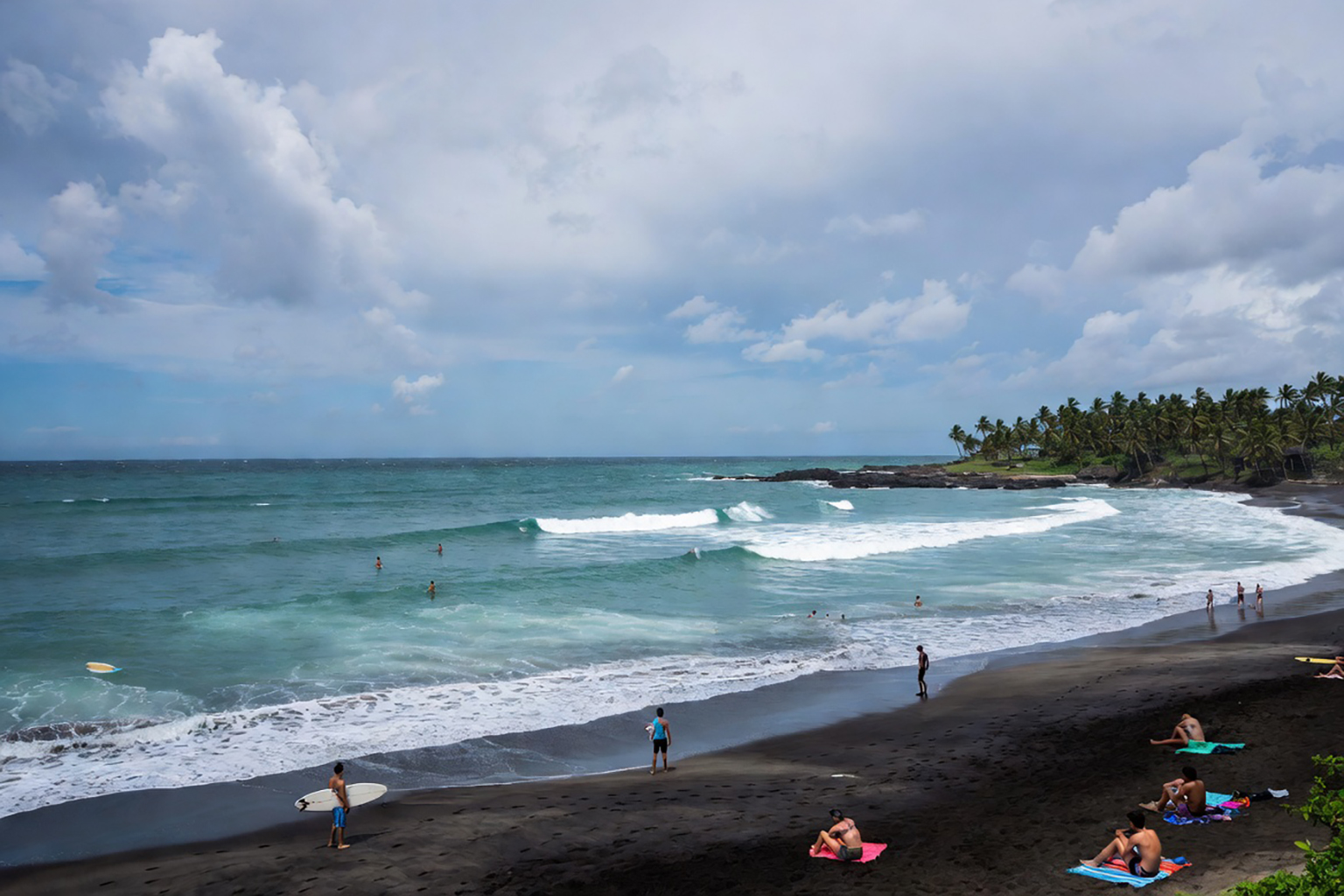
San Juan del Sur’s surf culture and beach lifestyle attract digital nomads and retirees—at a tourism-driven price point.
Cost of Living in Nicaragua: San Juan del Sur Breakdown (2026)
San Juan del Sur, Nicaragua’s most famous beach town, has grown from a quiet fishing village into a hub for expats, retirees, and digital nomads. Nestled on the Pacific coast near Costa Rica, it attracts those seeking surf culture, ocean views, and a lively international community. Its compact, walkable center offers restaurants, boutique hotels, coworking cafés, gyms, and tour operators, making social integration easier than in many inland cities.
Infrastructure & Accessibility in San Juan del Sur
While not a major infrastructure center, San Juan del Sur provides essential services for everyday life. In Rivas, about 45 minutes away by car, there are private clinics that can handle routine healthcare issues with full hospital facilities, more specialized care is available Managua. Managua International Airport is around 2.5 hours by car, while Liberia, Costa Rica is about two hours across the border. Fiber internet and coworking spaces make remote work feasible, though international schooling is limited, and most expat families rely on homeschooling or travel to Granada or Managua for education.
Housing & Lifestyle Costs in San Juan del Sur
The cost of living in San Juan del Sur is higher due to tourism-driven rent fluctuations, limited long-term housing options, ocean-view premiums, imported groceries, and the need for air conditioning in the humid coastal climate.
While not the cheapest location, it offers unparalleled coastal living, surf culture, and a strong social expat network, making it ideal for singles, couples, and remote professionals who value lifestyle over budget.
Monthly Cost of Living in Nicaragua – San Juan del Sur Budget (2026)
| Category | Single | Couple | Family of 4 |
| Rent | $400–$700 | $600–$1,100 | $900–$1,600 |
| Groceries | $180–$260 | $340–$460 | $650–$850 |
| Utilities | $80–$140 | $120–$180 | $160–$240 |
| Internet | $35–$45 | $35–$45 | $35–$45 |
| Transportation | $50–$90 | $90–$140 | $160–$240 |
| Dining & Lifestyle | $160–$320 | $280–$460 | $400–$650 |
| Estimated Monthly Total | $950–$1,450 | $1,500–$2,300 | $2,800–$3,800 |
The cost of living in Nicaragua is clearly higher here than inland cities due to tourism distortion.

Granada’s colonial charm offers walkability, culture, and balanced monthly expenses.
Cost of Living in Nicaragua: Granada Breakdown (2026)
Granada is one of the Americas’ oldest colonial cities, known for its colorful architecture, lake views, and relaxed pace. It attracts retirees, long-term expats, and families seeking a stable environment without the seasonal surges of beach towns. Its historic center is walkable, filled with cafés, markets, and cultural attractions, while English is increasingly common in expat-facing services.
Infrastructure & Accessibility in Granada
Granada offers reliable infrastructure for everyday living. Public and private hospitals provide quality healthcare, and Managua International Airport is 45–60 minutes away. Fiber internet supports remote work, and the city has international schools alongside a strong homeschooling community. Transportation is convenient, with local buses and taxis widely available, making it easy to get around without a car.
Housing & Lifestyle Costs in Granada
Renovated colonial homes, apartments, lake-view houses, and gated communities all make up the diverse rental options in most neighborhoods in Granada. Unlike tourism-driven coastal towns, the long-term rental market here is stable, keeping housing costs moderate. Dining, groceries, and entertainment are affordable compared with beach destinations, yet still provide comfortable urban amenities.
This combination of history, walkability, and stable costs makes Granada ideal for retirees, families, and expats who want comfort without paying a tourism premium.
Monthly Cost of Living in Nicaragua – Granada Budget (2026)
| Category | Single | Couple | Family of 4 |
| Rent | $300–$600 | $500–$900 | $800–$1,400 |
| Groceries | $150–$220 | $280–$380 | $600–$800 |
| Utilities | $70–$120 | $100–$150 | $140–$200 |
| Internet | $25–$35 | $25–$35 | $25–$35 |
| Transportation | $30–$60 | $60–$100 | $120–$180 |
| Dining & Lifestyle | $130–$280 | $220–$400 | $300–$550 |
| Estimated Monthly Total | $800–$1,200 | $1,300–$1,900 | $2,400–$3,300 |
For many households, Granada is the most practical version of the cost of living in Nicaragua.
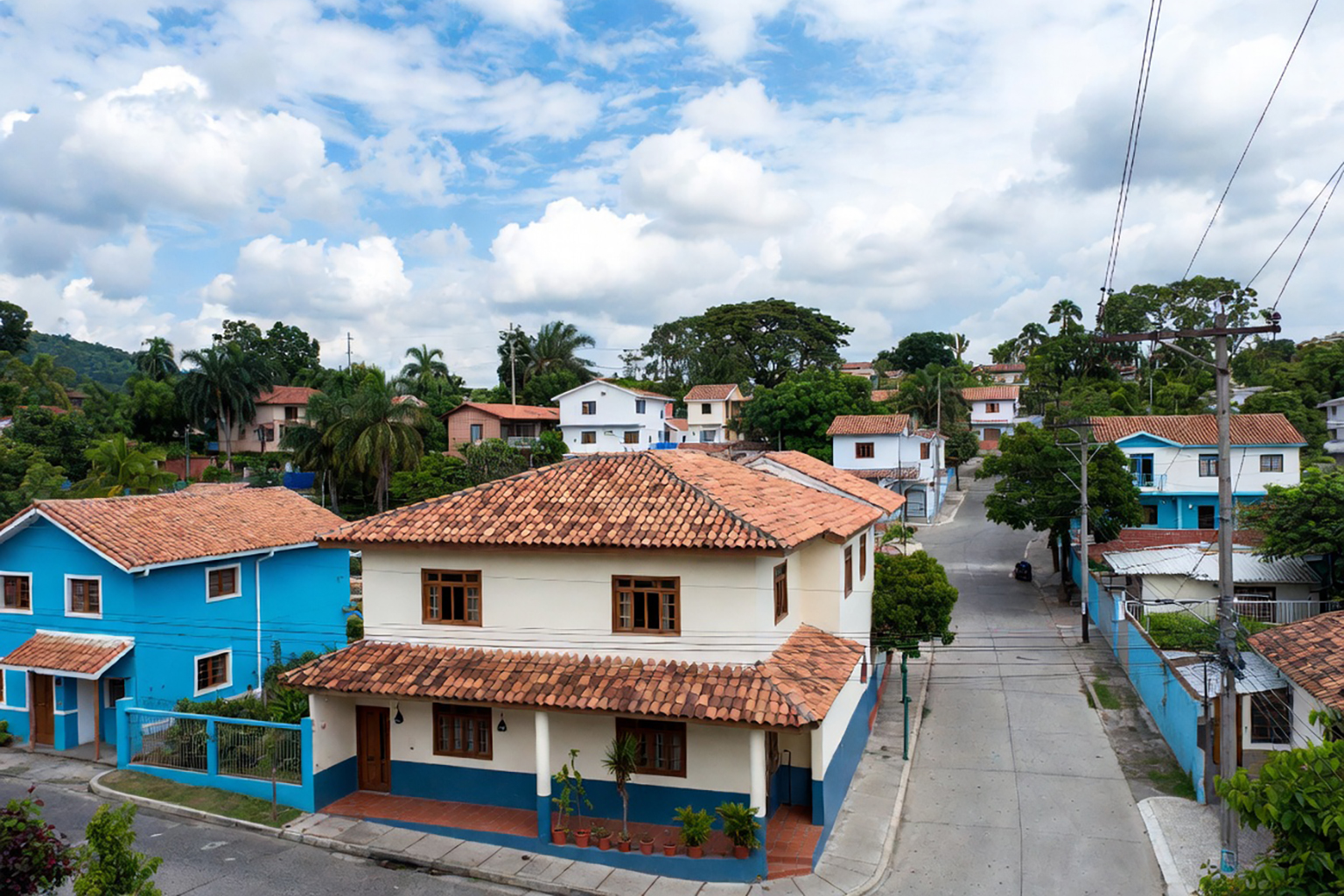
León delivers strong infrastructure and some of the lowest housing costs among Nicaragua’s major cities.
Cost of Living in Nicaragua: León Breakdown (2026)
León, Nicaragua’s cultural and university hub, is less influenced by tourism and more rooted in local life. It has all the cafes, markets, historical sites, and beaches reachable within 30–40 minutes. This results in lower prices across housing, groceries, and services while still offering essential infrastructure for expats, families, and retirees.
Infrastructure & Accessibility in León
León provides solid infrastructure for daily life. Public and private hospitals, established universities, and reliable internet make it practical for families and remote workers. The local population supports stable housing markets, and inland geography reduces air conditioning needs, keeping utility costs lower than coastal towns.
Housing & Lifestyle Costs in León
Rental options are plentiful, including larger homes suitable for families at affordable prices. Local schools, grocery markets, and walkable neighborhoods make León practical for longer-term living. Dining and entertainment reflect local cost structures rather than foreign-driven premiums.
Monthly Cost of Living in Nicaragua – León Budget (2026)
| Category | Single | Couple | Family of 4 |
| Rent | $250–$500 | $450–$800 | $700–$1,200 |
| Groceries | $130–$200 | $260–$360 | $550–$750 |
| Utilities | $60–$100 | $90–$130 | $120–$170 |
| Internet | $25–$35 | $25–$35 | $25–$35 |
| Transportation | $20–$50 | $50–$90 | $100–$160 |
| Dining & Lifestyle | $100–$220 | $180–$350 | $250–$450 |
| Estimated Monthly Total | $650–$1,050 | $1,100–$1,700 | $2,000–$2,900 |
With reliable infrastructure and the lowest overall costs among major Nicaraguan cities, León offers an ideal balance of affordability and practicality. If you’re still weighing your options? Keep exploring. The León vs Granada Nicaragua 2026: Expat Comparison Guide give a side-by-side analysis of infrastructure, lifestyle, and long-term practicality.

The Corn Islands offer Caribbean beauty—but island logistics shape everyday costs.
Cost of Living in Nicaragua: Corn Islands Breakdown (2026)
The Corn Islands, off Nicaragua’s Caribbean coast, offer turquoise waters, Caribbean culture, and a slower pace of life. This paradise appeals to remote workers, singles, and couples seeking island living, but it comes with logistical trade-offs that make costs higher than mainland cities.
Infrastructure & Accessibility in the Corn Islands
Healthcare is limited—basic clinics are available locally, but serious medical issues require travel to the mainland or air evacuation. Internet is available for remote work, though connectivity can be less reliable than inland cities. The islands have a small rental market, limited local services, and a high dependence on imported goods, which increases prices across groceries, utilities, and household essentials.
Housing & Lifestyle Costs in the Corn Islands
Housing options include beachfront cottages, small apartments, and vacation-style rentals. Long-term rentals are scarce, and ocean-view properties carry significant premiums. Imported groceries, restaurant meals, and seasonal products all cost more due to shipping and limited competition. Electricity costs fluctuate, especially with heavy reliance on air conditioning.
Monthly Cost of Living in Nicaragua – Corn Islands Budget (2026)
| Category | Single | Couple | Family of 4 |
| Rent | $450–$800 | $750–$1,300 | $1,100–$1,900 |
| Groceries | $200–$300 | $380–$540 | $750–$1,000 |
| Utilities | $80–$140 | $130–$190 | $180–$260 |
| Internet | $40–$60 | $40–$60 | $40–$60 |
| Transportation | $60–$110 | $100–$160 | $180–$280 |
| Dining & Lifestyle | $180–$350 | $300–$500 | $400–$700 |
| Estimated Monthly Total | $1,050–$1,600 | $1,700–$2,500 | $3,000–$4,200 |
While island life is visually and culturally appealing, these higher living costs reflect the logistical challenges and lifestyle trade-offs inherent to remote Caribbean living.

Four distinct lifestyles. Four different price structures. One country.
Cost of Living in Nicaragua: 2026 City Comparison Summary
To help you quickly compare budgets across popular destinations, this table summarizes estimated monthly expenses for singles, couples, and families of four in San Juan del Sur, Granada, León, and the Corn Islands. These figures reflect 2026 data and a comfortable but not luxurious lifestyle, showing how location, housing, and local infrastructure influence the overall cost of living in Nicaragua.
| City | Single | Couple | Family of 4 |
| San Juan del Sur | $1,100–$1,600 | $1,700–$2,400 | $3,200–$4,100+ |
| Granada | $900–$1,300 | $1,450–$2,100 | $2,800–$3,600 |
| León | $750–$1,150 | $1,300–$1,900 | $2,400–$3,100 |
| Corn Islands | $1,200–$1,750 | $1,900–$2,700 | $3,400–$4,700 |
With solid infrastructure and some of the most affordable living costs among Nicaragua’s major areas, León strikes a practical balance between budget and everyday functionality.
Choosing the Right City Based on the Cost of Living in Nicaragua
Choosing the right city isn’t just about monthly expenses. It’s about how much infrastructure you need, the lifestyle you want to build, and how comfortable you are with certain trade-offs. If you’re still weighing your options, the Best Places to Live in Nicaragua for Expats puts it all into a wider context.
For Remote Professionals & Digital Nomads: León offers strong value without sacrificing essentials. You get hospitals, universities, reliable internet, and affordable housing without paying a tourism markup, making it a practical base for long-term remote work.
For Families & Long-Term Planners: Granada provides dependable healthcare access, proximity to the international airport, established schooling options, and a stable housing market. It represents one of the most balanced versions of the cost of living in Nicaragua for those prioritizing infrastructure and livability.
For Lifestyle-Driven Expats & Social Movers: San Juan del Sur attracts surfers, entrepreneurs, and socially active expats who want beach access and a built-in international community. That energy comes with higher rent and seasonal spending shifts.
For Simplicity Seekers & Slower Living Enthusiasts: The Corn Islands appeal to those prioritizing natural beauty, lower density, Caribbean culture, and a slower rhythm of life, though this path includes higher logistical costs and more limited healthcare access.
Before you move to Nicaragua, it’s worth understanding an important question, read our guide; Is Nicaragua safe in 2026?
Final Thoughts on the Cost of Living in Nicaragua in 2026
The cost of living in Nicaragua isn’t simply about finding the smallest monthly total—it’s about understanding what each location truly delivers for the money. León provides affordability backed by solid infrastructure. Granada combines cultural depth with practical access to healthcare and airports. San Juan del Sur delivers coastal energy and expat density, but at a higher price point. The Corn Islands offer rare Caribbean beauty, balanced against logistical and healthcare limitations.
If you’re seriously considering a move, run your real numbers for several months before making a long-term commitment. Spend time on the ground, evaluate housing options, test internet reliability, and price out healthcare and schooling based on your actual needs. Nicaragua can absolutely reduce your overall expenses compared to many Western countries—but long-term success comes from choosing the place that supports your lifestyle priorities, not just your budget.
Understanding these location variations ensures your Nicaragua monthly budget aligns with your priorities, whether seeking cheap places to live in Nicaragua or a vibrant expat scene.
Still weighing your options? Keep exploring. Each city in Nicaragua has its own rhythm, trade-offs, and advantages—and the details matter.
• Remote Work in the Corn Islands Nicaragua: Practical Guide for Digital Nomads 2026 – What island internet, logistics, and daily life really look like.
Before committing to Nicaragua, check where you actually qualify for residency. Our free Latin America Residency Map shows your best options in seconds.