
16 min read
Set in the Caribbean Sea, the Corn Islands feel like a place where time slows and priorities shift. If you want to remote work in the Corn Islands Nicaragua, you have to accept that life—and work—move at an island pace. For some remote workers, that’s a dealbreaker. For others, it’s exactly the point. Here, flexibility matters more than fast internet, and quality of life matters more than flawless infrastructure.
……………………………..
Remote work in the Corn Islands, Nicaragua is drawing curiosity from digital nomads who are actively looking beyond crowded hubs and over-commercialized beach towns. Located off Nicaragua’s Caribbean coast, the Corn Islands—Big Corn Island and Little Corn Island—offer a slower, more traditional island lifestyle that feels worlds away from Central America’s better-known nomad circuits.
This guide is not about selling a dream.
It’s about assessing whether remote work in the Corn Islands is practical, sustainable, and aligned with how you actually work and live—especially if you’re trading convenience for calm. For the bigger picture on living and working in Nicaragua, the Nicaragua expat hub is a good place to start.
Table of Contents
Why Digital Nomads Are Considering the Corn Islands
The Corn Islands are starting to appear on the radar of remote workers who feel priced out, overstimulated, or boxed in by mainstream digital nomad hubs. The appeal is straightforward: a Caribbean setting without Caribbean resort pricing, fewer crowds, and a daily rhythm that prioritizes life over hustle.
For some, the draw is the pace. Days revolve around daylight, weather, and community rather than productivity culture. Others are attracted by the idea of living on a tropical island where costs—while not cheap by Nicaragua standards—can still undercut many island destinations in Mexico, Costa Rica, or the wider Caribbean.
That appeal comes with trade-offs: The Corn Islands are remote by design. Infrastructure exists to support tourism, not remote professionals with heavy bandwidth demands or rigid schedules. Power outages happen. Internet quality varies. Supplies arrive by boat or plane. Convenience is limited—and for the right person, that’s part of the attraction.
Remote work in the Corn Islands is less about whether it’s technically possible and more about alignment. If you’re comfortable adapting your work around island realities rather than forcing island life to fit your work, the Corn Islands may be a fit. If you expect seamless, plug-and-play nomad infrastructure, this isn’t that place.
The Corn Islands’ location alone hints at why life here feels quieter, slower, and more self-contained than mainland Nicaragua.
Daily Life for Remote Work in the Corn Islands
Daily life on the Corn Islands is shaped by geography and distance. Located roughly 70 kilometers off Nicaragua’s Caribbean coast, the islands are accessed by small plane from Managua or by boat from the mainland. That separation quietly influences remote work in the Corn Islands—from how you structure your day to what’s available when you need supplies.
A typical remote workday looks nothing like polished digital nomad hubs. Mornings often start early, when electricity and internet tend to be most stable. Many remote workers plan their schedules around daylight, weather patterns, and connectivity windows rather than rigid nine-to-five expectations. Productivity here is situational, not optimized.
Food logistics are simple but require flexibility. Big Corn Island has small supermarkets, local markets, and steady access to fresh seafood and produce. Little Corn Island relies more heavily on small shops and supply boats, so availability fluctuates. There are casual restaurants and cafés on Big Corn, where eating out is common. Most remote workers settle into a hybrid rhythm—working from home, stepping out when connectivity allows, and keeping meals uncomplicated.
Isolation is the main trade-off. Fewer distractions can improve focus and mental clarity, but limited amenities and social options can feel restrictive over time. Remote work in the Corn Islands suits people who are adaptable, patient, and comfortable with unpredictability—traits that matter more here than coworking spaces or productivity hacks.
This isn’t remote work designed for speed or efficiency. It’s remote work shaped by place. Whether that feels limiting or freeing depends entirely on how you want work and life to coexist.
Read our guide for a broader understanding of expat life in Nicaragua.

The turquoise waters and water taxis of Big Corn Island set the scene for remote work in the Corn Islands Nicaragua.
Visas, Length of Stay & Legal Considerations
For remote workers planning to spend significant time on the Corn Islands, understanding visa rules and legal realities is non-negotiable—especially if remote work in the Corn Islands is more than a short experiment.
Tourist Stay Rules in Nicaragua: Most visitors to Nicaragua, including those heading to the Corn Islands, enter on a tourist visa valid for 90 days. This applies to citizens of many Western countries, including the U.S., Canada, and most of Europe. Extensions are sometimes possible, but they usually require visiting immigration offices on the mainland. That means added cost, delays, and a fair amount of patience.
Border Runs and Extensions: Some remote workers rely on border runs—short trips to Costa Rica or Honduras—to reset their tourist stay. While this can work in the short term, it’s not foolproof. Immigration officials are well aware of this strategy, and repeated border runs can raise red flags. At best, it’s a temporary workaround—not a long-term plan.
Why Residency Matters for Long-Term Remote Workers
If your goal is extended or open-ended stays, applying for residency in Nicaragua is the safer, more practical option.
Residency offers:
- Legal stability for long-term living
- Easier access to banking, mobile services, and property rentals
- Peace of mind without constant visa renewals or border runs
For digital nomads moving between multiple countries in Latin America, having a clear residency strategy reduces friction and legal stress—and makes long-term planning far easier.
Plan Ahead with Our Residency Map: To see which Latin American countries you may qualify for residency in, explore our Latin America Residency Map. It’s built to help remote workers, retirees, and families understand their legal options and plan longer stays with clarity and confidence.
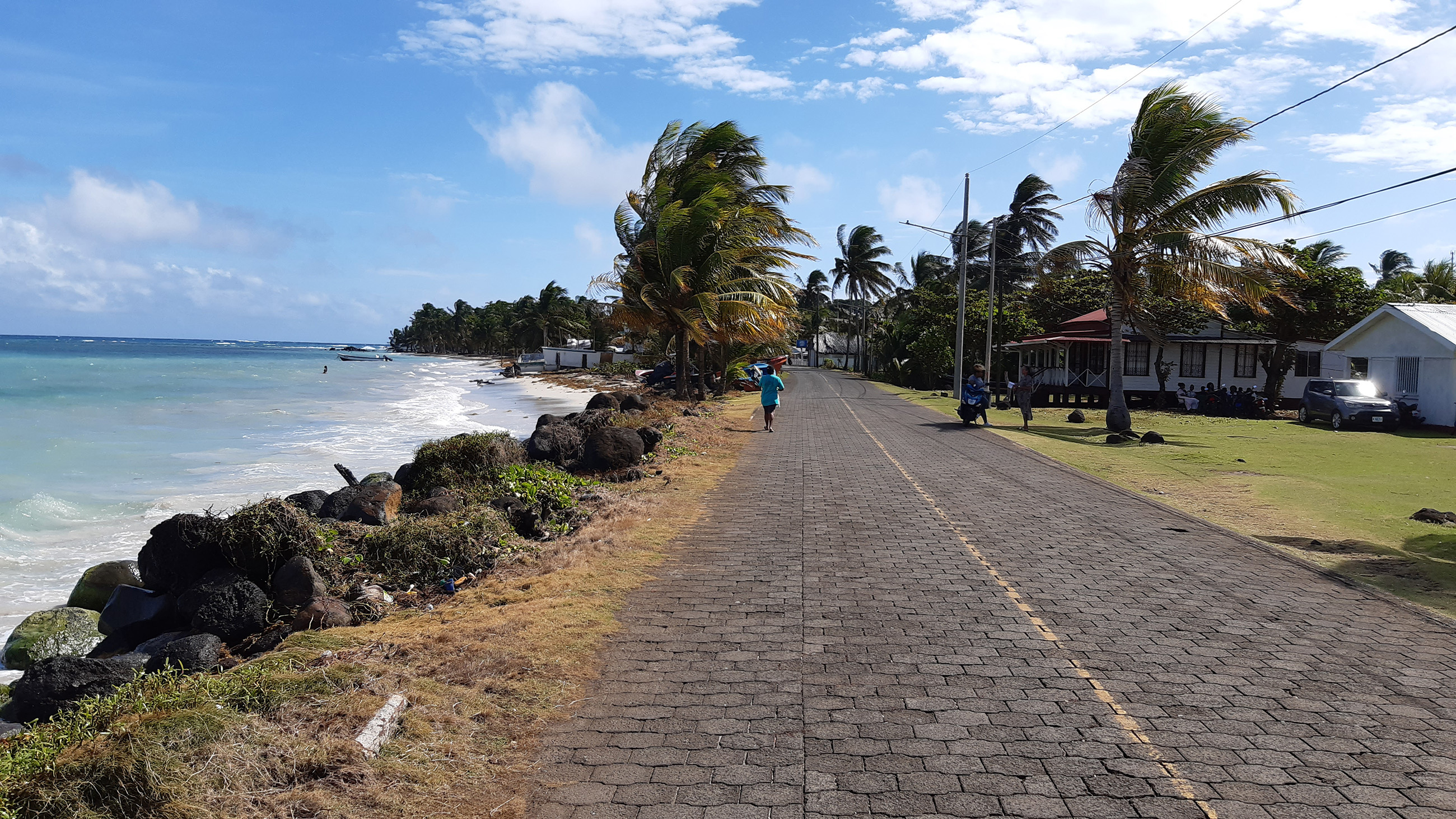
Quiet island streets with ocean views create a peaceful work environment for remote professionals in the Corn Islands Nicaragua.
Big Corn Island vs Little Corn Island for Remote Work
Choosing between Big Corn Island and Little Corn Island is one of the most important decisions for anyone considering remote work in the Corn Islands. While both offer a slower, Caribbean lifestyle off Nicaragua’s mainland, the day-to-day reality for remote workers differs significantly depending on which island you choose.
Quick Comparison: Big Corn vs Little Corn for Remote Work
| Feature | Big Corn Island | Little Corn Island |
| Infrastructure | Paved roads, electricity most of the day, groceries, clinics, banks | Sandy footpaths, no cars, limited shops, frequent power interruptions |
| Internet | 4G mobile data, Wi-Fi at many rentals and cafés; workable for most remote jobs | Slower mobile data, Wi-Fi rare and inconsistent; best for async work |
| Best for | Full-time remote workers, longer stays, those needing basic reliability | Flexible schedules, creative work, short stays |
| Lifestyle vibe | Island living with enough structure to support work routines | Ultra-slow, immersive island life where work adapts to place |
Big Corn Island: The Practical Choice
Big Corn Island is the more workable option for most remote workers. Power is available most of the day, mobile data is reliable by regional standards, and essentials like groceries, healthcare, and banking are accessible. While internet speeds aren’t city-level, they’re usually sufficient for video calls, cloud tools, and consistent work—making remote work in the Corn Islands most sustainable here for full-time roles or longer stays.
Little Corn Island: Lifestyle First, Work Second
Little Corn Island is intentionally low-infrastructure and car-free. Connectivity is limited, power outages are common, and daily life moves at a slower rhythm. This setup works best for async roles, creative projects, or remote workers who can tolerate interruptions and want to unplug. Productivity here depends entirely on flexibility—and comfort shaping work around island life, not the other way around.
The Reality: Remote work in the Corn Islands can work on either island, but only when expectations match reality. Choose Big Corn if you need stability and consistency. Choose Little Corn if your priority is slowing down—and your work can follow.
Internet Reality on the Corn Islands (What Actually Works)
For anyone considering remote work in the Corn Islands, internet reliability is the single biggest constraint. Connectivity exists on both islands, but it’s inconsistent and directly shapes how—and when—you work. Understanding the real limitations upfront prevents frustration later.
Corn Islands Internet at a Glance: Big vs Little
| Feature | Big Corn Island | Little Corn Island |
| Connection types | 4G mobile, some wireless broadband, limited fiber in parts | Mostly mobile data; Wi-Fi only at select guesthouses |
| Typical speeds | ~5–15 Mbps; workable for calls, cloud tools, and daily tasks | Often under 5 Mbps; intermittent and weather-sensitive |
| Reliability | Moderate; brief outages are common but manageable | Low; frequent interruptions and power-related drops |
| Backup strategies | Extra SIMs, hotspots, generators, flexible work hours | Same strategies—often essential, not optional |
| Best for | Full-time remote work in the Corn Islands | Async work, creative projects, short stays |
Want more context on daily life in Latin America? Don’t miss Best Areas to Live in San Juan del Sur.

Balancing work and island life—remote work in the Corn Islands Nicaragua allows flexibility and outdoor productivity.
Connectivity + Power: The Combined Reality
On Big Corn Island, most remote workers rely on 4G mobile data supplemented by guesthouse or café Wi-Fi. Speeds are usually sufficient for video calls and cloud-based work, though large uploads can be slow. Little Corn Island is far more limited—no fiber, fewer Wi-Fi options, and mobile data that fluctuates heavily, especially during bad weather.
Power outages affect both islands and often knock out Wi-Fi along with electricity. Big Corn usually experiences short disruptions; Little Corn outages can last longer. Successful remote workers adapt by working during stable connectivity windows rather than expecting always-on access.
Backup Strategies Serious Remote Workers Use
To stay productive while doing remote work in the Corn Islands, experienced nomads rely on redundancy:
- Multiple SIM cards or mobile plans from different providers
- Portable hotspots for quick network switching
- Generators or solar backups, especially on Little Corn
- Flexible schedules built around connectivity, not the clock
What It Means for You: Internet on the Corn Islands is workable—but only if you plan for interruptions. With realistic expectations and backup systems in place, remote work in the Corn Islands can function smoothly, just not effortlessly.
Cost of Living for Remote Work in the Corn Islands
The cost of remote work in the Corn Islands varies less by luxury and more by logistics. Housing availability, imported goods, and infrastructure differences between Big Corn and Little Corn shape monthly expenses far more than lifestyle upgrades. While prices are generally lower than in most Western countries, there are notable differences between Big Corn and Little Corn. Read our guide to the cost of living in Nicaragua to get a full break down.
Monthly Cost Ranges (Big Corn vs Little Corn)
Understanding monthly costs is essential before committing to remote work in the Corn Islands Nicaragua. Big Corn and Little Corn Island differ in housing, food, internet, and utilities, making budgeting a key part of planning your island-based work life.
Remote Work Cost Comparison: Corn Islands vs Mainland Nicaragua
| Factor | Big Corn Island | Little Corn Island | Granada | León |
| Monthly rent (1-bed) | $400–$800 (limited supply) | $600–$1,000+ (very limited) | $300–$600 | $250–$500 |
| Internet reliability | Moderate—4G + Wi-Fi with backups | Low—mobile data, frequent drops | High—fiber & stable broadband | High—fiber & cable |
| Power stability | Mostly reliable, brief outages | Unstable, outages common | Stable | Stable |
| Food costs | Moderate—local food affordable | Higher—everything shipped in | Low–moderate | Low |
| Total monthly range | $1,500–$1,700 | $1,650–$1,800 | $900–$1,200 | $800–$1,100 |
| Work style fit | Full-time remote with flexibility | Async / creative / short-term | Structured, meeting-heavy | Structured, budget-focused |
Essential Insight: This comparison makes one thing clear: remote work in the Corn Islands is a lifestyle-first decision, not a cost-cutting one. To find out how the Corn Islands compare to the Big Corn Island can support full-time remote work with planning and backups, while Little Corn Island requires flexibility and tolerance for disruption.
Mainland cities like Granada and León offer lower costs and stronger infrastructure—but far less of the isolation and immersion that draw people to the islands. The Corn Islands reward adaptability, not optimization.
Still deciding where to settle? Compare your options in León vs Granada, Nicaragua.

Staying connected while enjoying island life—remote work in the Corn Islands Nicaragua fits mobile-friendly roles.
Housing for Remote Workers on the Corn Islands
Housing is one of the biggest factors in whether remote work in the Corn Islands is sustainable—or frustrating. Availability is limited on both islands, and the gap between livable and workable housing matters more here than comfort or style.
On Big Corn Island, long-term rentals are more common and range from modest apartments to larger homes suitable for extended stays. Some properties offer Wi-Fi, a basic workspace, and occasional backup power, making Big Corn the more realistic option for consistent remote work. Prices and quality vary widely, and the best setups tend to be secured through local contacts rather than listings.
Little Corn Island is far more constrained. Housing is dominated by small guesthouses and simple cottages, and truly remote-work-friendly setups are rare. Limited supply means remote workers often need to compromise—prioritizing connectivity and power over layout, privacy, or location. This makes Little Corn better suited to short-term stays or flexible, low-dependency work.
Housing Tips for Remote Workers:
- Expect trade-offs: Limited inventory means flexibility matters more than preferences.
- Prioritize function: Reliable Wi-Fi, backup power, and a usable workspace come before aesthetics.
- Plan for noise: Boats, community events, and nightlife are part of daily life—schedule work accordingly.
- Book early: Peak tourist months reduce availability and push prices higher, especially on Little Corn.
Bottom Line: For remote workers, housing success on the Corn Islands comes down to adaptability. When your setup supports internet reliability and power stability, remote work in the Corn Islands can coexist with island life—without constant friction.
Not sure the islands are the right fit? Best base cities for nomads covers your alternatives.

Family-friendly remote work in the Corn Islands Nicaragua—balance productivity and parenting in island cafés.
Cafés & Work-Friendly Spots on the Corn Islands
Cafés and restaurants can provide a change of scenery, but they’re not the backbone of remote work in the Corn Islands. Connectivity varies by hour, power cuts happen, and bandwidth is usually better suited to light tasks than full workdays. A reliable home setup matters far more than finding the “right” café.
Big Corn Island: There are a few cafés, hotel restaurants, and guesthouse lobbies where you can hop on decent Wi-Fi for quick emails, writing, or admin work. Speeds and stability fluctuate, so these spots work best as occasional breaks from your home workspace, not as a daily base.
- Seaside Grill: (restaurant/café): offers Wi Fi suitable for light work and breaks between tasks.
- Hotel Restaurants & Guesthouse Lobbies: Some larger hotels and restaurants provide Wi Fi seating areas where nomads have worked for a few hours, though speeds and uptime vary.
Little Corn Island: Options are fewer and more seasonal. A small number of cafés and hotels offer Wi-Fi, but speeds are slower and closely tied to power availability. These are best for quick check-ins rather than sustained work.
- Tranquilo Café: One of the best café options on Little Corn for Wi Fi, with many nomads relying on it for light work or checking email.
- The Shack Café: small restaurant serving an all-day breakfast
- Desi Social Club: Another small island café with available Wi Fi; great for a laid back setup when connectivity is stable.
- Select Hotels & Restaurants: A handful of hotels (e.g., beachfront bungalows and restaurants) offer Wi Fi, but speeds are slower and vary with electricity and service provider coverage.
The Reality: Where Remote Work Actually Happens
- There are no formal coworking spaces on either island.
- Café Wi-Fi supports light remote tasks, not meeting-heavy or deadline-critical work.
- Most people doing remote work in the Corn Islands rely on home setups (guesthouse or apartment with Wi-Fi and backup power), using cafés only as an occasional change of scenery.
If productivity matters, prioritize your housing setup first—cafés are a bonus, not a solution.
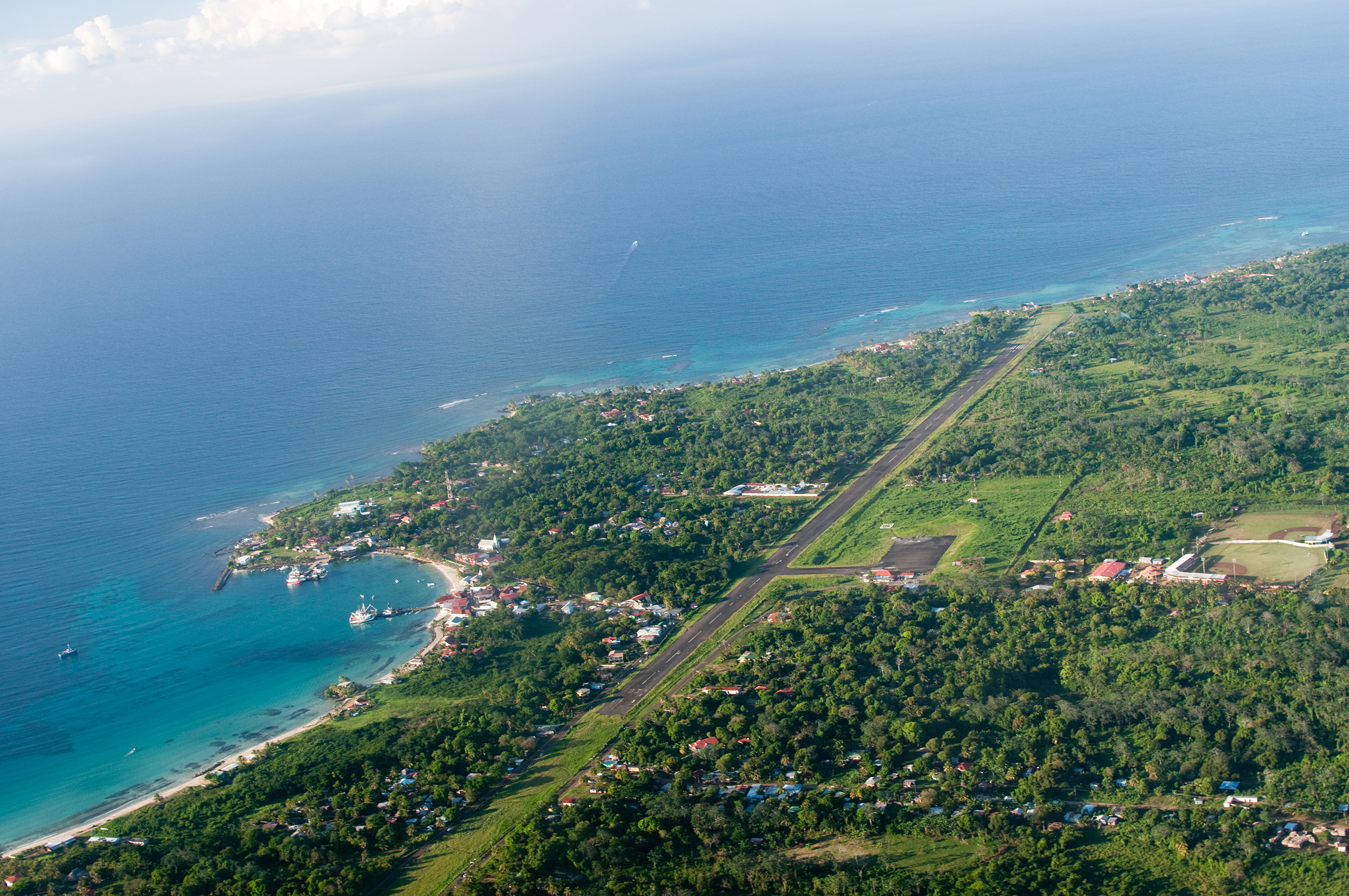
Big Corn Island from above—the perfect remote work backdrop in the Corn Islands Nicaragua with ocean, forest, and easy airport access.
Safety, Healthcare & Practical Considerations for Remote work on the Corn Islands Nicaragua
- Safety: Low crime overall, petty theft possible. Basic precautions are sufficient.
- Medical Access: Big Corn has a small clinic; serious emergencies require mainland evacuation. Little Corn has only a basic clinic. Telemedicine or evacuation insurance is recommended.
- Emergency Planning: Keep local contacts, embassy info, and backup communication ready.
For a broader look at safety, see is Nicaragua safe for expats in 2026 guide.
What You Should Know: While the Corn Islands are generally low-risk for crime, limited healthcare infrastructure means remote workers need to prepare ahead. Having contingency plans, insurance, and clear contacts will ensure safety and peace of mind while enjoying island life.
Remote Work in the Corn Islands vs Mainland Nicaragua
Working remotely in the Corn Islands Nicaragua is a lifestyle-first choice, unlike mainland hubs that emphasize reliability and structure. Comparing the islands with cities like Granada, León, and San Juan del Sur highlights where flexibility is essential and where infrastructure supports more structured work.
Nicaragua Remote Work Comparison
| Destination | Pros | Cons | Best For |
| Big Corn Island | Island tranquility, workable internet | Limited housing, occasional outages | Lifestyle-first, flexible remote work |
| Little Corn Island | Secluded, serene | Very limited infrastructure, minimal internet | Async roles, short-term stays |
| San Juan del Sur | Developed amenities, coworking options | Busier, more expensive | Social nomads, reliable infrastructure |
| Granada | Colonial charm, reliable services | Smaller town feel | Long-term stays, culture-focused remote work |
| León | Budget-friendly, vibrant culture | Fewer tourist services | Affordable, long-term remote work |
Key Insight: Mainland cities reward consistency and structure, while the Corn Islands favor adaptability, immersion, and a lifestyle-first approach. Before committing to either, weigh the pros and cons of living here first.
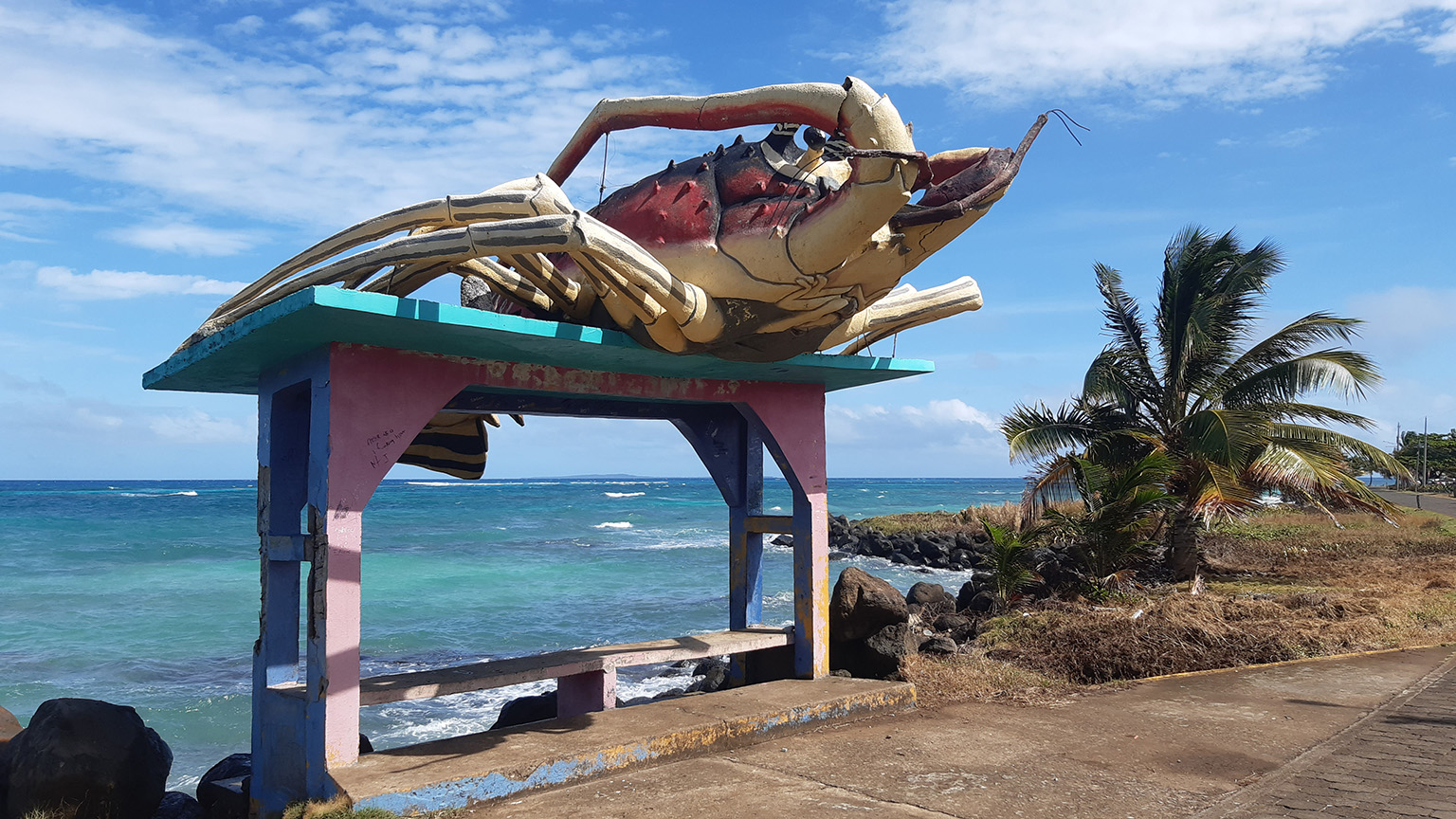
Quirky island charm meets remote work life in the Corn Islands Nicaragua—everyday sights inspire creativity.
Frequently Asked Questions About Remote Work in the Corn Islands Nicaragua
Is Big Corn Island better than Little Corn for internet and workspace?
Yes. Big Corn offers more Wi-Fi options, some rentals with backup power, and casual work-friendly cafés. Little Corn has limited connectivity, so planning ahead is essential for productive remote work in the Corn Islands.
How reliable is Wi-Fi on the Corn Islands?
Wi-Fi works for light remote tasks like email, documents, and research, but video calls and large file uploads can be unreliable, particularly on Little Corn Island.
What mistakes do digital nomads make on the Corn Islands?
Common mistakes include underestimating internet and power issues, choosing Little Corn too early without testing connectivity, and assuming mainland logistics apply to island life.
How do you get around the Corn Islands?
Big Corn Island has scooters, taxis, and short-distance buses. Little Corn is car-free, so walking, cycling, or boat taxis are the primary modes. Weather can disrupt boat schedules, so allow extra travel time.
What language is spoken on the Corn Islands?
English-based Creole is common, especially on Little Corn, while Spanish is widely spoken on Big Corn and in shops or government offices. Tourist areas generally accommodate English speakers.
Do I need to speak Spanish to live and work on the Corn Islands?
Not strictly, but basic Spanish helps with shopping, local services, and navigating healthcare or government processes. Many remote workers manage with English but find Spanish improves convenience.
What currency is used on the Corn Islands?
The official currency is the Nicaraguan Córdoba (NIO), but US dollars are widely accepted for rentals, restaurants, and tourist services. Small local purchases are easier with some Córdoba on hand.
What banking options are available on the Corn Islands?
ATMs exist on Big Corn but can run out of cash. Little Corn has minimal banking infrastructure. Many remote workers use international debit cards or prepaid travel cards for convenience and security.
Is Remote Work in the Corn Islands Nicaragua Right for You?
Remote work in the Corn Islands Nicaragua suits digital nomads who prioritize lifestyle, adventure, and flexibility over convenience. Big Corn Island offers more reliable internet, power, and housing, while Little Corn Island works best for flexible schedules, async roles, and shorter stays.
Who Thrives: flexible remote workers, async professionals, and independent creatives.
Who Struggles: meeting-heavy roles, startup teams, or tight-deadline work.
Key Takeaway: Mindset matters more than income—adaptable professionals who embrace unpredictability will thrive in this immersive, slower-paced environment.
The Reality: Rainy season (May–November) and peak tourism can affect travel, housing, and connectivity. Comparing with mainland hubs like San Juan del Sur, Granada, or León helps plan realistically.
Your Next Step: Check our Latin America Residency Map for Nicaragua to find out how to secure a stable stay.
These photos were generously shared via Wikimedia Commons:
– Corn Island airport: Brian Johnson & Dane Kantner, CC BY-SA 2.0
– Lobster Bus Shelter: Ridiculopathy, CC0 1.0
– Road on Big Corn Island: Ridiculopathy, CC0 1.0