
18 min read
Paraguay has become a popular relocation destination for people seeking a slower pace of life, low cost of living, and a straightforward path to residency. But moving your life across borders means facing one practical question almost everyone underestimates: what do you actually do with your belongings? Shipping belongings to Paraguay isn’t impossible, but it comes with rules, timing, and hidden costs that catch far too many new arrivals off guard.
……………………………..
Table of Contents
Ask any Paraguay expat Facebook group about shipping belongings to Paraguay, and you’ll get fifty replies contradicting each other — some swear by sea containers, others say they sold everything and never looked back, and a few are still untangling a customs mess two years later. The truth is buried somewhere in between, and most of it comes from people who learned the hard way.
We’ve had documents and banking cards shipped to and from Paraguay, though not a full household move — so this guide leans on real relocators’ firsthand experiences with the bigger stuff: containers, vehicles, and the customs process that trips most people up.
Here’s the misconception that costs people the most: “just ship everything, sort it out later.”
If you’re still in the early planning stages of living in Paraguay as an expat, you’ve probably already noticed that Paraguay isn’t an import-friendly country the way some relocation blogs make it sound.
Customs rules are strict, inconsistently enforced, and tied closely to your residency status — get the timing or paperwork wrong, and a shipment that should’ve been simple turns into thousands of dollars in duties, delays, or an outright rejection at port.
Shipping feels straightforward.
It rarely is.
This guide walks through the 13 mistakes that trip up new arrivals most often, sourced from real relocators’ experiences — plus whether shipping is even worth it for your specific situation.
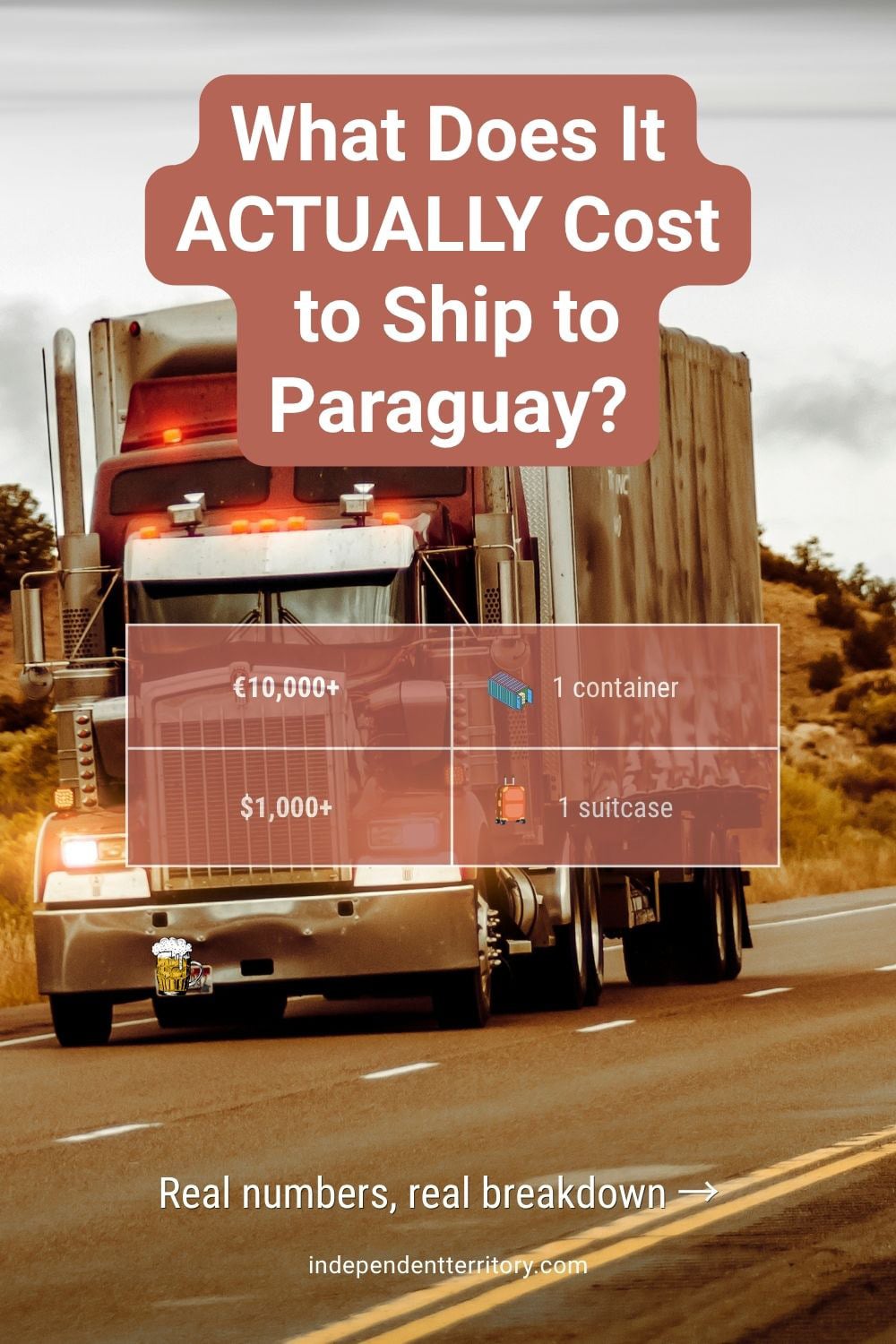
Quick Answer: Is Shipping Belongings to Paraguay Worth It?
Shipping belongings to Paraguay is worth it if you’re bringing a full container of high-value goods and have secured residency first — the duty-free exemption makes the math work.
It’s rarely worth it for small shipments, individual items sent by courier, or anything shipped before residency is finalized, since duties can run 40-50% or more of the item’s value.
The biggest hidden cost isn’t the freight itself — it’s customs inefficiency: delays, inconsistent enforcement, and valuation disputes that turn a simple shipment into an expensive one.
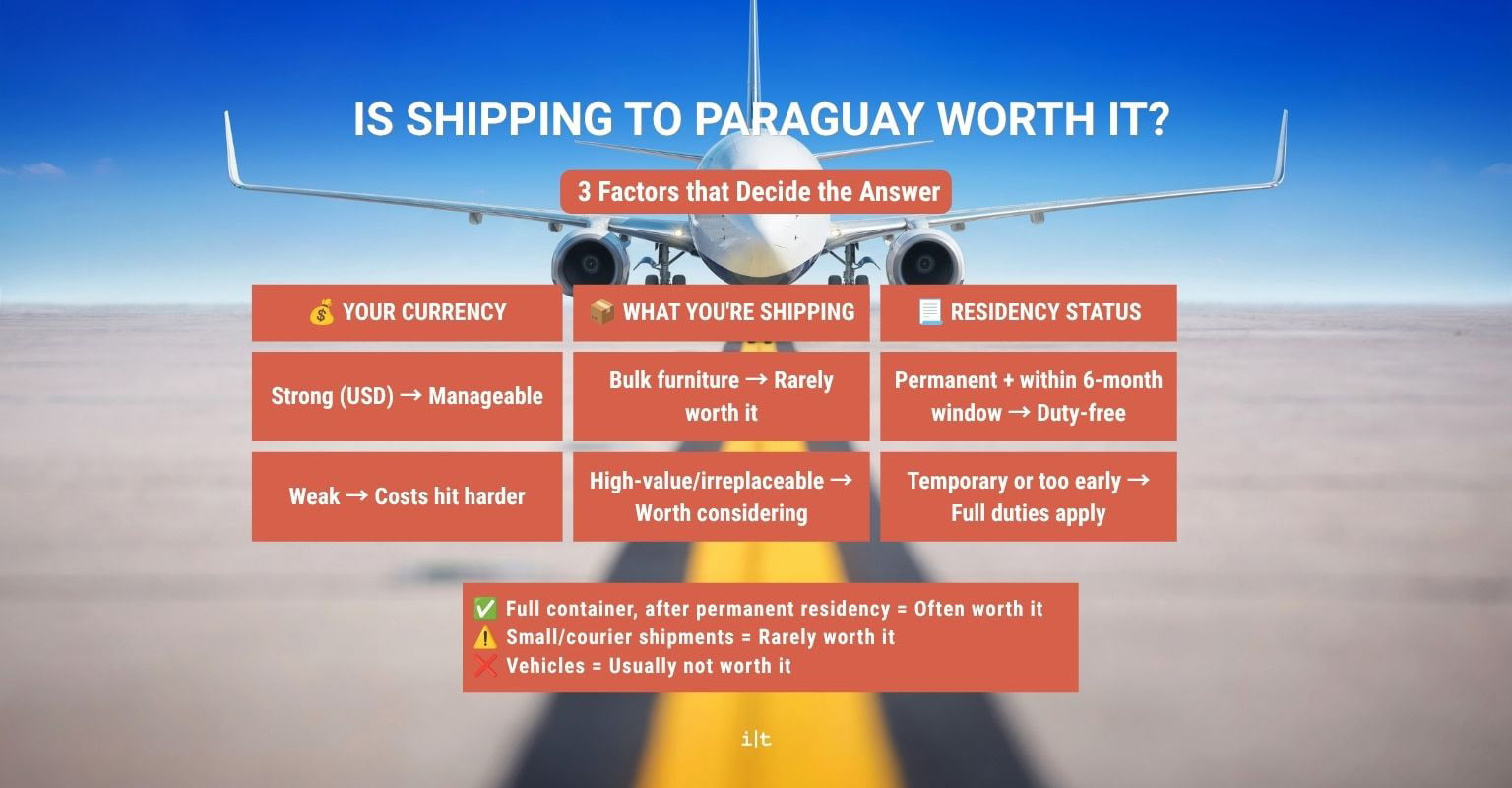
Is shipping to Paraguay worth it?
What Determines Whether Shipping Belongings to Paraguay Is Worth It
This is the variable that changes everything else, and it’s more specific than most people assume.
Arriving in Paraguay typically means starting on a 2-year temporary residency permit — and that status alone doesn’t unlock any duty exemption.
Only permanent residency, valid for 10 years, opens a six-month window to import a full container duty-free under the menaje de casa exemption. Secure permanent residency first, and a full container becomes genuinely viable.
Ship on temporary status, or before permanent residency is granted, and the math falls apart fast, with duties running as high as 40-50% of declared value.
Your Home Currency
If you’re moving from a mostly strong currency like the US dollar, shipping costs tend to feel manageable relative to your overall relocation budget.
Move from a weaker currency, though, and the same freight quote hits proportionally harder — for someone paid in Canadian dollars, a USD-quoted container costs noticeably more in local terms than it does for a US-based mover. Before committing to a container, run the numbers in your home currency, not just USD.
What You’re Shipping
Bulk furniture and appliances rarely clear the bar once you factor in duty risk, voltage mismatches, humidity damage, and the cost of buying the same items locally. High-value or irreplaceable items — quality tools, heirlooms, specialty equipment — make a stronger case for shipping, but only if sent correctly.
What doesn’t work well is courier-only shipping for single sentimental items: one relocator was quoted over $1,000 USD just to send a single suitcase internationally, which is a rough value proposition for anything short of truly irreplaceable.
Residency Timing
This is the variable that changes everything else.
Secure your residency first, and a full container shipment becomes duty-free under the menaje de casa exemption — suddenly a full container is genuinely viable. Ship before that exemption is in place, and the numbers stop making sense quickly.
The Verdict
Put these three together and the decision gets much clearer: a full container shipped after residency is secured is often worth it, especially for high-value or hard-to-replace goods.
Ad hoc courier shipments or small parcels are rarely worth it — the cost per item is too high relative to what you’re sending.
And vehicles are usually not worth shipping at all, given the 10-year age limit and the duty exposure on anything that does qualify.
If you’re still working through your Paraguay residency timeline, getting that piece sorted first is the single biggest lever you have over whether shipping makes sense at all.
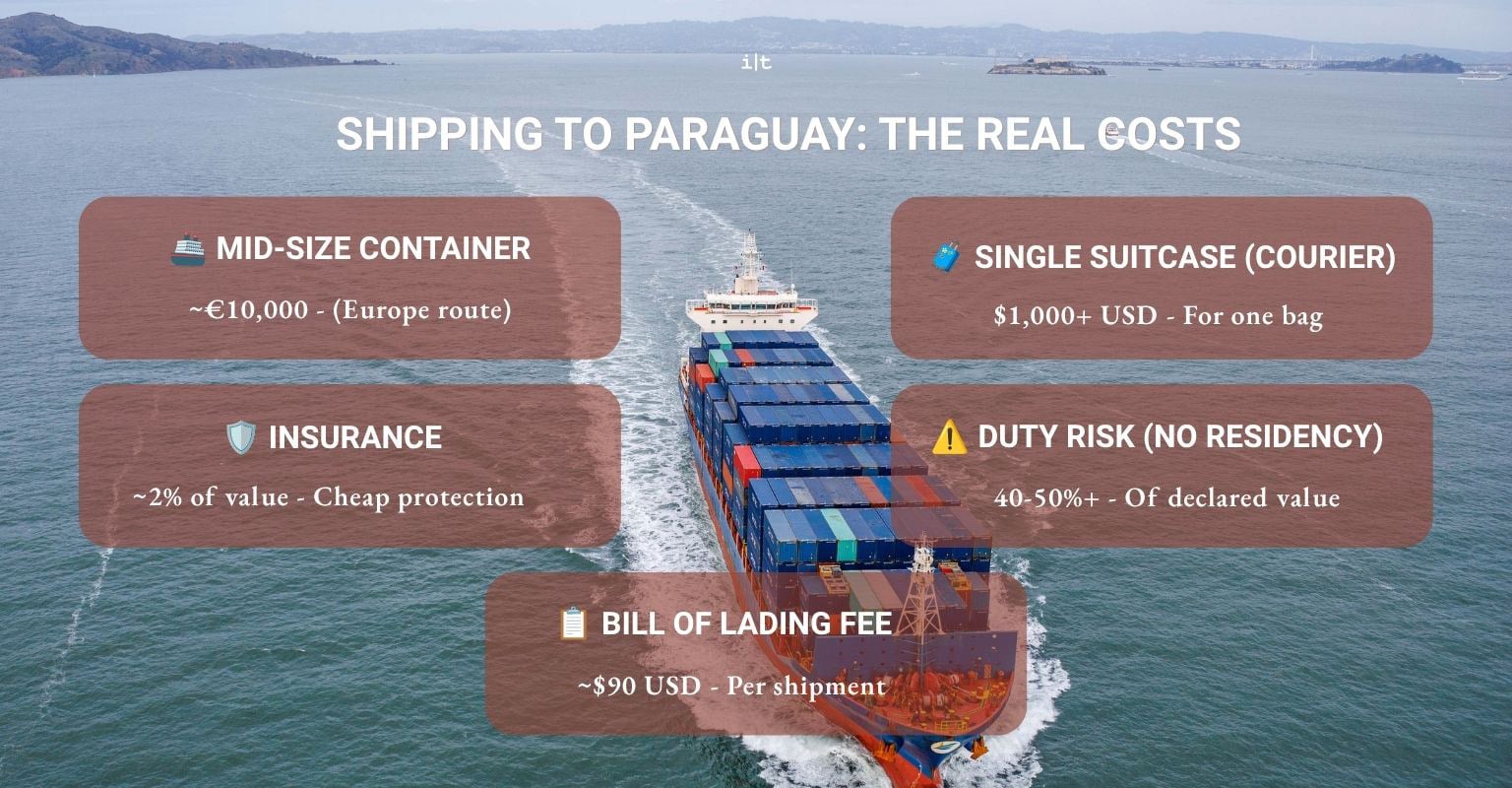
Shipping to Paraguay: the real costs.
Real Cost of Shipping Belongings to Paraguay (2026 Breakdown)
Most people underestimate what shipping belongings to Paraguay actually costs — not because the freight quote is hidden, but because the total cost includes several line items nobody mentions upfront.
Ballpark ranges:
- Full container (mid-size, international route): roughly €10,000 for a mid-size container shipped from Europe — figures from other countries of origin will vary based on distance and route
- Small/courier shipment: a single suitcase or small parcel can run $1,000 USD or more through standard couriers, making it poor value for anything but truly irreplaceable items
- Insurance: typically, around 2% of declared value — inexpensive relative to the risk of shipping uninsured
- Customs duties (if residency isn’t secured first): 40-50% or more of declared value
Beyond the freight quote itself, the real cost gap shows up in three places:
- Customs duty reality. Without the residency-based exemption in place, duties alone can double your effective shipping cost.
- Storage and port delays. Paraguay’s customs process isn’t always fast or predictable. Every extra week your shipment sits at port is a week of storage fees stacking up — costs that rarely appear in anyone’s original budget.
- Expected vs. actual. The freight quotes you’re given upfront are rarely the final number. Between customs valuation disputes, broker fees, storage charges, and last-mile trucking to your final destination, the actual total often runs meaningfully higher than the initial estimate.
None of this means shipping is a bad idea — it means budgeting for it accurately matters more in Paraguay than in many other relocation destinations.
If you’re mapping out your broader relocation budget, it’s worth comparing these shipping costs against your overall cost of living in Paraguay, since for many items, the real question isn’t “what will it cost to ship this” but “is it even cheaper than buying it here.”
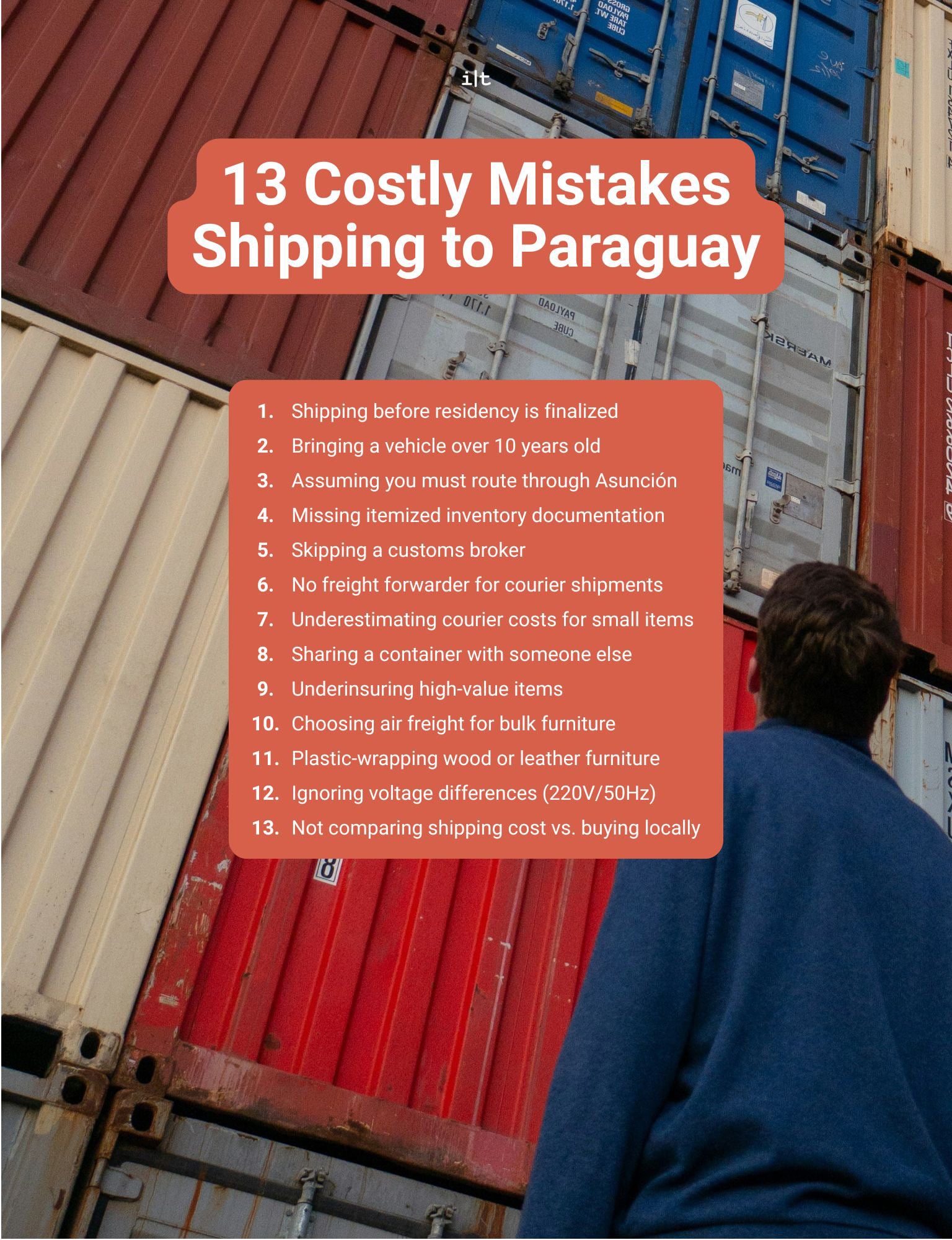
13 costly mistakes shipping to Paraguay.
13 Costly Mistakes When Shipping Belongings to Paraguay
1. Shipping Before Residency Is Finalized
This is the single costliest mistake on this list, and it’s also the most avoidable.
Paraguay allows foreigners to import household goods and personal effects duty-free, but only within the first six months of holding permanent residency — not temporary residency, which most newcomers receive first as a 2-year permit, and which doesn’t qualify for the exemption.
Only permanent residency, valid for 10 years, opens that six-month duty-free window.
The mistake happens because the timeline feels backwards to most people: it seems logical to get belongings moving as soon as you arrive, while you’re still on a temporary permit and permanent residency hasn’t been granted yet. In practice, shipping during that gap means missing the exemption entirely, with duties calculated by the Dirección Nacional de Aduanas at whatever valuation they assign your goods.
The fix is simple to state, harder to be patient about: confirm your permanent residency is finalized, not just your temporary status, and time your shipment to land within that six-month window.
2. Shipping a Vehicle Over the 10-Year Age Limit
Paraguay bans the import of internal combustion vehicles older than 10 years, with no exceptions outside diplomatic shipments — a rule confirmed across multiple international shipping sources, yet it still catches people off guard.
The mistake usually happens for a simple reason: the vehicle feels new to its owner, or it’s a reliable car they don’t want to give up. But customs don’t make exceptions for sentimental value or good mileage — a vehicle that fails the age test is rejected at port, leaving you covering return freight, storage fees, or a forced resale, on top of whatever you already paid to ship it in the first place.
Vehicles that do qualify still face steep import duties, 35-37% of the value customs assigns, plus a mandatory pre-shipment inspection. Unless a vehicle is genuinely irreplaceable, it’s rarely worth the risk.
3. Assuming Your Container Must Route Through Asunción
A surprisingly common piece of bad advice floating around expat forums is that every shipment has to clear through Asunción, no matter where you’re actually relocating. It’s not true.
Villeta, not Asunción, is Paraguay’s main port for container shipments. From there, trucking to your final destination is negotiable — you don’t need to route everything through the capital first, especially if you’ve already settled on one of the best places to live in Paraguay outside the capital. The confusion tends to spread because Asunción is the obvious reference point people default to, and freight forwarders don’t always correct the assumption upfront.
Why it matters: assuming an unnecessary Asunción leg can mean paying for extra trucking distance you didn’t need, plus added delay while your shipment sits waiting for transport it doesn’t actually require. Confirm your final delivery point with your shipping company before assuming the route.
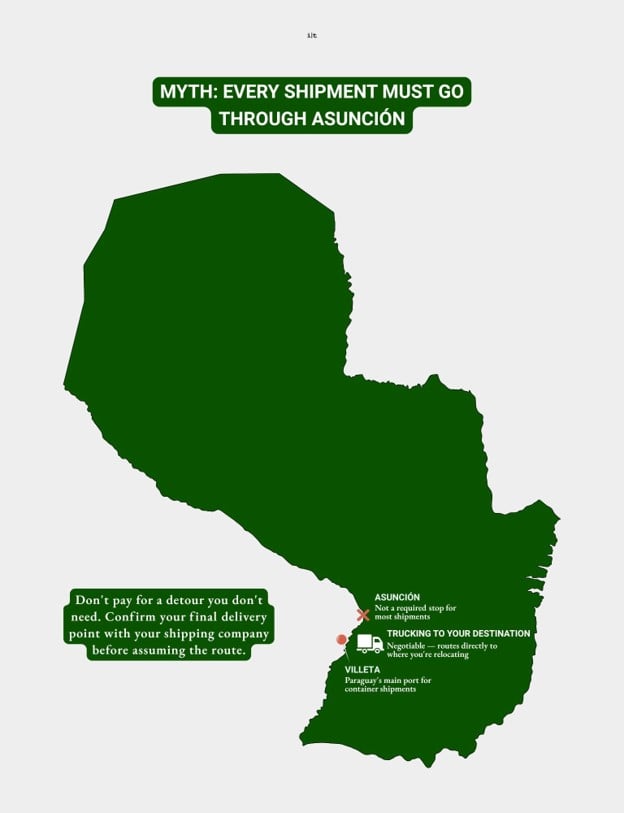
Not all shipments go through Asunción.
4. Missing the Itemized Inventory Requirement
Customs paperwork is one of the easiest places to lose money on a shipment that’s otherwise handled correctly. Packing lists need a clear, itemized value for each item — not vague labels like “gift,” and not blank declared values. When the paperwork is incomplete, customs still put a value on the goods — they just set it themselves, and the figure is almost never in your favor.
There’s a second documentation trap worth knowing about here: household goods and personal effects are generally expected to have been owned and used abroad for at least 12 months before your move. Buying furniture or electronics right before relocating, thinking it’ll simply pass as part of your shipment, can create complications at the exact moment you need customs to move quickly.
Take the time to itemize everything with realistic values before your shipment leaves origin — it’s tedious, but far less costly than a customs-assigned valuation dispute.
5. Skipping a Customs Broker to “Save Money”
It’s tempting to handle customs yourself and skip the broker fee — but in Paraguay, that’s usually a false economy.
A licensed customs broker (despachante de aduanas) knows exactly which documents, stamps, and declarations your shipment needs, and non-compliance is exactly what invites delays or opportunistic “fees” at the border.
Even with a broker, customs timelines in Paraguay aren’t always predictable. Shipments can be flagged for closer inspection rather than a straightforward document review, and every extra day your container sits at port is another day of storage charges quietly adding up.
A good broker won’t eliminate that risk entirely, but they dramatically reduce the odds of it happening in the first place — and they know how to resolve it quickly when it does.
Trying to save a few hundred dollars on broker fees can easily cost you several times that in delays, storage, and correction fees.
6. Not Setting Up a Freight Forwarder for Courier Shipments
If you’re shipping smaller items rather than a full container, don’t expect standard international courier or postal delivery to just work.
Direct-to-door delivery in Paraguay isn’t reliable, and most experienced relocators instead use a freight forwarding service — a US-based address (commonly in Miami) that receives your packages and forwards them on to Paraguay through a proper import channel. Services like Saspy, Frontliner, and ParaguayBox exist specifically for this.
This only applies to smaller courier-scale shipments — if you’re sending a full container, you won’t need a 3rd party (Casilla-style) forwarding setup, since your shipment is already moving through formal freight channels. But for anything smaller, skipping this step is one of the most common ways small shipments get stuck or delayed indefinitely.
Not sure yet whether committing to a shipping container makes sense for your move, or want to compare your options across the region?
Download the interactive Latin America Residency Map to see how other residencies line up with your relocation plans.
7. Underestimating the Cost of Shipping Small or Sentimental Items via Courier
Here’s a number that surprises almost everyone: shipping a single suitcase internationally can cost over $1,000 USD through standard couriers. That’s not a container, not a pallet — one suitcase.
This is where the “just send it” instinct gets expensive fast. A box of family China, a beloved sewing machine, a handful of sentimental keepsakes — items that feel too meaningful to leave behind often end up costing far more to ship than they’re worth in resale or replacement value.
For genuinely irreplaceable items, that cost might be justified. For most of those small sentimental pieces people feel they simply must send, the shipping bill rarely makes sense.
Before you courier anything small, get an actual quote first. The gap between what people expect to pay and what it actually costs is one of the most common regrets reported by people who’ve already made the move.
8. Consolidating Into a Shared Container
Splitting a container with another person can look like an easy way to cut costs, but it comes with a risk that’s easy to overlook: shared liability.
If the other shipper’s paperwork is incomplete, their items get flagged, or their goods go missing in transit, your shipment can end up delayed or complicated right along with theirs — even though none of it was your doing.
One relocator’s experience shipping a shared container to a neighboring country illustrates the risk clearly: missing items and unresolved customs issues on the other shipper’s side turned the whole process into a headache neither party anticipated.
If you do go the shared-container route, make sure everyone involved is using the same broker and has their documentation fully in order before the container ships — otherwise you’re only as protected as the least-prepared person sharing space with you.
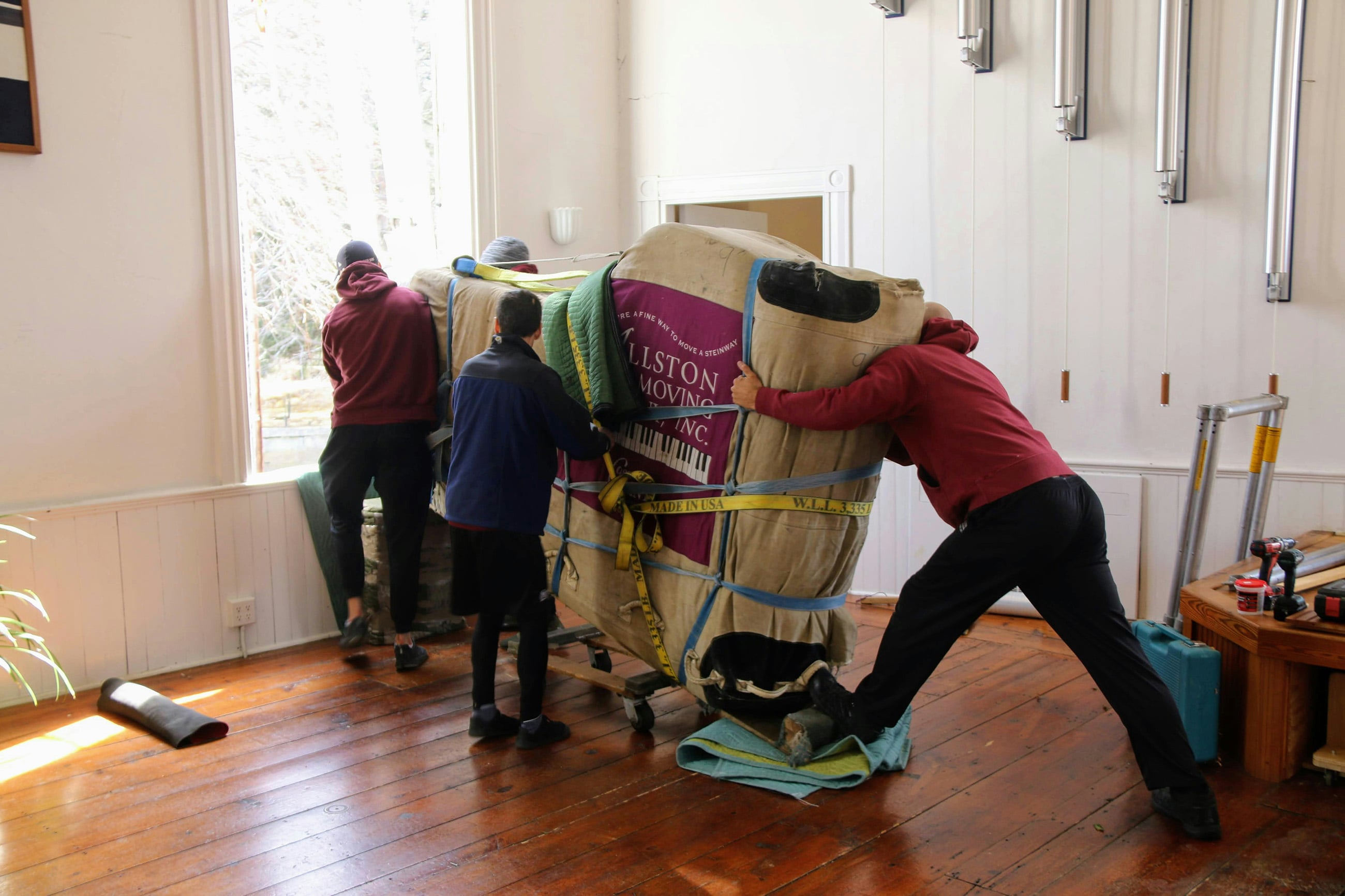
Underinsuring high-value items is one of the costliest mistakes when shipping to Paraguay.
9. Underinsuring High-Value Items
Insurance on a shipment typically runs around 2% of the declared value — a small price relative to what you’re protecting. Yet it’s one of the first costs people try to trim when a shipping quote starts adding up.
The math rarely works out in your favor when you skip it.
Paying 2% to insure a shipment means the difference between a minor loss and a total one if something breaks, goes missing, or gets damaged in transit — and international shipping, however careful the movers are, isn’t risk-free.
One broken uninsured item can easily cost more than what full insurance would have run for the entire shipment.
If you’re shipping anything with real value or that can’t easily be replaced, ensure it. It’s one of the cheapest forms of protection in the entire process.
10. Choosing Air Freight for Large Furniture
Air freight feels faster, and for small, urgent items it can make sense.
But for bulk furniture headed to Paraguay, it’s rarely the right call financially. Large, heavy items rack up air freight quickly, and once you’re shipping enough volume to fill meaningful cargo space, sea freight is almost always the more cost-effective option — even accounting for the longer transit time.
This matters more in the Paraguay context specifically because of how the cost math already stacks up: between potential duties, broker fees, and insurance, air freight’s premium on top of all that can push a shipment’s total cost well past what the furniture is actually worth.
Unless you’re shipping something both large and genuinely time-sensitive, sea freight is the more sensible default for furniture-scale shipments.
11. Plastic-Wrapping Wood or Leather Furniture
Paraguay’s subtropical climate is humid year-round, and that matters more during shipping than most people expect.
Wrapping wood or leather furniture tightly in plastic feels like the protective move, but it does the opposite — it traps moisture against the surface for the entire transit period, and by the time your shipment arrives, that trapped humidity has often turned into visible mold or mildew damage.
The fix is simple but easy to overlook when you’re packing in a hurry: use breathable materials like paper padding or moving blankets instead of plastic wrap and add desiccant packs (silica gel) inside boxes to absorb ambient moisture.
It’s a small packing decision, but in a climate like Paraguay’s, it’s the difference between furniture that arrives fine and furniture that needs to be thrown out.
If you’re still getting a feel for daily life in Paraguay, the humidity is one of those adjustments that shows up in more places than just packing.
Underestimating voltage differences is a common mistake when shipping belongings to Paraguay.
12. Underestimating Voltage Differences
Paraguay runs on 220V at 50Hz, while countries like the US use 110V/120V at 60Hz. Plugging 110V electronics directly into Paraguayan outlets without a proper step-down transformer won’t just fail to work — it can fry the device outright.
Lightweight travel adapters aren’t enough here; anything you actually plan to use regularly needs a heavy-duty transformer rated for its wattage, and even then, some appliances with motors or timers (assuming, say, standard kitchen appliances) don’t perform well on a frequency conversion even with the right transformer.
For a lot of electronics and appliances, it ends up being simpler and cheaper to sell them before you move and buy 220V-compatible versions once you’re in Paraguay, rather than shipping something that needs special equipment just to function safely.
13. Not Researching What’s Cheaper to Buy Locally
By the time you factor in shipping cost, insurance, customs duties, and the risk of damage in transit, a lot of furniture and appliances end up cheaper to simply buy in Paraguay than to bring from home — even with local prices running higher than what you’re used to paying.
This is the mistake that’s hardest to catch in the moment because it’s rarely about the math.
It’s about the instinct to keep everything familiar during a move that already feels uncertain — “I want all my stuff” is an understandable impulse, not a foolish one.
But when the actual numbers are laid out side by side, holding onto that instinct for bulk, replaceable items are often the single most expensive decision on this entire list.
Save the shipping budget for what’s genuinely irreplaceable and let go of the rest.
If you’re mapping out your finances for the move, it’s worth reading how others manage their finances in Paraguay once they’ve settled in.

Why most expats regret shipping everything.
Why Most Expats Regret Shipping Belongings to Paraguay
Many expats fall into the same pattern—shipping their entire household abroad, only to regret the clutter and cost years later.
Part of it comes down to overestimating how much belongings are actually worth once shipping, duties, and risk are factored in. The other part is underestimating the sheer friction of the process itself — the paperwork, the waiting, the uncertainty of whether a container will clear smoothly or turn into a months long ordeal.
There’s also a mindset trap worth naming honestly:
Moving abroad often comes with a “start fresh” instinct, an appealing idea that doesn’t always survive contact with reality.
Full households of furniture, shipped at real expense, don’t always translate into the fresh start people pictured — they just recreate the old life in a new place, minus whatever got damaged or delayed along the way.
One re-locator bluntly summed up the regret, looking back more than a decade later: they wished they’d sold everything and started over locally, rather than going through the ordeal of shipping it all. That kind of hindsight is common enough that it’s worth taking seriously before you commit, not after.
None of this means shipping is always the wrong call — but it’s worth reading a few honest expat regrets in Paraguay before deciding what’s actually worth bringing.
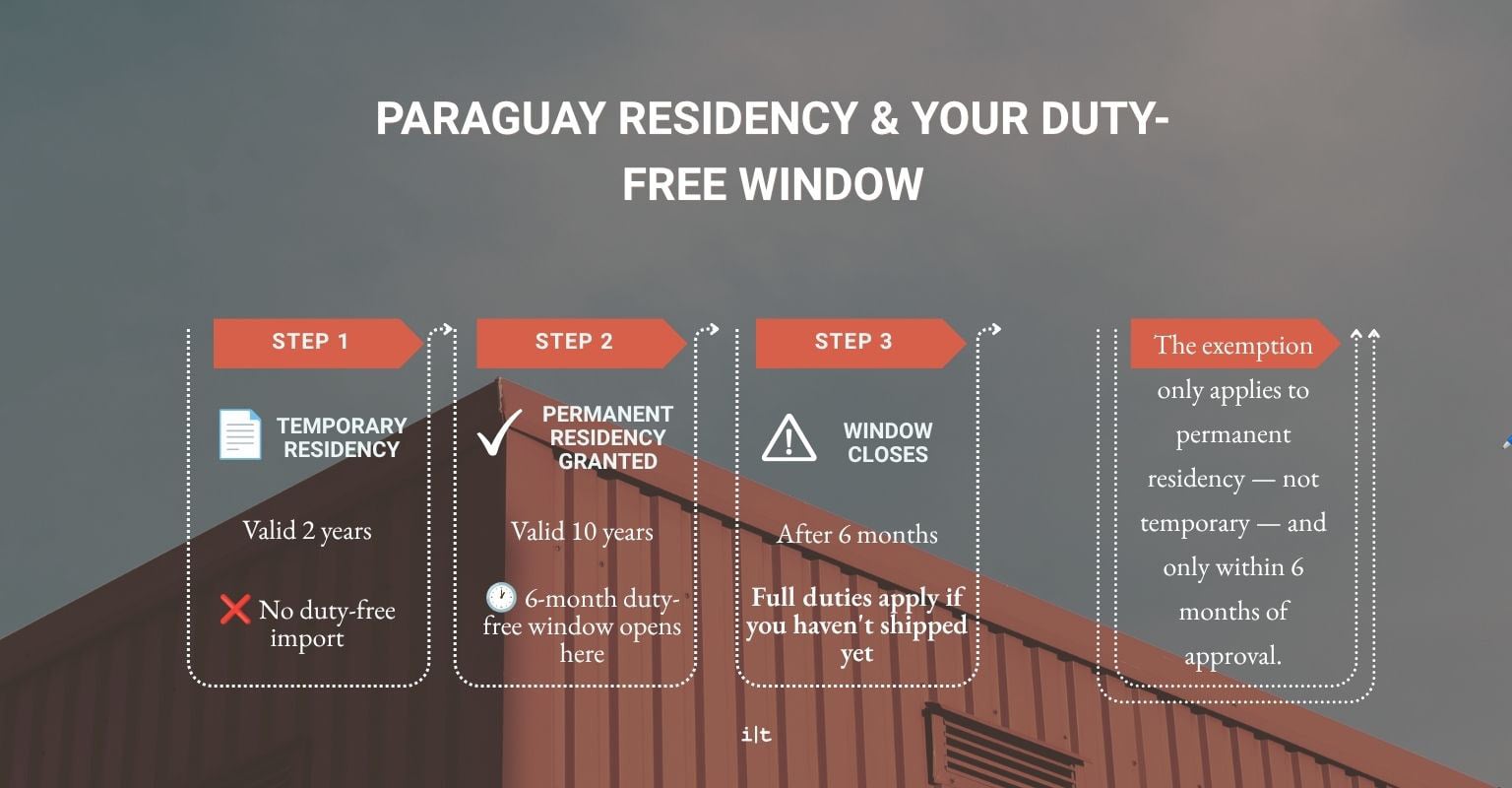
Paraguay residency and your duty-free window.
Customs Rules for Shipping Belongings to Paraguay
Shipping belongings to Paraguay comes down to a handful of underlying customs rules, and every mistake in this guide traces back to one of them — so it’s worth pulling them together in one place.
Residency status is the single biggest factor in what you’ll pay. The duty-free personal effects exemption only applies within a specific window tied to permanent residency — ship outside that window, and full duties apply.
Documentation matters almost as much: itemized packing lists, accurate declared values, and proper consular stamps are what stand between a smooth customs clearance and a valuation dispute that drags on for weeks.
The body overseeing all of this is the Dirección Nacional de Aduanas, Paraguay’s national customs authority, with import policy more broadly shaped by the Ministerio de Industria y Comercio.
Worth knowing upfront: enforcement isn’t always applied consistently from one shipment to the next. Two people can follow what looks like the same process and have noticeably different experiences — one clearing in days, another waiting weeks over a paperwork technicality. That inconsistency is exactly why working with a broker who knows current practice, not just the rules on paper, makes a real difference.
None of this is meant to be exhaustive legal guidance — it’s the practical baseline worth understanding before your shipment leaves origin.
FAQ: Shipping Belongings to Paraguay
Can I ship belongings to Paraguay without residency?
Yes, but you’ll lose the duty-free personal effects exemption. Temporary residency — the 2-year permit most newcomers receive first — doesn’t qualify for the exemption. Only permanent residency, valid for 10 years, opens a six-month window to import household goods duty-free. Ship before permanent residency is granted, and your shipment is treated as a standard import subject to full customs duties.
How much does it cost to ship a container to Paraguay?
A mid-size container from North America typically runs in the range of several thousand dollars, though the exact cost depends on volume, origin, and insurance. Small courier shipments are proportionally far more expensive per item, sometimes costing $1,000+ USD for a single suitcase.
Do I need a customs broker in Paraguay?
It’s not always legally required for every shipment, but it’s strongly recommended. A licensed customs broker (despachante de aduanas) reduces the risk of delays, documentation errors, and inconsistent enforcement at the border.
How long does shipping to Paraguay take?
Once documentation is in order, customs clearance itself can take as little as a few days. The bigger variable is transit time and any delays caused by incomplete paperwork or inspection flags, which can add weeks.
Can I import a car into Paraguay?
Only if it’s under 10 years old. Vehicles older than that are banned from import outright, with no exception outside diplomatic shipments.
What port do shipments arrive in Paraguay?
Villeta is Paraguay’s main port for container shipments, not Asunción. Trucking to your final destination from there is negotiable.
Final Verdict: Should You Ship Your Belongings to Paraguay?
Whether shipping belongings to Paraguay makes sense for you comes down to two things: volume and timing. Secure permanent residency first, then ship a full container within the exemption window. For everything else — heirlooms, a vehicle, ad hoc courier boxes — the honest answer is item-by-item, weighed against what it would actually cost to buy the same thing locally.
Getting the residency timing right is what makes or breaks the math for shipping belongings to Paraguay
Download the Free interactive Latin American Map to see how residency across the region lines up with your own relocation timeline before you commit to a shipment.
✔ No Spam
✔ Instant Access
✔ Free Download