
13 min read
Belize quietly attracts people who want less dependence and more control over their daily lives—where the desire to have a garden, rainwater, and local food still feels normal rather than extreme. For those drawn to self-reliant living in Belize, the appeal isn’t about escaping modern life, but choosing where simplicity, land, and autonomy are still realistically possible. It’s a place where independence isn’t a trend—it’s part of how life has always worked.
……………………………..
Belize offers more than sun, beaches, and tropical scenery. For freedom-seekers and those looking to lower their cost of living, it’s a place where independence and personal autonomy are genuinely possible. Some regions provide the space, climate, and supportive local systems that make self-reliant living in Belize — having the option to grow your own food, maintain a garden, or develop a small-scale, sustainable lifestyle — a realistic choice rather than just a dream. That’s why understanding where to live in Belize as an expat is a useful starting point for evaluating your options.
This guide explores which areas of Belize support self-reliant living, what trade-offs each region presents, and how you can evaluate which location fits your desire for personal freedom, autonomy, and a lower-cost, self-sustaining life. By the end, you’ll have a clearer framework to decide which Belize region aligns with your independence goals.
Table of Contents
Why Self-Reliant Living in Belize Matters
For many, moving abroad isn’t just about scenery—it’s about reclaiming autonomy and reducing dependence on expensive, centralized systems. Belize is particularly appealing because it offers:
- Lower cost of living: Food, housing, and services are often more affordable than in the U.S. or Canada.
Retiring in Belize in 2026:
- Freedom to design your lifestyle: Many rural and inland areas allow small-scale personal food production, gardens, and orchards.
- Accessible land options: Unlike some tourist-heavy countries, Belize still has regions with land suitable for independent living and modest-scale food autonomy.
Self-reliant living in Belize isn’t about large-scale farming or commercial agriculture—it’s about having the choice and space to live independently, with personal food systems as part of your lifestyle rather than a business.
Some areas are naturally better suited to this lifestyle than others, depending on land availability, climate, and local infrastructure. Understanding these factors helps you balance comfort, autonomy, and cost, allowing you to select a region that matches your vision for freedom and sustainability.
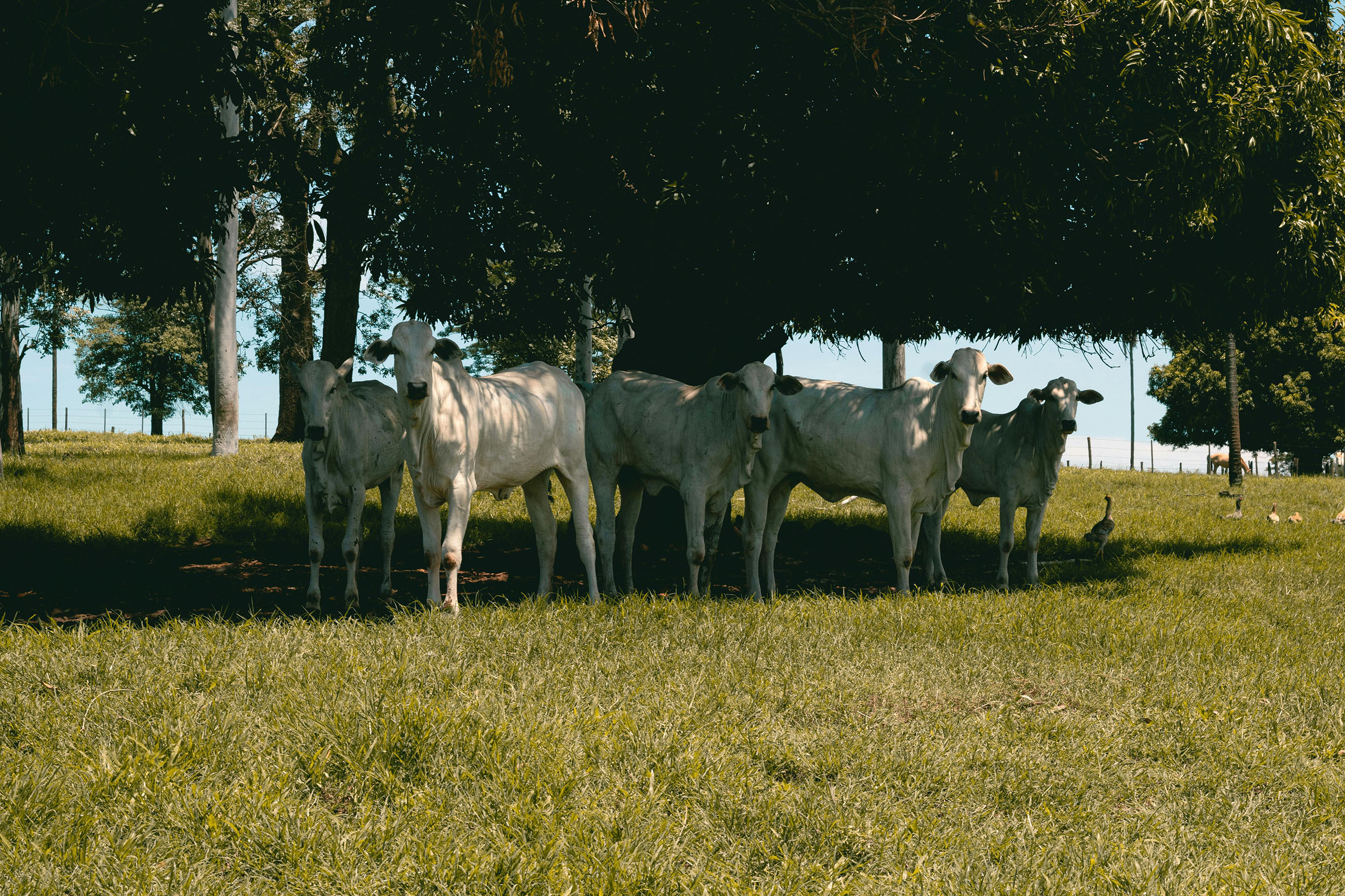
Rural land use in Belize reflects a long-standing culture of practical self-sufficiency.
Key Factors for Evaluating Regions
Not everywhere supports self-reliant living in Belize equally. To determine which regions fit your goals for independence, autonomy, and sustainable living, it helps to consider a few critical factors. These elements form the backbone of a practical framework for choosing where to live:
Land Access: One of the most important considerations for self-reliant living in Belize is whether you can access a plot large enough for a personal garden, fruit trees, or small-scale food systems. Some areas of Belize, particularly inland districts, still offer affordable, garden-friendly land that allows residents to grow their own food and live more independently. Coastal or tourist-heavy regions may have smaller lots or higher land prices, limiting your options for autonomy.
Soil & Climate: Even with land, the natural conditions determine how much you can grow for personal use. Regions with fertile soil, reliable rainfall, and suitable microclimates make year-round gardening or orchard systems more feasible. In contrast, areas prone to flooding, drought, or poor soil may limit your ability to maintain a self-sustaining lifestyle. Understanding these environmental realities is key for evaluating Belize regions for self-sufficiency.
Food Culture & Local Markets: Your neighbors and local communities shape what independence looks like. In some districts, subsistence farming and local produce trading are common, which supports a culture of personal food production. In others, residents rely heavily on imported goods and supermarkets. Access to informal markets, roadside produce, or small local cooperatives can make a significant difference for those pursuing self-reliant living in Belize, even if you can’t grow everything yourself.
Infrastructure & Lifestyle Friction: More autonomy often comes with trade-offs. Rural or inland regions may provide ample space and growing potential, but roads can be rough, utilities intermittent, and access to healthcare, schools, or other services limited. Conversely, regions with better infrastructure often have higher land prices and smaller plots, reducing opportunities for personal food systems. Evaluating the balance between lifestyle comfort and independence is essential.
Trade-Offs: Self-reliant living in Belize is about choices. You may gain autonomy in a remote area but sacrifice convenience, social opportunities, or service access. Conversely, living closer to towns or coastal hubs offers comfort and amenities, but limits the space and freedom needed for a truly self-sustaining lifestyle. By weighing these trade-offs against your priorities, you can identify the Belize regions that align best with your independence goals.
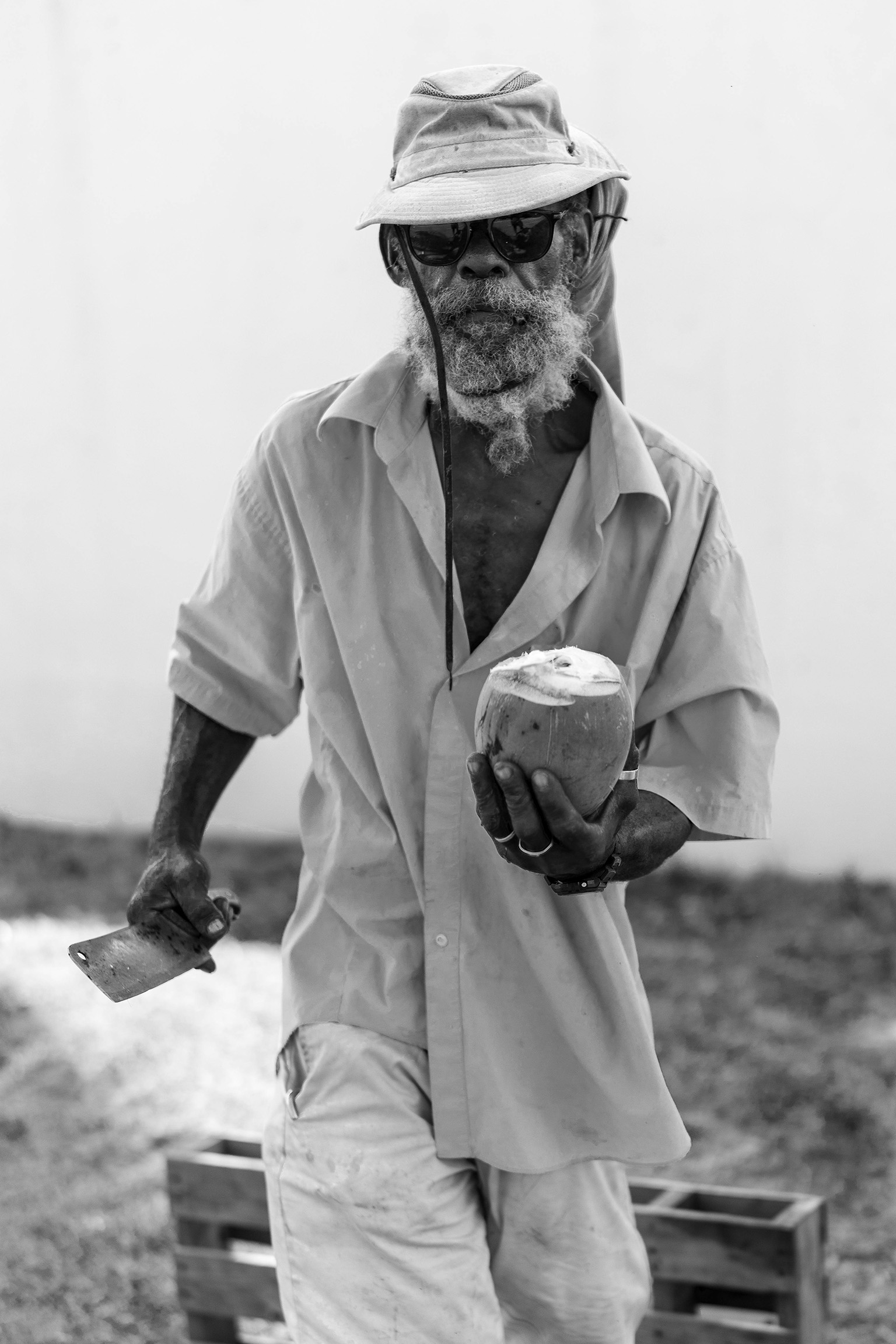
Local food skills remain part of everyday life in many Belizean communities.
Local Food Systems and Community Support
When evaluating regions for self-reliant living in Belize, it’s helpful to understand the local food culture and support networks. Certain communities indirectly make independent lifestyles easier by maintaining well-established agricultural practices.
For example, Mennonite communities in Belize produce a significant portion of the country’s staple crops, dairy, and other essentials. Their presence stabilizes local food availability and provides nearby access to seeds, produce, and traditional knowledge. For someone seeking self-reliant living in Belize, being near these areas can make it easier to maintain personal food systems or supplement what you grow yourself.
It’s important to note that you don’t need to join or replicate Mennonite farming practices to live independently. Their role is contextual—they are part of a local infrastructure that makes self-sufficiency more achievable, particularly for newcomers looking to balance autonomy with access to essential resources.
Additionally, many inland and rural districts have a strong culture of small-scale personal gardens and local markets, which further supports autonomy. Evaluating these factors alongside land access, climate, and lifestyle trade-offs helps you choose the region that best fits your independence goals.
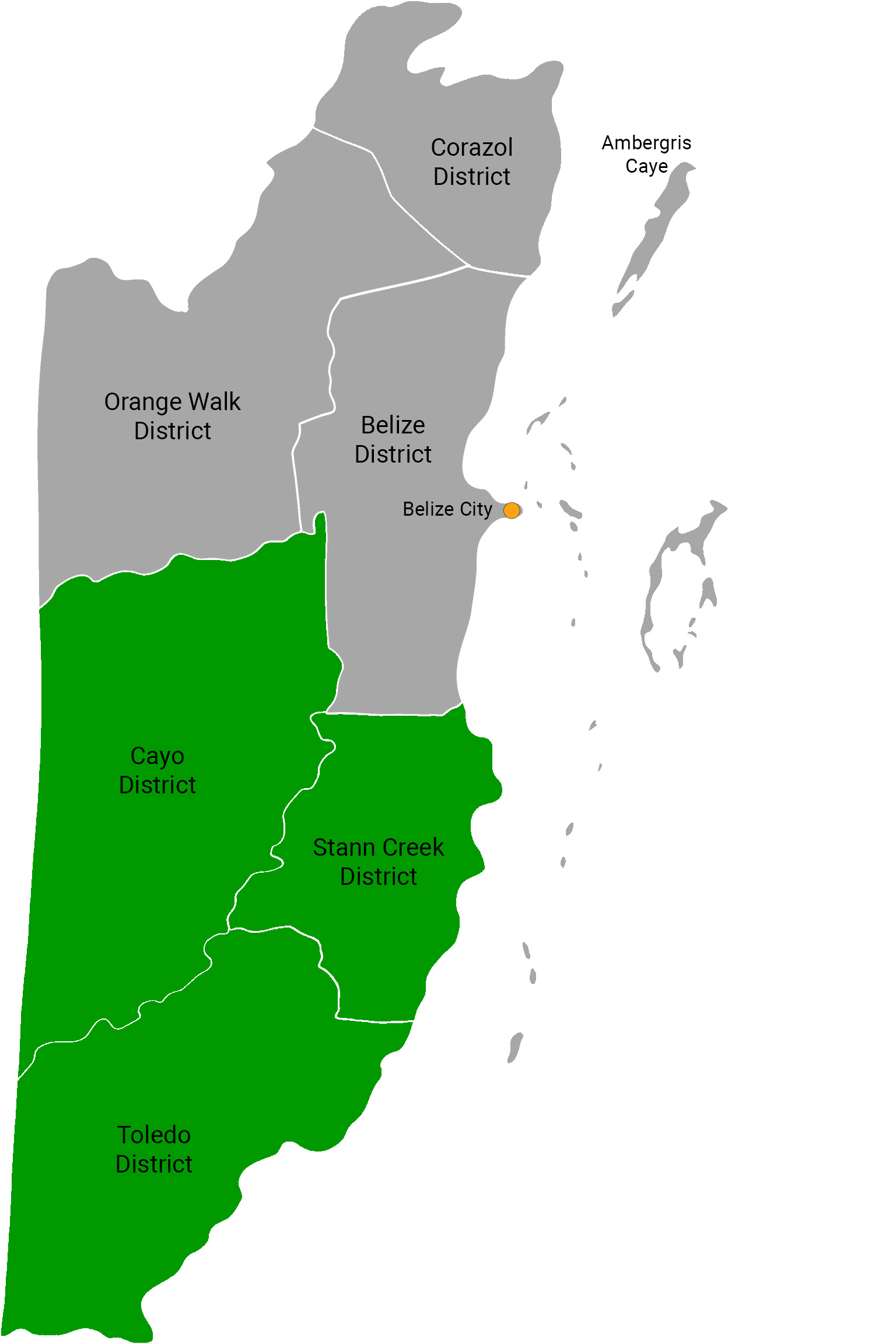
Some regions naturally support self-reliant living in Belize better than others.
Regional Breakdown – Where Self-Reliant Living in belize Works Best
Belize is diverse, and each region offers different possibilities for self-reliant living. Understanding the land, climate, community, and infrastructure in each area helps you match your personal goals for autonomy, lifestyle comfort, and sustainable living.
The following districts are often highlighted for their potential to support independent, self-sustaining lifestyles, along with some of their most notable towns.
Cayo District – Accessible and Balanced
Cayo District is widely regarded as one of the best areas for self-reliant living in Belize. Inland and centrally located, it offers a balance between autonomy and access to essential services.
- Land availability and affordability: Plots in Cayo are generally more affordable than coastal regions, and there’s space for personal gardens, orchards, or small-scale food systems.
- Fertile soil and reliable rainfall: Cayo’s climate and soil quality support year-round personal food production, making it one of the most practical inland options for autonomy.
- Access to markets and community support: Nearby towns like San Ignacio, Benque Viejo del Carmen, and Belmopan provide access to markets, supplies, and community networks, making daily life easier without sacrificing self-sufficiency.
- Trade-offs: The district is inland, so distance from the coast can limit beach access or coastal lifestyle amenities. Some areas are rural and may feel isolated for those accustomed to town or city life.
Stann Creek District – Coastal-Adjacent with Autonomy Potential
Stann Creek offers a unique hybrid for those seeking partial autonomy. Its inland zones are suitable for personal gardens and small-scale food independence, while still providing access to coastal towns for services and lifestyle amenities.
- Inland zones for food independence: Areas away from the tourist-heavy coast allow for Belize garden-friendly land, making it easier to grow vegetables, fruit trees, or maintain small-scale food systems for personal use.
- Lifestyle trade-offs: Infrastructure is moderate, with some areas having dispersed services. Residents may need to plan carefully for transport, utilities, and access to schools or healthcare.
- Community and culture: Stann Creek benefits from a mix of rural communities familiar with small-scale farming, which can support autonomy and self-reliance without full isolation.
- Key towns: Dangriga, Placencia, and Hopkins serve as hubs for supplies, healthcare, and social connections while keeping inland autonomy accessible.
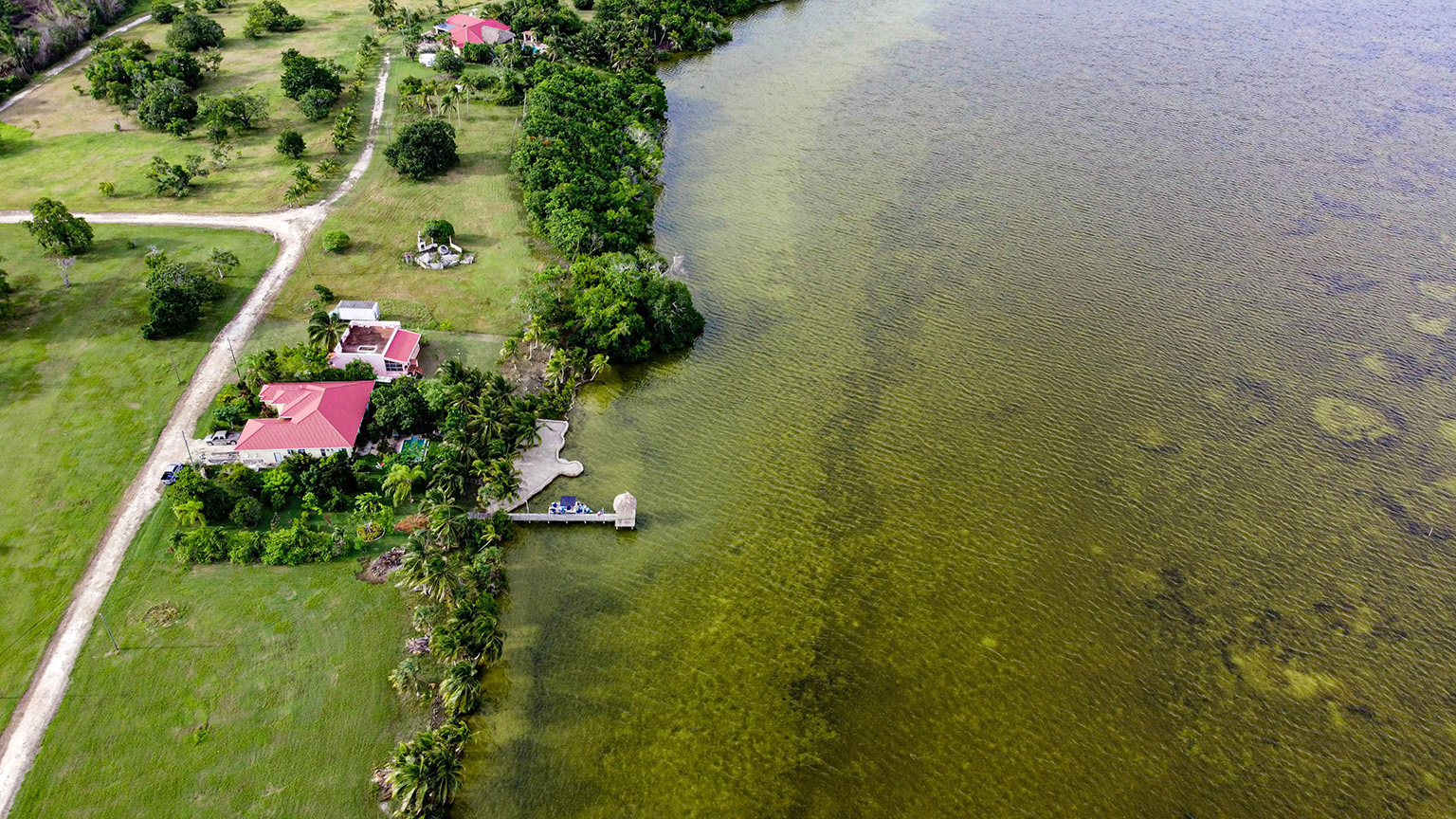
Even coastal properties in Belize can support partial food independence with the right land.
Toledo District – Maximum Autonomy, Higher Lifestyle Friction
Toledo District is ideal for those seeking maximum independence, but this comes with significant trade-offs. Remote and largely rural, it offers the greatest potential for self-reliant living in Belize, particularly for personal food systems and subsistence practices.
- Traditional subsistence practices: Toledo has a strong culture of personal food production and subsistence gardening. Residents can maintain high levels of autonomy if they are prepared for a more hands-on lifestyle.
- Land access and affordability: Land is still available and affordable in many parts, providing the space necessary for gardens, orchards, or small-scale personal agriculture.
- Trade-offs: The region is remote, infrastructure is limited, and daily life can require more effort for transportation, utilities, and access to medical or educational services. Those seeking comfort and convenience may find these trade-offs challenging, though the autonomy gained is unparalleled.
- Key towns: Punta Gorda, Big Falls, and San Pedro Columbia provide some access to markets and services, but the district remains predominantly rural and independent.
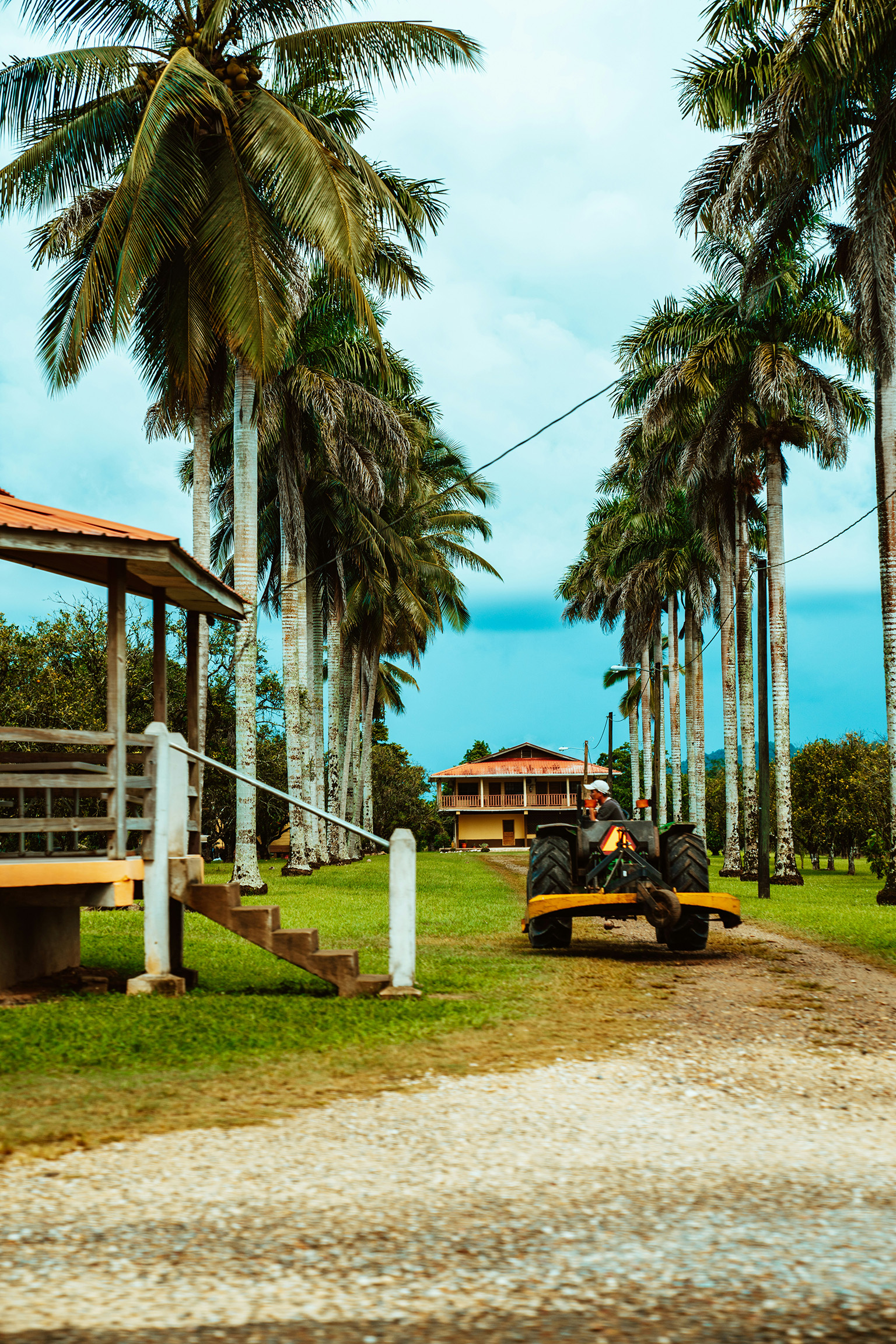
Agriculture remains a visible and active part of daily life in Belize.
Land Reality in Belize for Personal Food Independence
For those pursuing self-reliant living in Belize, land is the foundation of autonomy. Understanding where land is available, its quality, and its suitability for personal food systems is critical to making an informed decision about where to live.
Ideal Plot Sizes for Personal Food Systems
When planning for gardens, fruit trees, or modest personal food systems (no commercial agriculture), common plot sizes in Belize are:
• 0.5–2 acres (≈ 0.2–0.8 hectares): Enough for home gardens with vegetables, herbs, and some fruit trees.
• 2–5 acres (≈ 0.8–2 hectares): Room for gardens, multiple fruit varieties, and small livestock or food systems.
• 5–10 acres (≈ 2–4 hectares): Offers flexibility for diversified personal food systems and more autonomy.
Where Affordable Land Still Exists
Land prices in Belize vary widely by district and proximity to towns or the coast:
- Inland districts (Cayo, Toledo): Typically offer the lowest cost per acre and the most room for autonomy.
- Coastal-adjacent areas (Stann Creek inland zones): Affordable plots exist, but prices rise near beaches and tourist centers like Placencia.
- Remote areas: Toledo remains the most cost-effective for large plots but comes with trade-offs in infrastructure and service access.
Key Considerations for Selecting Land
When evaluating a plot for self-reliant living, several factors impact how successful personal food systems will be:
- Soil Quality: Fertile soil is critical for sustaining gardens and orchards. Check for nutrient-rich topsoil and avoid areas with rocky or overly sandy terrain.
- Water Access: Reliable access to water—through rivers, wells, or rainfall—is essential for year-round gardening and personal food production.
- Flooding Risk: Some inland valleys and coastal plains are prone to seasonal flooding. Proper assessment ensures your garden or orchard is protected.
- Access: Easy access to road routes make it easier to move goods, receive supplies, and providing occasional market access while still maintaining independence.
By balancing plot size, location, and these environmental considerations, you can identify regions and specific properties that maximize your potential for self-reliant living in Belize without unnecessary lifestyle compromises.
Recommended Belize Real Estate Resources
Working with a local, trusted real estate agent makes land acquisition smoother. These agencies specialize in Belize property and can help you find plots appropriate for self-reliant living.
- RE/MAX Belize: Local Belize land and property specialists offering listings and guidance on purchasing land. RE/MAX Belize Land Listings
- Hesed Realty Belize: Regional real estate listings across multiple districts, including rural acreage and garden suitable plots. Hesed Realty Belize Listings
- Vista Real Estate Belize: Offers a variety of land listings, from small parcels to larger rural acreage. Vista Real Estate Belize Land
Tip: Even if you start with online listings, always visit the land in person and consult a Belizean attorney for what you should know about buying land in Belize.
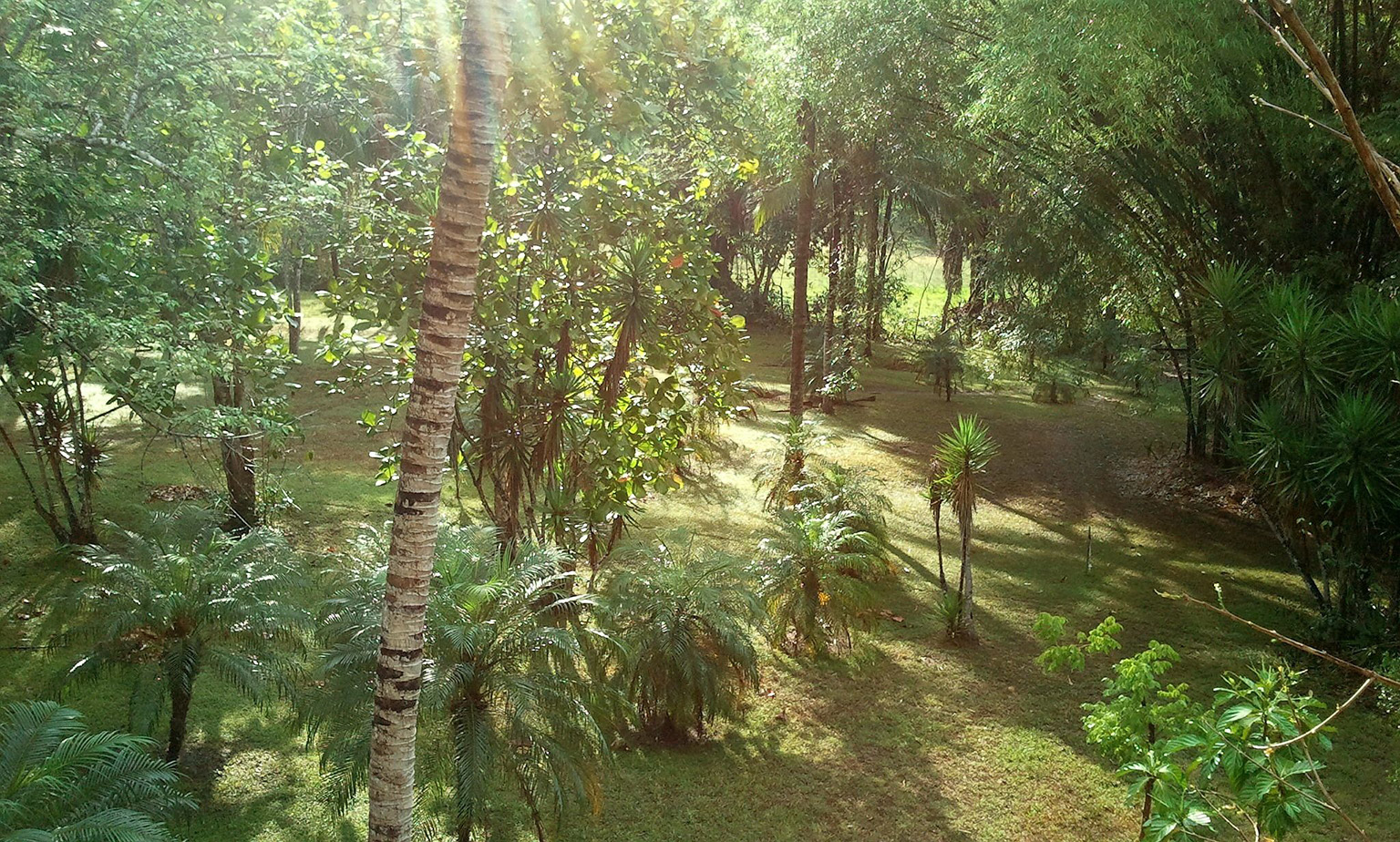
Natural resources like bamboo play a quiet role in low-impact living.
Matching Regions to Lifestyle Preferences
Choosing where to find self-reliant living in Belize depends on how much independence you want, the level of comfort you prefer, and the lifestyle you envision. This is especially relevant for retirees exploring whether living on a pension in Belize realistically supports partial food independence. Here’s a way to think about it so you can see which region fits you best.
Cayo District – Where Comfort Meets Your Garden Goals
For those who want a balance of independence and convenience, Cayo District is ideal. You can maintain personal gardens, small orchards, and modest food systems while still having access to markets, schools, and healthcare.
- Why it works: Fertile soil, reliable rainfall, and abundant Belize garden-friendly land make it easy to grow your own food for personal use. Towns like San Ignacio, Belmopan, and Benque Viejo del Carmen provide support and community without taking away your autonomy.
- Lifestyle trade-offs: Inland location means less immediate coastal access, and some areas may feel rural or isolated.
Stann Creek Inland – A Little Independence, With Some Convenience
If your household wants partial autonomy but still relies on nearby towns for services, inland Stann Creek is a great option.
- Why it works: You can cultivate personal food systems on inland plots while staying near towns like Dangriga, Hopkins, and Placencia for groceries, healthcare, and social life.
- Lifestyle trade-offs: Infrastructure is moderate and services are more spread out than in Cayo, so planning is required for transport, utilities, and schooling.
Toledo District – Maximum Independence, Maximum Freedom
For those seeking full autonomy, Toledo District offers the space and rural environment for highly self-reliant living in Belize.
- Why it works: Large, affordable plots and a culture of subsistence practices allow residents to establish gardens, orchards, and personal food systems. Towns such as Punta Gorda, Big Falls, and San Pedro Columbia provide basic services while preserving privacy and independence.
- Lifestyle trade-offs: Remote location, limited infrastructure, and more effort to access utilities, healthcare, and supplies—but the freedom and autonomy are unmatched.
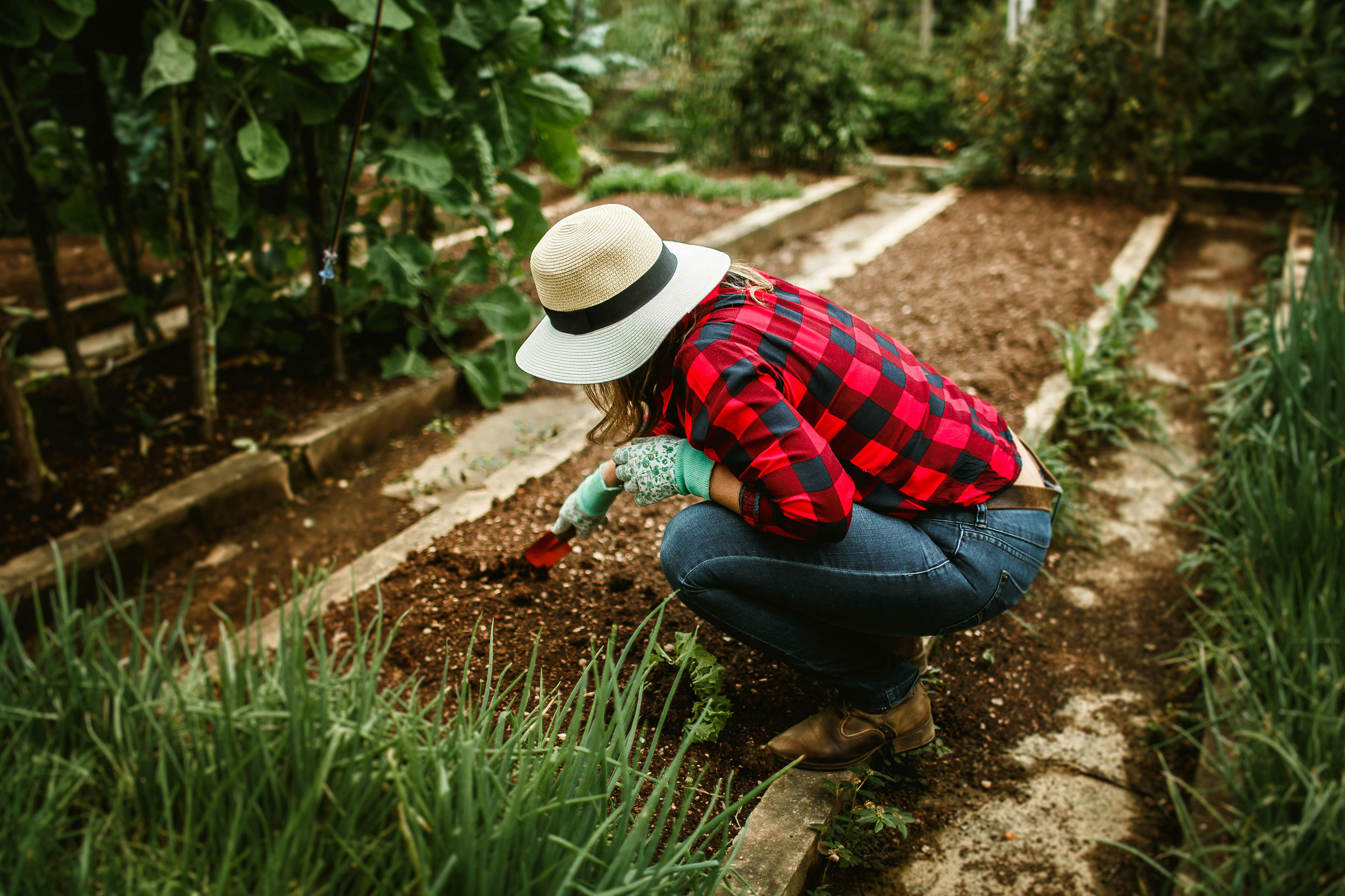
Personal food production in Belize is often simple, not extreme.
Finding the Right Fit for You
Rather than telling you which area is “best,” this framework helps you self-identify based on your priorities:
- Want comfort with your own garden? Cayo is ideal.
- Prefer some independence but not total isolation? Stann Creek inland offers a balance.
- Crave maximum freedom and don’t mind extra effort? Toledo provides space, autonomy, and low-infrastructure living.
By thinking about land access, climate, infrastructure, and community support, you can choose the region that fits your goals for independence, cost of living, and sustainable personal food systems—all without sacrificing the lifestyle you want.
Final Takeaway – Choosing the Right Region for Self-Reliant Living in Belize
Belize offers unique opportunities for those seeking self-reliant living, but each region comes with its own set of advantages and trade-offs. Understanding what you value most—land, climate, infrastructure, and community support—is the first step in creating a sustainable, independent lifestyle.
- Cayo District provides a balance of autonomy and comfort, with fertile inland land, reliable rainfall, and towns like San Ignacio and Belmopan nearby for markets and services. It’s ideal if you want to maintain a garden or small food system without giving up convenience.
- Stann Creek inland areas offer partial independence, allowing you to grow your own food while remaining within reach of towns like Dangriga, Hopkins, and Placencia. You trade some convenience for more autonomy.
- Toledo District is best for those seeking maximum freedom and self-reliance, with large, affordable plots and a strong culture of subsistence living. Daily life requires more effort, but the independence is unmatched.
In all cases, trade-offs are inevitable: regions with more autonomy often have less infrastructure and services, while areas with easy access to towns and amenities may limit your ability to grow food or maintain personal food systems. Choosing the right district is the most important decision for living self-reliant in Belize. It sets the stage for a lifestyle where personal autonomy, lower cost of living, and the ability to grow your own food for personal consumption align with your goals.
By evaluating your priorities and the trade-offs in each region, you can confidently select the area that supports your vision of self-reliant living in Belize and start building a life that balances independence, comfort, and sustainability.
Check your eligibility for residency in Belize and other countries using the Latin America Residency Map and take the first step toward self-reliant living in Latin America.