
19 min read
One reason schooling in Paraguay often exceeds expectations for expat families moving to Paraguay with children has little to do with curriculum and everything to do with culture. Paraguayan society places children at the heart of daily life—through extended family support, community involvement, and a relaxed, child-centered approach that reduces academic pressure and fosters independence. This cultural foundation creates a nurturing, low-stress environment where kids thrive socially and emotionally, making education feel more relaxed, flexible, and aligned with freedom-focused adventure living in Latin America than many Western systems.
……………………………..
Table of Contents
Schooling in Paraguay for Families Considering a Different Path
For families considering a move abroad, schooling in Paraguay is often the deciding factor. You may be drawn to more freedom, lower costs, and a slower pace of life—but stability, quality, and social opportunities for your children remain top concerns.
Paraguay’s education system differs from North America, Europe, or Australia, with public, private, bilingual, international, homeschool, and vocational options all available. That diversity allows parents to design an education path tailored to their children’s needs, rather than follow a rigid model.
This post provides families with a practical resource to explore what schooling in Paraguay is available, from academic options and language support to safety, and social opportunities. It’s designed for independent families asking: Which education paths in Paraguay best support our children, values, and adventure-focused lifestyle? For many families, schooling decisions are inseparable from broader lifestyle questions around affordability, safety, and long-term stability when relocating abroad.
Paraguay’s Family-Centric Culture and Its Impact on Schooling
Paraguay is a deeply family-oriented country, and this shapes schooling in Paraguay. Children are integrated into daily life through family gatherings, neighborhood play, and community events like asados and tereré. Extended family and godparents actively support children, creating a protective, inclusive environment that helps expat children adjust even with limited Spanish.
Parenting and schools often emphasize structure, respect, and clear boundaries. This consistency offers stability for families relocating from high-pressure or fragmented systems. While community involvement can feel intense, it provides children with social support, easing the transition into a new school culture.
For independent families, this family-centric culture matters. A child-friendly, connected environment reduces daily stress, allowing parents to focus on work, travel, or lifestyle freedom—while their children thrive socially and academically in Paraguay. This emphasis on community and daily connection mirrors what many expats experience in everyday routines outside the classroom.
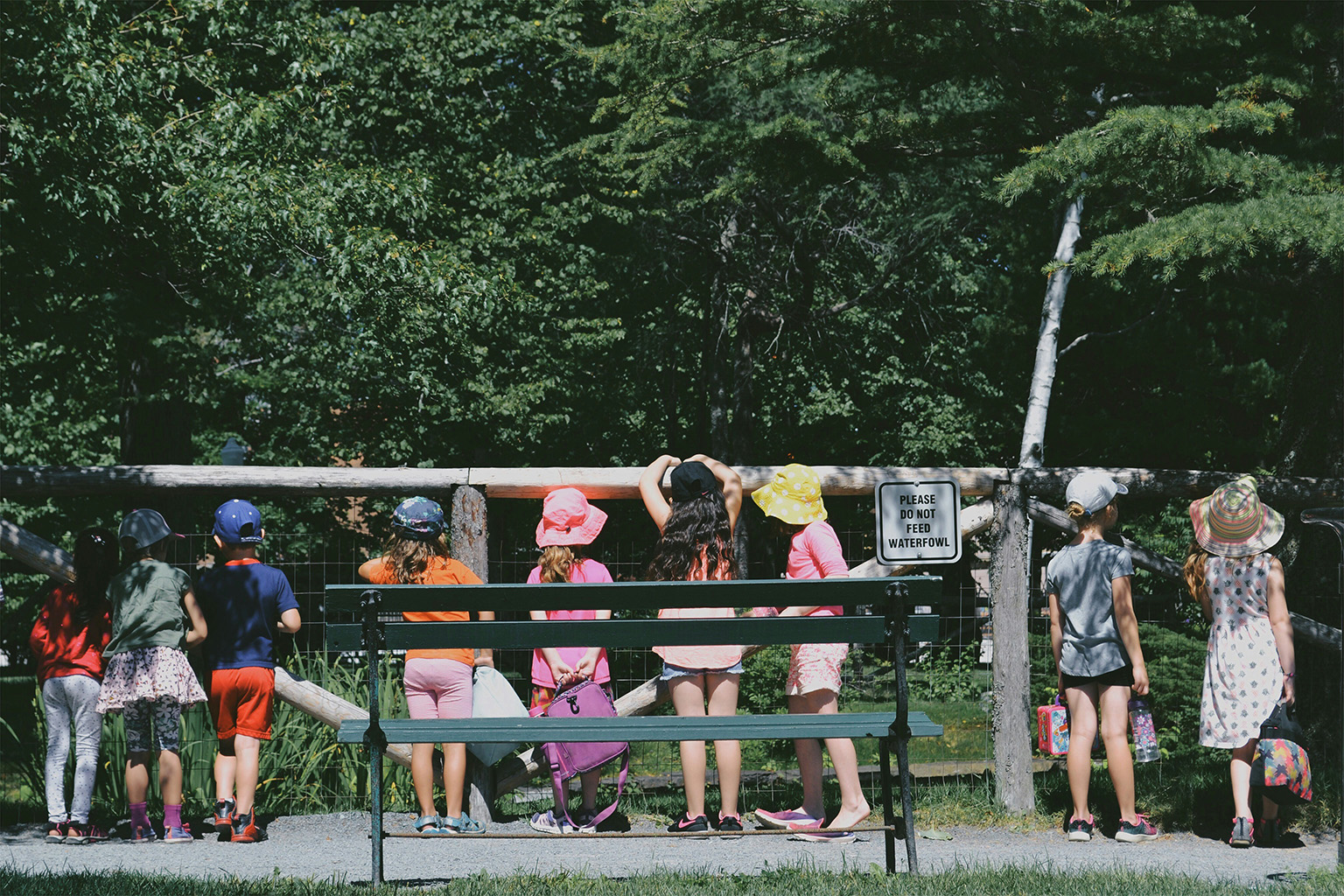
Learning in Paraguay often extends beyond classrooms into everyday environments.
Handling the Language Barrier – Helping Children Adapt Without Stress
Language is a top concern for families exploring schooling in Paraguay, but it doesn’t have to be a barrier. Paraguay’s bilingual reality—Spanish and Guaraní—means children are exposed daily through classrooms, playgrounds, and community life. Spanish dominates school instruction, and most children pick up basic conversational skills within 3–6 months of immersion.
The goal isn’t perfect grammar—it’s confidence, communication, and social integration. With a mix of bilingual schools, tutors, language apps, playdates, and interactive books, children can adapt quickly, making schooling in Paraguay a smooth and empowering experience.
Top Language Apps for Schooling in Paraguay
The following table lists popular apps for learning Spanish, ideal for expat families moving to Paraguay with children to build language skills quickly at home before or alongside schooling in Paraguay.
| App / Platform | Description | Website Link |
| Duolingo / Duolingo Kids | Playful, gamified Spanish lessons for beginners and kids. | abc.duolingo.com |
| Babbel | Structured lessons with real conversational focus. | www.babbel.com |
| Memrise | Vocabulary and real-world spoken Spanish practice. | www.memrise.com |
| Rosetta Stone | Immersion-based Spanish learning for all ages. | www.rosettastone.com |
Language Schools & Immersion Programs for Children in Paraguay
When moving to Paraguay with children, fast Spanish acquisition is key for school integration and daily life.
These Asunción-based language schools below offer flexible options—from immersive classes for kids to conversational focus for parents—making the bilingual transition smoother and more enjoyable.
| School / Center Name | Description | Website Link |
| IDIPAR | Spanish and Guaraní classes for all levels; group or private lessons, online or in person. | www.idipar.com.py |
| Hispana Paraguay | Interactive Spanish lessons focused on conversation and cultural context. | www.hispanaparaguay.com.py |
| Fluido Spanish School | Intensive, immersive classes in a kid- and expat-friendly environment. | fluidospanish.com |
| El Políglota | Center for interactive Spanish learning. | www.elpoliglota.net/en/ |
Why Multilingual Children Thrive in Paraguay
For families considering schooling in Paraguay, multilingualism is an advantage, not a barrier. Exposure to Spanish and Guaraní equips children with real-world language skills, strengthens cultural connection, and boosts confidence.
The focus is participation, not perfection. Combining bilingual schools, tutors, language apps, and daily practice allow children to adapt quickly, making schooling in Paraguay stress-free, enriching, and even enjoyable. These language strategies are especially common among families settling in urban areas with established expat networks.
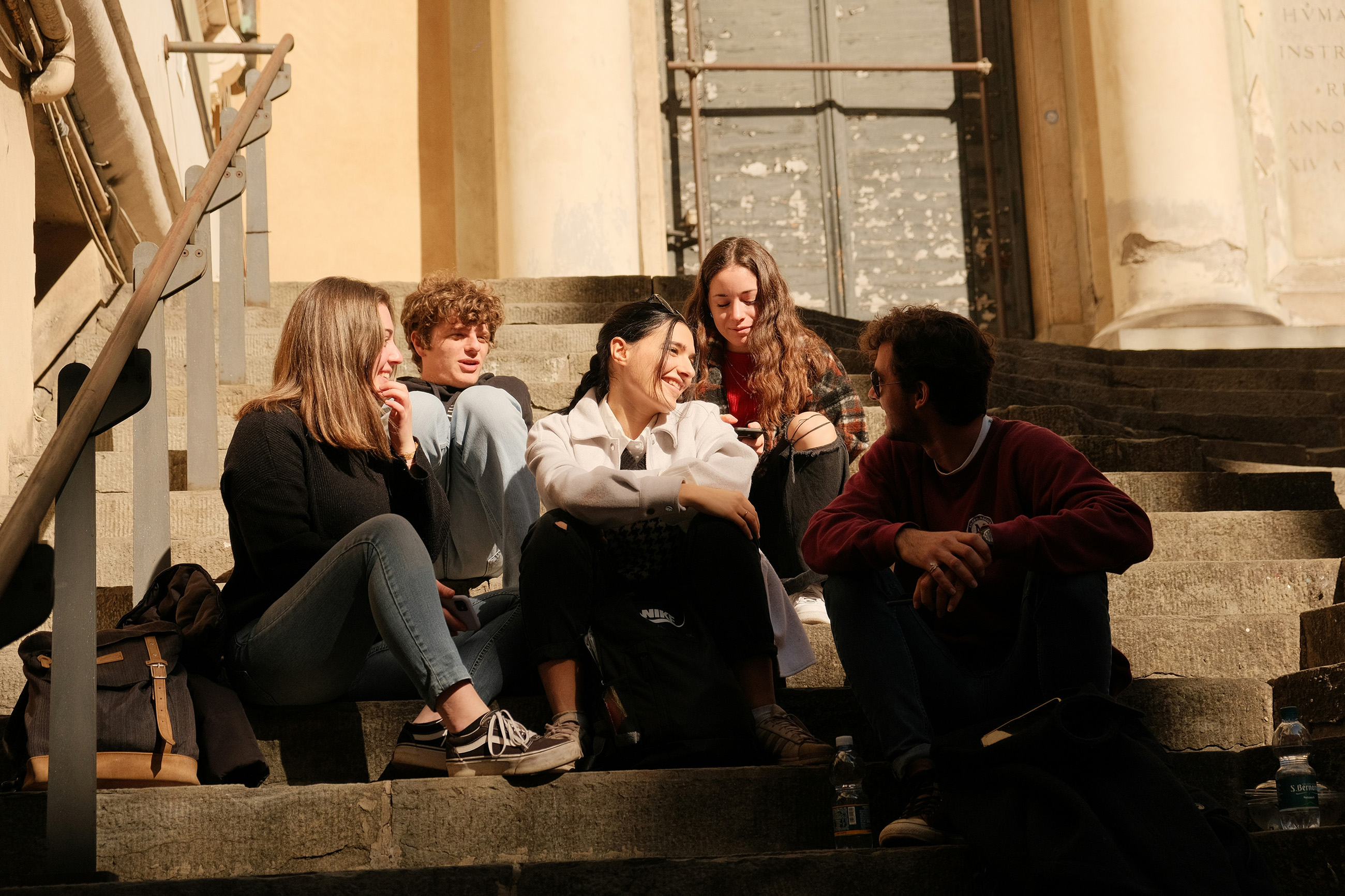
Strong peer connections play a key role in teenage schooling experiences in Paraguay.
Schooling in Paraguay: Flexible Options for Expat Families Moving to Paraguay with Children
Schooling in Paraguay isn’t one-size-fits-all—which is exactly why it appeals to independent families. Options range from public and private schools to bilingual or international programs, homeschooling, and vocational paths. Parents can tailor education to their children’s needs, values, and lifestyle. The question isn’t perfection—it’s whether schooling in Paraguay offers enough flexibility for children to thrive. With planning, the answer is usually yes.
Education is 12 years long and free up to age 14. Primary school begins at six or seven and spans six grades, while secondary school is split into lower (7th–9th) and upper (10th–12th) levels. While Paraguay provides secondary and technical education, families with greater resources sometimes choose schools abroad, particularly in Chile, for advanced or specialized programs.
Schooling in Paraguay Options at a Glance
This comparison of the main schooling in Paraguay options for expat families moving to Paraguay with children will help you find the best fit for freedom-focused education and adventure living in Latin America.
| Option | Grades / Level | Est. Costs (USD, 2026 est.) | Key Features | Best For Independent Families Who… |
| Local Public Schools | Primary–Secondary | Free (indirect costs ~$200–500) | Spanish-heavy, basic facilities, strong cultural immersion, community focus | Want maximum affordability and local integration |
| Local Private Schools | Primary–Secondary | $800–$3,000 | Smaller classes, better infrastructure, values-based, some bilingual elements | Want structure without international-school prices |
| Bilingual / International Schools | Pre-K–Secondary | $3,000–$10,000+ | English continuity, global curricula (e.g., U.S./IB-style), expat communities | Need academic continuity or plan future mobility |
| Homeschool / Hybrid | All ages | $500–$2,500 | Flexible schedules, online curricula, low regulation for expats | Prioritize travel, autonomy, or custom education |
| Technical / Vocational Education | Secondary / Post-basic (ages 15+) | $300–$1,500 (often low/free in public) | Skill-based training (e.g., mechanics, IT, administration), practical outcomes, Bachilleratos Técnicos (3 years) leading to jobs or uni | Value hands-on skills over academic prestige; prepare for local workforce or self-employment |
| Specialized Skills Training & Agriculture | Secondary / rural-focused | $0–$1,000 (many self-sustaining models) | Hands-on farming and agribusiness training at Fundación Paraguaya schools: Escuela Agrícola Cerrito, CEFA Curuguaty. | Embrace rural adventure, self-sufficiency, or off-grid living in Paraguay |
| Options for Children With Special Needs | Varies (inclusion in mainstream or support centers) | Free–$2,000 (public inclusion; private/support extra) | Inclusive education push (per 2013 law); mainstream with adaptations, support centers (gradual shift from ~70 special schools), limited dedicated facilities | Seek inclusive, supportive environments; may combine with international schools (e.g., ASA offers some accommodations) |
| Montessori Options | Early Childhood / Primary (ages ~1–12, often Pre-K–6) | $1,000–$4,000 (varies by center) | Child-led, hands-on learning in prepared environments (e.g., Asuncion Montessori House, Montessori Children’s Home, Little Stars) | Prefer gentle, independence-focused early education that aligns with freedom and natural development |
School choice often depends on where a family decides to base themselves long term.
Note: For expats moving to Paraguay with children, these specialized options work best as supplements (e.g., vocational for teens interested in practical skills, Montessori for an early freedom-aligned start). Always verify current details via school sites.

School uniforms are common across public and private schools in Paraguay.
Private vs. Local Schooling in Paraguay
When moving to Paraguay with children, many expat families choose between affordable local private schools for cultural immersion or traditional public options. These provide solid education at low cost while building local ties—ideal if you want structure without international-school prices.
Local Public Schools in Paraguay: Public schools in Paraguay are free, compulsory (ages 6-17), and available nationwide, making them a practical starting point for many families. However, they come with key realities for expat families moving to Paraguay with children:
- Almost entirely taught in Spanish (with significant Guaraní use in many areas)
- Often resource-limited (e.g., larger class sizes, basic facilities)
- Quality varies widely by region (stronger in urban Asunción, more challenged in rural areas)
These schools excel for full cultural immersion and rapid language acquisition once kids have basic Spanish proficiency. For an all-inclusive list of public schools across Paraguay (including locations outside Asunción), refer to this comprehensive Wikipedia directory.
Local Private Schools in Paraguay: Local private schools offer great value for expat families moving to Paraguay with children: quality schooling in Paraguay at low cost ($800–$3,000 USD/year). They feature smaller classes, better facilities, stronger parental involvement, and disciplined environments—balancing affordability, structure, and cultural immersion.
Here are some notable private schools in Asunción (not a recommendation, just examples):
| School Name | Description / Key Features | Website / Source Link |
| Goethe School | German-Paraguayan bilingual focus with strong international connections and multilingual programs. | www.goethe.edu.py |
| San Andrés | Long-established school founded by the Anglican community; emphasizes values and academics. | www.iglesiaanglicanaparaguaya.org/colegio-san-andres-2/ |
| Internacional College | Traditional school with over 100 years of history; solid Paraguayan curriculum and reputation. | www.internacional.edu.py |
| Sun School (Colegio del Sol) | Bilingual with STEAM focus and dual diploma options; innovative and family-oriented. | www.colegiodelsol.edu.py |
| Las Almenas | Personalized education model with strong language programs and individual development focus. | lasalmenas.edu.py |
| Colegio San José | Catholic school known for values-based education, smaller classes, and good integration. | sanjose.edu.py/xn19/ |
| St. Anne’s School | Catholic school focusing on academics, character, and expat-friendly environment. | www.ibo.org/en/school/000758 |
| Full List of Private Schools in Paraguay | This table shows only a few examples in Asunción. For an all-inclusive directory of private schools across the country (including other cities and regions), see the comprehensive Wikipedia list. | es.wikipedia.org/wiki/Anexo:Colegios_del_Paraguay |

Government institutions play a role in shaping education policy and innovation in Paraguay.
Bilingual and International Schools in Paraguay
Bilingual and international schools in Paraguay offer English continuity, global curricula, and expat communities—perfect for families moving to Paraguay with children needing academic alignment with home countries.
Typical features:
- English-based instruction
- U.S., IB, or international curricula
- Multinational student bodies
- Strong extracurricular programs
- International schools higher cost
Well-Known Bilingual & International Schools in Paraguay
Most schools are in Asunción (with some in nearby Luque), costing far less than U.S./Europe equivalents. Well-known options include:
| School Name | Location | Description | Website Link |
| American School of Asunción (ASA) | Asunción | Bilingual international school offering U.S.-style curriculum from early childhood through high school. | www.asa.edu.py |
| SEK Paraguay International School | Asunción | Part of the SEK global network, offering bilingual education with international programs. | sekparaguay.com/en/en-home/ |
| Asunción Christian Academy (ACA) | Asunción | Catholic international school offering bilingual instruction and values-based education. | aca.edu.py |
| St. Anne’s School | Asunción | Bilingual Catholic school with a focus on academics and character development. | www.ibo.org/en/school/000758 |
| Lycée Français International Marcel Pagnol d’Asunción | Asunción | French international school offering French curriculum from early childhood through high school. | lfasu.com |
| Scuola Italiana Dante Alighieri | Asunción | Italian international school providing Italian curriculum and cultural programs. | en.wikipedia.org/wiki/Scuola_Italiana_Dante_Alighieri |
Expat-Friendly Schools Outside Asunción: While most international and bilingual schooling in Paraguay is concentrated in Asunción, expat families moving to Paraguay with children in other regions have strong options. Here are some schools in Luque and Ciudad del Este that provide curriculum continuity and language support for adventure-focused lifestyles near borders or rural areas.
| School Name | Location | Description | Website Link |
| Pan American International School (PAIS) | Luque | English-medium international school serving pre-kindergarten through Grade 12. | pais.edu.py |
| Trinity School (Paraguay) | Luque | Bilingual school with integrated Spanish/English curriculum and MEC accreditation. | ts-pry.cmstemp.com |
| Collège Français Jules-Verne | Ciudad del Este | French international school offering a complete French curriculum for students of all ages. | en.wikipedia.org/wiki/Coll%C3%A8ge_fran%C3%A7ais_Jules-Verne_(Paraguay) |
These schools are most practical for families planning future mobility or international careers.
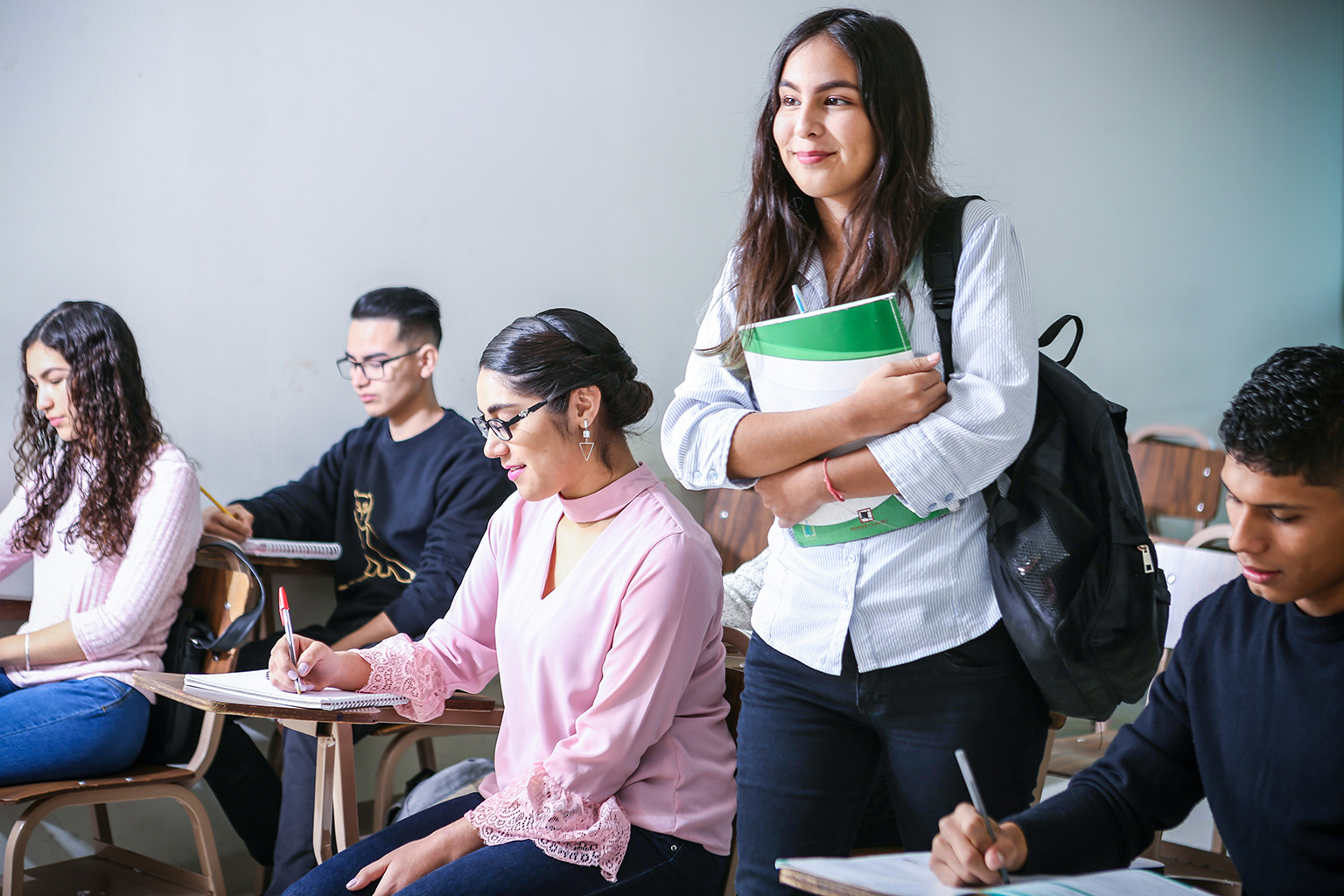
Classroom-based learning remains a core part of secondary schooling in Paraguay.
What Families Should Know Upfront About Schooling in Paraguay
International and bilingual schooling in Paraguay offers continuity for expat families moving to Paraguay with children, but plan ahead for these realities:
- Waiting lists are common, especially in popular international schools like ASA or PAIS—particularly for early grades (Pre-K to elementary). Recent 2026 reports show families often need to apply 6–14 months in advance to secure spots, with waitlists lengthening due to growing expat influx.
- Enrollment often follows Northern Hemisphere calendars in many international schools (e.g., starting February/March, ending November/December), blending Paraguayan national holidays with U.S./European-style semesters. Local public/private schools align more closely with Paraguay’s February–November academic year.
- Traffic matters—school runs in Asunción can add significant daily stress if you live far from school zones (e.g., Villa Morra or Las Carmelitas). Peak-hour congestion (6–8 AM and 5–7 PM) is notorious, so choose neighborhoods close to your chosen school for smoother commutes and less family disruption.
These options work best for families who:
- Expect future relocation or mobility
- Plan university education abroad (many international schools prepare for global unis)
- Want minimal academic disruption during the transition to Paraguay
For higher education pathways (post-high school):
- List of Universities in Paraguay (by town, including major public/private ones in Asunción like Universidad Nacional de Asunción (UNA) and Universidad Católica; Ciudad del Este, Encarnación, etc.)
For secondary education overview:
- List of High Schools in Paraguay (Wikipedia compilation, including public, private, and some international/technical examples in Asunción and beyond)

Some expat families choose homeschooling as part of their schooling strategy in Paraguay.
Homeschooling & Alternative Education in Paraguay: Practical Realities for ExpatS
This is not legal advice, and enforcement can change by region or political climate. Homeschooling in Paraguay operates in a gray area: The Constitution (Article 129) recognizes parents as primary educators and allows home-based options, but compulsory education laws (ages 6–17) require school attendance under the General Law on Education, with no explicit homeschool regulations or exemptions.
Enforcement is low and inconsistent, especially for expats—many families go unnoticed due to limited tracking. However, official non-compliance risks issues if reported. Residency status and long-term plans can influence how families structure home-based education.
Common Practices Among Expat Families Most expat homeschoolers in Paraguay adopt flexible workarounds:
- Enroll in accredited online schools abroad (e.g., U.S./home-country programs like Pearson Online Academy) → Expat Exchange Guide
- Maintain registration in a foreign education system for continuity and diploma recognition
- Hybrid models: Combine home learning with local private tutors, part-time private schools, or community activities → Hello Paraguay on Flexible Options
- Use Paraguay as a base for road-schooling or travel-based learning, leveraging low regulations
This approach supports freedom-focused lifestyles but remains unofficial—many expats report success without problems.
Key Considerations:
- Kids in local schools often learn Spanish faster and integrate socially more easily.
- For long-term residency, MEC certification, or university pathways, consult legal/educational experts or the Ministry of Education (MEC) to avoid risks.
Homeschooling suits adventure-seeking families prioritizing autonomy, but proactive planning ensures smooth transitions and compliance. Join expat groups (e.g., Facebook “Expat Families in Paraguay”) for real-time experiences.
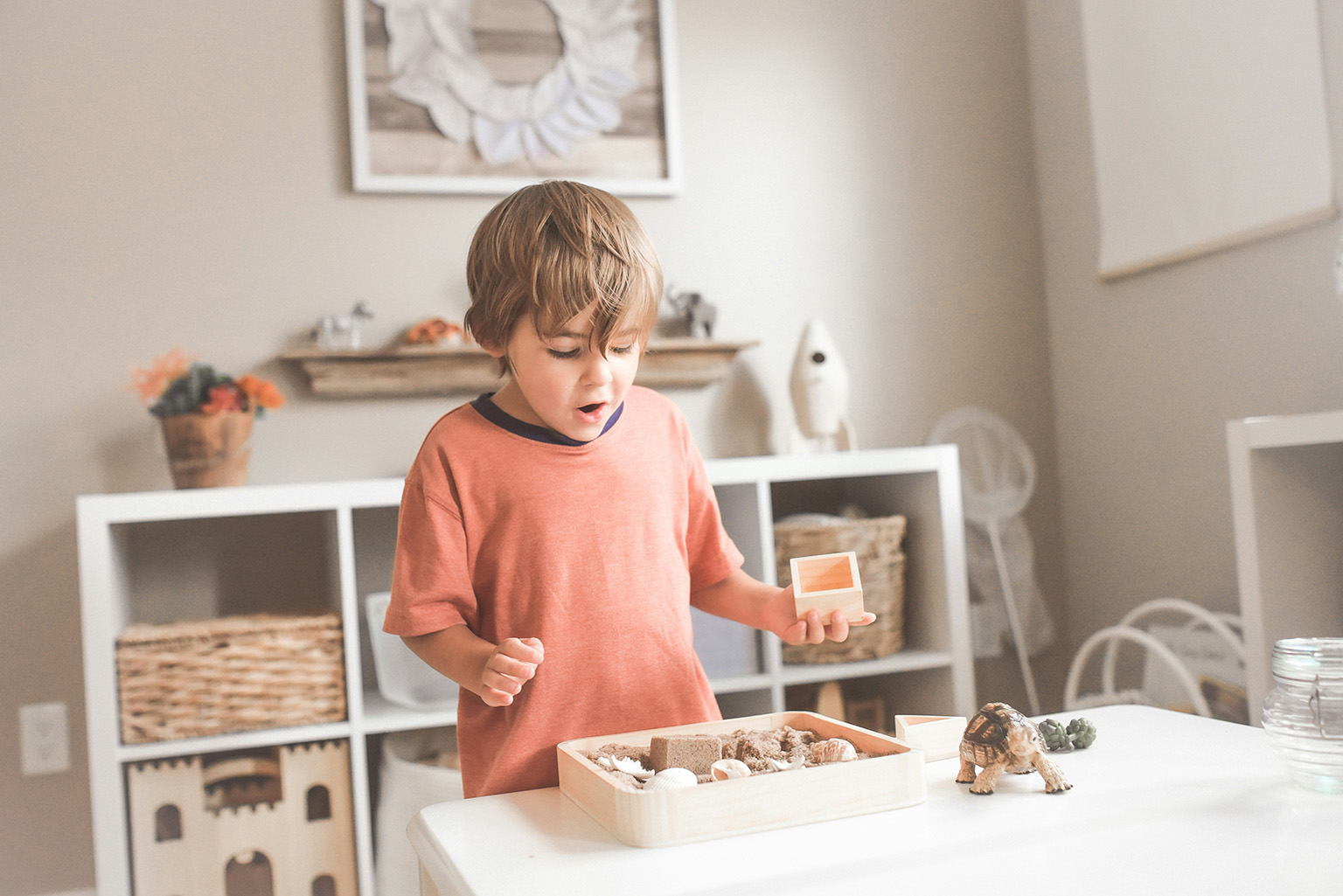
Early education in Paraguay often emphasizes independence and play-based learning.
Montessori Schooling in Paraguay: Gentle, Child-Led Options for Expat Families
For families moving to Paraguay with children and exploring schooling in Paraguay, Montessori schools offer a peaceful, independence-focused alternative to traditional setups. These programs emphasize hands-on learning, respect for the child’s natural development pace, and prepared environments—ideal for expats seeking flexible, freedom-aligned early education.
Here are some schools:
- Asuncion Montessori House – Villa Elisa (near Asunción) Long-established Montessori school founded in 2011, offering international community-based education with the Montessori Method for children; focuses on igniting passion for learning. → asuncionmontessori.com
- Montessori Children’s Home – Asunción Popular early childhood development center (Espacio de Desarrollo Infantil N° 8042, habilitado por MEC), applying Montessori teaching for children ages 1-5; emphasizes holistic development in a nurturing environment.
→ www.facebook.com/MontessoriChildrensHome (main page; Instagram @montessori.ch.py for updates) - Little Stars Montessori – Lambaré (Greater Asunción area) Modern Montessori-aligned early childhood space (Espacio de Desarrollo Infantil N° 8365, habilitado por MEC), neurocience-informed with prepared environments and materials to foster curiosity and independence; includes open doors visits and vacation programs.
→ littlestars.com.py - Escuela Básica N° 6065 María Montessori – Location in Limpio, Paraguay (MEC-registered public/private hybrid) Government-recognized basic education school, incorporating elements of the method; serves primary-level students with a focus on Montessori principles.
→ Escuela Básica Privada No 6065 Maria Montessori
These represent the most prominent and verifiable options in Paraguay as of 2026. For expat families moving to Paraguay with children, these could complement bilingual/international schools or homeschooling setups—contact directly for current enrollment (inscriptions often open for 2026 cycles).
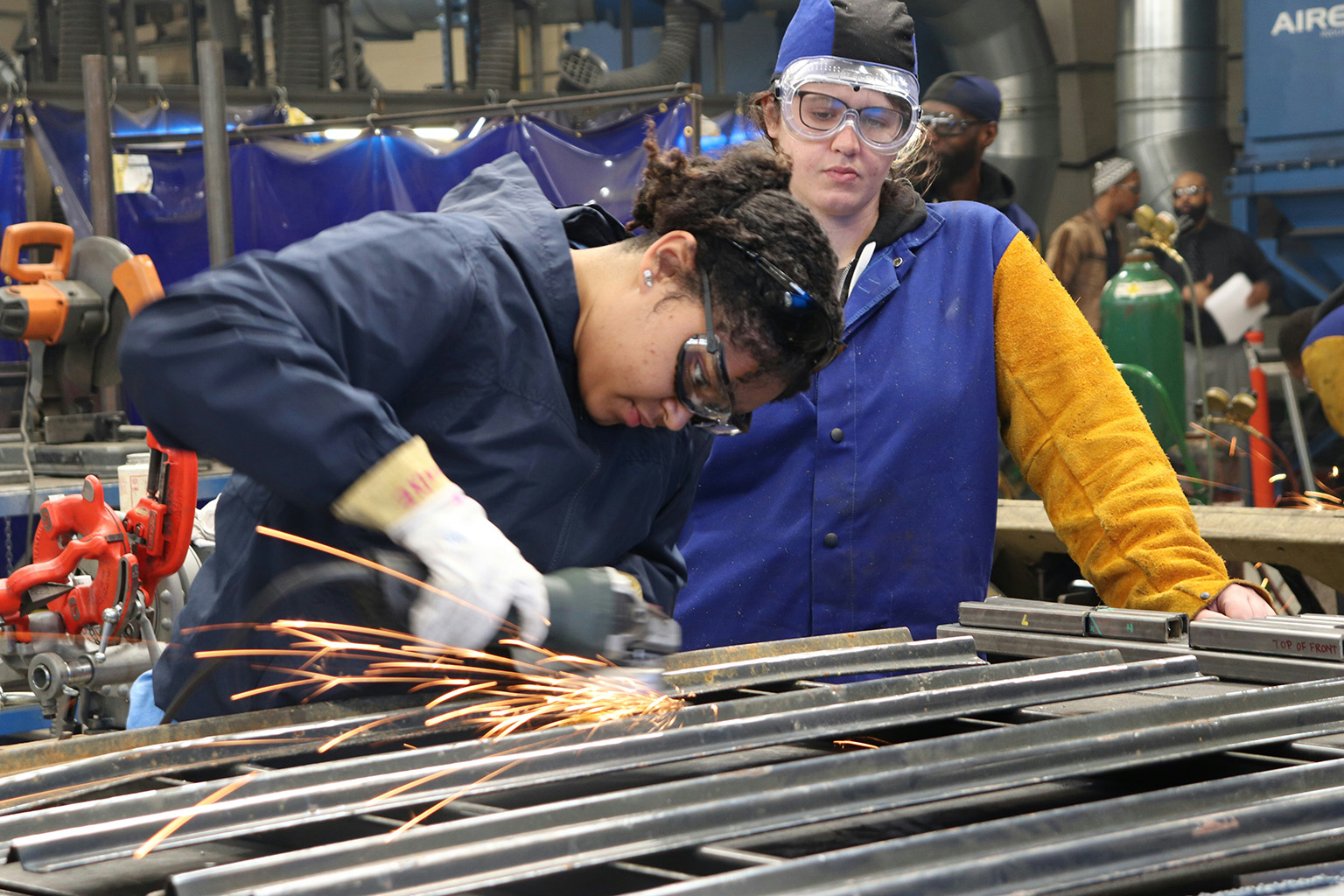
Technical and vocational training offers practical schooling alternatives in Paraguay.
Vocational and Non-University Education Paths in Paraguay
Vocational and technical education in Paraguay emphasizes employable skills like mechanics, IT, administration, electricity, and agriculture—perfect for teens or freedom-focused families valuing real-world preparation over prestige. Public options are often free or low-cost; private ones add quality and flexibility.
Vocational & Technical Training Programs
These schools can fit well as hybrids with homeschooling or local schooling in Paraguay, supporting self-sufficiency, rural living, or local job entry.
- Bachillerato Técnico — Formal secondary-level technical education under the Ministry of Education (MEC), blending general studies with practical specialties (e.g., mechanics, IT, administration, agropecuario streams). Great for employability and entrepreneurship.
→ UNESCO TVET Database overview:
unevoc.unesco.org/wtdb/worldtvetdatabase_pry_en.pdf - Servicio Nacional de Promoción Profesional (SNPP) — Government-run institution offering short, hands-on vocational courses nationwide (mechanics, electricity, electronics, industrial maintenance, IT, gastronomy, and more). Low-cost/free in many cases, with current 2026 pre-inscriptions open for Mandos Medios and other programs.
→ Official site for latest offerings and registrations: www.snpp.edu.py
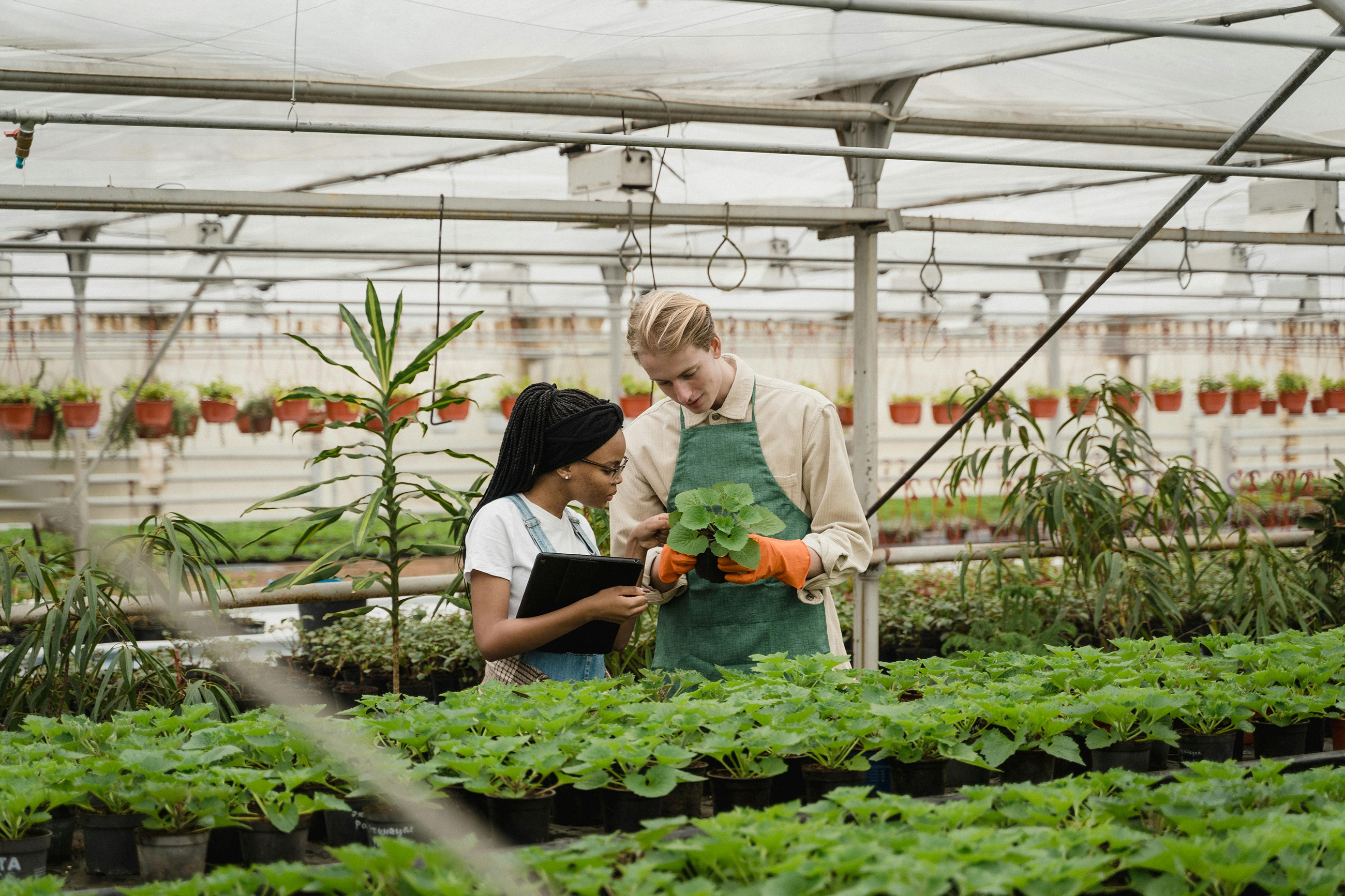
Agricultural education remains an important part of schooling in Paraguay.
Agricultural & Rural Skills Training Programs
Paraguay’s agriculture-focused options prepare students for productivity, innovation, and rural entrepreneurship—ideal for adventure lifestyles or family businesses.
- Bachillerato Técnico Agropecuario — Secondary program specializing in agricultural skills, employability, and entrepreneurship (crops, livestock, agromechanics). → MEC fundamentals: mec.gov.py
- Technical Agricultural Schools — Hands-on programs to boost agropecuarian productivity and innovation.
→ Fe y Alegría example: www.feyalegria.org/paraguay/ - Universidad Rural del Paraguay (URP) — University-level agronomy and agricultural sciences programs (e.g., Ingeniería Agronómica).
→ www.urp.edu.py
For the latest enrollments, locations, and specifics, visit the linked sites—programs evolve annually. These options enhance schooling in Paraguay with practical, low-pressure pathways for expat teens. These pathways appeal to families focused on practical skills, entrepreneurship, or long-term local integration.
Life skills are often learned alongside academics in Paraguayan education.
Schooling in Paraguay Options for Children With Special Needs
Special needs schooling in Paraguay requires realistic expectations: Public support is limited outside Asunción, with implementation of the 2013 Inclusive Education Law (Ley 5136) varying widely. Private therapies and some inclusive options exist, but English-speaking specialists are scarce, and most schools offer minimal built-in accommodations.
Common Challenges:
- Language barriers with providers (mostly Spanish/Guaraní)
- Few English-speaking specialists
- Limited institutional support in mainstream schools
Family Strategies:
- Combine homeschooling with private therapy (speech, occupational, psychology)
- Choose flexible private/international schools
- Base near Asunción for better access
Reality check for special needs families: Paraguay can work, but only with layered support, proximity to Asunción, and flexibility.
Special Needs / Inclusive Education List of Key Schools & Centers
These are the main publicly recognized or notable options—mostly in Asunción; contact directly for current availability and expat fit.
- Centros de Apoyo a la Inclusión (Inclusion Support Centers) — Publicly recognized specialized centers under MEC (Ministry of Education), transformed from traditional special schools; ~80+ nationwide, providing resources, training, and support for mainstream inclusion (focus on disabilities like intellectual, physical, sensory). → Info on inclusive education progress: exceptionalchildren.org/blog/project-comunica-removing-barriers-children-special-needs-paraguay
- Escuela Especial Nº 2 “John F. Kennedy” — Asunción specialized school for children/youth with intellectual disabilities (including Down syndrome), offering adapted programs and integral development.
→ johnkscholl.wordpress.com - Primera Escuela Paraguaya de Sordos (First Paraguayan School for the Deaf) — Historic Asunción school for hearing-impaired students, providing adapted academics, speech services, and teacher training.
→ www.globalministries.org/partner/lac_partners_primera_escuela_paraguaya_de/ - Fundación Teletón Paraguay — Private nonprofit since 1979 offering comprehensive rehabilitation (physical/therapy services) for children with disabilities; supports education indirectly through therapy.
→ teleton.org.py (main site; education/rehab programs listed) - Olimpiadas Especiales Paraguay – Inclusive Education Programs — Promotes inclusion via unified schools/universities, sports-based learning, leadership, and community activities for intellectual/developmental disabilities; connects to educational settings but not a full school. → oep.org.py/educacion-inclusiva/
- Private/Inclusive Support at International Schools — Some (e.g., American School of Asunción – ASA) consider mild special needs with IEPs/individual plans during admissions; limited but growing accommodations for expats. ASA Special Needs Profile (2025): → www.state.gov/the-american-school-of-asuncion-special-needs-profile (download PDF for details)
Access to services improves significantly when families live near major urban centers.
Note: Resources are concentrated in Asunción; rural access is minimal. For latest, consult MEC or expat groups. This honest overview helps families plan schooling in Paraguay effectively.
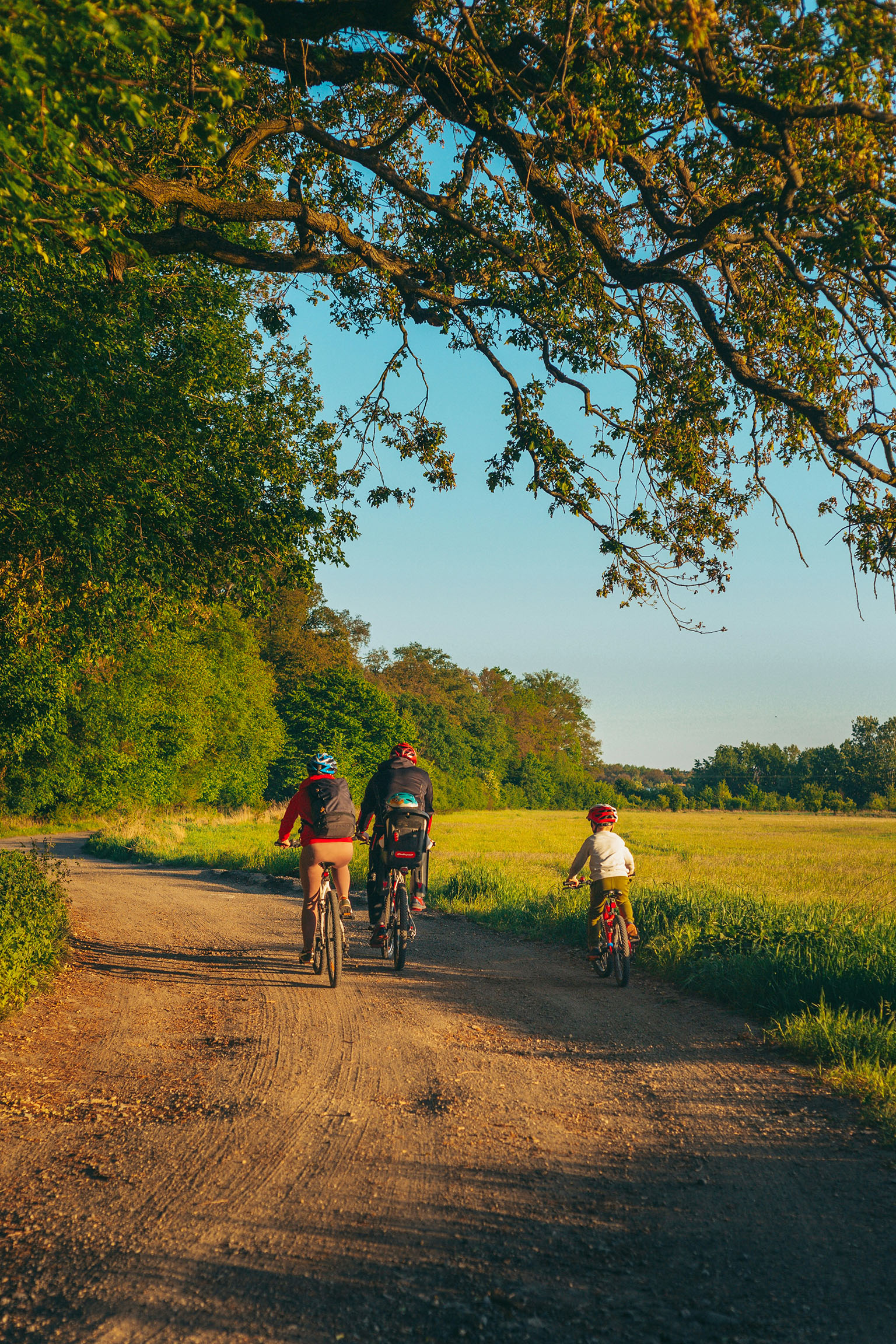
Safe neighborhoods and outdoor freedom support family life alongside schooling in Paraguay.
Safety, Neighborhoods, and Daily Life: How Environment Shapes Schooling in Paraguay
When families evaluate schooling in Paraguay, safety is rarely about extreme danger or crisis scenarios. It’s about everyday life. Can children walk to school or the park? Can they play outside independently? Can parents focus on work without constant supervision anxiety? For many families, Paraguay offers a surprisingly reassuring answer.
Safety From a Family Perspective
Paraguay tends to feel community-aware rather than security-obsessed. In residential neighborhoods—particularly middle- and upper-middle-class areas—children are visible and known. Neighbors recognize who belongs where. Shop owners, guards, and other parents keep informal watch, creating a “small-town” atmosphere even within larger cities.
This directly shapes how schooling in Paraguay works for families day to day:
- Children often walk or bike short distances to school or do activities
- Playdates form naturally in parks, courtyards, and shared spaces
- School pickup and drop-off is a social routine, not a high-security event
Most families rely on practical, common-sense precautions rather than constant oversight:
- Choosing gated communities or controlled-access buildings
- Living close to schools to avoid long commutes
- Teaching basic situational awareness rather than fear-based rules
Paraguay does not experience recurring natural disasters, extreme weather events that disrupt schooling, or a culture of lockdown-style education. For parents arriving from high-stress environments, this often feels like a return to normal childhood autonomy, which plays an important role in children’s emotional stability and school adjustment.
Kid-Friendly Neighborhoods in Asunción and Key Expat Areas in Paraguay
Where families live directly shapes the day-to-day success of schooling in Paraguay—proximity to schools, parks, activities, healthcare, and expat communities often matters more than central location or prestige.
Top Family & Expat-Friendly Neighborhoods in Asunción
These areas offer walkability, green spaces, school access, and a strong expat presence, making them ideal for families moving to Paraguay with children:
- Villa Morra — The go-to expat hub: walkable, close to international and bilingual schools (e.g., ASA, PAIS), parks, cafés, and clinics.
- Las Carmelitas — Quieter residential feel with good school proximity, green spaces, and family stability without feeling isolated.
- Los Laureles / Mburucuyá — Community-oriented, residential vibe with local parks and nearby private schools—great for cultural immersion.
- Recoleta / San Blas — Central connectivity, mixed housing, and easy access to schools, sports clubs, and extracurriculars.
Many families balance school access with lifestyle preferences like green space, walkability, and quieter surroundings.
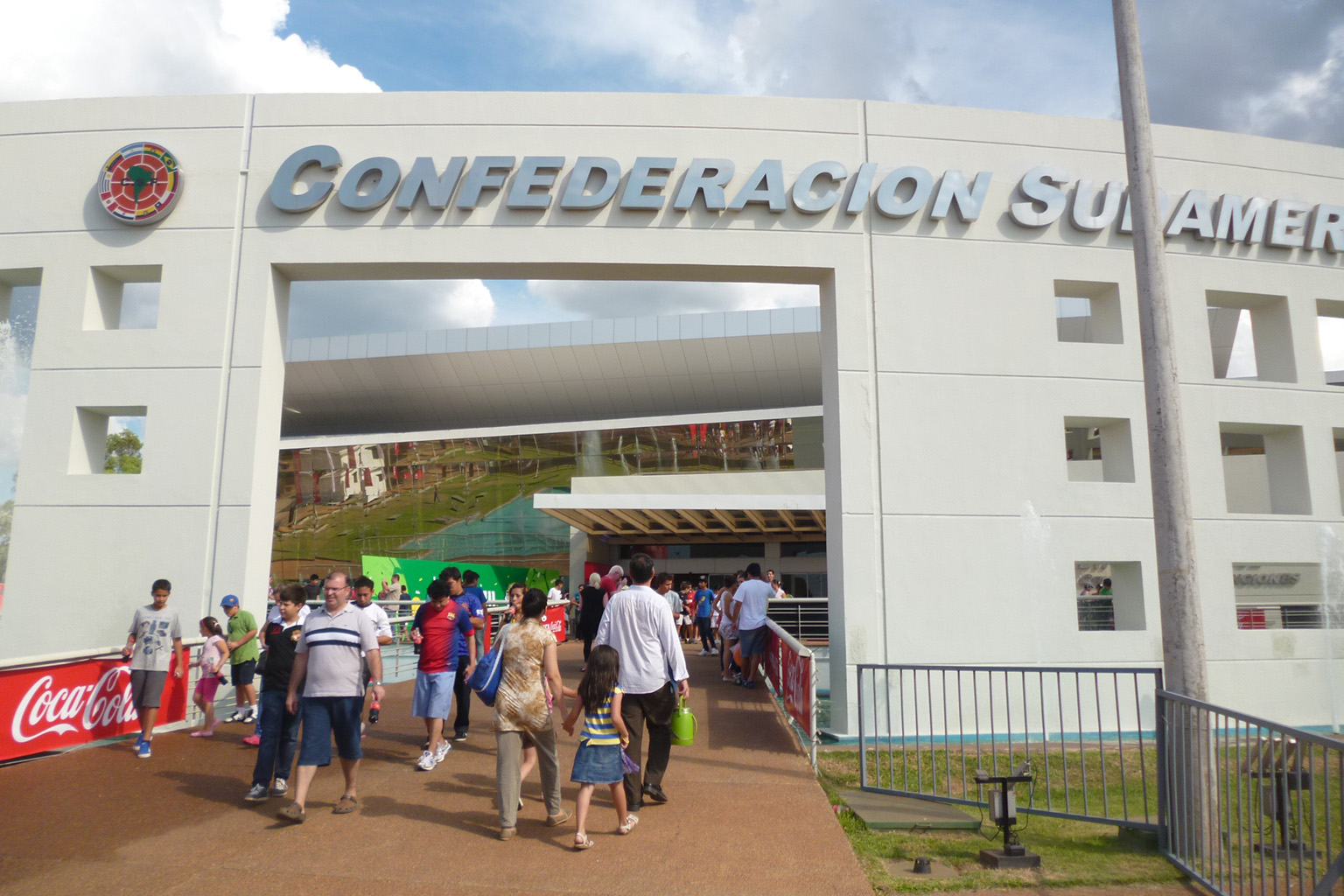
Community infrastructure plays a role in extracurricular and youth development in Paraguay.
Popular Expat & Family Areas Outside Asunción
Many freedom-focused families choose these locations for larger homes, lower costs, and access to quality schooling options while embracing adventure living:
- Luque — Practical top choice outside the capital: home to bilingual/international schools (e.g., PAIS), bigger properties, less traffic, and quick access to Asunción amenities.
- Ciudad del Este — Multilingual border city with private/bilingual schools (including French options) and cross-border exposure—best for families comfortable with a dynamic, busy environment.
- Encarnación — Southern riverside city with growing expat interest, good private schools, family beaches, and a relaxed pace—ideal for those prioritizing nature and lower living costs.
- San Bernardino / Areguá — Lakeside weekend/vacation towns near Asunción (30–45 min drive): family-oriented, scenic, with private school commutes feasible and a strong sense of community.
These neighborhoods balance school access, safety, and lifestyle—perfect for expat families prioritizing flexibility, affordability, and adventure in Paraguay. Choose based on your preferred school type and commute tolerance.
Why the Paraguayan Environment Enhances Schooling in Paraguay
Schooling in Paraguay isn’t just classrooms — it’s shaped by daily freedom, community safety, and low-pressure living. Expat families moving to Paraguay with children often find kids gain independence, real-world learning, and stronger social skills in a calmer, more humane setting than many Western systems.
Social Integration for Expat Kids:
- Expat Facebook groups for playdates and family meetups
- Sports clubs (Club Olimpia soccer, local basketball ~$50/month)
- Biblioteca Nacional kid events, parks, zoos, festivals
- Scouts Paraguay or church youth programs
- Birthdays: communal asados with games — more inclusive and family-centered, helping kids bond faster
This environment supports flexible schooling choices (homeschool hybrids, travel learning) while accelerating language acquisition and friendships — key wins for freedom-focused families. These conditions are often easier to sustain in countries where daily costs remain low relative to income.
Is Schooling in Paraguay Right for Your Family?
Schooling in Paraguay offers rare freedom: flexible options like bilingual private schools in Asunción, international academies, or homeschooling hybrids that adapt to your lifestyle—not dictate it. For expat families moving to Paraguay with children, kids gain independence, community bonds, low pressure, and real-world cultural learning in family-friendly neighborhoods—often a better balance than Western systems.
Families who plan schooling alongside healthcare, finances, and residency tend to experience far fewer disruptions.
Success comes from research: join expat parent groups for real insights on enrollment and routines. If Paraguay fits, explore residency via our Latin America Residency Map for secure schooling, housing, and adventure living with confidence.
Image attributions for selected images used in this article are provided below:
• The National Council of Science and Technology Paraguay by Monserratt Benítez, CC BY-SA 4.0, via Wikimedia Commons
• The South American Football Confederation Convention Center, located in Luque, Paraguay image by Hazaña17, CC BY-SA 3.0, via Wikimedia Commons