
13 min read
When it comes to safety in Belize, context matters. Belize is a beautiful country with a laid-back culture, strong expat communities, and many areas where day-to-day life feels calm and predictable. At the same time, crime statistics are often broad, location-specific, and rarely distinguish between high-risk areas and the neighborhoods where most expats settle. By considering location, daily habits, and local insights, expats can live safely and comfortably in Belize, particularly in well-established expat hubs and popular tourist areas.
……………………………..
Table of Contents
Is Belize Safe for Expats? What You Need to Know
Belize can be safe for expats if you understand how safety in Belize works daily. It’s not just about national headlines or crime rankings; safety depends on where you live, how you move, and how you adapt to local life.
For most expats, safety in Belize is strongest in island communities like Ambergris Caye and Caye Caulker, as well as in such places as San Ignacio, Belmopan, Placencia, and Corozal. These areas tend to have lower exposure to violent crime, more consistent policing or community oversight, and established expat populations that make day-to-day life more predictable.
The issues expats are most likely to encounter aren’t dramatic—they’re practical. Petty theft, uneven safety between districts, and occasional scams tend to affect newcomers who move too quickly or assume short-term travel habits translate to long-term living. Expats who verify housing, stay aware of neighborhood dynamics, and plug into local networks generally find safety in Belize manageable and stable over time.
If you’re looking for a clear-eyed breakdown of where expats actually live safely, which risks matter (and which are overblown), and how safety in Belize compares with other Latin American countries, this guide walks through the realities without exaggeration or sugar-coating.
Belize Safety Overview
Understanding safety in Belize means separating perception from how daily life actually works for expats. Crime exists, but its impact depends far more on where you live and how you move through your day than on national headlines or crime rankings. For most expats, lived experience looks very different from what statistics alone suggest.
Crime in Belize: Violent vs. Petty Theft
Belize experiences both violent crime and petty theft, but they affect expats in very different ways. Violent incidents are largely concentrated in specific urban neighborhoods—primarily parts of Belize City—and are rarely random or directed at expat communities.
For expats, safety in Belize is shaped far more by petty crime. Opportunistic theft, unsecured property, vehicle break-ins, and occasional scams are the most common issues, particularly in tourist-heavy areas and among newcomers. With basic precautions and situational awareness, violent crime against expats remains uncommon.
Gang Crime Awareness
Gang activity in Belize exists but is highly localized. It is largely confined to certain urban districts and does not typically spill into expat-oriented towns or island communities. Expats who avoid known high-risk areas, secure their homes, and follow resident—not tourist—habits rarely encounter gang-related issues.
In practice, safety in Belize is less about constant vigilance and more about location choice and local awareness. Expats who understand where crime is concentrated tend to live comfortably and without unnecessary concern.
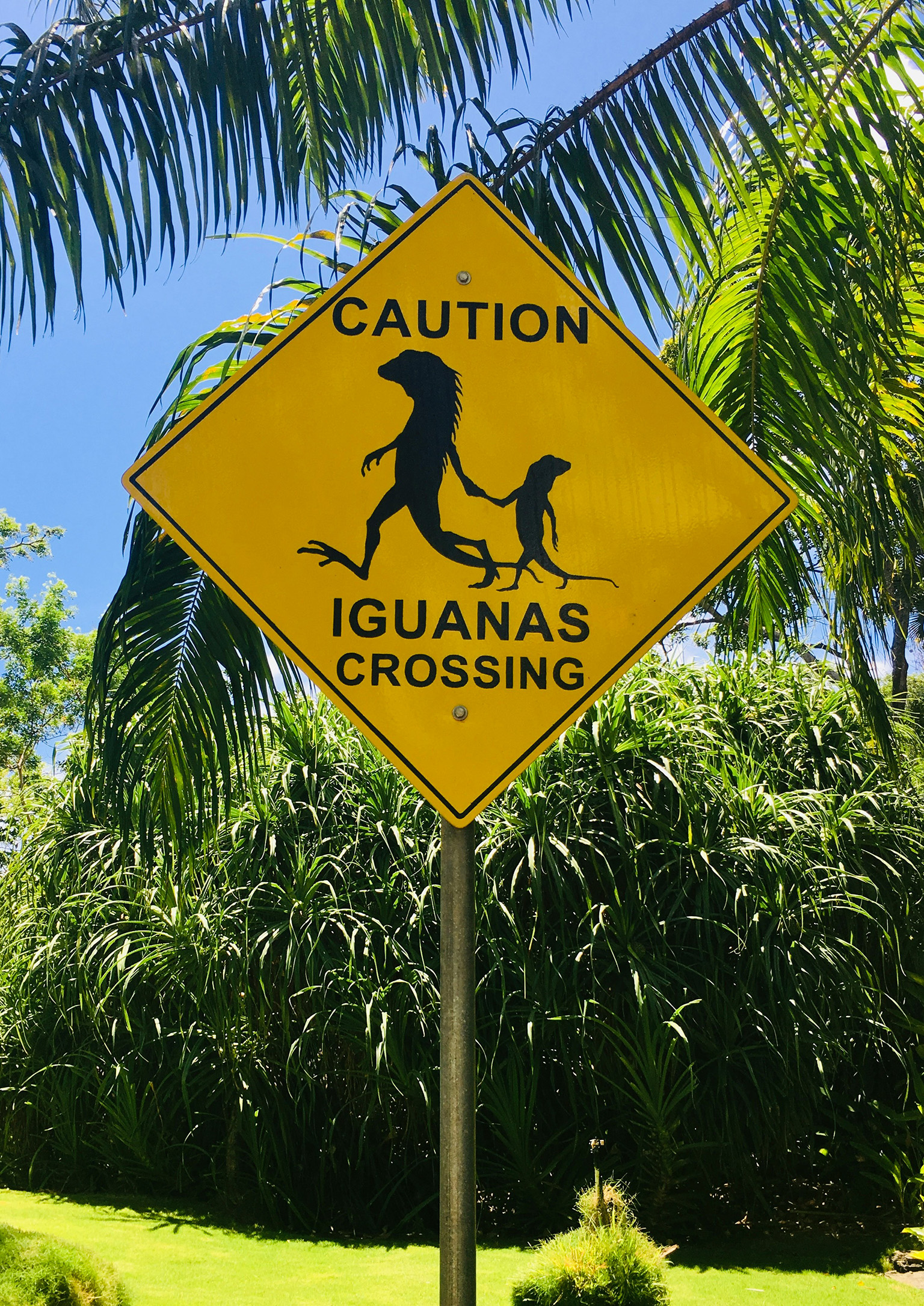
Wildlife is part of daily life—Belize signs keep both people and animals safe.
Regional Safety Differences: Cities, Towns & Islands
Safety in Belize varies significantly by location, making regional differences far more important than national crime headlines. For expats, neighborhood choice—not country-wide statistics—has the biggest impact on daily safety.
Belize City: Belize City has the country’s highest crime rates, concentrated in specific northern and western neighborhoods. Residential areas with controlled access or private security are notably safer. Most expats who live here do so selectively and avoid known high-risk zones.
Inland towns (Belmopan, San Ignacio): Inland communities tend to be quieter, with lower exposure to violent crime and stronger community ties. These towns appeal to expats who value predictability, walkability, and a slower pace, and they consistently offer some of the most stable safety in Belize.
Islands & coastal communities (Ambergris Caye, Caye Caulker, Placencia, Corozal, Punta Gorda): Violent crime is rare in island and coastal areas, though petty theft can occur in tourist-heavy zones. Larger expat populations and informal neighborhood watch systems help maintain reliable safety in Belize across these communities.
Civil Unrest & Practical Preparation
Belize is politically stable, but occasional protests or strikes occur, mainly in urban areas. These events rarely involve expats but may briefly disrupt transportation or services.
For expats, staying safe in Belize during these periods is simple:
- Follow local news or embassy advisories
- Avoid protest areas
- Use alternate routes if needed
Civil unrest is infrequent and usually short-lived. Staying informed is typically all that’s required.
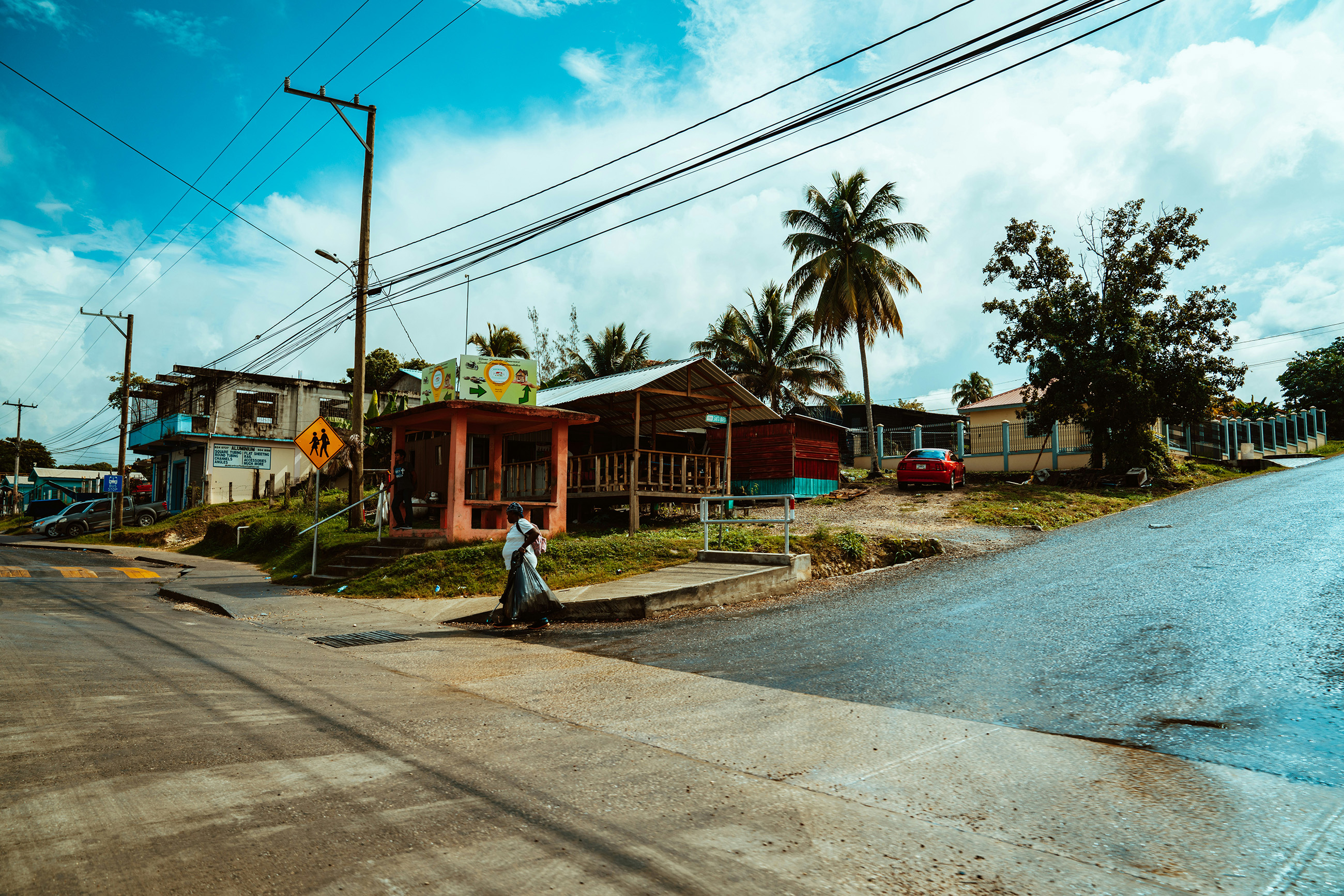
Everyday neighborhoods in San Ignacio—popular among retirees seeking comfort and stability.
Safe Neighborhoods in Belize: A Guide for Expats
Choosing the right neighborhood is the single biggest factor in safety in Belize for expats. Crime levels can vary sharply within the same city or town, making district selection more important than national statistics. This guide compares popular expat areas based on relative risk, lifestyle, cost of living, and on-the-ground experience.
Relative Safety in belize by Location
| Location (City / Area) | Safety Level* | Notes |
| Belize City (main urban zones) | Maybe / Conditional | Higher crime in specific northern and western neighborhoods; secured residential areas are safer. |
| Corozal | Maybe | Fewer violent incidents; widely described by expats as calm and residential. |
| Belmopan / Inland Cayo towns | Maybe / Leaning Yes | Lower violent crime than Belize City; quiet, community-oriented lifestyle. |
| Punta Gorda | Maybe / Conditional | Limited official data; anecdotal reports suggest lower violent crime. |
| Ambergris Caye (San Pedro) | Maybe / Leaning Yes | Violent crime is rare; petty theft possible in tourist-heavy areas. |
| Caye Caulker | Maybe / Conditional | Small, tight-knit community lowers risk if basic precautions are taken. |
| San Ignacio | Maybe / Leaning Yes | Low share of national violent crime; stable, community-focused living. |
| Placencia | Maybe / Leaning Yes | Safer coastal village; crime is mostly opportunistic. |
*Maybe / Conditional / Leaning Yes = lower risk compared to high-crime zones in Belize City, but still requires basic precautions such as secure housing and situational awareness.
Use the chart above as a relative comparison rather than a guarantee. It’s important to apply standard safety habits, such as securing housing, protecting valuables, and staying informed. Before committing to a lease, be sure to combine district-level data with insights from local expats to make a well-rounded decision.
Understanding Safety Differences Within Neighborhoods
Even in lower-risk towns, safety varies street by street:
- Gated communities typically offer controlled access and reduced exposure to petty crime.
- Open neighborhoods provide more freedom and local feel but require awareness at night.
- Island towns generally see less violent crime, though theft can occur in busy tourist areas.
Choosing the Right Neighborhood as an Expat:
- Visit areas at different times of day before deciding.
- Ask local expats which streets or zones to avoid.
- Prioritize access to healthcare, groceries, and transport.
- Match your lifestyle—quiet inland towns or social coastal communities—to your comfort level.
Ready to see which Latin American countries you could qualify for residency in? Check out our free Latin America Residency Map tool to explore your options instantly.

Golf carts—simple island transportation that shapes daily life in Belize.
Safety Tips for Expats Living in Belize
For expats, safety in Belize comes down to awareness, neighborhood choice, and repeatable habits. Most risks are opportunistic, not random, and they’re easiest to avoid when you research locations carefully and adopt resident—not tourist—routines from day one.
- Choose communities with built-in security. Gated or semi-gated neighborhoods, common in Ambergris Caye, Placencia, and parts of Belmopan, reduce petty crime and offer predictable day-to-day living.
- Live within reach of healthcare. Being 20–30 minutes from hospitals or private clinics matters more than many expats expect. Areas like San Ignacio and established coastal communities balance calm environments with medical access.
- Favor expat-established neighborhoods. Places with long-term expat populations—such as Corozal and inland Cayo towns—benefit from informal monitoring, shared safety updates, and businesses familiar with foreign residents.
- Stick to simple daily habits. Lock doors and windows, secure valuables, avoid poorly lit streets at night, and use ATMs at bank-attached locations to minimize petty theft.
- Use trusted local support. Reliable caretakers, gardeners, or even dogs often function as informal security systems and provide early warnings about neighborhood issues.
- Move intentionally. Use licensed taxis in towns, golf carts on the islands, and well-traveled routes after dark. Isolated shortcuts are where most problems begin.
- Protect your digital gear. Keep laptops secure in cafés or coworking spaces, avoid leaving devices unattended, and stay discreet with electronics in public.
- Stay plugged into local networks. WhatsApp groups, Facebook expat communities, and coworking hubs provide real-time alerts about scams, thefts, and changing conditions.
- Listen to local knowledge. Long-term residents know which streets to avoid, how neighborhoods shift, and where petty crime tends to appear. Awareness beats anxiety every time.
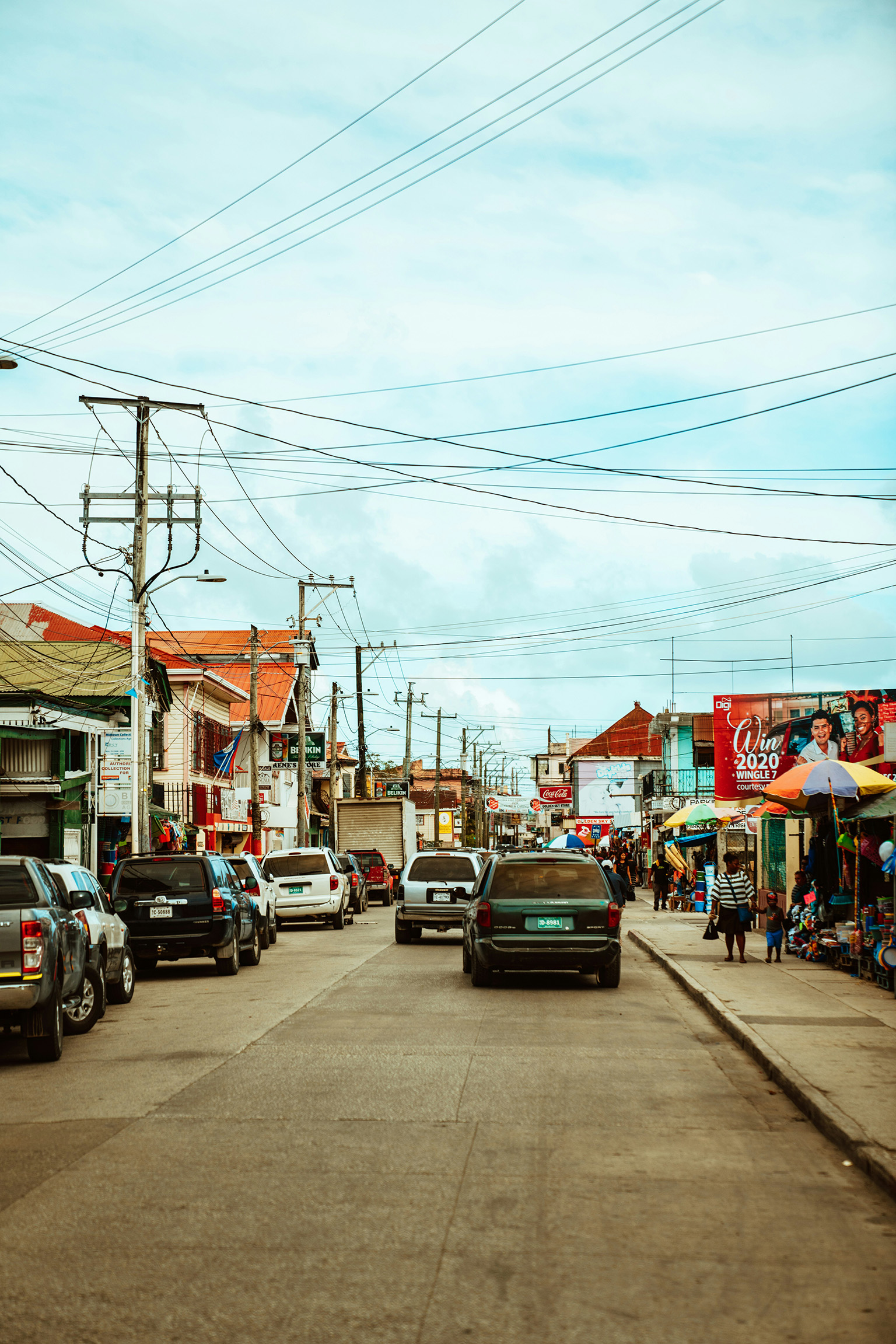
Downtown Belize City—high-traffic areas where situational awareness matters.
Common Scams & How Expats Avoid Them in Belize
For expats living in Belize, daily life is generally smooth and low-risk, but small scams do exist—mostly opportunistic and aimed at newcomers unfamiliar with local norms. Understanding these patterns is part of staying safe while living in Belize, not a reason for concern.
Rental Scams are the most costly risk for expats moving to Belize. Fake listings, pressure to send deposits quickly, or unverified landlords can catch newcomers off guard. Expats living in Belize avoid this by verifying ownership, requesting in-person or live video tours, and using trusted platforms or locally recommended agents.
Money Scams usually involve ATMs, currency exchange, or rushed cash transactions. To maintain financial safety in Belize, expats rely on bank-based ATMs, pay in Belize dollars when possible, count change carefully, and avoid informal currency exchanges.
Tourist Scams—such as taxi overcharging, fake tours, or impersonators—are more common in high-traffic areas. Expats living in Belize reduce risk by confirming fares in advance, booking tours through licensed operators, and knowing that legitimate police never request cash fines on the spot.
Digital Scams target devices and online payments, especially on public Wi-Fi. Using a VPN, enabling two-factor authentication, verifying payment requests, and securing electronics are standard habits for expats working remotely in Belize.
Takeaway: Awareness—not fear—is what keeps living in Belize as an expat safe, predictable, and low-stress.
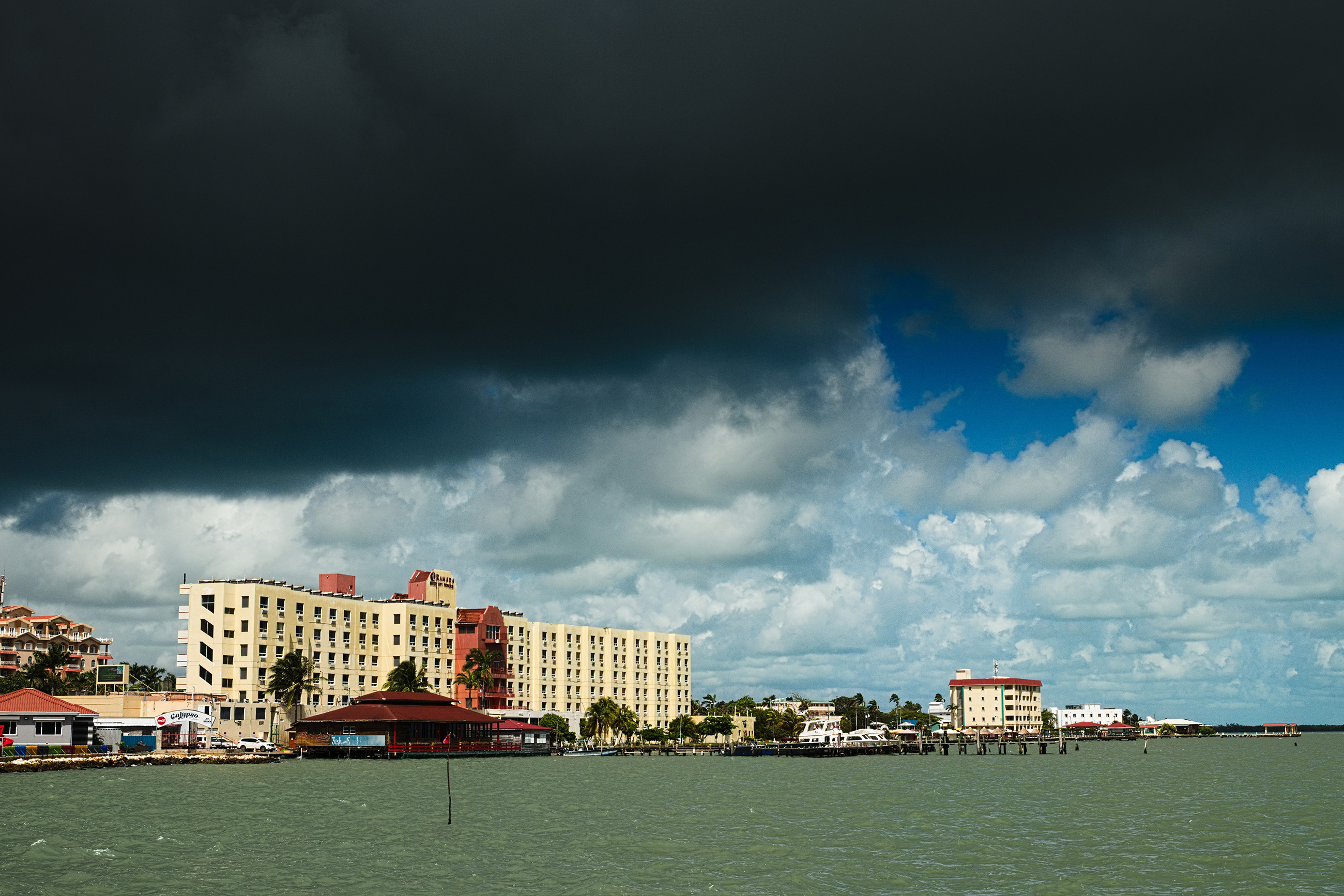
Stormy skies over Belize City—weather is part of day-to-day safety planning.
Weather Safety in Belize
Safety in Belize is largely about awareness and practical habits.For expats living in Belize, weather safety is part of everyday life rather than a constant concern. Belize’s tropical climate brings heavy rain, seasonal flooding, and occasional hurricanes, particularly during the rainy season. Monitoring forecasts, avoiding flood-prone areas, keeping emergency contacts accessible, and protecting electronics are simple habits that support safe living in Belize.
Safety in Belize Compared to Other Latin American Countries
Putting Belize in context helps expats gauge daily risks. Petty theft is moderate, and violent crime tends to concentrate in urban zones like parts of Belize City. Compared to Mexico, Costa Rica, and Panama, Belize offers a manageable balance of English-speaking communities, smaller towns, and predictable routines—particularly on islands and inland towns like San Ignacio and Corozal.
While internet infrastructure is stronger in Costa Rica or Panama, Belize’s simplicity, smaller scale, and expat-friendly neighborhoods make it a safe and easy-to-navigate country for long-term residents.
Safety in Belize Compared to Other Latin American Countries
This comparison focuses on everyday safety, petty crime exposure, and quality of life for expats living long-term—not short-term travelers.
| Country | Homicide Rate (per 100k) | Petty Theft Risk | Expat Safety & Lifestyle Snapshot |
| Belize | 16–20 | Moderate | Safer in islands and smaller towns; English-speaking, relaxed pace; avoid select Belize City areas |
| Mexico | 24–28 | Moderate–High | Very safe in specific cities; risk varies sharply by region; large expat hubs |
| Costa Rica | 11–13 | Low–Moderate | Consistently safe in expat zones; strong healthcare; higher cost of living |
| Panama | 8–10 | Low | One of the safest overall; reliable infrastructure; urban + tropical lifestyle |
The Reality: Safety in Belize is less uniform than in Costa Rica or Panama, but far more predictable than headlines imply. Expats who choose islands or smaller inland towns experience manageable, day-to-day safety comparable to other popular Latin American destinations.
Safety in Belize Stat Sources:
- UNODC – Global Homicide Rates by Country
- Belize Crime Observatory (BCO) – 2024 Crime Report
- Statista – Homicide Rate by Country
- U.S. State Department – Country Security Overviews
- UK Foreign Office – Country Safety Profiles

Belize’s defense forces—visible during major events and national holidays.
Practical Antidotes: How Expats Stay Safe in Belize
Safety in Belize depends on choices, routines, and awareness. Key practices include:
- Choose the Right Neighborhood: Islands like Ambergris Caye and Caye Caulker, inland towns like San Ignacio, and quiet coastal areas such as Placencia or Corozal offer consistent safety.
- Build Local Connections: Neighbors, shopkeepers, and long-term expats provide crucial advice and early warnings.
- Move With Intention: Avoid unlit streets, stay aware at night, and use taxis or golf carts when needed.
- Adopt Low-Profile Habits: Limit visible tech, cash, or valuables. Casual, consistent routines reduce risks.
- Use Tools & Networks: Local Facebook groups, WhatsApp community chats, taxi associations, and apps like Google Maps Offline, Weather.com, and VPNs enhance both digital and physical safety.
Belize’s most frequent risks are petty theft and opportunistic scams. Neighborhood choice, situational awareness, and simple preventative habits eliminate most threats, allowing expats to live confidently.
Top 10 Safety Things Expats Can Do Today
- Select a well-reviewed, expat-friendly neighborhood.
- Join local Facebook groups and WhatsApp community chats.
- Save emergency numbers and trusted taxi contacts.
- Use a VPN on public or café Wi-Fi.
- Avoid walking alone at night in unfamiliar areas.
- Keep valuables secured in your accommodation.
- Maintain digital and physical copies of important documents.
- Use ATMs attached to banks, not standalone machines.
- Build consistent routines with routes, vendors, and transport.
- Get to know neighbors—they form your first line of safety.
Government & Advisory Resources for Expats
Staying informed is one of the smartest ways to live safely in Belize—especially if you’re planning to settle long-term. Belize offers several official channels where residents can track crime trends, get safety updates, and understand how local authorities communicate with the public. These resources aren’t just for tourists; they’re useful for expats, retirees, and digital nomads who want reliable, on-the-ground information.
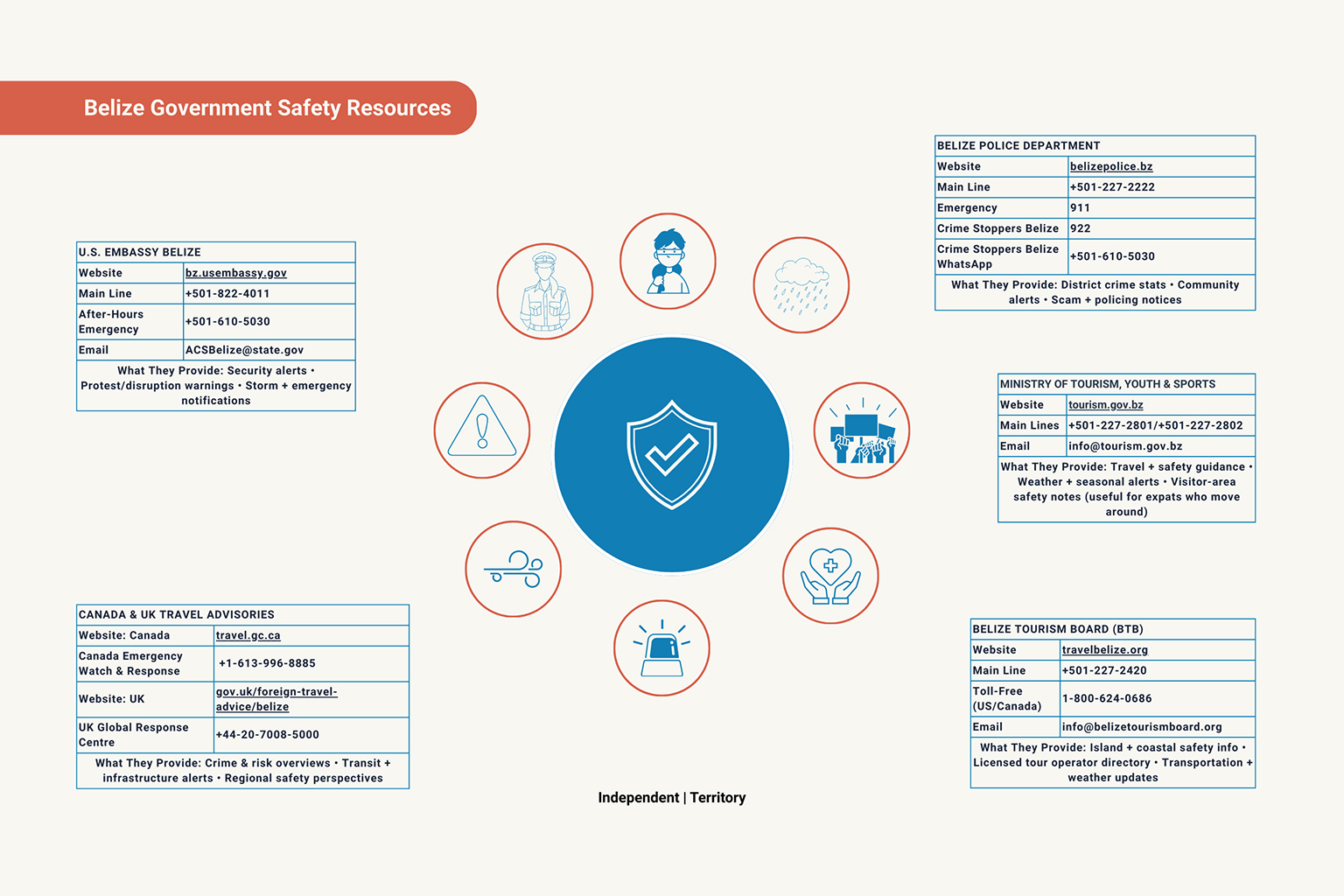
Essential Belize government contacts for safety and emergencies information for expats and residents.
The Belize Police Department publishes district-level crime statistics and community alerts. Monitoring these reports helps expats choose safer neighborhoods and understand local risks.
Ministry of Tourism provides guidance on tourist zones, beaches, and parks—relevant for expats exploring these areas. Updates on environmental hazards and seasonal risks are particularly useful.
Additional Government Resources – U.S., Canada, UK advisories provide helpful context for long-term residents.
- U.S. Embassy/Belize – Shares security alerts, protest notifications, and disruptions affecting movement or services.
- Canada Travel Advisory/Belize – Offers situational overviews and safety summaries relevant to Canadian expats.
- UK Foreign Travel Advice/Belize – Provides updated guidance and notes on crime, transportation, and emergency contacts.
Safety in Belize: Frequently Asked Questions for Expats
Is Belize safe for long-term expats?
Yes. Most expats live safely by selecting appropriate neighborhoods, following street-smart habits, and staying connected to local networks. Petty theft is more common than violent crime.
Which areas are considered safest?
Ambergris Caye, Caye Caulker, San Ignacio, Belmopan, Placencia, and Corozal. Gated communities and well-traveled streets further reduce risk.
What types of crime are most frequent?
Petty theft, scams, and opportunistic theft. Violent crime is mostly limited to certain urban districts like Belize City’s south side.
How can I avoid scams in Belize?
Verify landlords and service providers, use official banking and taxi services, avoid urgent payment demands, and rely on local expat advice.
What about severe weather safety?
Monitor forecasts, avoid flood-prone areas, maintain emergency supplies, and protect electronics and work backups during storms or hurricanes.
Where can I find official safety information?
Belize Police Department, Ministry of Tourism, Belize Tourism Board, and international advisories from the U.S., Canada, and UK.

Cooling off in the jungle—Belize’s community-focused, outdoor lifestyle.
Conclusion & Lifestyle Takeaways
Living safely in Belize comes down to three pillars: pick the right neighborhood, understand local rhythms, and stay aware of surroundings. Petty theft and small scams exist, but they are easily manageable with local knowledge and predictable habits.
Expats who approach Belize with intention—using trusted networks, verifying transactions, and respecting local practices—find daily life predictable, community-focused, and peaceful. From tranquil inland towns to island communities, Belize offers a welcoming environment where safety, lifestyle, and ease of living intersect.
Thinking about making Belize your next home? Grab the FREE Latin America Residency Map tool and see which countries and residency options fit your lifestyle.
Image attribution: Marching Military Belize: Wang Yu Ching / Office of the President (中華民國總統府), CC BY 2.0, via Wikimedia Commons
Explore Related Safety in Belize Tips for Expats
- Comparative Crime Stats: Major Crimes Decreased by 16% in 2024 – Shows trends in major crime across Belize.
View article - Statista: Homicide Rate in Belize – National homicide rate per 100,000 population.
Check stats - Expat & Traveler Safety Guide – Expats’ perspective on crime by region and tips for staying safe.
Read guide - Smarter Traveller: Belize Safety Advice – Official travel advice highlighting high-risk and lower-risk areas.
Visit page - Shun Culture: Is Corozal Safe? – Expats’ experiences and neighborhood insights.
Read article - Retire in Belize Hub: Safety Overview – Coastal village insights for retirees and expats.
Check article