
15 min read
Living in Nicaragua means stepping into a country full of color, culture, and natural beauty. From handcrafted textiles and vibrant artisan traditions to lively street markets and music-filled plazas, Nicaragua’s culture is expressive and deeply rooted in community. Beyond the beauty, living in Nicaragua offers something rare: affordability, freedom, and an elevated quality of life.
……………………………..
Living in Nicaragua offers a compelling option for those fed up with the chaos, high costs, and restrictions of the West—a chance to escape rising expenses, political instability, and over-regulated lifestyles while enjoying stunning landscapes, vibrant culture, and welcoming communities.
From the colonial streets of Granada to the surf-friendly beaches of San Juan del Sur, Nicaragua provides a variety of lifestyles for expats, remote professionals, retirees, and families looking for a fresh start.
For many, the appeal isn’t just the scenery—it’s the freedom to stretch your budget, live in a safe and friendly environment, and immerse yourself in a slower, more meaningful way of life.
Whether you’re considering moving for work, retirement, or simply a change of pace, this guide covers everything you need to know about living in Nicaragua—costs, safety, best towns, lifestyle options, and practical tips to make your transition smooth.
By the end, you’ll have a clear picture of what life in Nicaragua can offer—why it’s drawing people from the West seeking more freedom, adventure, and a better quality of life—and whether this Central American gem is the right choice for your next chapter.
Table of Contents
Why Expats Choose Living in Nicaragua
Many people moving to Nicaragua aren’t just chasing adventure—they’re looking for a life that’s more affordable, safer, and less stressful than what they experience in the West.
One of the biggest draws is the cost of living—rent, groceries, transportation, and everyday expenses are significantly lower than in North America or Europe, allowing expats to live comfortably on a modest income or stretch a retirement budget further.
Safety is another key consideration. While Nicaragua isn’t without its challenges, most expats find that living outside the capital and largest city of Managua—in towns like Granada, León, and San Juan del Sur—offers a peaceful environment with tight-knit communities and relatively low crime.
Many towns have welcoming expat networks and locals who are friendly and helpful, making it easier to settle in and feel at home quickly.
Lifestyle also plays a major role in why people choose Nicaragua. From surfing the Pacific coast and hiking volcanoes to exploring colonial streets and lakeside towns, the country offers a diverse range of experiences.
For remote professionals and digital nomads, reliable internet is available in most popular expat hubs, while retirees and families appreciate the slower pace, cultural richness, and strong sense of community.
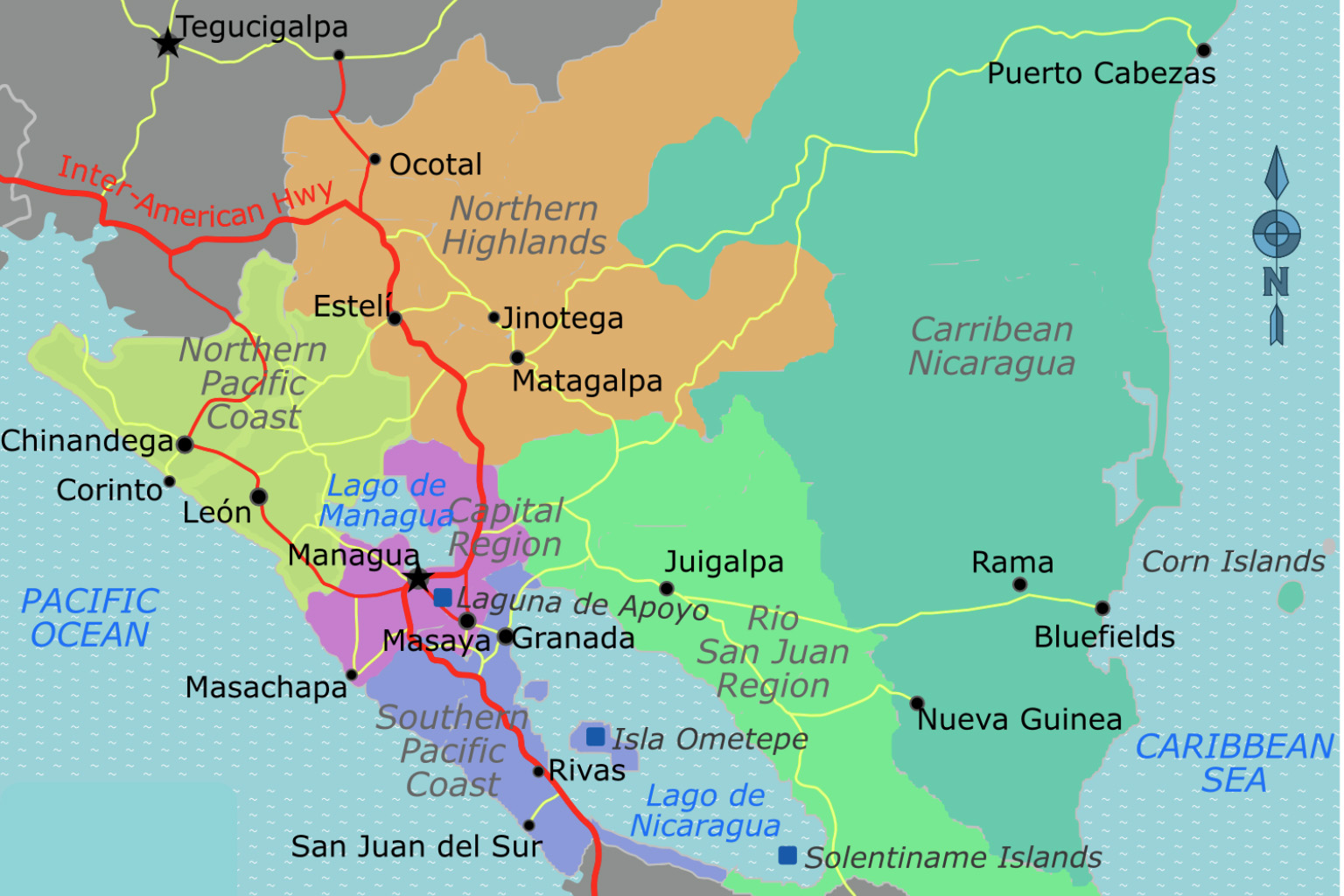
Most popular areas for expats living in Nicaragua — from surf-friendly beaches to historic colonial cities. Photo by Peter Fitzgerald, minor amendments by Joelf, CC BY-SA 4.0, via Wikimedia Commons.
Best Places to Live in Nicaragua
Nicaragua offers a variety of towns and cities that cater to different lifestyles—whether you’re a remote professional, retiree, or family seeking a slower pace.
Choosing the right location depends on your priorities, such as cost of living, safety, community, and access to amenities.
San Juan del Sur is one of the most popular coastal towns, especially for those who love beach life. Known for its surf culture, vibrant expat community, and relaxed vibe, it’s ideal for remote workers and retirees seeking a mix of social life and tranquility.
Living costs here are moderate compared to larger Western cities, but beach-side properties and popular neighborhoods can command higher prices. Safety is generally good, particularly in areas frequented by expats, and the tight-knit community makes integration easier.
Granada is a colonial city renowned for its colorful architecture, cobblestone streets, and lakeside scenery. It attracts expats looking for a culturally rich environment with a slower pace of life.
The cost of living is slightly higher than in more rural towns but still affordable compared to North America or Europe. Granada offers solid infrastructure, good healthcare access, and a welcoming expat network, making it a favorite for retirees and families.
León offers a more youthful and university-driven atmosphere, perfect for those who enjoy cultural activities, history, and a lively local scene.
It’s generally more affordable than Granada, with lower housing costs and accessible daily expenses. Safety is reasonable, especially in residential neighborhoods, and the city provides plenty of options for dining, shopping, and entertainment.
Other towns, like Estelí, Matagalpa, and Ometepe, appeal to those seeking tranquility, nature, or rural charm. These areas often offer the lowest cost of living, friendly communities, and plenty of outdoor activities—but may have more limited amenities compared to coastal or colonial hubs.
Ultimately, the best place to live in Nicaragua depends on the lifestyle you want to lead.
Whether it’s the beach, colonial streets, university energy, or rural serenity, the country provides diverse options for those looking to live affordably, safely, and fully immersed in Nicaraguan culture.
If you’re curious about life on the coast, check out Living in San Juan Del Sur: 19 Best Neighborhoods to Call Home for a closer look at the area’s top communities.
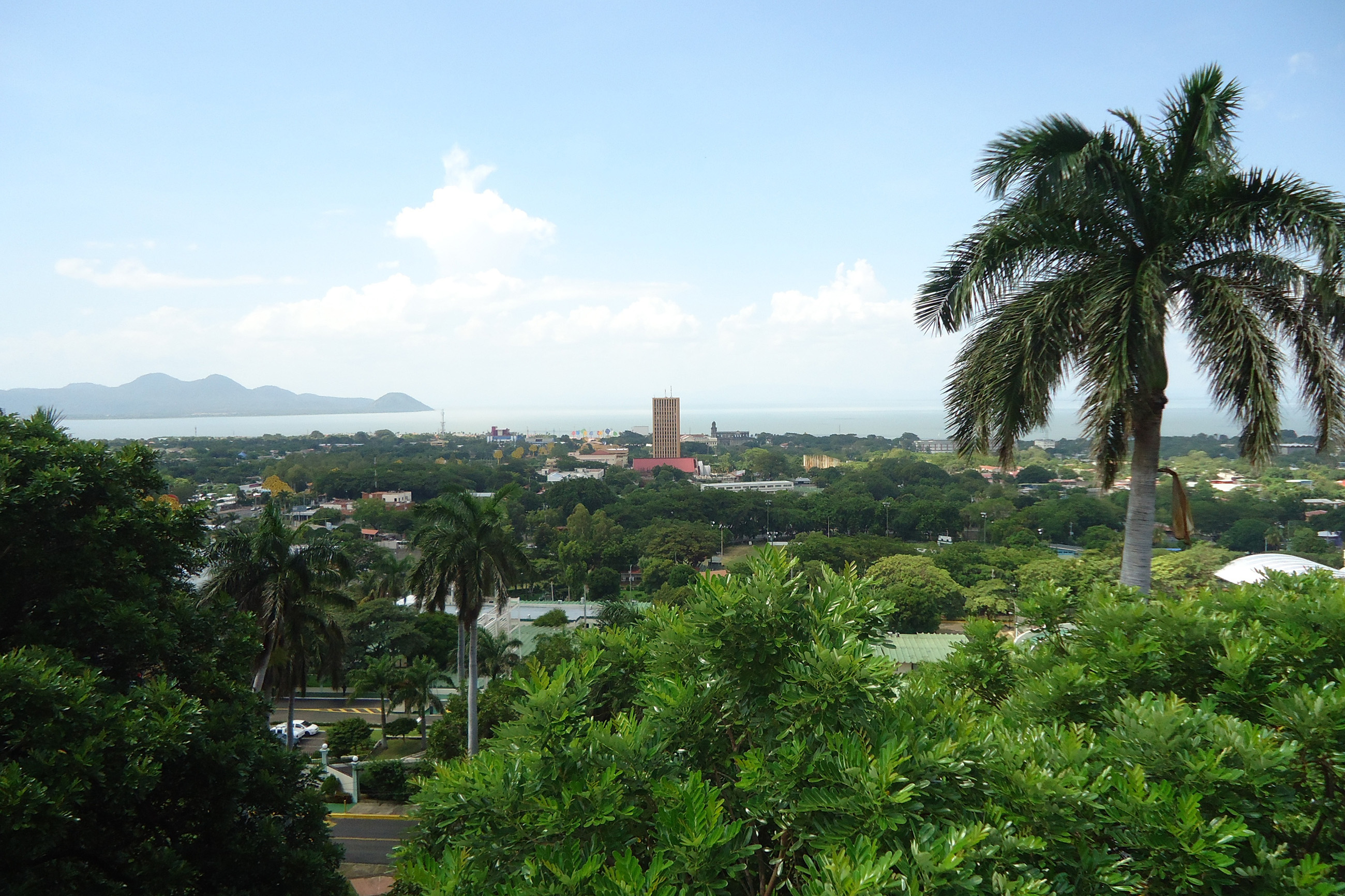
Urban life meets nature — one of the unexpected perks of living in Nicaragua.
Top Gated Communities for Living in Nicaragua
Nicaragua is home to a growing number of gated communities that cater to a variety of lifestyles, from beachfront luxury retreats to budget-friendly family neighborhoods.
These communities offer a mix of modern amenities, security, and convenient access to beaches, golf courses, and local towns, making them highly attractive for expats looking to settle comfortably while enjoying the country’s natural beauty and relaxed pace of life.
| Community | Location | Key Features | Website |
| Hacienda Iguana | Playa Gigante, Tola, Rivas, Nicaragua | Nestled along Nicaragua’s Emerald Coast, Hacienda Iguana offers luxury homes with stunning ocean views, a world-class golf course, and access to some of the best surfing in the country. It’s a vibrant hub for expats, investors, and vacationers looking for a premium beachfront lifestyle. | Website |
| Residencias Cova de Iría | San Jerónimo, León, Nicaragua | This modern development features stylish homes with granite countertops, walk-in closets, and planned amenities including a supermarket, pharmacy, and sports courts. Ideal for families or professionals seeking convenience, security, and a community-focused environment in León. | Website |
| Residencial Monte Sinaí | Km. 95 Carretera a Chinandega, León, Nicaragua | A budget-friendly gated community that doesn’t compromise on safety. Monte Sinaí offers 24-hour security and low HOA fees, making it perfect for expats or retirees seeking affordable housing along the León-Chinandega corridor. | Website |
| La Talanguera | San Juan del Sur, Rivas, Nicaragua | Located just a short walk from the beach, La Talanguera is a mix of local and expat residents. Its established infrastructure and relaxed coastal vibe make it one of the most sought-after neighborhoods for expats wanting a community feel while staying close to San Juan del Sur’s amenities. | Website |
| Las Peñitas | Las Peñitas, León, Nicaragua | Known for its laid-back charm, Las Peñitas has seen steady development with beachfront properties attracting both retirees and remote professionals. Its tranquil lifestyle, fishing culture, and proximity to León make it increasingly popular among expats seeking a slower pace of life. | Website |
Each of these communities offers unique features catering to different lifestyles and budgets. Whether you’re seeking beachfront luxury, affordability, or a mix of both, Nicaragua’s gated communities provide diverse options for expats looking to settle in the country.
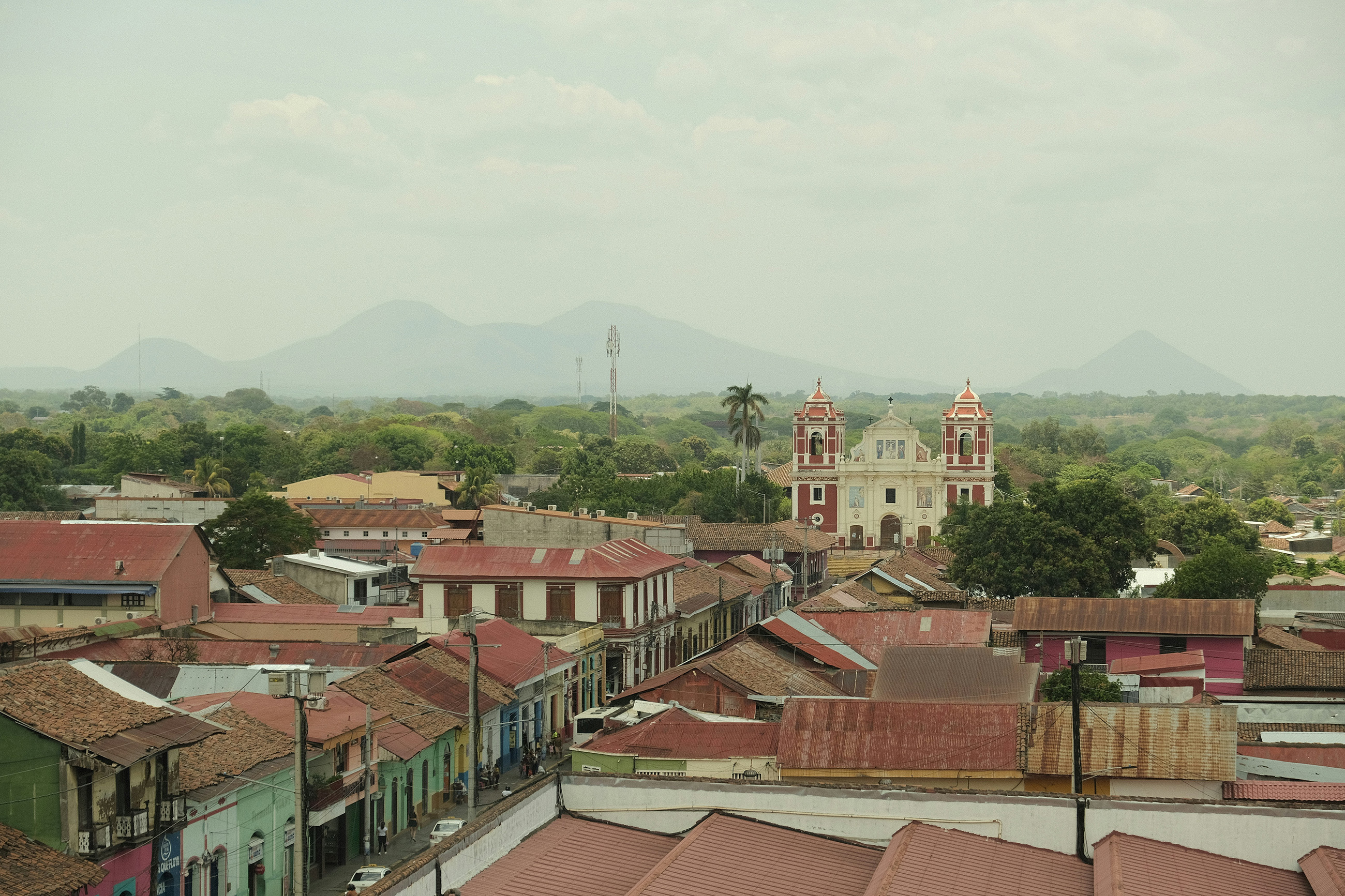
Colonial charm and mountain views — the everyday scenery in Granada.
Cost of Living in Nicaragua
One of the biggest draws for expats considering living in Nicaragua is the affordable cost.
Compared to North America and Europe, everyday expenses—from housing and groceries to transportation and healthcare—can be significantly lower, allowing you to enjoy a comfortable lifestyle without breaking the bank.
Housing costs vary depending on location and lifestyle. Coastal towns like San Juan del Sur or luxury communities such as Hacienda Iguana tend to be more expensive, especially for beachfront or gated properties.
Colonial cities like Granada offer a mix of historic homes and modern apartments, usually at a moderate price point, while León and smaller towns like Estelí or Matagalpa are generally the most affordable options.
For families or retirees, gated communities often provide added security and amenities but come with slightly higher fees.
Groceries and daily expenses are also budget-friendly.
Fresh local produce, dairy, and staples are inexpensive at markets, while imported items from North America or Europe can cost more—so lifestyle choices, like whether you cook at home or eat out frequently, will impact your monthly expenses.
Dining at local restaurants is generally very affordable, especially in smaller towns or neighborhoods like La Talanguera and Las Peñitas.
Transportation is another area where Nicaragua shines.
Many expats rely on public buses or shared taxis for short trips, while owning a car is more practical in rural areas.
Fuel prices are lower than in the West, and maintenance costs are reasonable.
Healthcare and insurance are additional considerations.
Private clinics and hospitals in major towns like Granada, León, and San Juan del Sur offer quality care at a fraction of the cost in North America.
Many expats choose to purchase local or international health insurance for peace of mind, which remains far more affordable than equivalent coverage in Western countries.
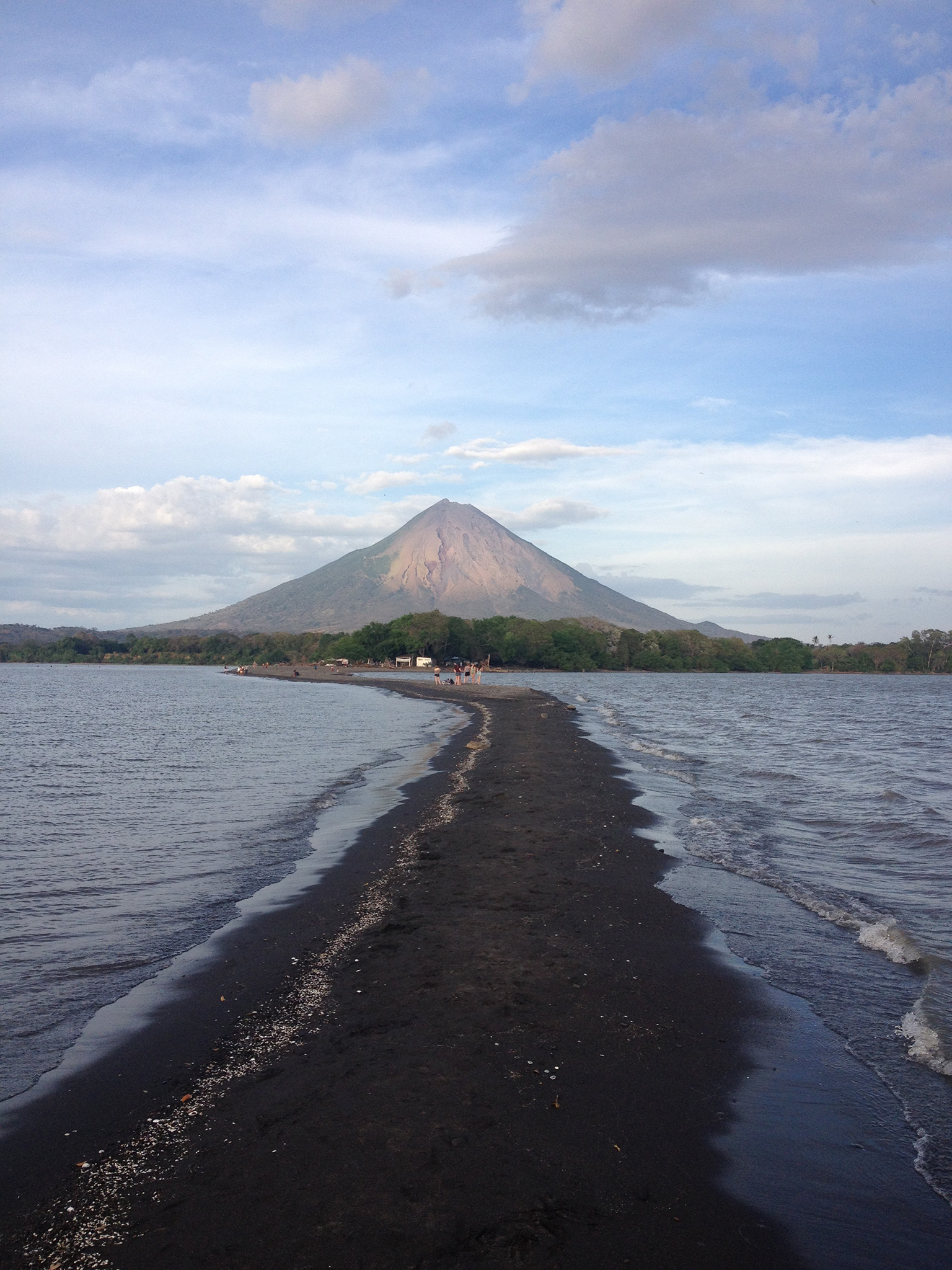
Adventure is everywhere — volcanic landscapes are part of daily life here.
Safety, Healthcare & Daily Life in Nicaragua
When considering living in Nicaragua, safety and healthcare are top priorities for expats, families, and retirees alike. While no country is entirely free from crime, most expats report feeling secure, particularly in well-established towns and gated communities.
Areas like Granada, León, and San Juan del Sur are popular because they combine a strong sense of community with relatively low crime rates.
Neighborhoods such as La Talanguera or Las Peñitas offer the added peace of mind of a close-knit expat presence and local residents who watch out for one another.
Safety tips include simple precautions, avoid poorly lit or isolated areas at night, keep valuables secure, and stay aware of local conditions.
Healthcare in Nicaragua is accessible and affordable, particularly in major towns. Private clinics and hospitals provide quality care at a fraction of what it would cost in North America or Europe. Expats often combine routine visits with private or international health insurance to cover more complex medical needs or emergencies. Some towns, like Granada and León, have more modern facilities and English-speaking staff, while smaller towns may require travel for specialized care.
Daily living in Nicaragua offers a balance between convenience and simplicity. Grocery shopping at local markets provides fresh, affordable ingredients, while dining out at casual restaurants is inexpensive.
Many expats enjoy outdoor activities—surfing in San Juan del Sur, hiking near Granada, or exploring volcanoes and lakes—as part of their lifestyle. Social life often revolves around community events, cafes, and expat meetups, which make integration easier.
Before you make the leap, grab our FREE guide: 7 Mistakes Expats Make When Moving to Latin America so you don’t repeat them.
Digital Nomad Life in Nicaragua
Nicaragua has been quietly emerging as a destination for digital nomads seeking affordable living, reliable internet, and a relaxed lifestyle.
Popular towns like San Juan del Sur, Granada, and León provide the perfect mix of work-friendly environments and leisure opportunities.
Most expat hubs offer good Wi-Fi, with cafés, coworking spaces, and shared offices increasingly available.
San Juan del Sur is known for beachfront cafés where you can work while enjoying the ocean view, while Granada offers a mix of historic charm and modern coworking spots.
León, with its youthful vibe, also provides cafes and community hubs suitable for remote work.
The cost of living is one of Nicaragua’s biggest advantages. You can live comfortably on a moderate budget—affordable housing, groceries, and transportation means your money stretches further than in North America or Europe.
Choosing the right town allows you to balance lifestyle and expenses: beach-side towns like San Juan del Sur are slightly pricier, while inland cities such as León or smaller towns like Matagalpa are more economical.
Living in Nicaragua offers a wealth of outdoor activities, cultural experiences, and community events.
After work, you can surf, hike volcanoes, explore colonial streets, or participate in local festivals.
This combination of freedom, adventure, and affordability makes Nicaragua an increasingly appealing choice for remote workers looking to escape the high costs and stress of the West.
For digital nomads, Nicaragua provides a unique opportunity to live well, work efficiently, and enjoy life at a slower pace—all while keeping costs low and maintaining access to essential amenities and services.
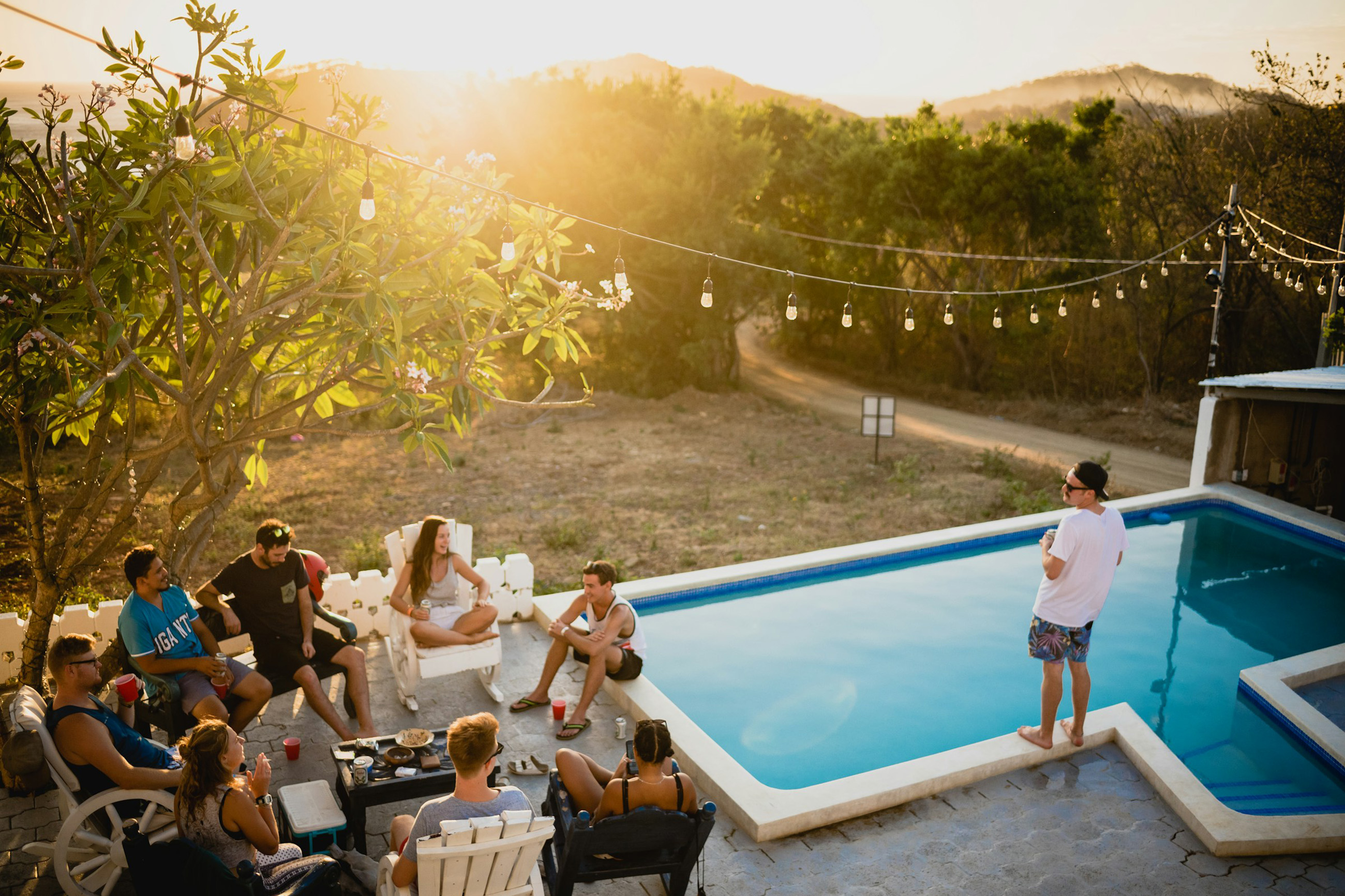
Strong expat communities make living in Nicaragua fun, social, and welcoming.
Retiring in Nicaragua
Living in Nicaragua has become an increasingly popular choice for retirees seeking affordability, a relaxed pace of life, and natural beauty.
The combination of low cost of living, welcoming communities, and access to essential amenities makes it a compelling option for those looking to stretch retirement savings while enjoying comfort and freedom.
When living in Nicaragua, retirees can enjoy a comfortable lifestyle—including housing, food, transportation, and healthcare—at a fraction of what it would cost in North America or Europe.
Coastal towns like San Juan del Sur offer scenic beachfront living, while colonial cities like Granada provide a historic charm with modern conveniences.
Inland towns such as León, Matagalpa, or Estelí offer even lower costs for retirees seeking a quieter, more budget-friendly environment.
Gated communities and established expat neighborhoods provide added security and a sense of connection, while smaller towns foster close-knit relationships with locals.
Places like La Talanguera, Las Peñitas, and Hacienda Iguana offer a mix of security, amenities, and community for retirees seeking peace of mind.
From enjoying beaches and volcanoes to exploring colonial streets, local markets, and cultural events, Nicaragua has it all.
Retirees often value the slower pace of life, friendly locals, and the freedom to spend their days pursuing hobbies, outdoor activities, and social connections without the pressures and high costs common in Western countries.
Visas and residency are also straightforward for retirees. Nicaragua offers retirement visa options with reasonable requirements, making it easier for expats to establish long-term residency and enjoy all the benefits of living in the country.
Ready to make Nicaragua your home? Use the interactive residency map to see if you qualify for long-term living in Nicaragua.
Family Life in Nicaragua
Nicaragua offers a variety of towns and cities that cater to different lifestyles—whether you’re a remote professional, retiree, or family seeking a slower pace.
For families living in Nicaragua, the country offers a safe, affordable, and enriching environment where children can grow up with access to nature, cultural experiences, and a strong sense of community.
Whether you’re relocating from North America or Europe, many expat families find the country provides a better balance of lifestyle, cost, and freedom.
Schools and education: Nicaragua has a mix of local, bilingual, and international schools. Major cities like Granada and León offer more options for private and international education, while smaller towns provide homeschooling communities and local schools that cater to expat families.
Safety for kids is a top priority. Many expat neighborhoods and gated communities—such as La Talanguera, Las Peñitas, and Hacienda Iguana—provide secure environments where children can play outside and explore safely.
Daily life is generally slower-paced than in Western countries, allowing families to enjoy outdoor activities, community events, and local traditions.
Activities and lifestyle: Families can enjoy beaches, volcano hikes, lakes, and cultural experiences that foster exploration and learning. Towns like San Juan del Sur combine recreational options with strong expat networks, while Granada and León offer museums, historical tours, and vibrant local culture.
This mix of outdoor adventure, cultural exposure, and social engagement helps children grow up with a rich and balanced lifestyle.
Community and support: Expat networks in popular towns provide support, advice, and social opportunities for families. Engaging with both local and expat communities make integration smoother and helps parents connect with other families navigating similar experiences.
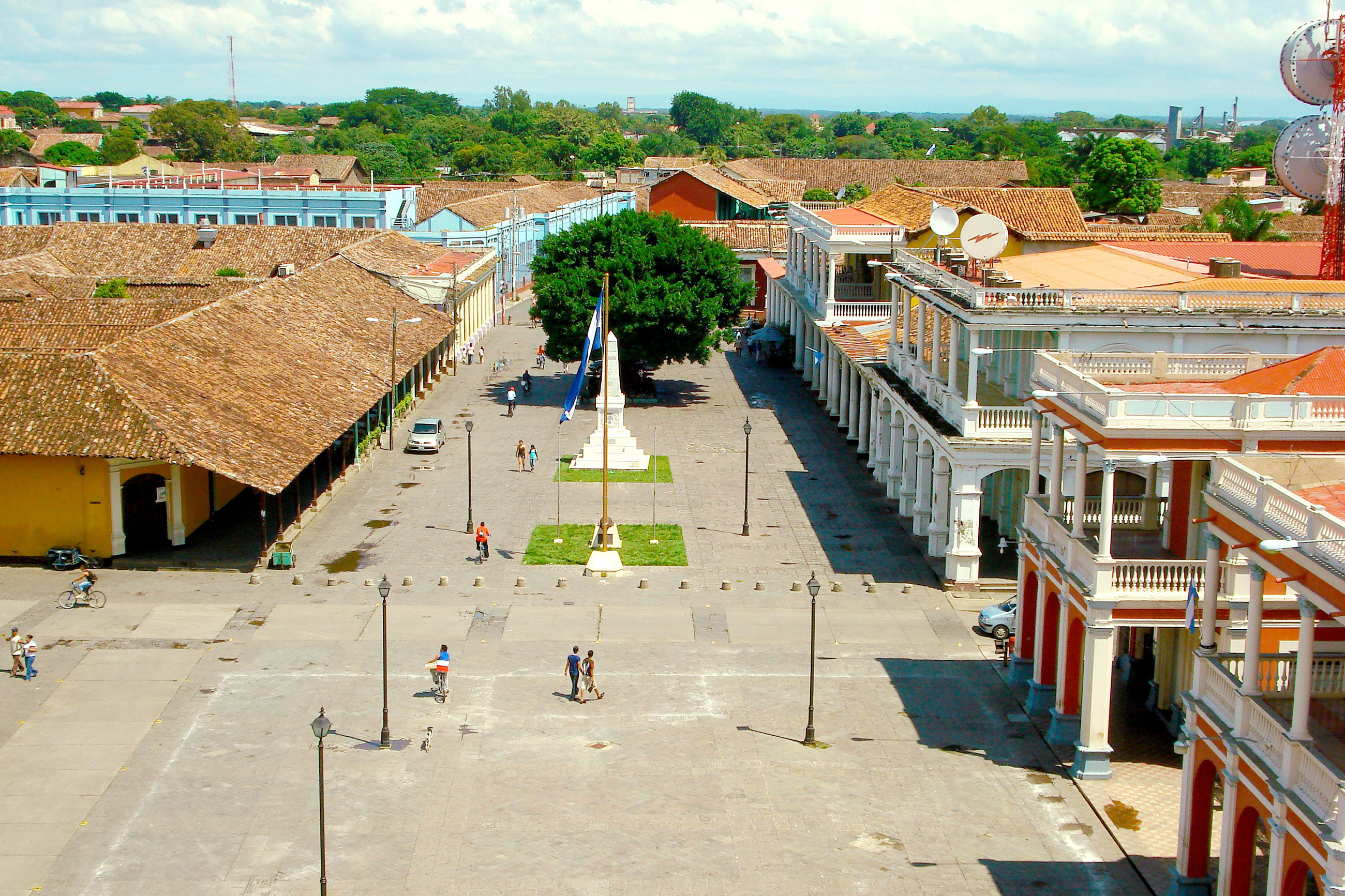
Central plazas are the heartbeat of living in Nicaragua.
Residency & Visas for Living in Nicaragua
If you’re planning to move to Nicaragua long-term, understanding residency and visa requirements is essential. The process is generally straightforward, making it an attractive option for expats, retirees, families, and remote professionals.
Visa options: Most visitors can enter Nicaragua on a tourist visa, typically valid for 90 days.
For longer stays, there are several options:
- Retirement (Pensionado) Visa: Ideal for retirees, requiring proof of a steady income from a pension or retirement fund.
- Rentista Visa: For individuals with a guaranteed monthly income from investments or savings.
- Investor or Work Visa: For those starting a business or working remotely with a Nicaraguan company.
Residency process: After obtaining the appropriate visa, you can apply for permanent residency. This involves submitting documentation such as proof of income, a valid passport, and a clean criminal record. Many expats use legal assistance to ensure all paperwork is completed correctly, but the process is generally manageable for those who are organized and patient.
Costs and timelines: Fees for visas and residency applications are relatively low compared to other countries. Processing times vary, but most retirees or long-term residents can expect to secure permanent residency within several months if all documentation is in order.
Legal considerations: It’s important to understand property laws, tax obligations, and any local regulations, particularly if you plan to buy property or operate a business. Working with a local attorney or expat advisor can simplify the process and ensure compliance.
Thinking about living in Nicaragua? Use our interactive residency map to quickly see if you qualify for long-term living in Nicaragua.
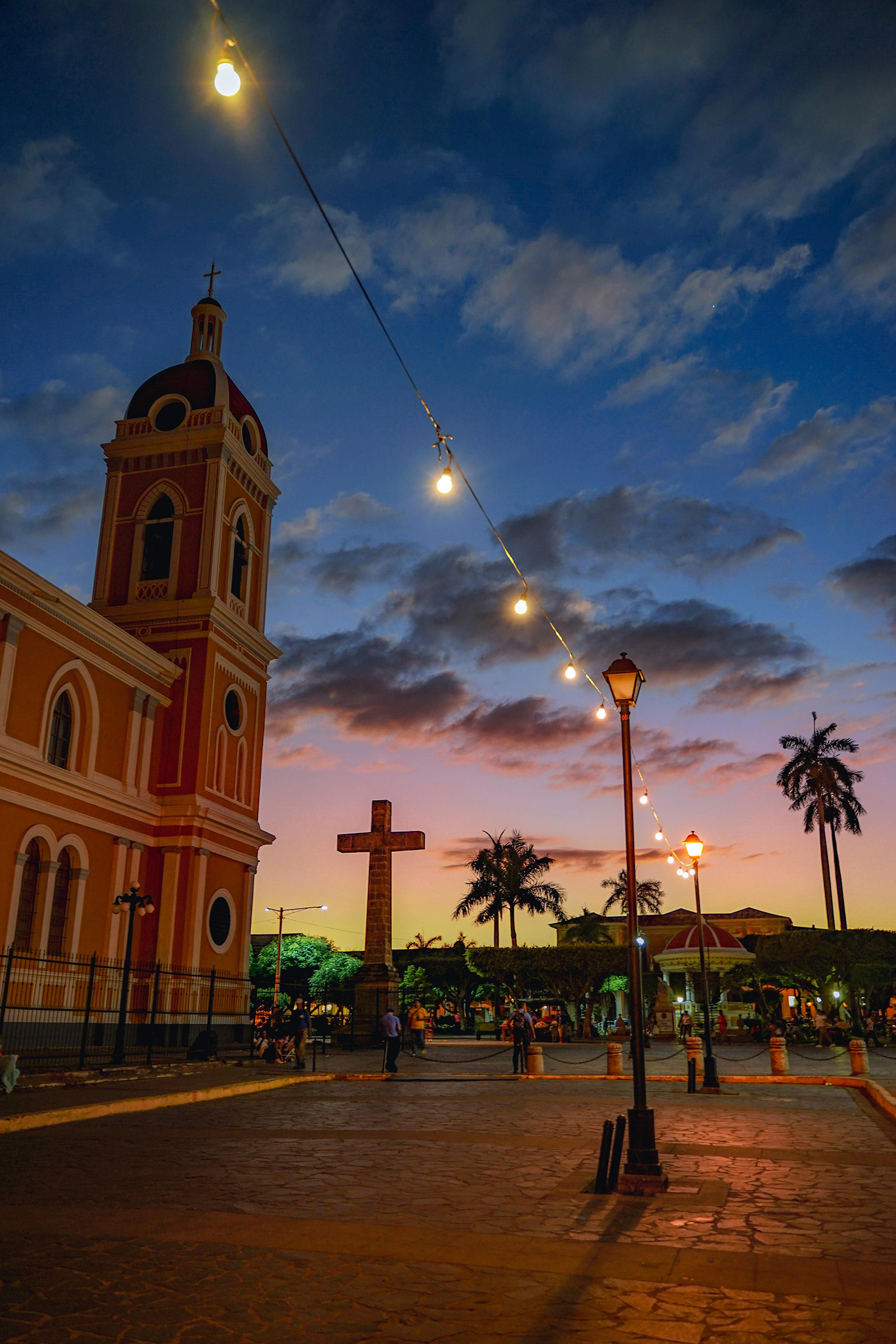
Nicaragua’s colonial architecture feels timeless — especially at night.
Buying or Renting Property Living in Nicaragua
When living in Nicaragua, one of the most important decisions is whether to buy or rent property. Both options have advantages, depending on your lifestyle, budget, and long-term plans.
Buying property: Non-residents are allowed to purchase property in Nicaragua, making it accessible for expats looking for a long-term investment or a permanent home.
Many choose to buy in popular towns like San Juan del Sur, Granada, or León. Beachfront properties, colonial homes, and gated communities such as Hacienda Iguana, La Talanguera, and Las Peñitas are highly sought after for their security, amenities, and community feel.
Buying provides stability, the freedom to customize your home, and potential investment value. However, it’s crucial to work with a local attorney to navigate property laws and ensure clear titles.
Renting property: For newcomers, renting for at least the first year is highly recommended. It allows you to get to know a town, test different neighborhoods, and adjust to local lifestyle and culture before making a long-term commitment.
Monthly rental costs vary—coastal towns and luxury neighborhoods are higher, while inland cities and smaller towns offer more affordable options.
Rentals range from furnished apartments to houses in gated communities, providing flexibility for families, retirees, or digital nomads.
Cost considerations: Housing costs are generally lower than in Western countries, though location, amenities, and proximity to the beach or city center affect prices.
For example, renting or buying in San Juan del Sur or beachfront areas may be pricier, while León, Estelí, or rural towns offer lower costs. Factor in utilities, internet, maintenance, and homeowner association (HOA) fees when budgeting.
Lifestyle and safety: Choosing the right property impacts your day-to-day life. Gated communities provide added security and shared amenities, ideal for families or retirees. Proximity to schools, healthcare, and social hubs is also crucial for a comfortable lifestyle. Most importantly, don’t rush the process—take your time to explore towns, meet locals and expats, and ensure your choice aligns with your long-term goals.
Final Thoughts: Is living in Nicaragua Right for You?
Nicaragua blends affordability, safety, lifestyle freedom, and a welcoming expat community, making it a strong option for anyone ready to step away from Western chaos. Whether you’re drawn to beach towns like San Juan del Sur, colonial cities such as Granada, or quieter inland hubs like León or Matagalpa, you’ll find a lifestyle that fits. Plan carefully—rent first, explore different areas, and take your time if you’re considering buying property. In the end, living in Nicaragua is about more than saving money; it’s about slowing down, joining a community, and choosing a life that offers more freedom and balance.
If you’re ready to dig deeper, start researching towns, connect with locals, and try short-term rentals to find your fit. With the right planning, Nicaragua can deliver the cost, lifestyle, and opportunity you’re looking for.
Want to avoid rookie expat mistakes? Get the free–7 Mistakes to Avoid When Moving to Latin America.