

15 min read
Chile offers a remarkable mix of landscapes, from arid deserts in the north to lush forests and lakes in the south. This serene view showcases the natural beauty that attracts retirees and freedom-seeking expats living in Chile. Whether you’re drawn by vibrant cities, coastal life, or peaceful nature retreats, living in Chile provides diverse opportunities for adventure, comfort, and a slower pace of life.
……………………………..
Chile stretches along the Pacific coast for over 4,000 kilometers — a country of massive contrasts. From the driest desert on earth to glacier-filled fjords, Chile offers one of the most diverse landscapes in Latin America.
But beyond the scenery, it’s also one of the most stable, organized, and quietly modern countries in the region — which makes living in Chile an increasingly popular choice for expats looking for balance, safety, and freedom.
For those escaping the grind of expensive Western life, Chile represents something different: an opportunity to live comfortably in a country that values order and individual responsibility — without losing touch with nature or community.
Whether you’re a remote professional needing fast Wi-Fi and coworking spaces, a family looking for solid education and safety, or a retiree seeking coastal calm and affordable healthcare, Chile offers it all — if you know where to look.
Table of Contents
Key Factors to Consider When Living in Chile
Chile isn’t the cheapest country in Latin America — but it’s still a bargain compared to North America, Western Europe, or Australia.
When living in Chile, a single person in Santiago can live comfortably on $1,500–$2,000 USD per month, while smaller cities like Valdivia or La Serena can come in 20–30% cheaper.
Imported goods and electronics are pricey, but local produce, wine, and public transport remain affordable.
Rent and private healthcare are where most expats save the most compared to Western costs, making living in Chile accessible for many different lifestyles.
One of the reasons people consider living in Chile is its reputation as one of the safest and most politically stable countries in Latin America.
Protests occasionally occur — especially in Santiago — but violent crime rates are relatively low, and most cities feel secure even at night.
The country’s institutions generally function well, and rule of law is respected.
While not perfect, Chile’s governance and infrastructure make living in Chile feel more reliable compared to neighboring countries.
Chile’s dual healthcare system provides both public (FONASA) and private (ISAPRE) options.
Many expats opt for private care because it’s still affordable by international standards.
The quality of healthcare in major cities like Santiago, Viña del Mar, and Concepción is excellent — comparable to Europe — though rural areas may have fewer specialized options.
Private insurance for an individual usually ranges from $60–$150 USD/month, depending on age and plan, which is an important consideration for those living in Chile long-term.
For remote workers, living in Chile comes with the advantage of strong connectivity. Fiber-optic internet is widely available in major urban areas, and even smaller towns often have reliable 4G and decent Wi-Fi speeds.
Coworking spaces are common in Santiago, Concepción, and Valdivia. Roads are generally good, airports are modern, and public transport — especially the Santiago Metro — is clean, efficient, and convenient.
Chile’s geography is extreme — but that’s part of its appeal.
When living in Chile, you can choose from sunny desert towns in the north, Mediterranean-style valleys in the central region, or lush green lakes and volcanoes in the south.
Because the country spans such a wide range of latitudes, you can select your ideal climate: dry and warm, temperate, and green, or cool and alpine.
It’s one of the few countries where you could ski in the morning and surf in the afternoon.
Spanish is the official language, and while many young Chileans speak some English, daily life requires basic Spanish — especially outside Santiago or Viña del Mar.
Chilean Spanish has its quirks and slang (chilenismos), which takes some getting used to, but locals appreciate any effort.
Most expats pick up conversational Spanish within six months of immersion, which is an important part of fully integrating while living in Chile.
Chileans are generally reserved but friendly, valuing family, education, and work ethic.
Lifestyle varies dramatically by region — fast-paced and professional in Santiago, creative and coastal in Valparaíso, and laid-back and outdoorsy in the Lake District.
There’s a growing expat presence in many towns, offering both community and privacy depending on your preference.
Understanding these cultural differences is key to successfully living in Chile and finding a place that fits your priorities.
Where to Live in Chile: Best Areas for Expats, Families, and Remote Professionals
Remote Professionals & Families: Santiago and Concepción
If you’re considering living in Chile as a remote professional or relocating with your family, Santiago and Concepción are the primary urban hubs that combine modern infrastructure with lifestyle opportunities.
Both cities provide reliable internet, access to international schools, healthcare, and plenty of options for work and leisure, making them popular choices for expats seeking balance.
Santiago: Modern, Connected, and Diverse
Santiago is Chile’s vibrant capital and economic engine, offering everything from coworking spaces to cultural attractions. For those living in Chile in a professional or family context, Santiago’s neighborhoods cater to a wide range of preferences and budgets.
Key Neighborhoods for Remote Professionals & Families:
- Las Condes – Modern business and residential district. Offers reliable public services, luxury apartments, and proximity to shopping, healthcare, and offices. Ideal for professionals and families prioritizing safety and convenience.
- Vitacura – Leafy, upscale, home to embassies, boutique shops, and international schools. While pricier, it’s a favorite for digital nomads and expat families seeking security and comfort.
- Providencia – Central, lively, and more affordable. Green parks, local markets, and easy metro access make it perfect for young professionals or couples living in Chile.
- Ñuñoa – Walkable, vibrant, with cafes and nightlife. Balances lifestyle and affordability, offering quick access to downtown without overwhelming crowds.
- Lo Barnechea & La Reina – Suburban feel on the edge of the Andes. Excellent for families wanting more space, scenic mountain views, and still has city access.
Cost of Living: Expect $1,800–$2,500 USD/month for a comfortable life, depending on neighborhood and housing choice. One-bedroom apartments range from $700–$1,200 USD.
Who It’s For: Remote professionals, families, and long-term expats looking for modern amenities, top healthcare, and urban convenience while living in Chile.
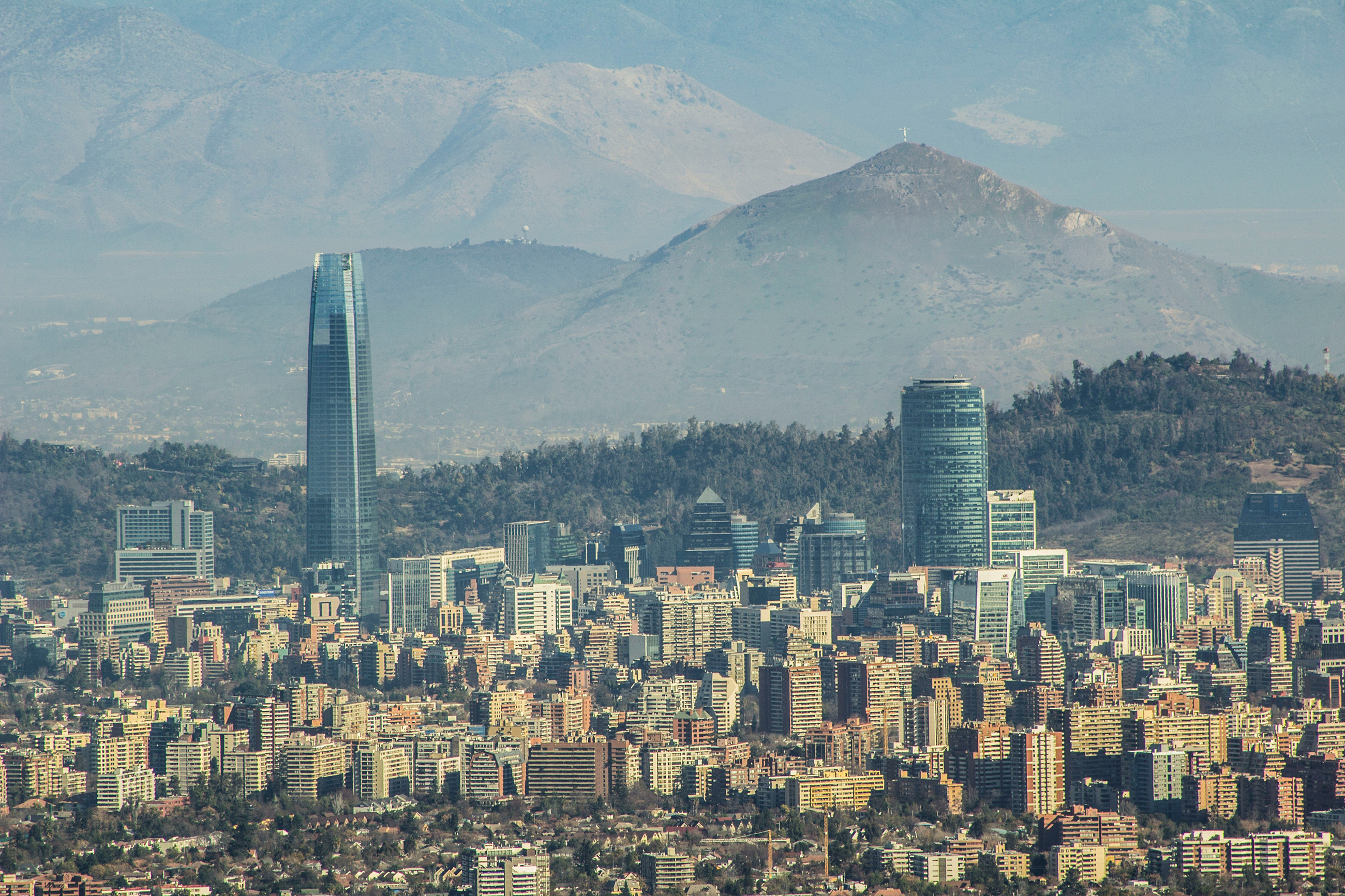
Santiago’s modern skyline with the Andes in the background, ideal for professionals and families living in Chile.
If Chile’s calm pace and low stress appeal to you, living in Paraguay might surprise you even more. With low taxes, simple residency, and one of the lowest costs of living in Latin America, it’s a quiet freedom-seeker’s dream.
👉 Read: 10 Best Places to Live in Paraguay — The Ultimate Guide
Concepción: The Underrated Southern Hub
Concepción, Chile’s second-largest city, offers urban convenience without the scale of Santiago. For remote professionals and families living in Chile, it combines work-life balance with access to rivers, forests, and coastal areas.
Neighborhoods Highlights:
- Talcahuano – Maritime city with direct beach access and strong local economy.
- San Pedro de la Paz – Quiet, green suburb ideal for families wanting space and tranquility.
- Downtown Concepción – Vibrant urban area with restaurants, cafes, and coworking spaces popular among young professionals.
Cost of Living: Around $1,300–$1,800 USD/month, including rent, groceries, and transport. Apartments in San Pedro or central Concepción cost 30–40% less than Santiago equivalents.
Who It’s For: Remote professionals, creatives, and families seeking a more relaxed urban environment, modern services, and coastal proximity while living in Chile.
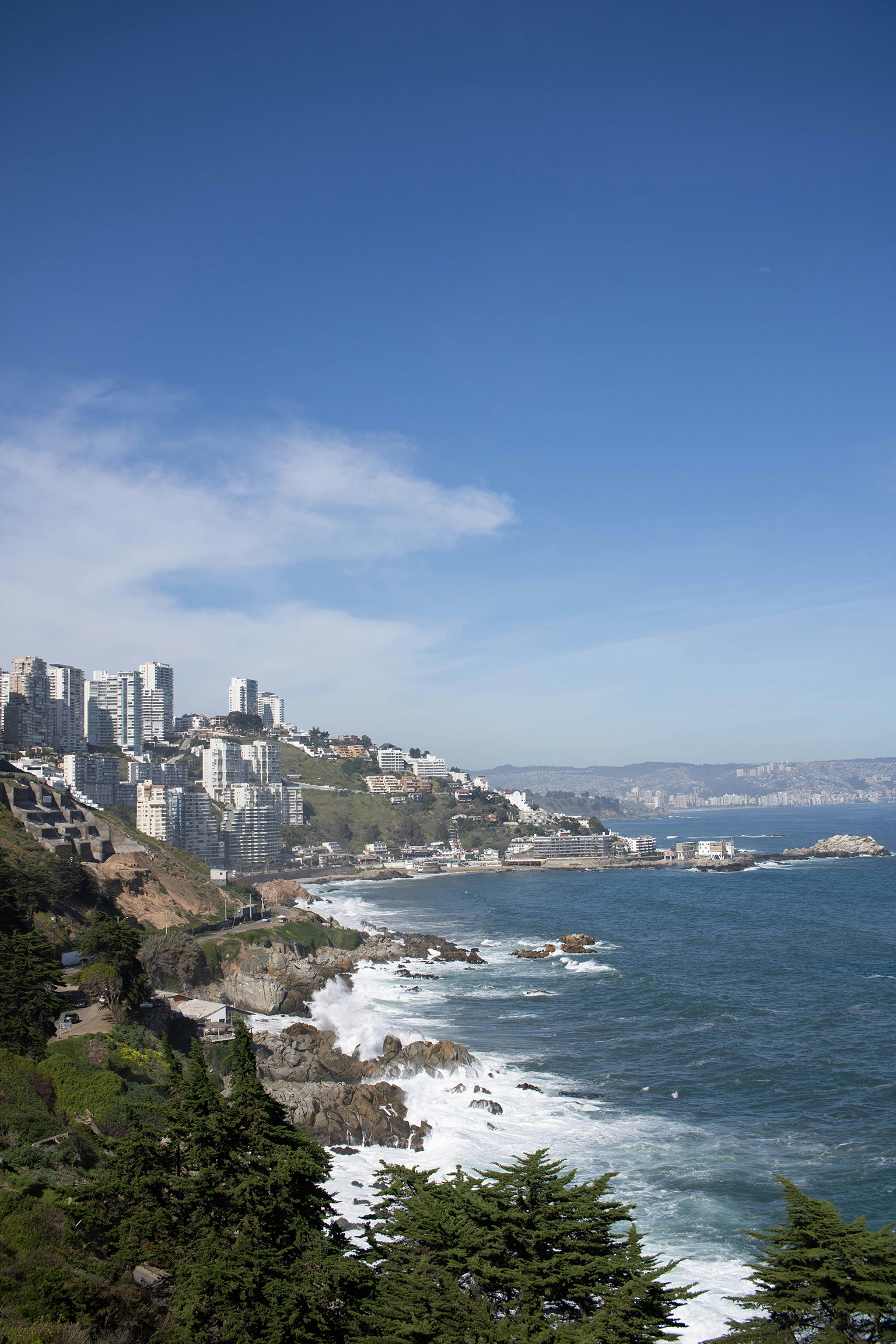
Colorful coastline & hillside homes of Valparaíso, perfect for expats living in Chile.
Retirees & Freedom-Seeking Expats: Coastal Central – Viña del Mar, Valparaíso, Reñaca
For retirees and freedom-seeking expats considering living in Chile, the Coastal Central region offers a slower pace, ocean views, and a mix of cultural richness and modern conveniences. These towns are popular among those who want comfort, accessibility, and a balance of leisure and lifestyle freedom.
VIÑA DEL MAR: Beachside Comfort and Convenience
Known as the “Garden City,” Viña del Mar combines sandy beaches, well-maintained parks, and easy access to healthcare and shopping.
Retirees will appreciate the coastal breeze, mild Mediterranean-style climate, and well-connected streets for walking and cycling.
What Makes It Ideal for Retirees and Freedom-Seeking Expats:
- Healthcare Access: Private clinics and hospitals provide quality services comparable to Santiago.
- Leisure & Culture: Museums, theaters, and beaches offer plenty to do without the intensity of a capital city.
- Neighborhoods: Areas like Reñaca are slightly more upscale and popular with expats seeking oceanfront living, while central Viña provides a mix of local and international communities.
Cost of Living: $1,200–$2,000 USD/month depending on housing, whether renting an apartment by the beach or a house inland.
Who It’s For: Retirees wanting moderate cost living, cultural amenities, and ocean access; freedom-seeking expats wanting a balance of privacy and community while living in Chile.
VALPARAÍSO: Bohemian Charm Meets Practicality
Valparaíso is a historic port city famous for colorful hillside houses, street art, and a creative atmosphere. While slightly less polished than Viña del Mar, it’s ideal for retirees and expats who value character, culture, and autonomy.
Highlights for Expats & Retirees:
- Lifestyle: Artistic neighborhoods, cafés, and local markets encourage social connection and outdoor activity.
- Access to Services: Basic amenities are available, but some specialized healthcare or shopping may require trips to Viña del Mar or Santiago.
- Community: Growing expat and digital nomad presence, ideal for networking and social opportunities.
Cost of Living: Typically, 15–25% lower than Viña del Mar, making it attractive for retirees seeking affordability without sacrificing coastal lifestyle.
Who It’s For: Freedom-seeking expats, retirees who enjoy creative, bohemian culture, and those wanting a unique community while living in Chile.
If Chile feels a bit pricey in spots, living in Ecuador could be a smart alternative. Mountain towns like Cuenca and coastal spots like Manta offer mild weather, strong expat communities, and real value for money.
👉Read: Pros and Cons of Living in Ecuador — What You Need to Know
REÑACA: Upscale Coastal Living
Reñaca, technically part of the Viña del Mar metro area, is favored by retirees and expats for luxury apartments, ocean views, and beach access. It’s more expensive than Valparaíso but offers high-quality infrastructure, walkable streets, and quieter residential areas.
Key Benefits:
- Modern condos with security and amenities.
- Close enough to Viña del Mar for shopping, hospitals, and cultural activities.
- Beach-focused lifestyle with year-round recreational opportunities.
Cost of Living: Around $1,500–$2,500 USD/month depending on housing choice.
Who It’s For: Retirees and freedom-seeking expats willing to pay a premium for comfort, ocean views, and convenient coastal lifestyle while living in Chile.
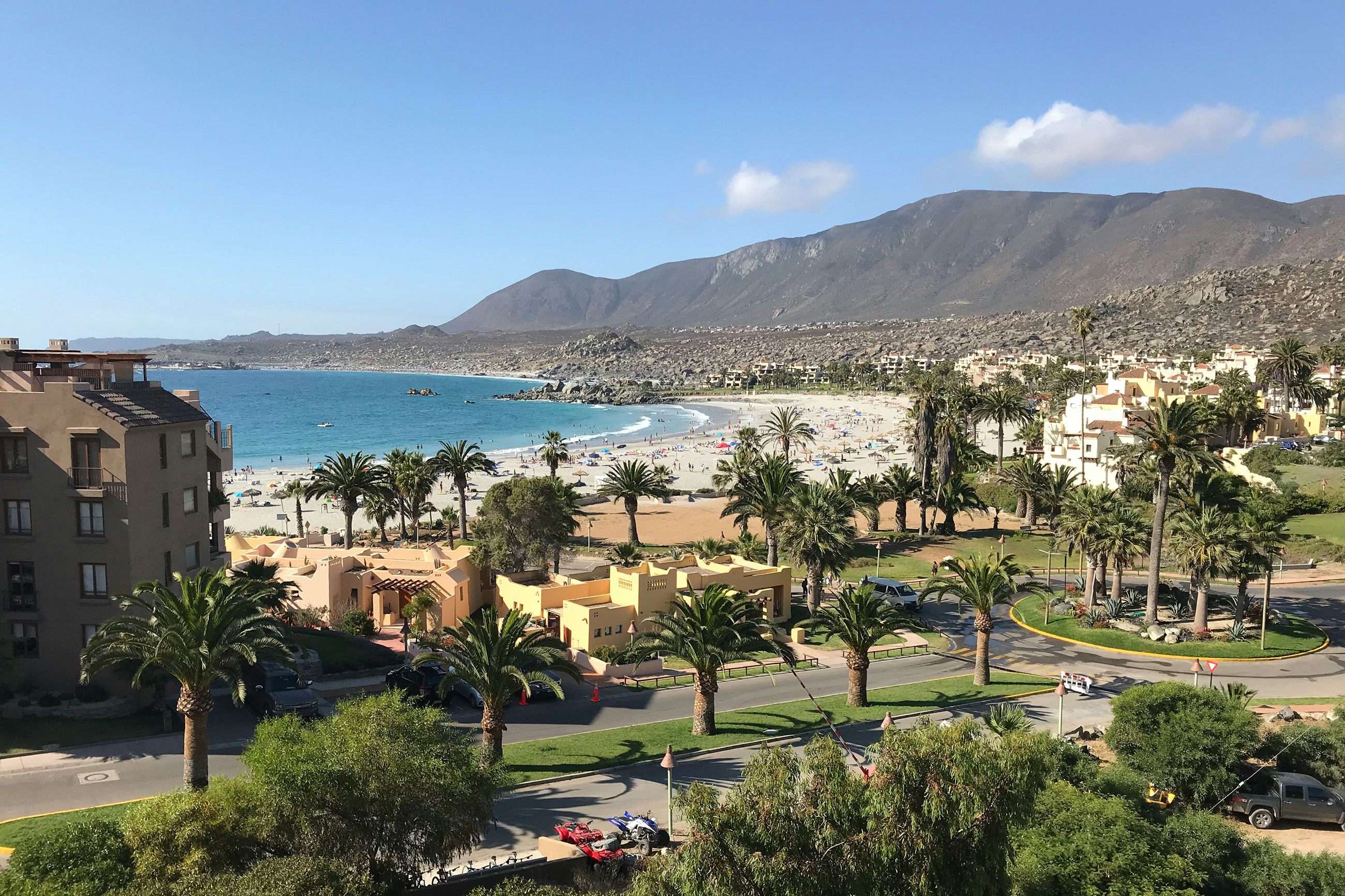
Coquimbo’s palm-lined beaches with mountains in the background, a serene option for families and retirees living in Chile.
Families & Retirees: Northern / Desert Coasts – La Serena, Elqui Valley, Coquimbo
For families and retirees exploring living in Chile, the northern desert coast offers a unique combination of mild climate, scenic landscapes, and smaller-city comforts. This region is ideal for those who want a slower pace of life, access to nature, and a quieter alternative to Santiago’s bustle.
LA SERENA: Mild Climate and Family-Friendly Amenities
La Serena is one of the oldest cities in Chile, blending colonial architecture with modern conveniences. Families considering living in Chile will appreciate its wide streets, parks, and beachfront access, while retirees enjoy the relaxed lifestyle and walkable neighborhoods.
Highlights:
- Numerous schools, including bilingual options for expat families.
- Good healthcare access, with public hospitals and private clinics.
- Coastal and desert landscapes allow easy weekend trips and outdoor activities.
Cost of Living: Around $1,200–$1,800 USD/month for a comfortable life. One-bedroom apartments in central areas range $500–$900 USD.
Who It’s For: Families seeking safety, outdoor recreation, and slower urban life; retirees wanting moderate costs and mild weather while living in Chile.
ELQUI VALLEY: Nature, Stargazing, and Privacy
The Elqui Valley is a semi-rural area famed for clear skies, vineyards, and tranquility. For retirees and freedom-seeking expats considering living in Chile, this area offers privacy, outdoor activities, and a slower pace. Homes often include larger plots of land, perfect for gardening, solar setups, or just enjoying open space.
Highlights:
- Ideal for stargazers and astronomy enthusiasts.
- Vineyards and artisanal products are abundant.
- Peaceful, low-density living with strong sense of community.
Cost of Living: $1,100–$1,600 USD/month, depending on proximity to towns like Vicuña or Paihuano.
Who It’s For: Retirees seeking nature immersion, freedom-seeking expats wanting space and autonomy, and families interested in outdoor education and self-sufficient lifestyles.
COQUIMBO: Coastal Convenience with Moderate Costs
Coquimbo, adjacent to La Serena, combines a working port city with access to beaches and hills. It’s more industrial than La Serena but remains attractive for those living in Chile who want coastal access without high tourist-season costs.
Highlights:
- Smaller city scale with essential services, including hospitals and schools.
- Active fishing and maritime culture, adding local flavor.
- Easy day trips to La Serena or Elqui Valley for culture, recreation, or stargazing.
Cost of Living: $1,200–$1,700 USD/month. One-bedroom apartments range $450–$850 USD.
Who It’s For: Families and retirees wanting a coastal lifestyle with moderate costs, and expats who enjoy a quieter urban environment while living in Chile.
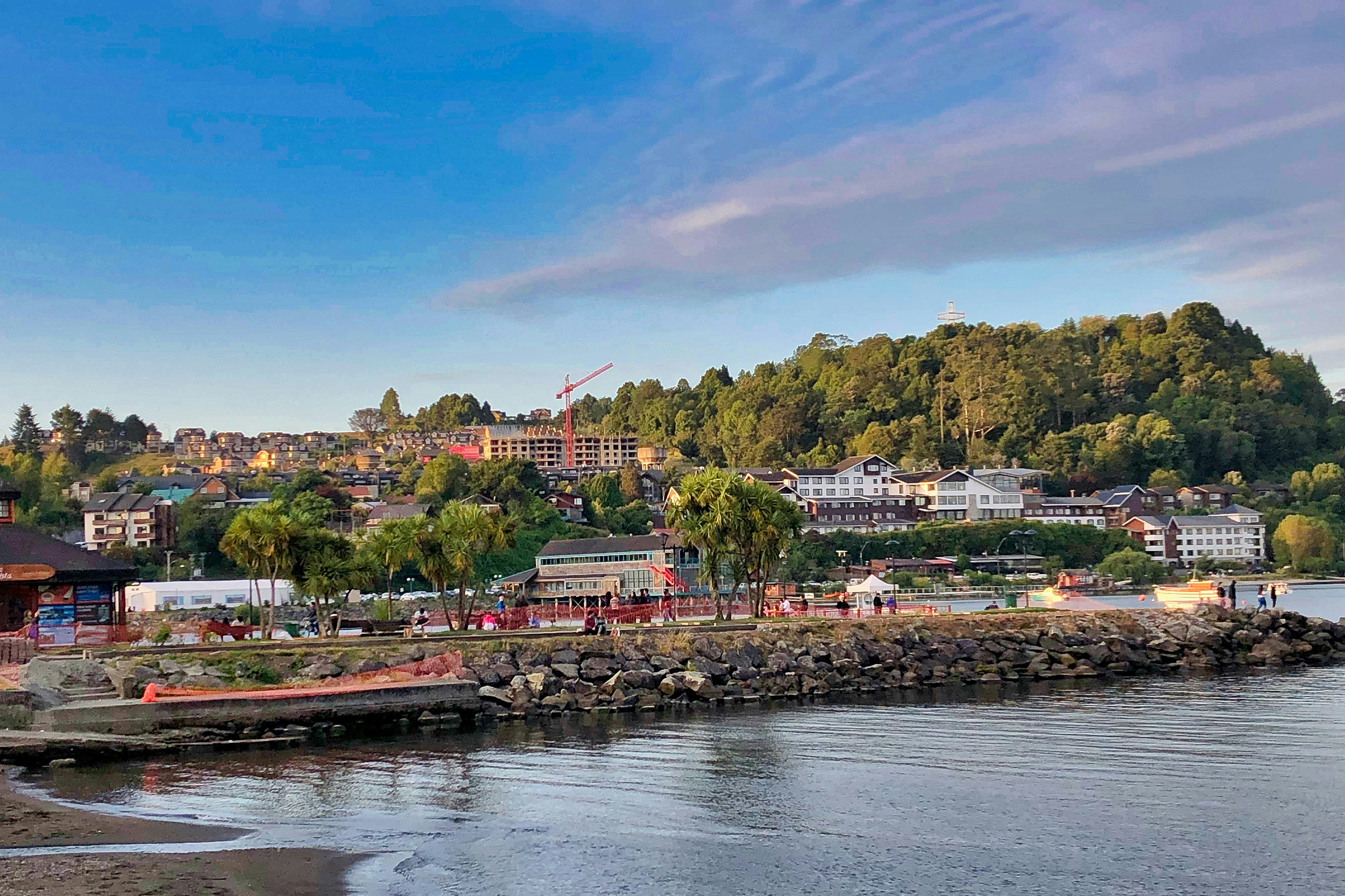
Lakeside charm of Puerto Varas is ideal for retirees and expats living in Chile.
Freedom-Seeking Expats & Retirees: South / Lake District (Puerto Varas, Villarrica, Pucón, Valdivia)
Southern Chile’s Lake District is a dream destination close to nature for those living in Chile. With lakes, forests, and volcanoes forming a stunning backdrop, it appeals to freedom-seeking expats seeking space, autonomy, and semi-off-grid living. Retirees enjoy cleaner air, slower rhythms, and a peaceful alternative to urban centers.
PUERTO VARAS: Lakeside Charm with German Influence
Puerto Varas sits on the shores of Lake Llanquihue, framed by the snow-capped Osorno Volcano. Known for its tidy streets, European-inspired architecture, and friendly community, Puerto Varas balances scenic beauty with practical living.
Lifestyle: Outdoor activities are a daily routine — kayaking, hiking, cycling, and weekend excursions to nearby hot springs are common. Cafes, restaurants, and cultural events, including film festivals and artisan markets, make the town socially engaging while still calm. Many expats choose Puerto Varas for its combination of autonomy and supportive community networks.
Cost of Living: Approximately $1,200–$1,800 USD/month. One-bedroom apartments in the town center or on the lakefront range from $500–$900 USD. Private healthcare is available locally, though more specialized services may require trips to larger cities.
Who It’s For: Freedom-seeking expats wanting lakeside living with infrastructure support, and retirees seeking scenic surroundings, safety, and comfort while living in Chile.
Still exploring where to go? You don’t have to decide yet — see how Chile stacks up against other countries in terms of cost, safety, and lifestyle.
👉 Read: Thriving Abroad — 10 Advantages of Living in Latin America
VILLARRICA: Volcano Views and Outdoor Lifestyle
Nestled at the foot of Villarrica Volcano, one of Chile’s most active, and along its lake, Villarrica offers a slower pace. The constant connection to nature makes it ideal for families, retirees, and expats embracing outdoor living.
Lifestyle: Daily life revolves around lakeside picnics, hiking trails, small artisan markets, and community events. The town is intimate, which helps newcomers integrate. Remote work is possible, though fiber-optic internet is less common than in larger cities, so testing connections is recommended.
Cost of Living: $1,000–$1,500 USD/month. Modest apartments and homes range from $400–$700 USD. Utilities are affordable, but heating costs increase during colder months.
Who It’s For: Retirees and freedom-seeking expats who want lakeside serenity, outdoor immersion, and a small-town vibe while living in Chile.
PUCÓN: Adventure Hub and Nature Retreat
Pucón is known as the adventure capital of the region, offering rafting, volcano climbing, hot springs, and seasonal tourism. Its vibrant yet small-town environment attracts expats seeking an active, nature-integrated lifestyle.
Lifestyle: Community life is tight-knit, with locals valuing independence and outdoor recreation. Housing options include lakeside cottages, rural retreats, and properties suitable for solar or off-grid living. Remote work is feasible with confirmed internet speeds.
Cost of Living: Around $1,000–$1,600 USD/month. Lakeside cabins typically range from $500–$800 USD, while rural homes may be slightly less.
Who It’s For: Freedom-seeking expats looking for adventure and semi-off-grid opportunities, and retirees seeking scenic tranquility while living in Chile.
VALDIVIA: Green, Wet, and Cultural
Valdivia, where the Calle-Calle, Valdivia, and Cruces rivers converge, is lush, cooler, and ideal for those who appreciate greenery and slower rhythms. It offers a strong cultural scene with universities, museums, craft markets, and German-influenced cuisine.
Lifestyle: Locals are friendly, neighborhoods are welcoming, and expat presence is smaller than in central Chile. Outdoor activities and river excursions are abundant. Remote work is possible, though high-speed internet requires checking providers or specific neighborhoods.
Cost of Living: $1,000–$1,500 USD/month. Downtown one-bedroom apartments are $400–$700 USD, while houses with land are affordable, especially for those seeking immersion in nature.
Who It’s For: Retirees and freedom-seeking expats who value immersion in nature, local culture, and low-density living while living in Chile.
Why the South Appeals:
- Nature Access: Lakes, forests, rivers, and volcanoes offer abundant outdoor activities.
- Slower Pace: Less traffic, fewer crowds, more privacy.
- Potential for Autonomy: Space allows for solar energy setups, small-scale agriculture, and semi-off-grid living.
- Lifestyle Flexibility: Seasonal tourism and small-town life balance solitude and social opportunities.
What to Test Before Committing:
- Internet reliability for remote work.
- Healthcare access — nearest hospitals and clinics.
- Winter heating needs and costs.
- Access to groceries and supplies — rural areas may require planning.
- Natural risks — flooding, volcanic activity, and earthquakes are prevalent.
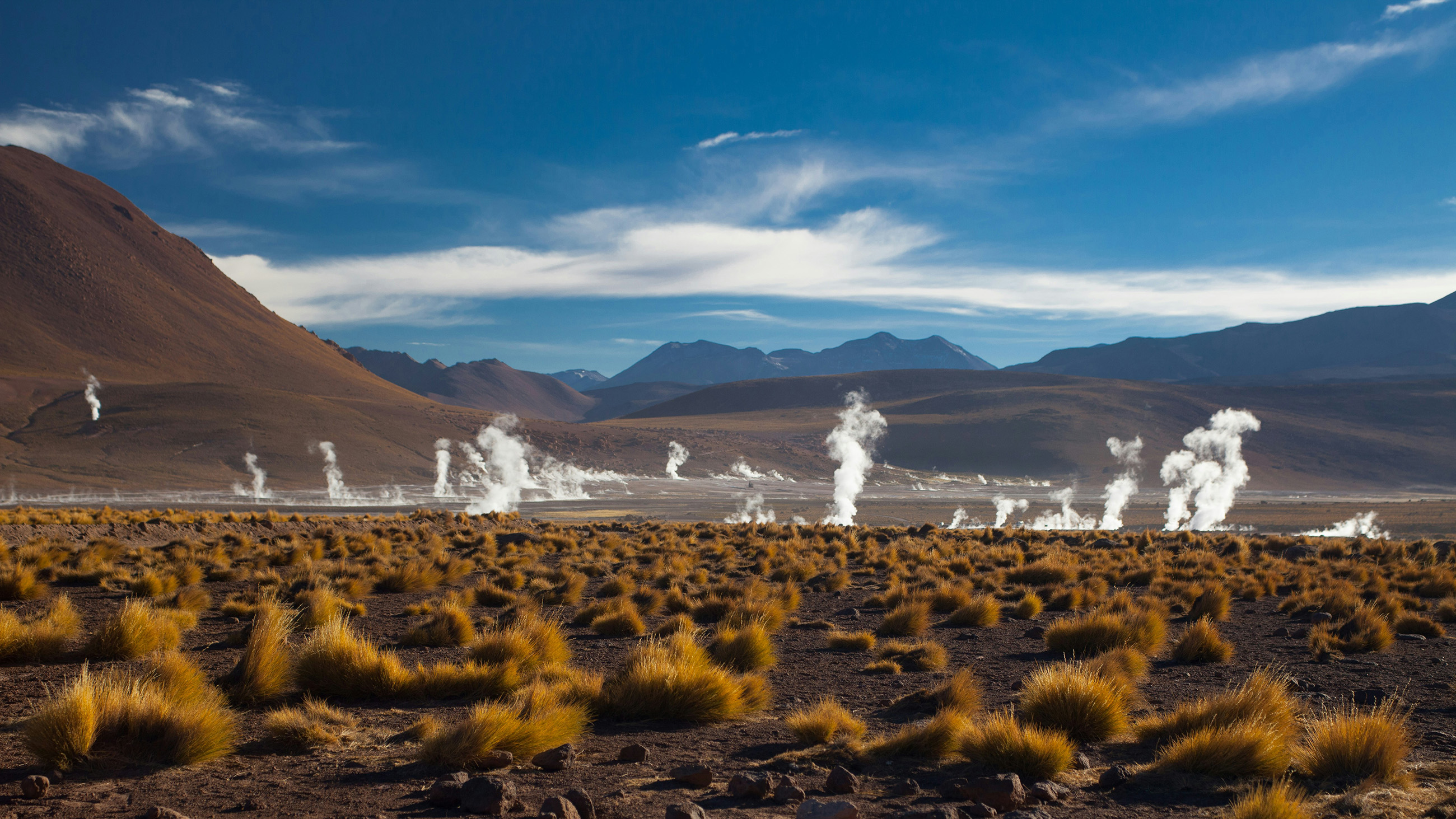
The dramatic El Tatio Geysers in San Pedro de Atacama, a must-see natural wonder for those living in Chile.
Where to Live in Chile: Quick Regional Overview
| Region/ Cities | Lifestyle & Perks | Challenges | Best For | What to Test Before Committing |
| Santiago (Las Condes, Vitacura, Providencia, Ñuñoa, Lo Barnechea, La Reina) | Modern infrastructure, top healthcare, international schools, coworking spaces, walkable neighborhoods, cultural life, parks, reliable internet | High cost of living, traffic, air pollution, some areas bureaucratic, crowded | Remote Professionals, Families, Retirees | Internet speed at home/coworking, neighborhood safety, healthcare access & proximity |
| Coastal Central (Viña del Mar, Valparaíso, Reñaca) | Beach access, cultural richness, walkable neighborhoods, ocean views, restaurants, festivals | Tourism spikes in summer, coastal humidity affecting homes | Freedom-seeking Expats, Retirees, Families | Internet & utilities reliability, housing maintenance, crowd levels during tourist season |
| Northern/Desert Coasts (La Serena, Elqui Valley, Coquimbo) | Mild climate, sunny days, outdoor lifestyle, space, slower pace, stargazing, vineyards | Water scarcity, fewer hospitals & schools, variable internet in rural areas | Families, Retirees, Remote Professionals | Internet speed/reliability, proximity to hospitals & schools, seasonal climate & water availability |
| South/Lake District (Puerto Varas, Villarrica, Pucón, Valdivia) | Lakes, forests, volcanoes, abundant outdoor activities, slower pace, privacy, off-grid potential, friendly communities | Rainy/cool climate, limited rural infrastructure, travel required for specialized healthcare | Freedom-seeking Expats, Retirees, Outdoorsy Families | Internet/mobile connectivity, heating & winter costs, access to groceries & medical care, natural hazard risk (floods, volcanoes, earthquakes) |
Deciding if living in Chile is right for you
Deciding if living in Chile is right for you comes down to understanding your priorities and what kind of lifestyle you want to lead.
Each region offers distinct advantages and trade-offs, whether it’s the urban conveniences of Santiago, the coastal charm of Viña del Mar and Valparaíso, the mild and spacious northern cities, or the nature-rich southern lakes.
Consider factors like cost of living, healthcare, safety, infrastructure, climate, and community, and spend time experiencing the areas firsthand if possible.
By weighing these realities alongside your personal goals—whether you value freedom, family-friendly neighborhoods, remote work flexibility, or peaceful retirement—you can choose a location that truly supports your life in Chile.
With careful planning and research, living in Chile can become more than a move; it can be a step toward the lifestyle you’ve been seeking.
Before you pack your bags for Chile (or anywhere in Latin America), make sure you’re not walking into the same traps many first-timers do.
👉 Grab your free guide: 7 Mistakes to Avoid When Moving to Latin America