
13 min read
Living in Ciudad del Este Paraguay puts you at the heart of the Triple Frontier, where opportunity and adventure meet. With affordable living, bustling markets, and easy access to Brazil and Argentina, it’s a city for digital nomads, families, and retirees seeking freedom, culture, and cross-border convenience.
……………………………..
Table of Contents
What Makes Ciudad del Este Different?
If you’re curious about Ciudad del Este Paraguay, the first thing you need to know is that this border city operates by its own rules. It isn’t polished. It isn’t curated for tourists. And that’s exactly why it attracts a certain type of freedom-seeker.
Perched on the edge of Paraguay, Brazil, and Argentina, Ciudad del Este thrives on cross-border commerce, entrepreneurial energy, and the kind of affordability that makes remote professionals question why they’re still grinding in expensive Western cities.
For people who don’t need hand-holding, Ciudad del Este Paraguay is a place where you can stretch your budget, tap into three cultures at once, and enjoy one of the most strategically located cities in South America. It’s chaotic, yes—but also full of opportunity for people who know what they want.
Quick Facts (Ciudad del Este, Paraguay)
| Category | Details |
| Population | ~330,000 metro (2026 est.) |
| Currency | Paraguayan Guaraní (PYG) |
| Close By Airports | Guaraní International Airport (CDE); Foz do Iguaçu Airport (IGU) 20 minutes away |
| Climate | Subtropical; hot summers (30–35°C), mild winters |
| Top Attractions | Itaipú Dam, Monday Falls, Friendship Bridge, Shopping Districts |
Ciudad del Este sits at the heart of the Triple Frontier, giving residents immediate access to Brazilian infrastructure, Argentinian tourism hubs, and Paraguay’s famously low cost of living. This three-country dynamic is a major reason people consider Ciudad del Este Paraguay as a base.
For a full overview of Paraguay’s top destinations, see our ultimate guide of the 10 Best Places to Live in Paraguay.
1. Who Considers Living in Ciudad del Este?
Different groups are drawn to Ciudad del Este, Paraguay, and each has their reasons:
Traders & Entrepreneurial Expats: Cross-border trade fuels the region. Many traders live in Paraguay for its low taxes and hop into Brazil daily for commerce.
Short-Term Digital Nomads: Nomads looking for affordability without sacrificing connectivity often stay a few months to take advantage of Brazilian-level infrastructure just across the bridge.
Budget-Conscious Remote Professionals: Compared to Asunción, Ciudad del Este Paraguay offers lower rents, cheaper transport, and a more direct connection into Brazil’s markets.
Families Wanting Space & Privacy: Families choose suburban areas near Hernandarias or Presidente Franco, where security and community feel stronger than the city center.
Adventure & Border-Culture Seekers: Those who enjoy multi-country lifestyles thrive here. Iguazú Falls, Itaipú Dam, and Brazilian shopping hubs are within minutes.
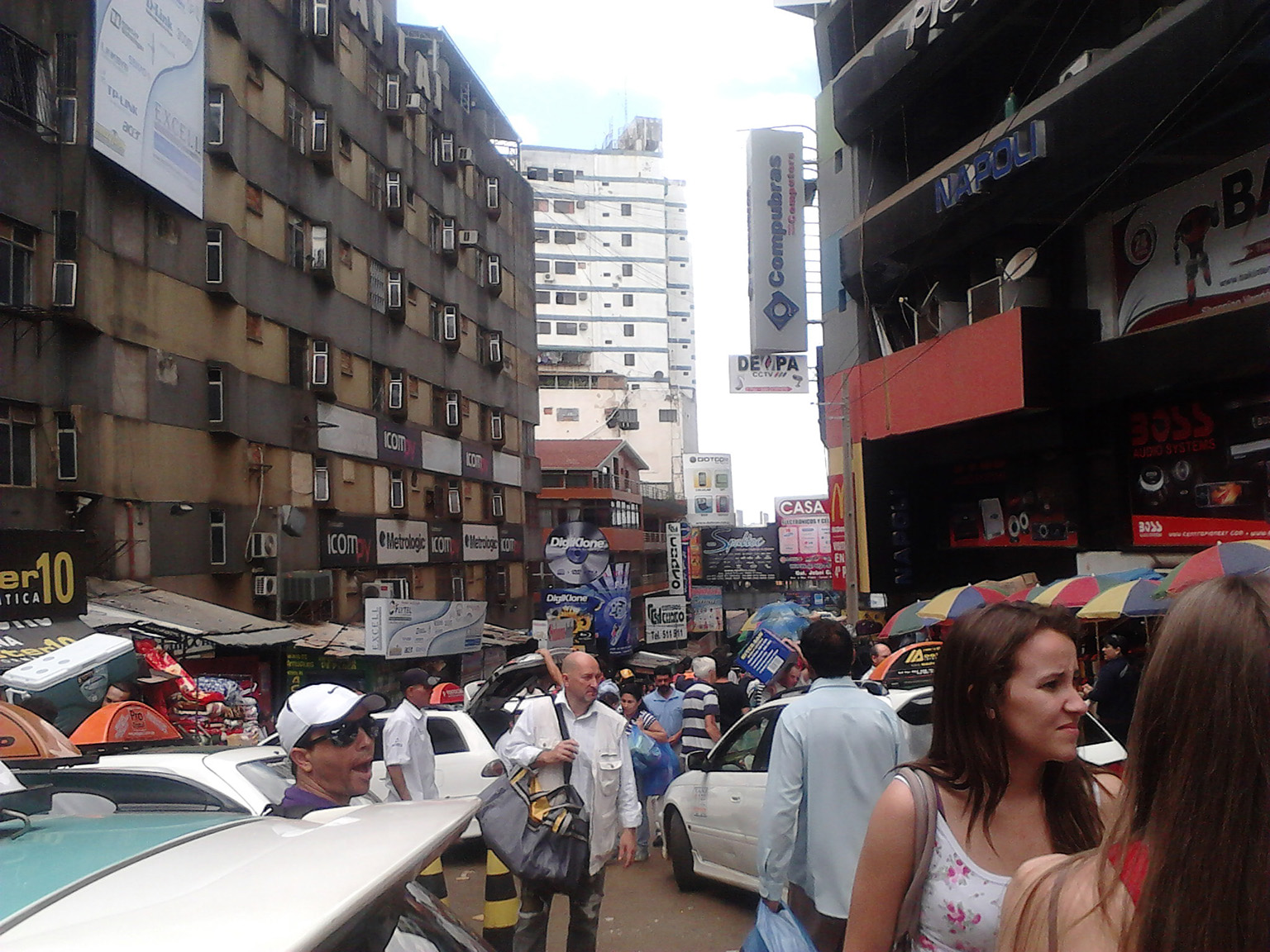
A bustling shopping street in Ciudad del Este, known for its international trade and vibrant market culture.
2. Cost of Living in Ciudad del Este
One of the main reasons people consider Ciudad del Este Paraguay is its affordability. Compared to Western cities—or even other Paraguayan urban centers like Asunción—the cost of living here is significantly lower, allowing you to enjoy a comfortable lifestyle without breaking the bank.
The city’s strategic location near Brazil and Argentina also offers unique opportunities to shop across borders, stretching your budget even further.
Housing Costs: Rent in Ciudad del Este Paraguay is highly competitive, with everything from compact city-center apartments to spacious suburban family homes.
| Type | Average Monthly Rent (USD) | Notes |
| 1-bedroom apartment (Centro) | $250–$380 | Walkable, near shops & transport |
| 2-bedroom apartment (Barrio San Blas) | $350–$500 | Good balance of access & quiet |
| 3-bedroom house (Presidente Franco) | $550–$850 | Family-friendly, larger space |
| 3–4-bedroom house (Hernandarias) | $650–$1,000 | Suburban, safer, more greenery |
Tip: Many expats negotiate directly with landlords to secure long-term rentals at lower rates. Furnished options are often slightly higher but convenient for short-term stays.
Utilities & Internet:
| Utility | Average Monthly Cost (USD) |
| Electricity | $40–$70 (depends on AC/heating use) |
| Water & Sewage | $15–$30 |
| Internet (Fiber 100–200 Mbps) | $30–$60 |
| Mobile Data | $10–$20 |
Paraguay has affordable utility rates, but energy-intensive appliances like air conditioners can raise bills during summer. Fiber-optic internet is widely available, which makes Ciudad del Este Paraguay appealing for remote workers.
Groceries & Food:
| Item | Average Cost (USD) |
| Milk (1 liter) | $1.00 |
| Eggs (12) | $2.50 |
| Rice (1 kg) | $1.50 |
| Chicken (1 kg) | $3.00 |
| Fresh fruit & vegetables | $1–$3 per kg |
Pro Tip: Many residents cross into Brazil for electronics or specialty foods that are cheaper or of higher quality. This border-shopping strategy can reduce overall living costs while giving you access to a wider variety of products.
Transportation:
Public transport: Buses and shared vans cost around $0.50–$1.00 per ride.
Taxis & ride-hailing apps: Start at $2–$3; longer trips into neighboring cities cost $5–$15.
Owning a car: Gasoline is affordable relative to Brazil; commuting to Hernandarias or Presidente Franco is feasible.
Healthcare Costs:
Private healthcare costs are far lower than what you’d pay in the U.S. or Brazil.
Service Cost (USD)
Private doctor visit $20–$40
Dental cleaning $25–$50
Basic lab tests $15–$40
Tip: For serious medical procedures, many expats cross into Brazil, where hospitals and specialists are top-tier but more expensive.
Sample Monthly Budgets:
| Household Type | Budget Range (USD) | Notes |
| Single remote worker | $650–$900 | Rent in Centro or San Blas; modest lifestyle |
| Couple | $1,200–$1,500 | 2-bedroom apartment, groceries, some dining out |
| Family of 3–4 | $1,600–$2,200 | 3-bedroom house, private school or homeschooling costs, utilities, groceries |
These estimates allow for a comfortable lifestyle without luxury, including occasional dining out, modest entertainment, and minor travel.
Cross-Border Cost-Saving Strategies
- Groceries & Electronics: Shop Brazilian supermarkets for electronics, specialty foods, and imported items.
- Dining & Entertainment: Local Paraguayan eateries are extremely affordable but crossing to Foz do Iguaçu can offer variety at competitive prices.
- Medical & Wellness: Routine dental or medical visits can be cheaper in Paraguay, but high-end procedures in Brazil may be worth the extra cost if quality matters.
Bottom Line: Living in Ciudad del Este Paraguay offers exceptional value for money. With smart neighborhood choices, cross-border shopping, and a focus on essential expenses, singles, couples, and families alike can enjoy a high-quality lifestyle while keeping monthly costs well below what they would spend in North America or Europe.
For tips on stretching your budget and enjoying Paraguay without overspending, see our detailed Affordable Cost of Living in Paraguay guide.
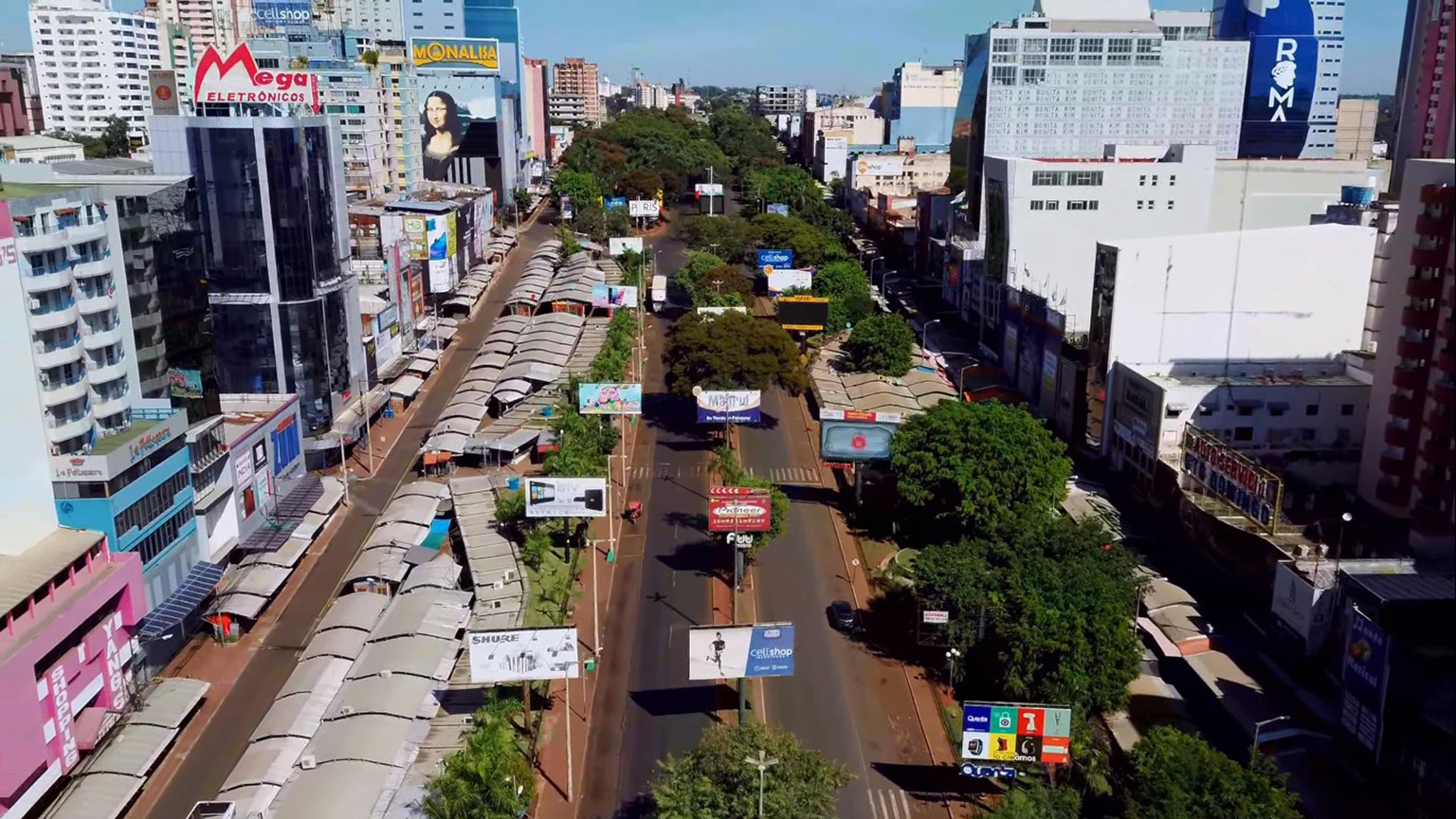
Overhead view of Ciudad del Este’s main avenue, showcasing traffic, shops, and the city’s dense commercial layout.
3. Best Neighborhoods in Ciudad del Este Paraguay
Choosing where to live in Ciudad del Este can make or break your experience. The city is dynamic, with distinct neighborhoods offering very different lifestyles, safety levels, and amenities. Whether you’re a remote professional, a family looking for space, or a budget-conscious nomad, understanding the nuances of each area is essential.
Centro is the heartbeat of Ciudad del Este. It’s where the city comes alive with commerce, culture, and constant movement.
| Category | Details |
|---|---|
| Pros | • Extremely walkable, with everything from banks and supermarkets to cafes and public transport hubs within a few blocks. • Access to the city’s largest shopping areas, markets, and restaurants—ideal for convenience and urban energy. • Close proximity to buses and taxis, making cross-border trips to Brazil and Argentina straightforward. |
| Cons | • Noise and crowds are constant; street vendors and traffic can make daily life chaotic. • Safety is more variable than in suburban areas, especially at night—situational awareness required. • Limited green space, making it less suitable for families with children who need outdoor areas. |
| Best For | Short-term visitors, traders, and solo digital nomads who want to immerse themselves in the city’s fast-paced energy. |
Barrio San Blas sits just north of Centro and strikes a balance between residential calm and urban access.
| Category | Details |
|---|---|
| Pros | • Offers a more residential feel with quiet streets and low-rise housing options. • Close to malls, restaurants, and essential services without the non-stop chaos of Centro. • Well-connected by public transport, making trips into the city center or across the border convenient. |
| Cons | • Traffic during peak hours can still be a problem, especially near main roads. • Safety is mixed—most areas are secure, but petty crime occasionally occurs, so common-sense precautions are necessary. |
| Best For | Young professionals, couples, and small families who want a balance between the commercial energy of the city center and the quieter pace of suburban living. |
Positioned just east of the city center and close to natural attractions like the Paraná River, this area has become increasingly popular with expats looking for more space and stability.
| Category | Details |
|---|---|
| Pros | • More peaceful and family-friendly, with residential streets, parks, and community spaces. • Offers solid schooling options, reliable clinics, and convenient local markets—practical for families and long-term residents. • Close enough to Centro for work or shopping but far enough to escape the busiest areas. |
| Cons | • Slightly farther from the main shopping and commercial zones, so occasional drives to Centro are required. • Public transport is less frequent than in Centro or San Blas, making a car or scooter beneficial. |
| Best For | Families, retirees, and anyone who values safety, quiet streets, and access to nature while still staying within reach of the city. |
Hernandarias lies about 15–20 minutes from Centro and is known for its suburban charm and cleaner streets. Its proximity to the Itaipú Dam also makes it a hub for professionals working in the energy sector.
| Category | Details |
|---|---|
| Pros | • Clean, safe, and well-organized neighborhoods with more green spaces and larger houses. • Growing interest from expats, bringing some international services, restaurants, and coworking spots. • Excellent for those who prioritize security and a quieter lifestyle without fully leaving the Ciudad del Este area. |
| Cons | • Commute to the city center or shopping areas requires a car or regular public transport. • Fewer immediate dining and shopping options compared to the city core. |
| Best For | Families, remote workers looking for long-term stays, and anyone seeking space and security while still having access to the economic pulse of Ciudad del Este. |
Neighborhood Summary: Most long-term expats and digital nomads choose Presidente Franco or Hernandarias because Ciudad del Este Paraguay’s central area can feel fast-paced and overwhelming. Living just outside the core gives you a better balance of safety, space, and accessibility, while still being within a short drive of the city’s commercial and border hubs.
When deciding where to live, consider your daily routine, commuting needs, and lifestyle priorities. For families, safety and schools matter most. For traders and solo nomads, proximity to Centro and cross-border access may take priority.
Understanding each neighborhood’s trade-offs ensures your experience in Ciudad del Este Paraguay is enjoyable and sustainable.
If you’re curious about life in the capital, check out 9 Best Places to Live in Asunción for neighborhood breakdowns and local tips.
4. Work & Connectivity
Remote workers choose Ciudad del Este Paraguay because the region benefits from Brazilian-grade connectivity.
Internet Speeds:
Home fiber: 100–500 Mbps
Mobile data: Good, especially near shopping districts
Cafes: Consistently workable for day-to-day tasks
Coworking options are growing, though café culture is strong and many nomads work from home.
Combined with low living costs, connectivity is one reason remote workers base themselves in Ciudad del Este Paraguay for months at a time.
Healthcare, Schools & Families: Families living in Ciudad del Este Paraguay benefit from clinics and hospitals with direct access to Brazil’s much larger medical network.
Healthcare Options:
• Hospital Regional del Este
• Sanatorio San Lucas
• Private clinics in Foz do Iguaçu (Brazil) — extremely popular among expats
Schools:
• Colegio del Sol
• Liberty School
• International schooling options available over the border in Brazil
Homeschooling is legal in Paraguay, making Ciudad del Este Paraguay appealing for families wanting flexibility.
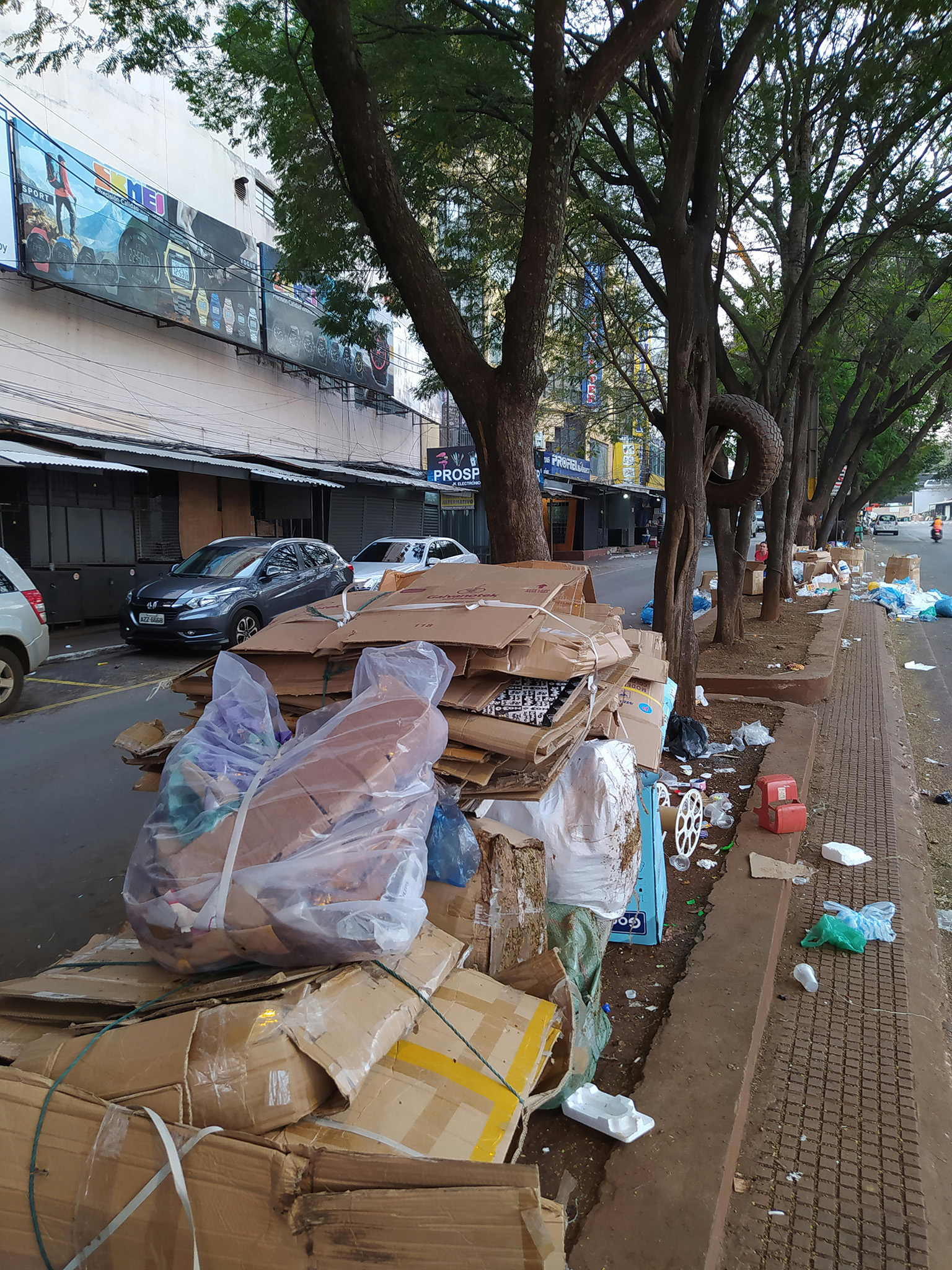
A look at the commercial district’s street overflow—an honest snapshot of Ciudad del Este’s intense trade and waste challenges.
5. Safety & Crime in Ciudad del Este
Safety in Ciudad del Este Paraguay is nuanced, and understanding the local dynamics is crucial for anyone considering a move. The city’s location at the Triple Frontier—where Paraguay meets Brazil and Argentina—makes it a vibrant hub for commerce, trade, and cross-border activity. This brings both opportunities and challenges when it comes to safety.
Understanding the Local Risks
Petty Theft: Pick pocketing, bag snatching, and minor scams are most common in crowded areas, particularly the commercial center and busy markets. These incidents are usually non-violent but can be inconvenient for visitors and expats.
Cross-Border Trade Dynamics: The city thrives on informal and sometimes gray-area commerce. While organized trade-related disputes rarely affect tourists or long-term residents, they are part of the local ecosystem and explain some of the heightened security presence in certain zones.
Traffic & Road Safety: Beyond crime, crossing busy streets, especially near shopping districts and bus terminals, requires caution. Accidents are more common than violent crime in the city.
Despite these factors, most incidents affecting foreigners are preventable with basic situational awareness, similar to advice in our Is Latin America Safe? guide. Simple habits—like avoiding walking alone at night in isolated areas, keeping valuables out of sight, and choosing neighborhoods wisely—dramatically reduce risk.
Neighborhood Safety Overview: Knowing which areas are quieter and family-oriented helps minimize risk.
Hernandarias and Presidente Franco: Known for their family-friendly streets, parks, and quieter residential feel, these areas offer a safer, long-term living environment for expats and families.
Centro (City Center): Busy, chaotic, and full of commercial activity, Centro requires heightened alertness. Avoid flashing expensive items and be mindful of your surroundings.
Barrio San Blas: Mixed safety; daytime is generally fine, but exercise caution at night and in less populated streets.
With situational awareness and careful neighborhood choice, most residents find that Ciudad del Este Paraguay is entirely manageable for everyday living.
It shares many safety dynamics with other Latin American border cities, as discussed in our Is Latin America Safe? guide, but its cross-border location gives it unique challenges and advantages—like rapid access to Brazilian infrastructure and emergency services
6. Getting There & Cross-Border Practicalities
The region’s biggest advantage is its border location.
Main Crossing: Friendship Bridge–you can walk or drive between Paraguay and Brazil in minutes, making life in Ciudad del Este extremely dynamic.
Customs & Shopping: Brazilian electronics and household goods are often cheaper. Paraguay offers low prices for imports. Residents mix the best of both worlds.
Visas: Most travelers receive a 90-day entry to Paraguay, and Brazil has its own policies depending on nationality.

Aerial view of the Friendship Bridge, the main link between Ciudad del Este and Foz do Iguaçu, and Brazil.
7. Residency & Bureaucracy
If you’re considering long-term life in Ciudad del Este Paraguay, you’ll want to explore Paraguay’s residency pathways.
Paraguay is known for having one of Latin America’s most accessible residency systems. To find out if you qualify, explore our Latin America Residency Map, which breaks down requirements country-by-country and helps you identify the fastest path.
Best Things to Do in Ciudad del Este Paraguay
A major perk of Ciudad del Este is how much there is to do within a short drive.
Top Activities & Day Trips:
- Itaipú Dam tour
- Monday Falls
- Shopping district
- Moisés Bertoni Museum
- Hernandarias riverfront
- Triple Frontier viewpoint
- Foz do Iguaçu city trip
- Iguazú Falls (Argentina and Brazil)
- Parque Acaray
- Local food markets
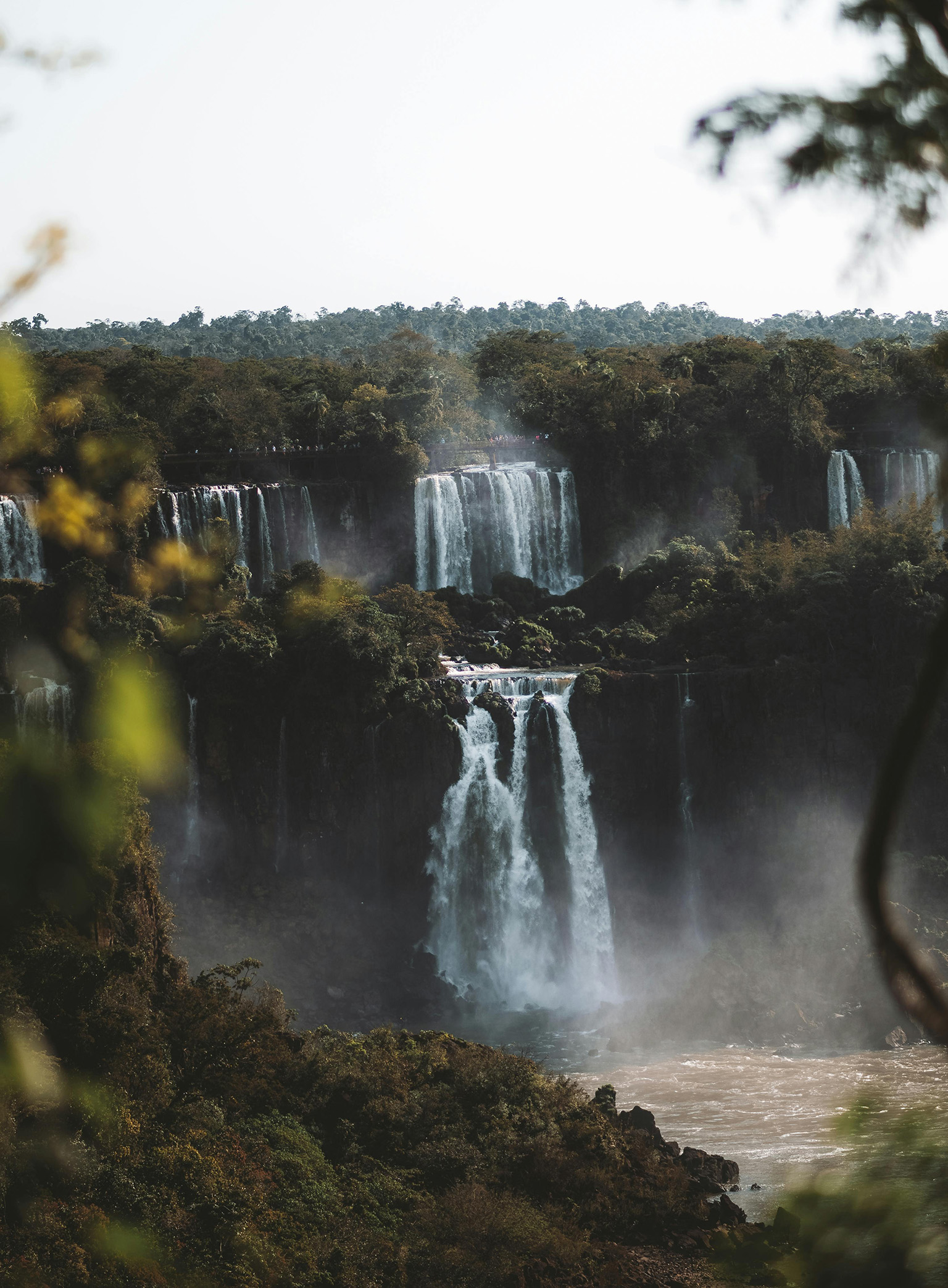
The breathtaking Iguazú Falls—one of the world’s most iconic natural wonders, easily accessible from Ciudad del Este.
Final Verdict — Who Should Move Here?
So, is Ciudad del Este Paraguay right for you? The answer depends on your lifestyle priorities, risk tolerance, and what you value most in a place to live. Situated at the Triple Frontier, where Paraguay meets Brazil and Argentina, Ciudad del Este offers a unique combination of cross-border opportunities, affordable living, and cultural diversity that few other Latin American cities can match.
If you’re a budget-conscious digital nomad or trader, the city’s proximity to Brazilian commerce and Paraguayan affordability makes it an ideal base. For families and retirees, neighborhoods like Hernandarias or Presidente Franco provide safety, green spaces, and access to schools while still keeping you close to the city’s vibrant core.
Ultimately, Ciudad del Este rewards people who are adaptable, curious, and motivated by opportunity rather than comfort alone. If you fit that profile, this border city offers affordable living, cross-border freedom, and a uniquely dynamic environment for work, family, or adventure.
To see if you qualify to live here long-term, explore the Latin America Residency Map—your first step toward making Ciudad del Este your home.
FAQ — Ciudad del Este Paraguay
Is Ciudad del Este safe for expats?
Generally yes — with realistic expectations. Most expats find Ciudad del Este manageable when they live in residential areas, avoid the chaotic commercial center at night, and follow basic precautions. It’s not unsafe, but it’s not polished either. Think “busy border city energy” with normal big-city risks like petty theft.
Is the city center dangerous?
The commercial district gets extremely crowded, especially around the shopping zones. Pick pocketing, scams, and opportunistic theft happen more here than in the suburbs. It’s usually not violent, but it’s not the place to stroll with your phone out. Most locals only go during the day and leave quickly.
What neighborhoods are safest?
Expats usually choose Hernandarias or Presidente Franco. These areas feel noticeably calmer, more residential, and more family-friendly. They’re farther from the congestion of the center and offer a higher overall quality of life.
How much does it cost to live in Ciudad del Este?
Ciudad del Este is affordable by international standards. Typical monthly budgets look like:
Single: $700–$1,000
Couple: $1,200–$1,600
Family: $1,700–$2,300
This includes rent, groceries, utilities, transport, and basic entertainment.
Can digital nomads live in Ciudad del Este comfortably?
Yes — if you’re flexible. Internet is reliable, and there are coworking spaces and cafés suitable for remote work. It’s not a trendy digital nomad hotspot, but it’s practical, low-cost, and ideal for anyone who wants cheap living with easy access to Brazil.
What is healthcare like in Ciudad del Este?
Healthcare is accessible and affordable. You’ll find both public and private clinics. For specialized care or more advanced facilities, most expats go to Foz do Iguaçu (Brazil) — it’s close, modern, and offers better medical equipment and specialists.
Is Ciudad del Este a good place to live long-term?
It can be, depending on what you want. It’s well-suited for people who value affordability, cross-border opportunities, and suburban living outside the hectic city center. If you prefer polished infrastructure, nightlife, and walkable neighborhoods, you might find better long-term comfort in Asunción or Encarnación.