
9 min read
Christmas in Latin America is a lively and family-focused celebration that often feels quite different from the traditional winter holidays of North America and Europe. Across the region, the season is marked by warm weather, outdoor gatherings, and strong cultural traditions that vary from country to country. While the details change, the emphasis on family, food, and community remains at the heart of the festivities.
……………………………..
Table of Contents
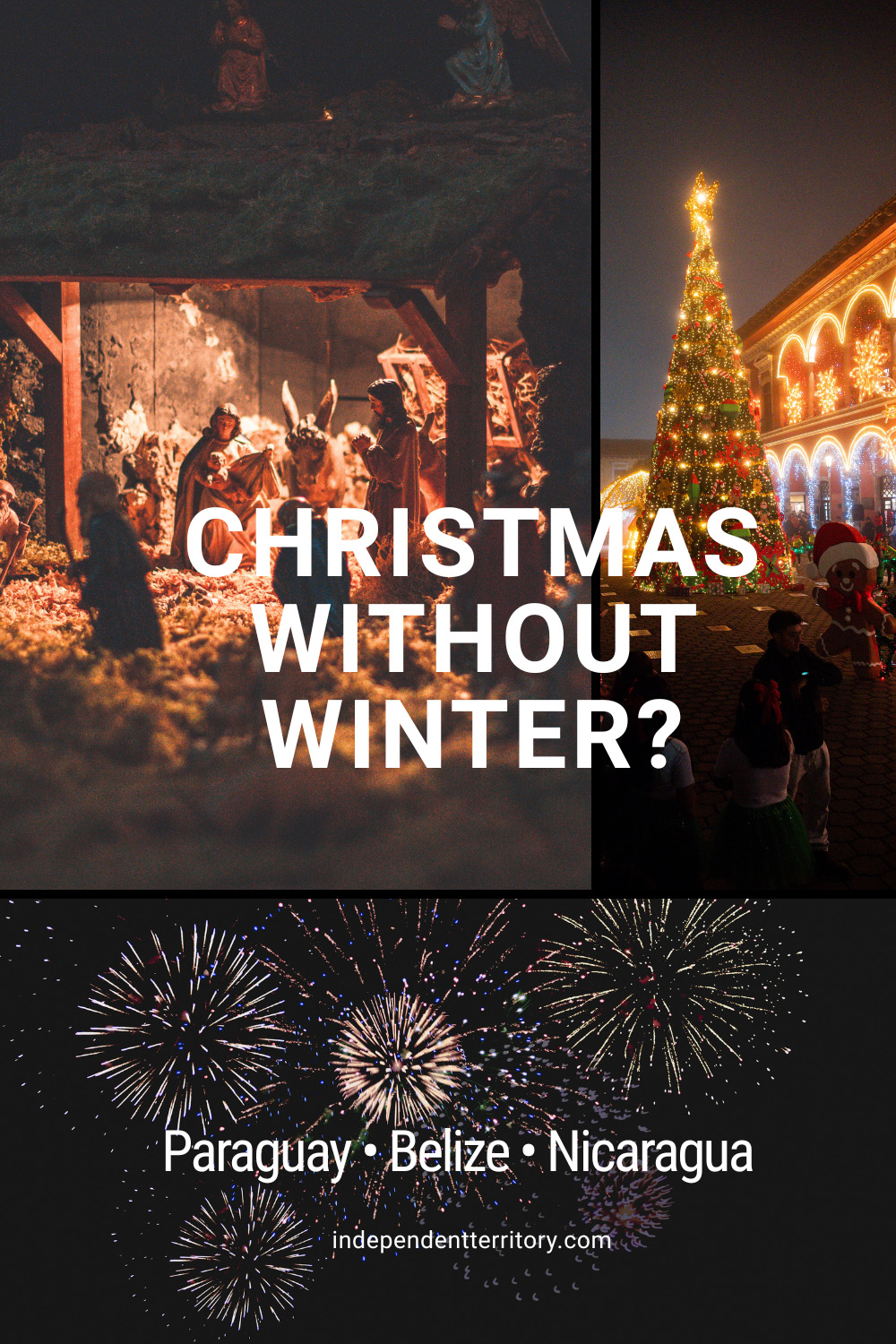
Christmas in Paraguay Belize and Nicaragua looks very different from the snowy Christmas many of us grew up with.
Instead of snow, dark afternoons and bundling up to go outside, Christmas in much of Latin America means warm evenings, outdoor gatherings, fireworks, and plenty of food. And while many familiar Christmas traditions remain, each country puts its own spin on the holiday.
If you’re considering living in Latin America—or you’re simply curious about what Christmas is like outside North America and Europe—Paraguay, Belize, and Nicaragua each offer a very different Christmas experience.
So, what can you expect?
Christmas in Paraguay
Christmas in Paraguay is a family-centered celebration, and Nochebuena—the evening of December 24—is arguably the big event.
And there’s one thing that makes a Paraguayan Christmas especially distinctive: the pesebre, or nativity scene.
The Paraguayan pesebre is much more than a small nativity set sitting underneath the Christmas tree. Families create elaborate displays using natural materials, flowers, fruits, and other decorations. Many start putting them together around December 8 (the feast of the Virgen de Caacupé), and they often stay up until the arrival of the Three Kings on January 6.
The tradition is deeply rooted in Paraguayan culture and has been recognized as intangible cultural heritage by Paraguay’s Secretariat of Culture, an effort supported by the Instituto Paraguayo de Artesanía.
For expats, seeing a traditional pesebre—and sometimes being invited to walk around the neighborhood admiring others—can be one of the more memorable parts of Christmas in Paraguay.
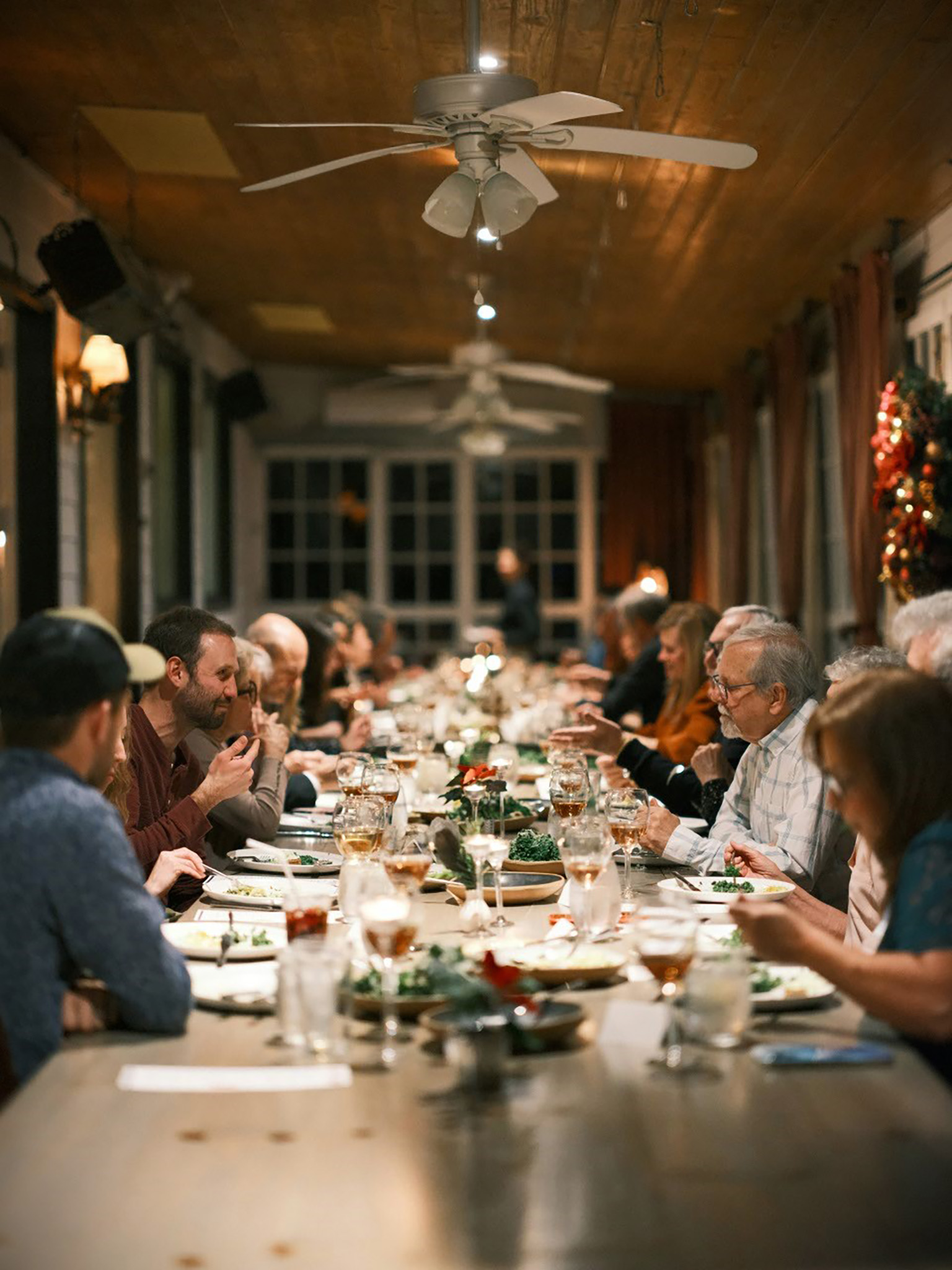
A family sharing Nochebuena dinner.
Christmas Eve is the big night
Rather than everyone disappearing to bed early on December 24, families gather for a late Christmas Eve celebration.
Think food, drinks, conversation, family and eventually fireworks. Many also attend Midnight Mass (Misa de Gallo).
And because Christmas falls during Paraguay’s summer, there’s no need to squeeze everyone around a fireplace.
A warm evening can mean sitting outside, enjoying the night, and waiting for midnight. That can take a little getting used to if you’re accustomed to a cold-weather Christmas.
Christmas Day itself tends to be quieter, with families continuing the celebrations and enjoying leftovers from the night before.
For a broader look at what life is like beyond the Christmas season, you can explore our guide to living in Paraguay, including the practicalities, lifestyle and places worth considering.
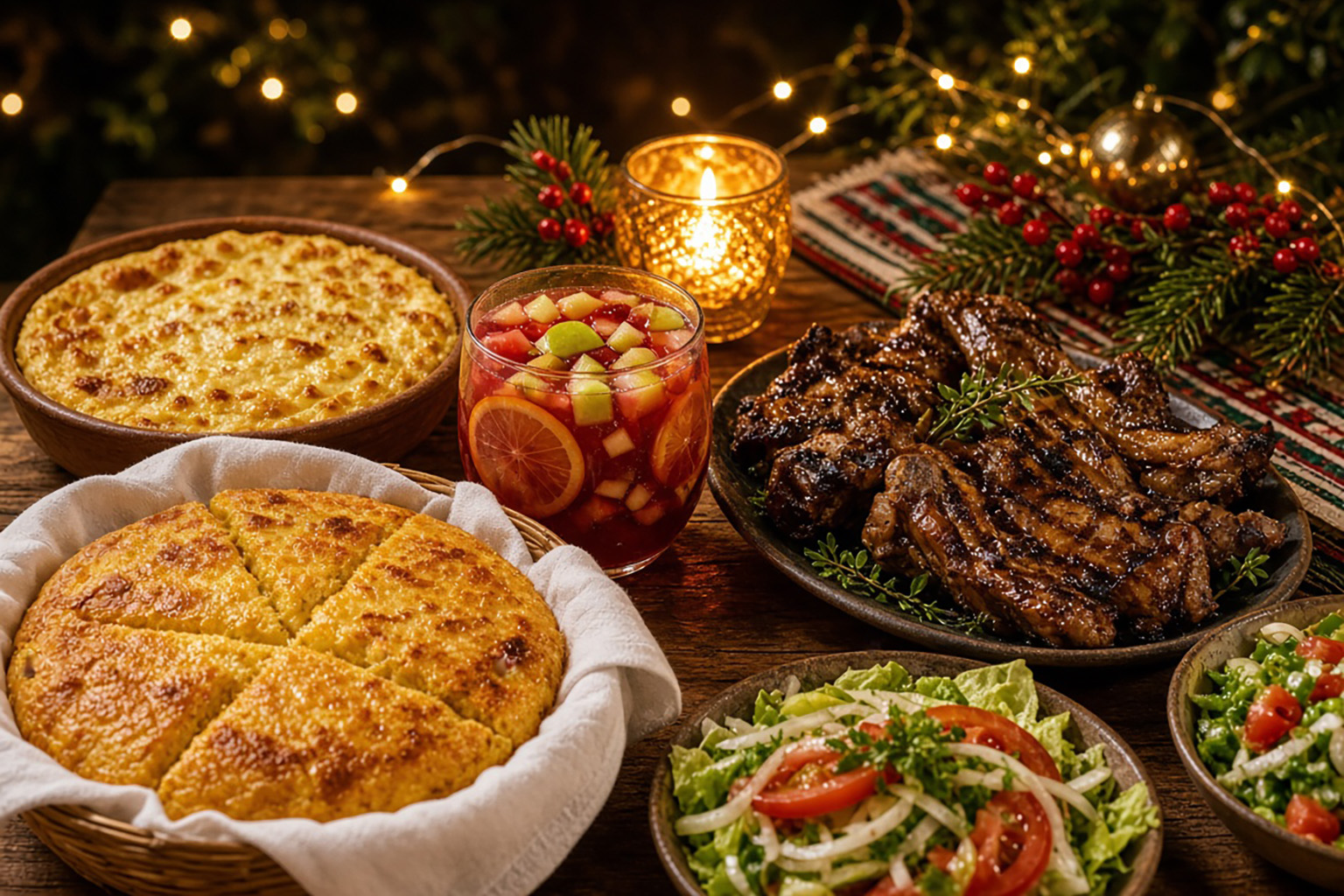
Classic Paraguayan Christmas dishes ready for Nochebuena.
What about Christmas food?
Food is a big part of the Paraguayan Christmas experience. Traditional dishes and festive foods make their way onto the table, and gatherings can stretch late into the night.
Chipa, sopa paraguaya, chipa guasu, grilled meats and salads are among the foods you may encounter. You’ll also likely see clericó—a refreshing fruit-and-wine punch—and sometimes vitel toné or pan dulce.
And, of course, there’s plenty of tereré at other times of year—but on Christmas Eve, the drinks are likely to look a little different.
The fireworks are part of the experience
If you’re spending your first Christmas in Paraguay, don’t be surprised when midnight arrives with a bang.
Fireworks are a familiar part of Christmas and New Year’s celebrations, and the sudden explosions around midnight can make it very clear that Christmas has arrived. They’re loud, widespread, and part of the atmosphere—so earplugs for light sleepers (or pets) can be a practical tip for newcomers.
Snow? No.
Fireworks and a warm summer night? Absolutely.
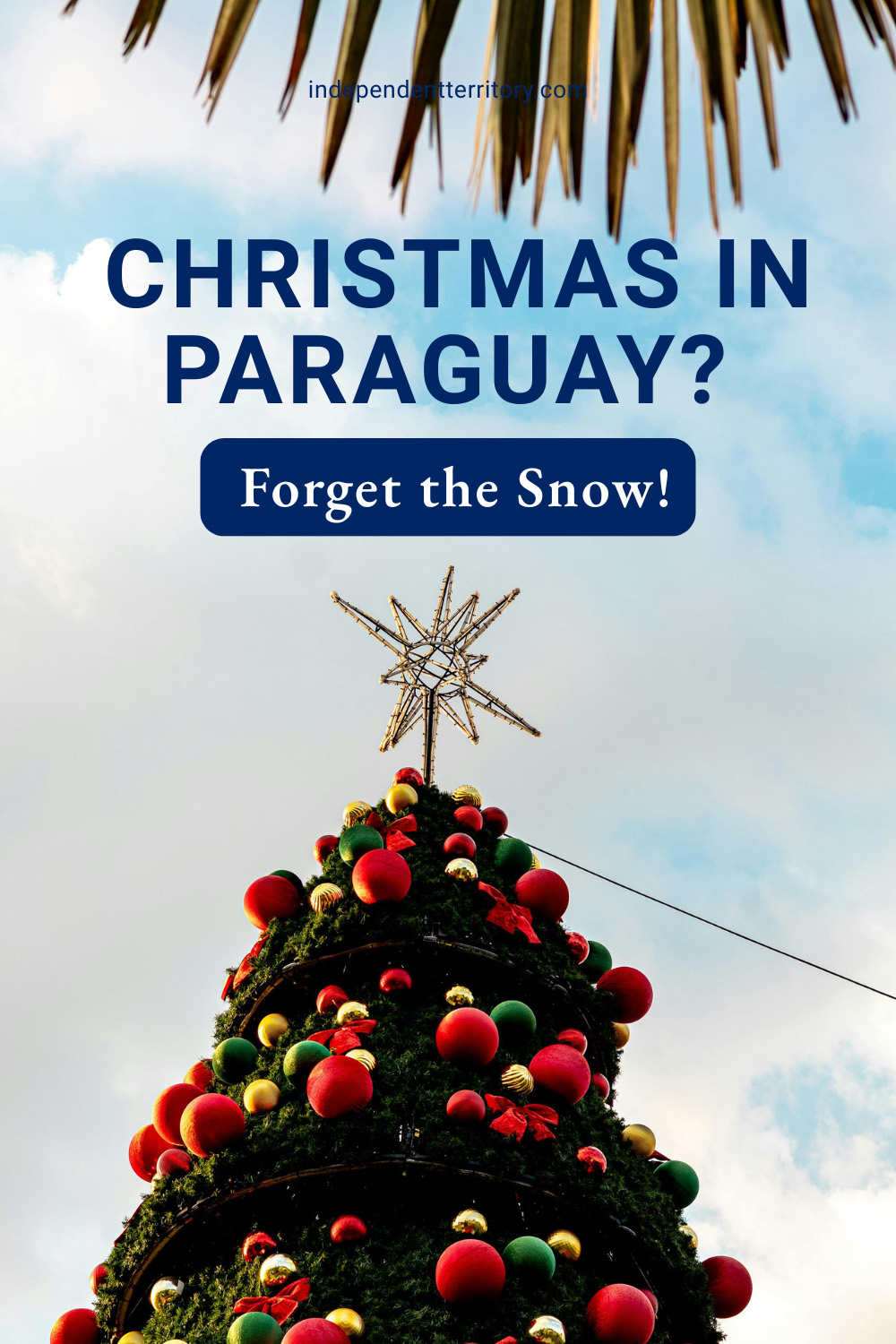
Christmas in Belize
Christmas in Belize brings something different again: a tropical Christmas with an unusually diverse mix of cultural traditions.
Belize is culturally diverse, and Christmas traditions vary between communities. Creole and Garifuna traditions, among others, contribute to the country’s distinctive holiday celebrations.
And yes—you can have a very different Christmas experience when palm trees replace pine trees.
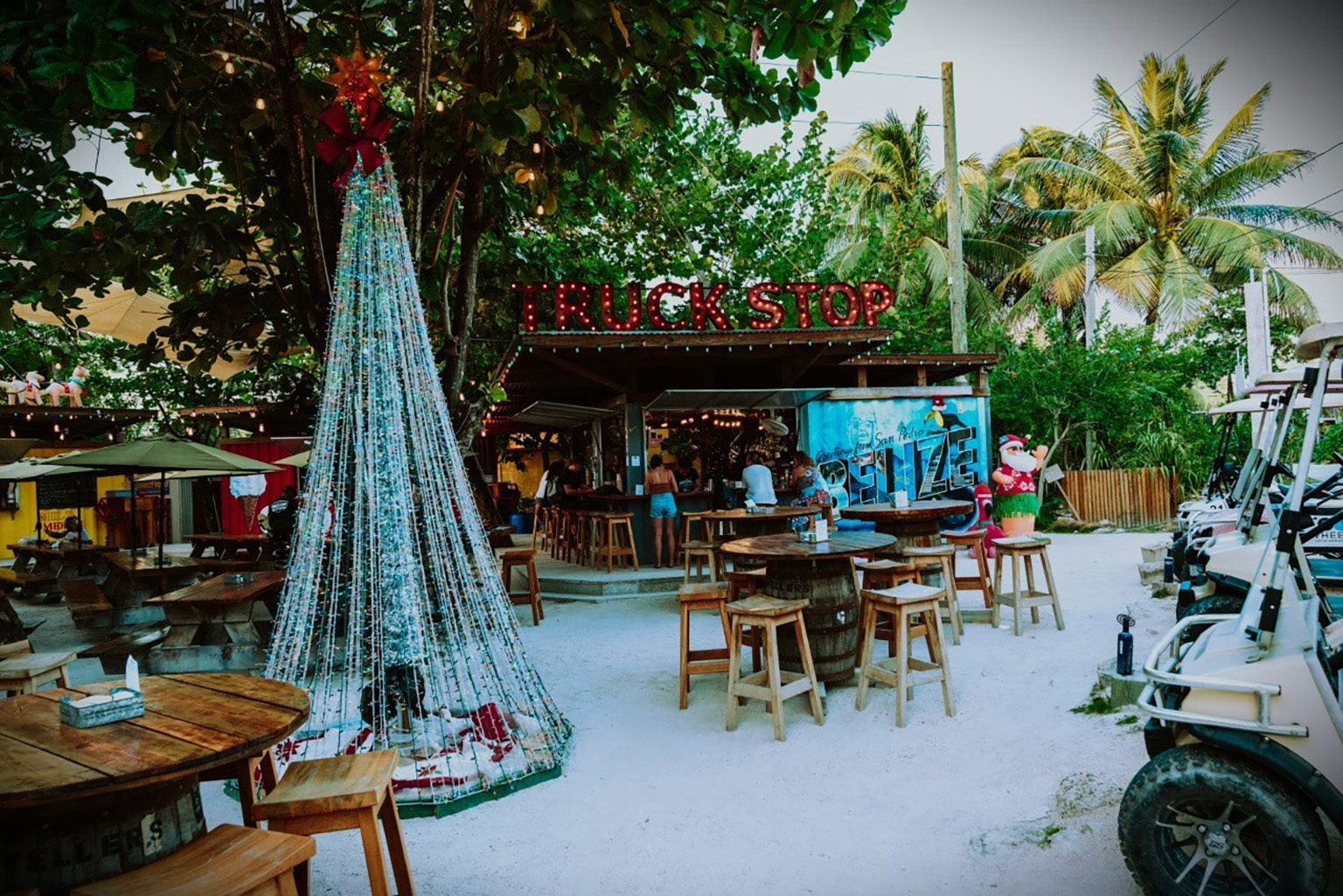
A tropical twist on Christmas decorations at a beachside bar.
Christmas in the tropics
One of the obvious attractions of Christmas in Belize is the weather. Depending on where you are, you could spend Christmas enjoying the outdoors rather than hiding from the cold.
That doesn’t mean Christmas feels any less festive.
Christmas music, decorations, family gatherings, and holiday food are all part of the season. In fact, Belize’s Christmas season can begin well before December 25, with celebrations and traditions continuing through the holidays.
Food is a big part of Christmas in Belize
Traditional Christmas foods include Belizean black cake, ham, rice and beans and other family favorites. Black cake is particularly associated with Christmas and is made with fruit that is soaked ahead of time, giving the cake its distinctive dark color and rich flavor. You’ll also often find rum popo (a creamy, spiced eggnog-style drink) on the table.
If your idea of Christmas dessert is normally Christmas cookies or fruitcake, Belize gives you something familiar—but with its own personality.
Christmas is just one small part of what makes Belize interesting. If you’re curious about the bigger picture, our guide to living in Belize looks at what everyday life is actually like there.
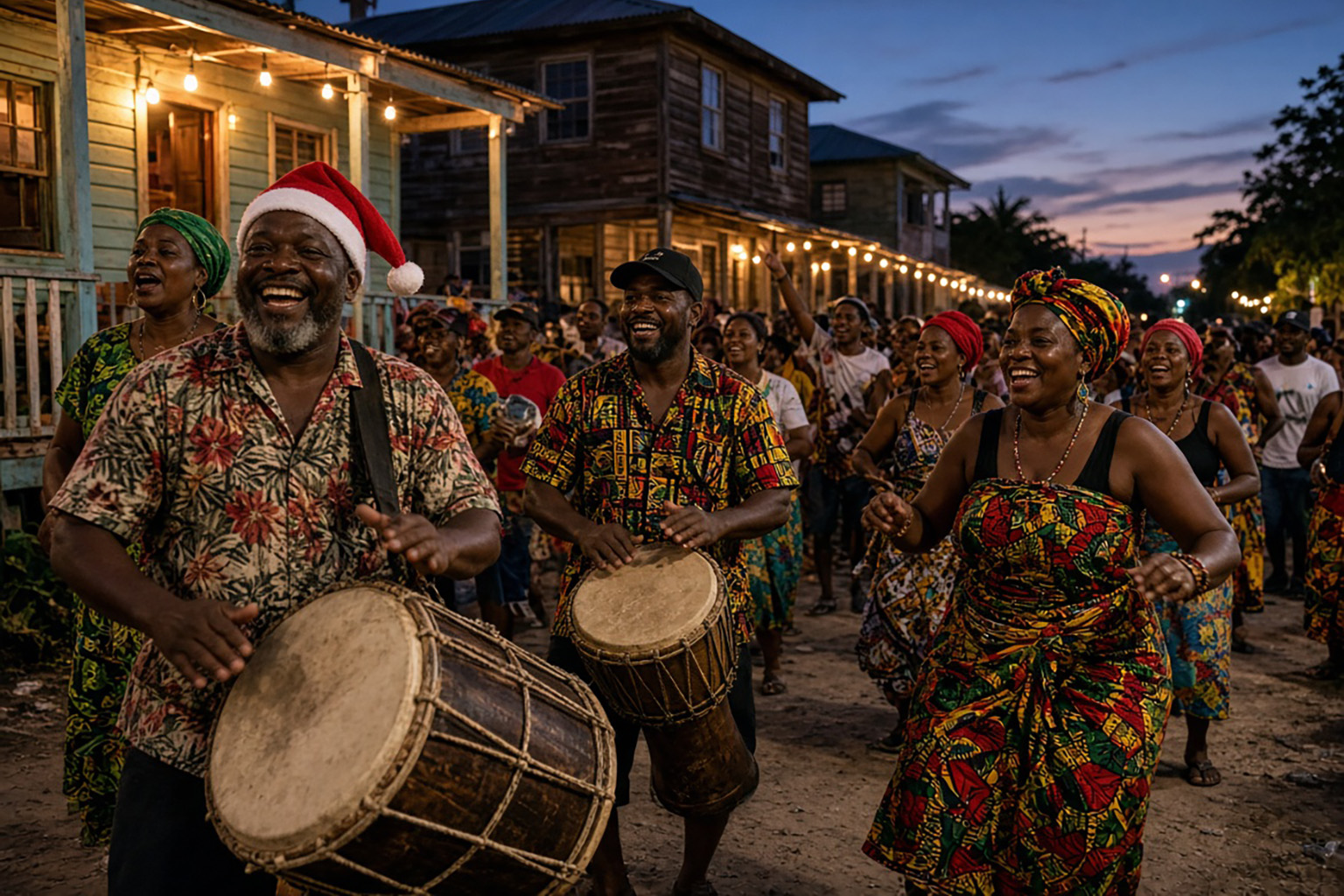
Musicians and dancers celebrating Christmas Bram in Belize.
Then there’s Bram
One of Belize’s more distinctive Christmas traditions is Bram, particularly associated with Creole communities.
In Gales Point Manatee, Christmas Bram involves musicians, singers and dancers moving from house to house while people join in the festivities.
Food, music, and dancing are all part of the celebration. Visitors are generally welcome to join respectfully.
Even more interestingly, Krismos Bram and Sambai were added to UNESCO’s Intangible Cultural Heritage list in 2025, giving these traditions international recognition.
So, Christmas in Belize isn’t simply Christmas with a beach in the background. There are cultural traditions here that are distinctly Belizean.
Christmas in Nicaragua
Nicaragua may have the most surprising Christmas season of the three.
That’s because Christmas isn’t the only major celebration happening in December.
Before you get to Christmas Eve, Nicaragua celebrates La Gritería, a huge religious and cultural celebration associated with the Immaculate Conception.
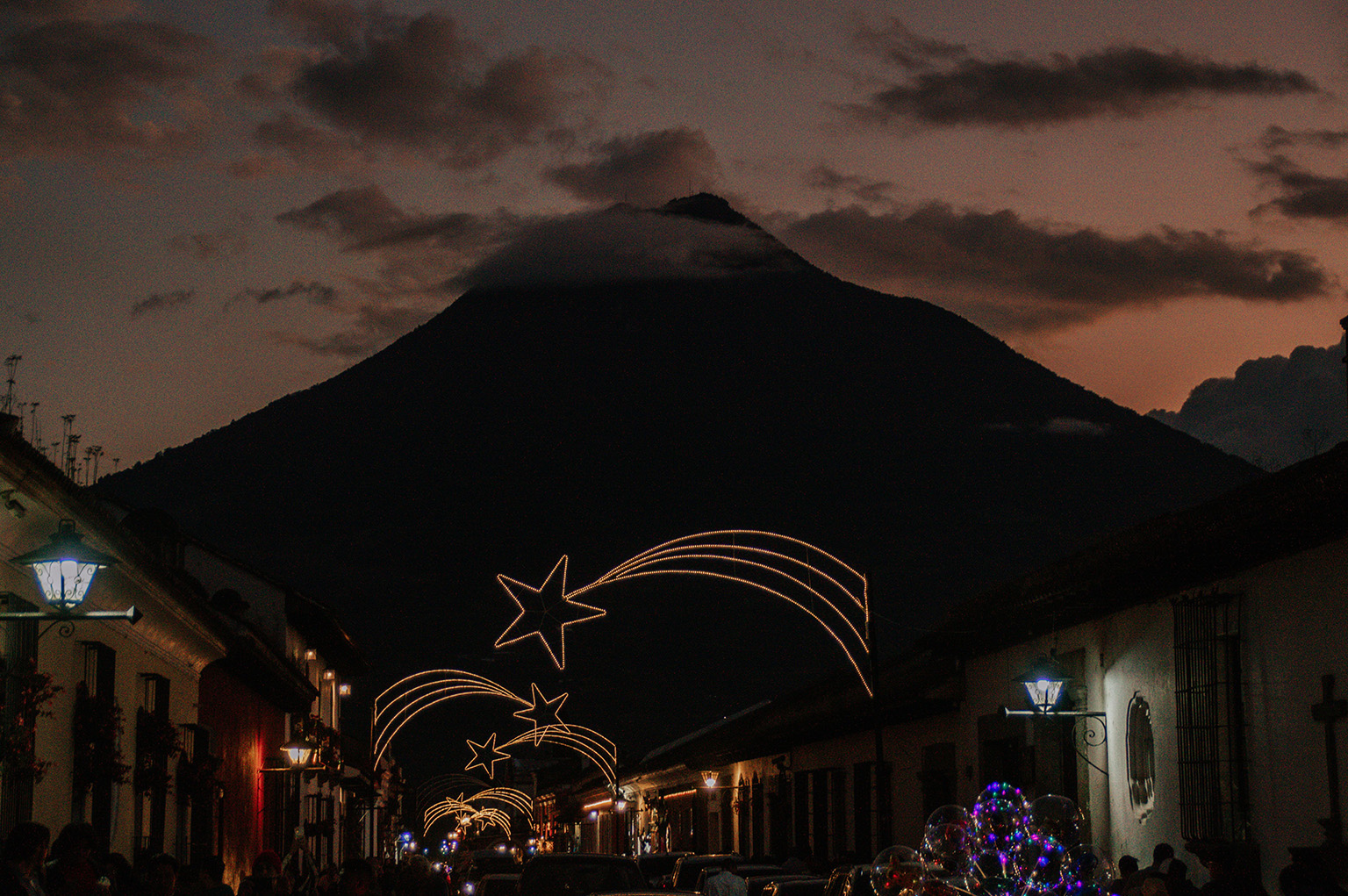
Festive Christmas lights illuminating a street in Nicaragua.
La Gritería gets December started with a bang
It takes place on December 7, particularly famous in León, and involves singing, prayers, decorated altars, fireworks, and people moving from house to house. The tradition originated in León in the 19th century before spreading to other parts of Nicaragua. It is often the high point of a longer Purísimas novena that begins in late November.
And the name gives you a clue about the atmosphere.
There is plenty of noise. Fireworks are an important part of the celebration, and traditional festivities can include giant figures, dancing, and other performances. People visiting altars may also receive traditional treats and gifts.
So, if you’re looking for a quiet, understated December, Nicaragua might not be your first choice.
If you’re looking for energy, tradition, and a very different Christmas-season experience, it’s another story.
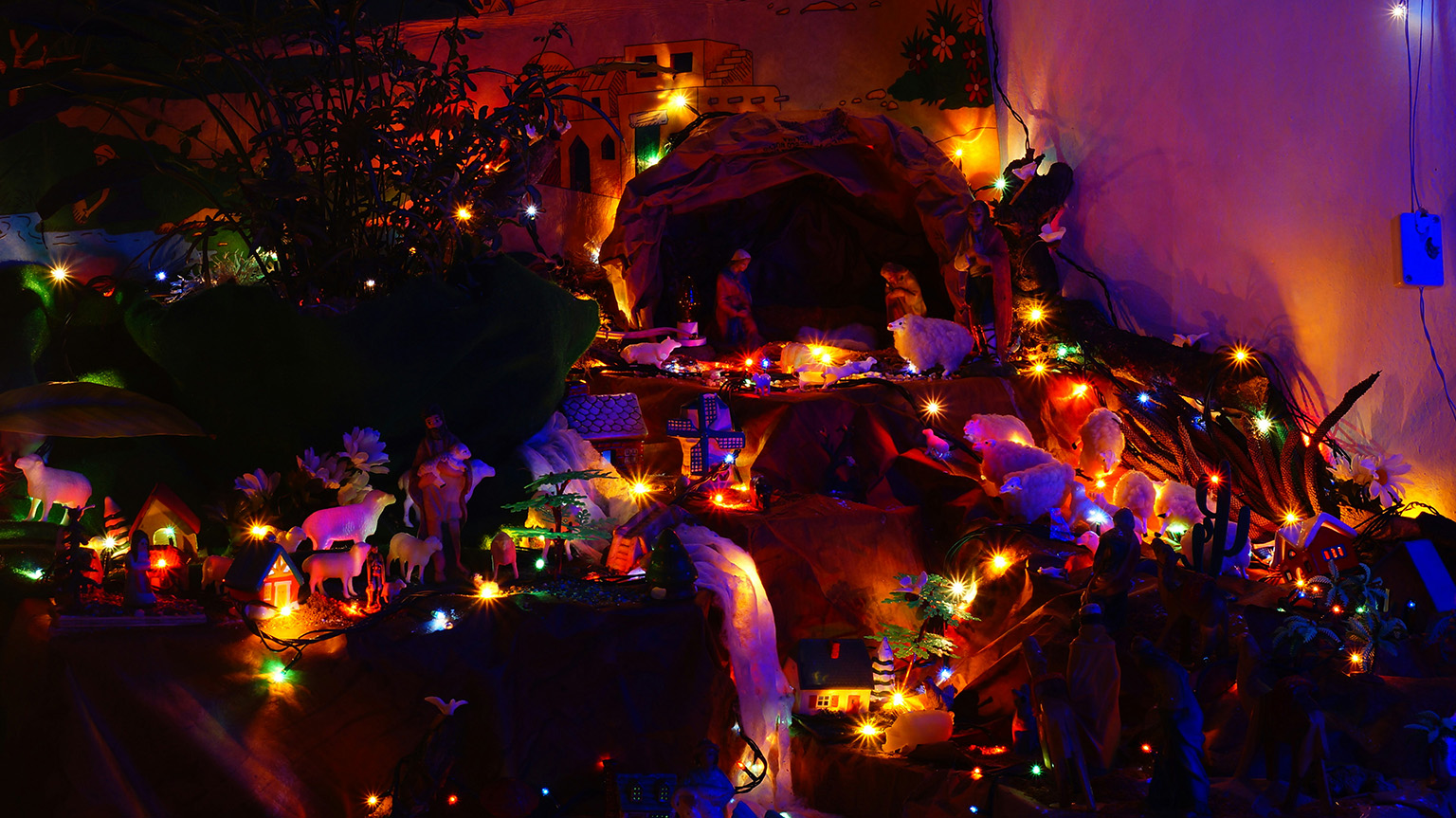
A traditional illuminated nativity scene during the Christmas season.
Christmas Eve in Nicaragua
Christmas Eve, or Nochebuena, is an important family celebration. Families gather for food and festivities, with celebrations often continuing late into the night. Many attend Midnight Mass. As in Paraguay and Belize, Christmas in Nicaragua happens during the warmer part of the year, so outdoor gatherings are perfectly possible.
And fireworks? You probably won’t be surprised by this point. They’re part of the holiday atmosphere in Nicaragua too—loud and widespread, so plan accordingly if you’re sensitive to noise.
Christmas is about more than December 25
One of the things that makes Christmas in Nicaragua interesting is that the holiday season is wrapped into a much broader series of December celebrations.
Nicaragua’s tourism authorities describe December as a season filled with cultural, religious, and gastronomic traditions, beginning with events such as the Purísima and La Gritería before moving into Christmas and New Year’s celebrations.
For an expat, this means December can feel less like a single Christmas Day and more like an entire season of celebrations.
On the table for Nochebuena, you may find nacatamales (large banana-leaf-wrapped corn masa packets filled with pork, rice, and vegetables) and gallina rellena or lomo relleno—stuffed chicken or pork with a sweet-savory mix of raisins, olives, capers and more.
If Nicaragua’s Christmas traditions have caught your attention, there’s plenty more to discover beyond December. Our guide to living in Nicaragua looks at the country as a place to live, from lifestyle to the practical side of settling in.
Christmas Doesn’t Have to Look Like Home
If you’re coming from the United States, Canada or Europe, the biggest adjustment might simply be the weather.
There’s something slightly strange about hearing Christmas music while wearing shorts. But after a while, you might start to wonder why you ever thought Christmas required snow.
In Paraguay, you could be sitting outside on Christmas Eve while fireworks go off around you and the scent of coconut flower drifts from a nearby pesebre.
In Belize, you could combine Christmas traditions with a tropical setting and maybe join a Bram procession.
In Nicaragua, you can experience a December packed with religious celebrations, music, fireworks, and community traditions well before Christmas Day arrives.
And that’s perhaps the most interesting part.
Christmas doesn’t have to look the way you’ve always experienced it. The traditions may change. The food may change. The weather certainly changes. But family, food, music, celebration, and spending time with people you care about seem to travel remarkably well.
A few practical notes for anyone living here for the first time: the fireworks are enthusiastic and can go on for hours, so light sleepers and pet owners may want to plan ahead. The nights are short and warm, so outdoor gatherings are the norm rather than the exception. And most of these traditions—whether it’s visiting pesebres, joining a Bram, or stopping at altars during La Gritería—are welcoming if you approach them with respect and curiosity.
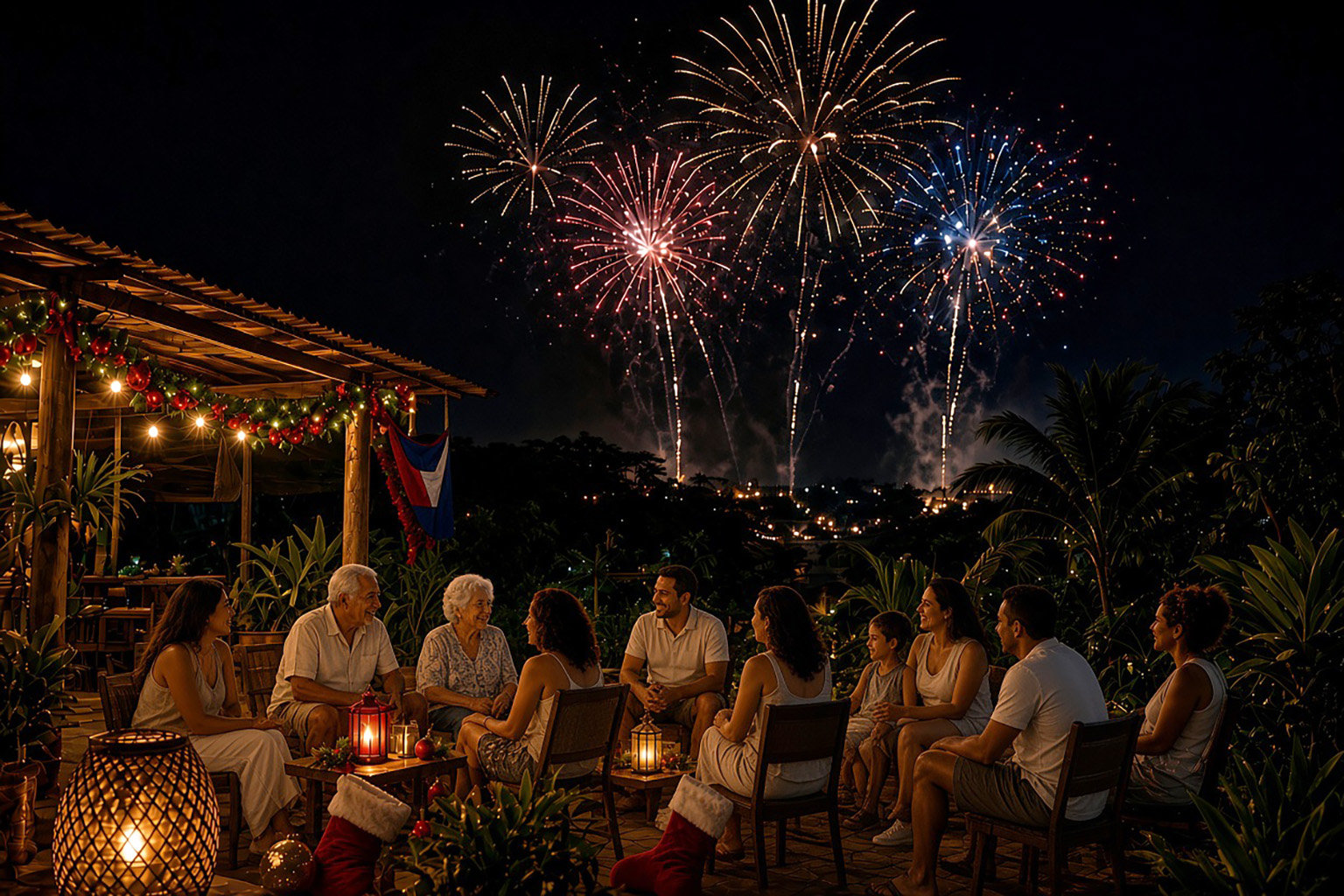
Expats watching Christmas fireworks on a warm evening.
So, Which Christmas Would You Choose?
If you’re curious about Christmas in Paraguay Belize and Nicaragua, the differences are part of what makes celebrating in Latin America so interesting.
If you want a traditional Paraguayan family Christmas with a strong cultural connection to the pesebre, Paraguay could be the one.
If your idea of Christmas involves warm weather, tropical surroundings and a fascinating mix of cultural traditions, Belize is hard to ignore.
And if you want a lively December filled with religious celebrations, fireworks and cultural traditions, Nicaragua offers something quite different.
Personally, we think there’s something pretty appealing about all three.
After all, Christmas doesn’t have to mean scraping ice off your windshield before heading to Grandma’s house. Sometimes it can mean sitting outside in the warm evening air, eating good food and watching fireworks light up the sky.
Not a bad way to spend Christmas!
If spending Christmas in a warm-weather country has you wondering what it would actually take to make Latin America home…
Get our free Latin America Residency Map, it might just give you a few ideas for where you’ll be spending Christmas next year!
✔ No Spam
✔ Instant Access
✔ Free Download