
10 min read
Driving in Paraguay can sometimes teach you something more than road rules. It’s a gentle introduction to the pace and flexibility that defines expat life here — patience over rigidity, going with the flow instead of expecting things to work a certain way. Once that clicks behind the wheel, it tends to click everywhere else too.
……………………………..
Table of Contents
Driving in Paraguay is one of the first real challenges most expats face — and one of the least accurately described online.
If you’re researching what daily life looks like before making the move, this is one of the practical realities that often gets overlooked. For a broader breakdown of lifestyle, costs, and expectations, see our full guide on expats living in Paraguay.
You’ll hear everything from “it’s chaotic and dangerous” to “it’s totally fine once you get used to it.” The truth sits somewhere in between. Road conditions, driving habits, and enforcement can feel unpredictable at first, especially if you’re coming from North America or Europe. But once you understand how things actually work on the ground, it becomes not just manageable — but often surprisingly convenient.
This guide breaks down what it’s really like to drive here as an expat, including road conditions, unwritten rules, safety realities, and what you need to know before getting behind the wheel.
What is driving in Paraguay like?
Driving in Paraguay is generally manageable but requires adjustment. Roads range from modern highways to poorly maintained streets, traffic laws are loosely enforced, and local driving behavior can be unpredictable. Traffic is lighter than in many other countries, though, and with defensive driving and awareness, most expats adapt quickly and drive safely.
The Reality Most Expats Don’t Expect When Driving in Paraguay
The first drive is usually the hardest. Lanes feel like suggestions. Someone merges into a gap that didn’t exist a second ago. An intersection with no clear signal suddenly has two cars entering from angles that don’t match any driver’s ed manual.
The instinct is to read this as chaos — as an absence of rules. It isn’t. It’s a different system, internally consistent once you understand its logic. Once you stop measuring traffic here against a European or North American rulebook, it becomes far less stressful — and, for a lot of expats, eventually even enjoyable.
Understanding Driving in Paraguay: The Core Differentiator
This is the part most guides skip entirely, and it’s the single most useful thing you can understand before you get behind the wheel here.
Driving is fluid and behavior-based rather than strictly rule-enforced.
The core skill isn’t memorizing the traffic code — it’s learning to read intent.
The driver who moves forward with calm, steady confidence is the one who gets through a merge, a busy intersection, a moment with no clear signal.
Aggression looks different here too — it’s less about confrontation and more about constant movement and positioning. It’s certainty, communicated through the car’s movement instead of words.
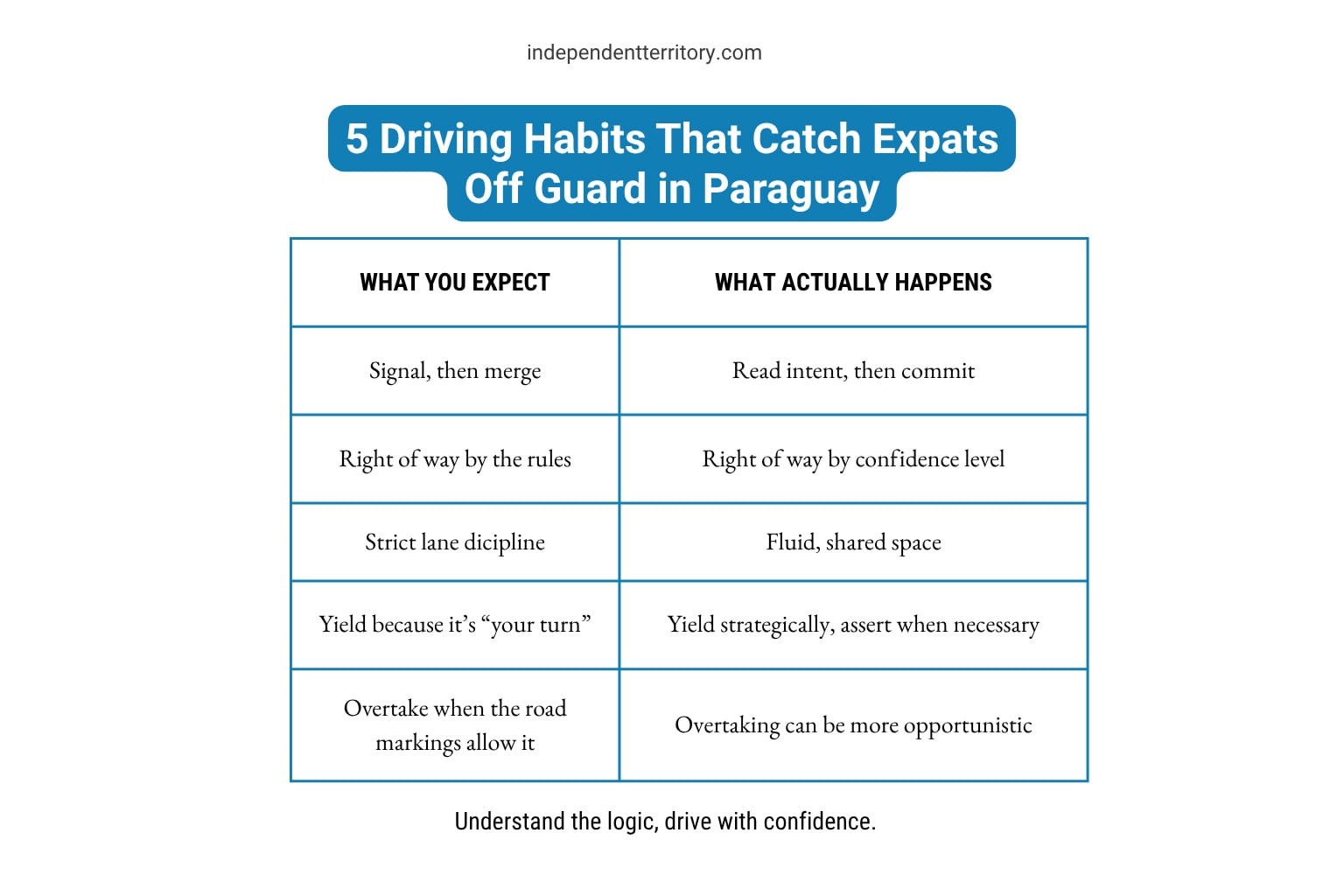
The 5 most common driving habits expats run into in Paraguay.
This trips up a lot of expats because it inverts what they learned back home. In Europe or North America, you signal, you check your mirror, you merge because the rules say it’s your turn.
Try that same move in Asunción and a faster car coming up from behind may simply assume priority anyway — not out of rudeness, but because that’s not how priority works here.
Busy intersections are a common example: expect vehicles cutting in and drivers entering assertively rather than strictly yielding by the book.
It looks like a free-for-all.
It isn’t — it’s a shared, unwritten agreement everyone in the traffic is fluent in except you, for now.
Part of why this system exists: many drivers, particularly outside the major cities, never went through formal instruction on the traffic code, and licenses have historically been issued with minimal or no real testing. The result isn’t recklessness so much as a different baseline of what “normal” driving looks like.
The practical takeaway: observe before you commit, anticipate what the car near you is likely to do, slow down when the situation is ambiguous, and yield strategically — but also be willing to assert your position gently when the moment calls for it. Think of it less as a rulebook and more as a disordered dance. Confidence and flexibility beat theory every time.
Licensing: What You Actually Need to Drive Legally in Paraguay
Before any of the driving logic matters, you need to actually be allowed on the road — and this is where a lot of expat guides get vague.
If you’re visiting or newly arrived, your foreign driver’s license is generally valid for a limited window — commonly cited at around 90 days — provided it’s paired with a valid International Driving Permit. Sort the IDP out before you leave your home country, not after; it’s simple there and a much bigger hassle to arrange once you’re already here.
Once you’ve secured residency and received your Cédula, the requirement changes: you’re expected to convert to a Paraguayan driver’s license. This is handled at the municipal level rather than nationally, so requirements, offices, and fees vary depending on whether you’re in Asunción or a smaller town.
In Asunción, budget roughly G. 240,000–260,000, processed through the Dirección de Tránsito. Some expats with a valid, unexpired foreign license skip the driving exams altogether — exams are typically only required if your license has lapsed or you’re adding a new vehicle category.
Where the process does catch people off guard is the medical paperwork: a blood type certificate and a vision/hearing exam are near-universal requirements alongside the standard documents.
None of this is complicated, but it’s easy to put off — right up until you’re asked for it at a checkpoint. If you’re already working through residency paperwork, handle your license conversion in the same window.
For the full residency process this fits into, see our Paraguay Residency 2026: Ultimate 0% Tax & Permanent Freedom guide.
Not sure yet where in Latin America you’ll actually be doing most of this driving? Our free Latin America Residency Map is a useful starting point for comparing regions before you commit to a location — grab it here.
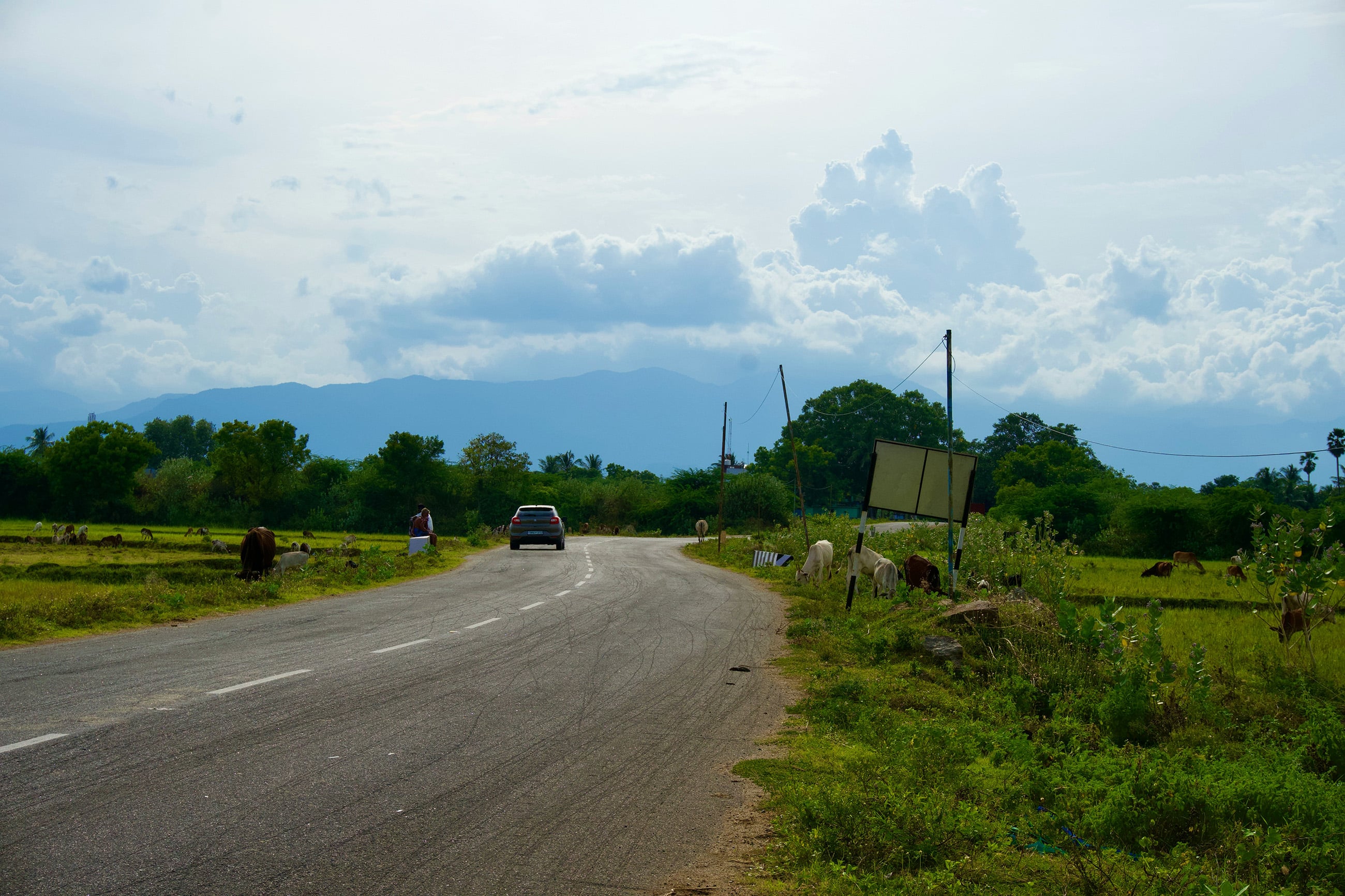
Are the roads in Paraguay actually bad? A look at a typical secondary road.
Are Roads in Paraguay Actually Bad? (Breaking the Myth)
Here’s the myth worth retiring: the roads themselves are, as a whole, in decent shape — sometimes genuinely excellent. The major highways connecting the main cities are well-maintained, and plenty of rural paved roads catch first-time visitors off guard with how good they are.
The reputation problem mostly comes from the cities. Asunción in particular has real potholes and repairs that start and then stall halfway, so city driving often turns into a constant rhythm of stop, swerve, and go. If your only experience is downtown traffic, it’s easy to walk away thinking the infrastructure is worse than it actually is.
Rural and secondary roads are their own category. A perfectly paved road can transition into dirt or gravel with no warning and stay that way for dozens of kilometers. Weather changes everything — dry season brings dust that limits visibility; rainy season can turn the same stretch into a mud trap within an hour.
The real insight isn’t about the roads themselves — it’s your own adaptability. The condition of the pavement isn’t the variable that determines a good or bad drive. Your vigilance is.
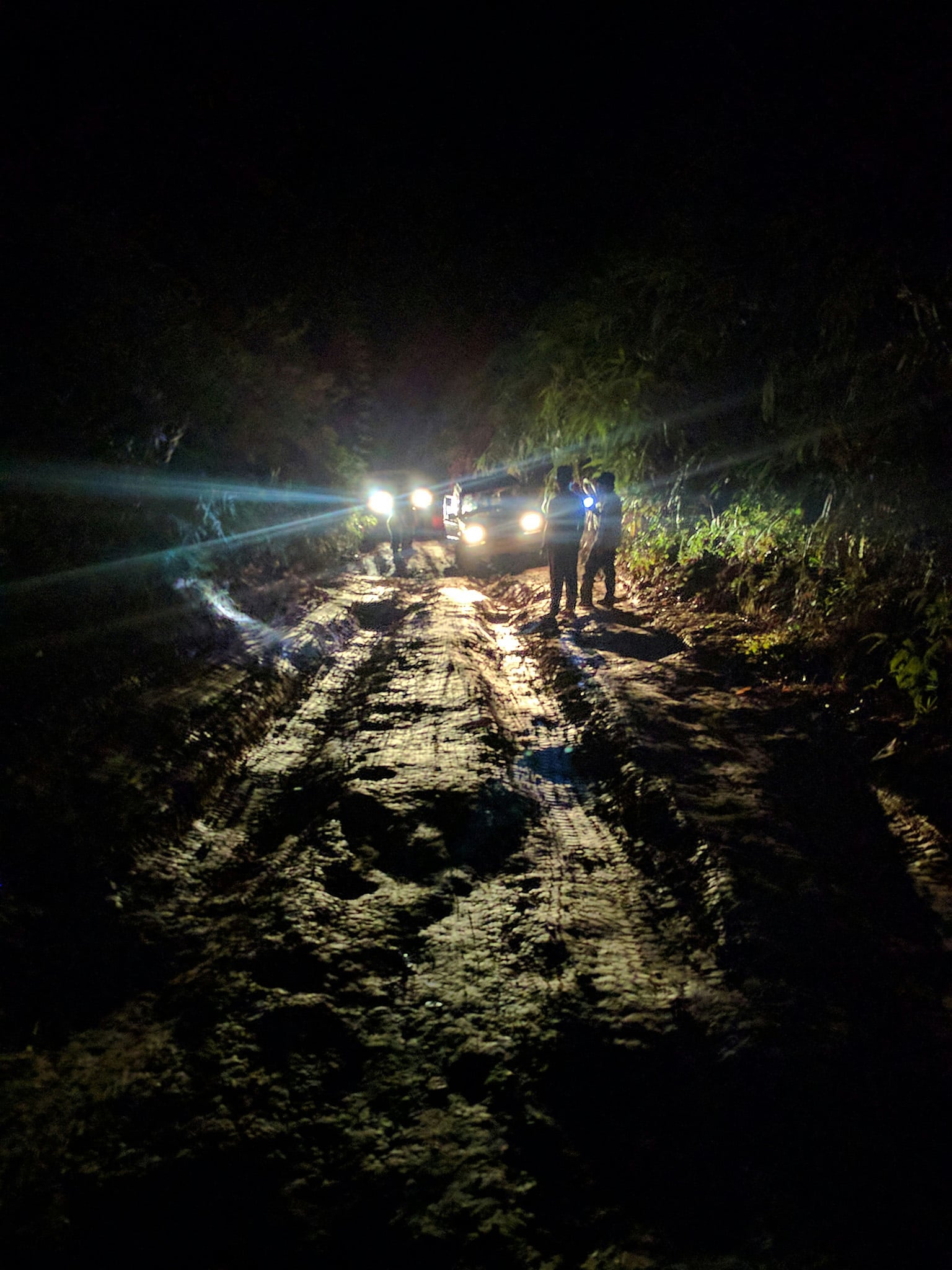
Muddy, potholed roads at night are one of the real hazards of driving in Paraguay.
Real Driving in Paraguay Hazards You Need to Know
These are the hazards that actually show up on a normal drive — everyday things worth watching for, not worst-case scenarios.
Unmarked speed bumps. Locally sometimes called “sleeping policemen,” these appear abruptly with little or no warning. Slow down proactively through any populated area, even briefly.
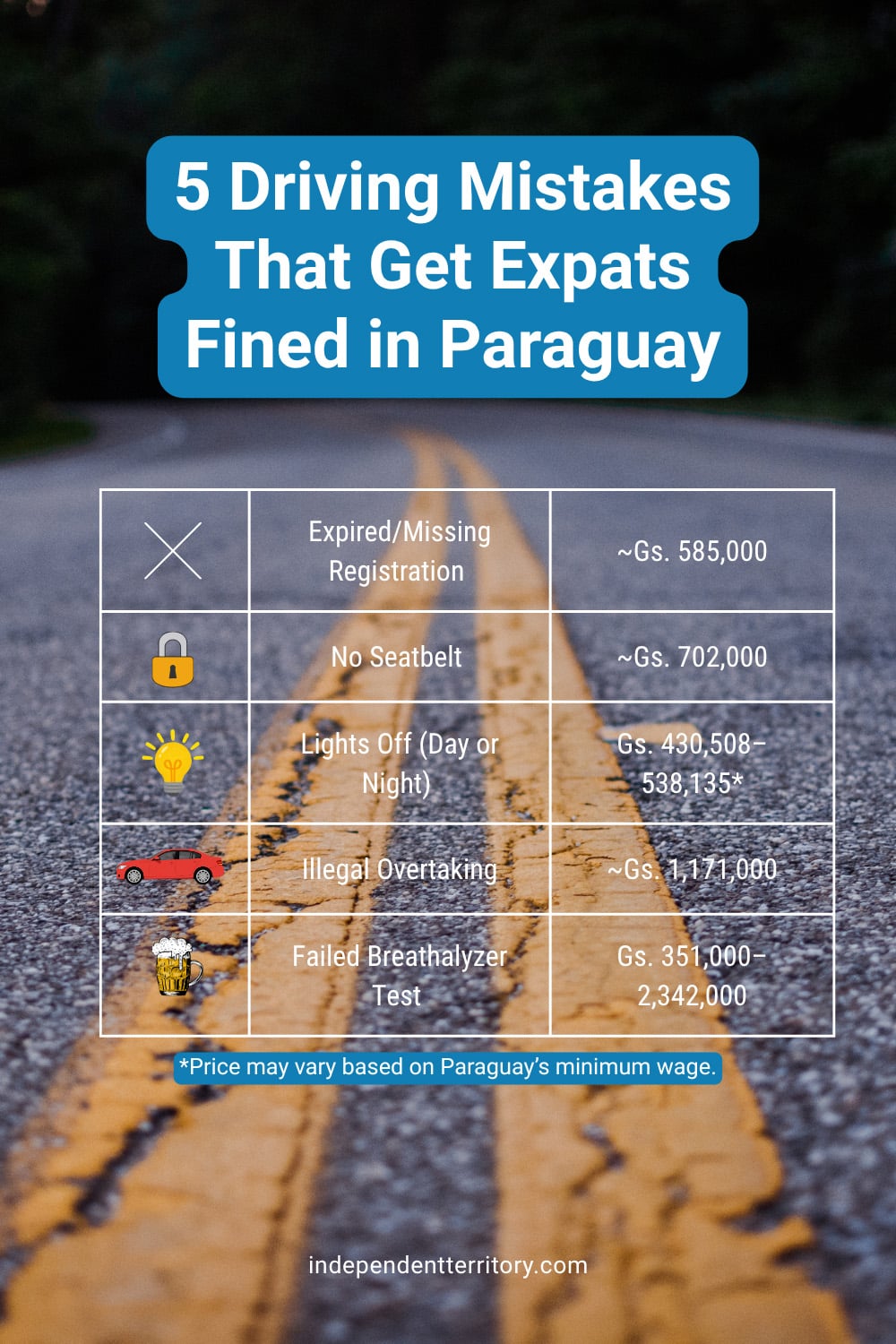
Driving with lights off — including in broad daylight. On national and international routes, lights are legally required 24 hours a day, not just at night. It’s a common surprise for expats and a frequent local ticket too, often simply from forgetting to switch them back on after a stop.
Slow or unpredictable trucks. On major roads, trucks can linger in the passing lane or brake suddenly. Give them more following distance than feels necessary.
Potholes and uneven surfaces. Even main roads can have deep craters demanding constant scanning rather than last-second swerves.
Unpaved rural roads. Mud after rain, thick dust in dry season, paved-to-dirt transitions with no notice.
Animals on the road. Cows, horses, and dogs turn up unexpectedly, particularly rurally or in low light.
Limited signage and poor night visibility. Signs are scarce and lighting minimal outside city centers. Lean on GPS and avoid unnecessary night travel on unfamiliar roads.
Anticipation beats speed, every time. Moderate pace and steady alertness will get you through nearly all of this without incident.

City vs. rural driving in Paraguay: when a 4×4 actually earns its keep.
Traffic Fines for Driving in Paraguay (Simplified)
Fines are calculated in jornales — units tied to the daily minimum wage. The jornal value rose to Gs. 117,077 as of July 2026, and fines increase automatically whenever the minimum wage changes, so treat the figures below as a guide to scale rather than fixed numbers.
| Violation | Jornales | Approx. Cost (Gs.) |
| Expired/missing municipal registration | 5 | ~585,000 |
| No seat belt | 6 | ~702,000 |
| Running a red light / STOP | 15 | ~1,756,000 |
| Illegal overtaking | 10 | ~1,171,000 |
| Speeding 11–30 km/h over | 4–7 | ~468,000–820,000 |
| Speeding 31+ km/h over | 10 | ~1,171,000 |
| DUI — mild to severe | 3–20 | ~351,000–2,342,000 |
| DUI — 0.400 mg/L or above | — | Criminal referral, not a fine |
One nuance worth knowing: the annual registration renewal “sticker” is enforced by Municipal Traffic Police (PMT), not the Patrulla Caminera (Highway Patrol) — a lapsed sticker and a lapsed habilitación (qualification) can involve different authorities. Keeping your seat belt on, your lights on, and your registration current handles most of this before it becomes an issue at all.
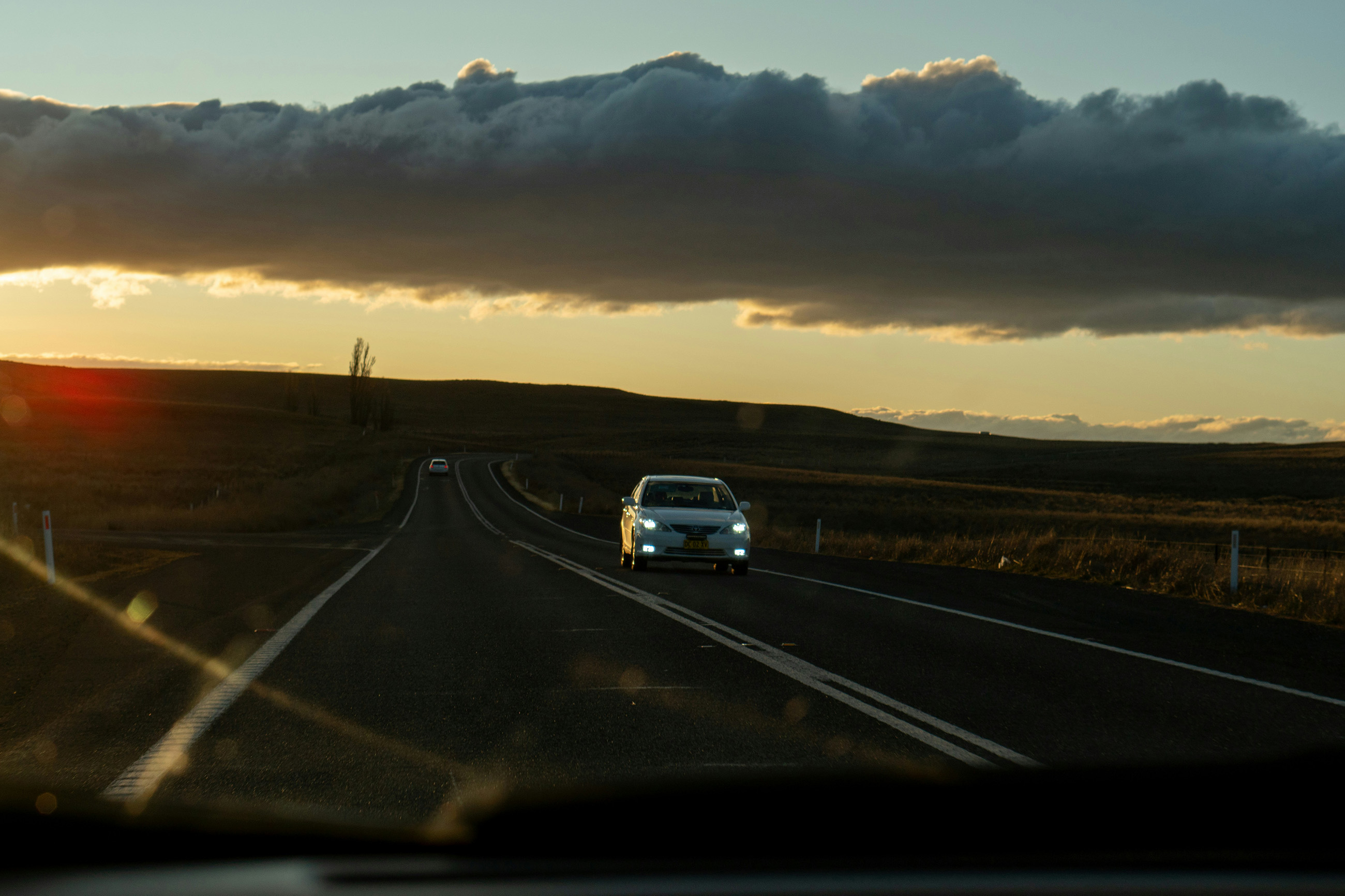
Is driving in Paraguay safe? It depends more on you than the road.
Is Driving in Paraguay Safe?
The honest answer is: it depends less on Paraguay and more on you.
Driving here can be genuinely safe and manageable if you adapt to the local style — staying alert, driving defensively, and treating right-of-way as something negotiated in the moment rather than guaranteed by a sign. Expats who go in expecting flexibility tend to settle in quickly.
Where it feels unsafe is when someone insists on rigid rule enforcement — expecting other drivers to yield because the rules say they should. That mismatch between expectation and reality is where most of the stress comes from, far more than the roads or traffic itself.
Paraguay isn’t any more dangerous than plenty of other places. It just asks something different of you: less rule-following, more situational awareness.
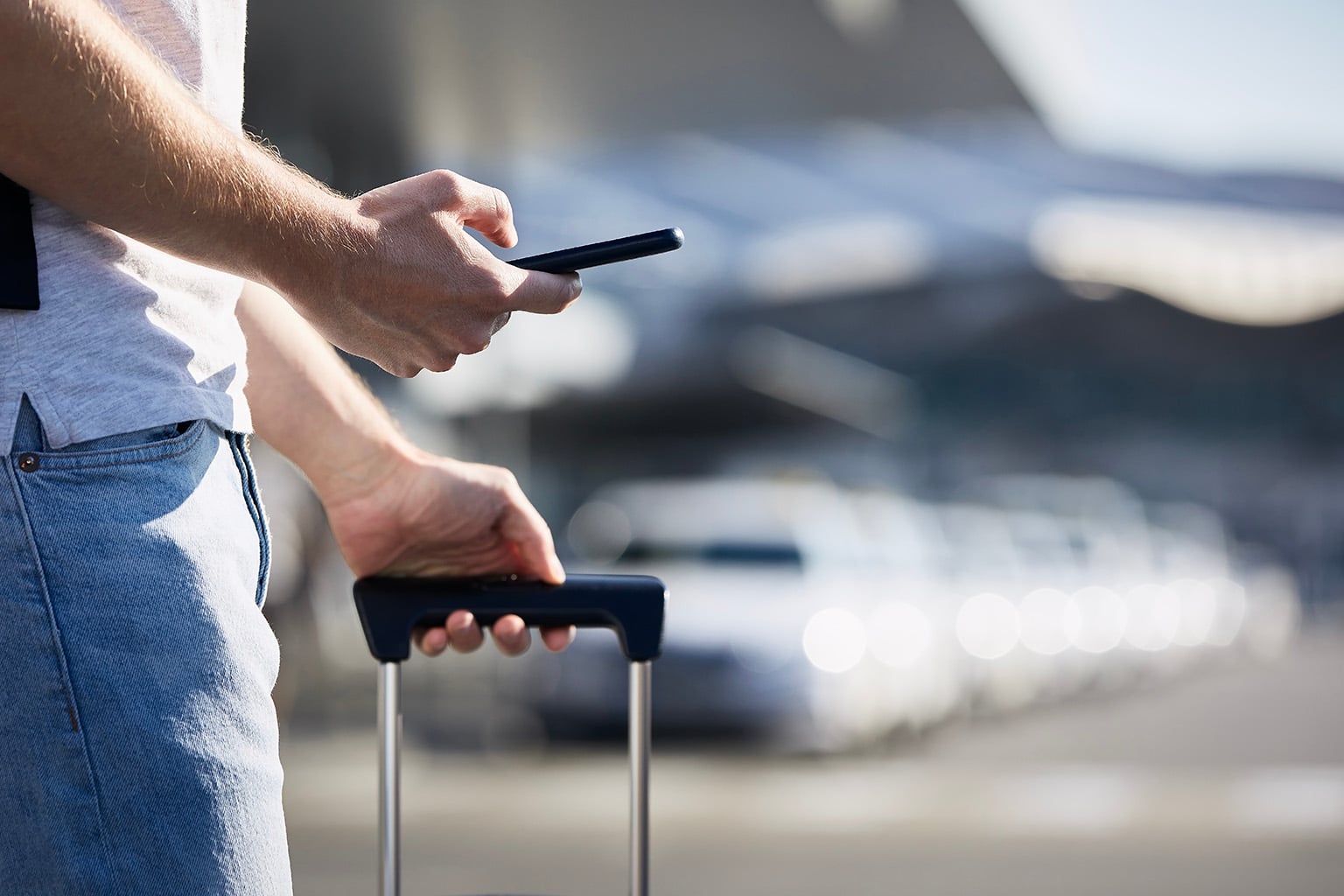
Ride-share apps are a popular alternative to driving in Paraguay.
Should Expats Drive in Paraguay?
This mostly comes down to lifestyle rather than confidence behind the wheel.
Driving makes sense if you want the freedom to explore beyond the capital — national parks, smaller towns, rural stretches ride-share doesn’t reach — or if you’re living outside central Asunción.
Skipping it makes sense too.
Plenty of expats — especially those based centrally in Asunción — happily rely on Bolt, Uber, MUV, and buses and never feel the need to drive at all.
If you do rent, confirm your insurance coverage, and check cross-border validity specifically if a trip into Argentina or Brazil — such as to the Iguazú Falls — is on the horizon.
If you’re weighing locations in Paraguay, our Best Places to Live in Paraguay and the Safest Places to Live in Paraguay guides are worth reading alongside this one.
FAQ: Driving in Paraguay
Can I drive in Paraguay on my foreign license?
Yes, generally for around 90 days, provided it’s paired with a valid International Driving Permit. Once you have residency and a Cédula, you’re expected to convert to a Paraguayan license.
Do I need an International Driving Permit?
Yes — get it before you arrive. Simple in most home countries, a much bigger hassle once you’re already here.
Is Night Driving in Paraguay Safe?
More demanding than dangerous. Signage and lighting are limited outside city centers, and unlit vehicles are more common than you’d expect. Slower speeds and extra caution go a long way.
Do I need a 4×4?
Usually not. A standard car covers the vast majority of driving, including national parks in dry season. Heavy rain is the main exception.
What happens if a police officer asks for money?
It does happen occasionally, mainly on highway stops. Stay calm, ask for an official ticket rather than paying cash on the spot, and take your time.
Can I Bring My Own Car for Driving in Paraguay?
Possible, including under Mercosur’s temporary import provisions, but the rules are nuanced — confirm directly before relying on them.
Final Thoughts & Takeaway
Paraguay isn’t a harder place to drive — it’s a different one. The roads are often better than their reputation, and the real variable was never the pavement. It’s whether you can let go of a rule book that doesn’t apply here and replace it with observation, anticipation, and calm confidence.
Master that shift, and it stops being something to brace for. It becomes just another part of daily life here — which, like most things about life in Paraguay, rewards patience over rigidity. For more on that rhythm, see our Daily Life in Paraguay: A Slower Pace and a Different Way of Living guide.
Still mapping out where you’ll be spending most of your time behind the wheel?
Download our free Latin America Residency Map to compare regions before you commit.
✔ No Spam
✔ Instant Access
✔ Free Download