
12 min read
Nicaragua attracts expats with its low cost of living, relaxed pace of life, and welcoming local culture. For many remote professionals, retirees, and freedom-seekers, the country offers the chance to build a comfortable lifestyle for a fraction of the cost of North America or Europe. At the same time, understanding healthcare in Nicaragua for expats is an important part of evaluating what daily life in the country realistically looks like.
……………………………..
When evaluating healthcare in Nicaragua for expats, most people considering a move want simple answers:
Is the system reliable?
Are hospitals equipped for emergencies?
Will advanced care be available if needed?
The reality is more nuanced.
In Nicaragua, healthcare is defined largely by geography. Urban centers like Managua, León, and Granada offer modern private hospitals, advanced diagnostics, and specialists—often at costs far lower than in North America.
Outside these cities, healthcare access changes. Rural towns, agricultural communities, and coastal areas rely on smaller clinics and nurse-led health posts. Specialists are limited, diagnostics are basic, and complex cases are often referred to major urban hospitals.
This creates a clear urban–rural divide in healthcare in Nicaragua. For a healthy remote professional in León or Granada, access to care may rarely be an issue. For retirees with chronic conditions or families planning long-term residency, location can significantly influence healthcare security and convenience.
This guide explores healthcare in Nicaragua for expats through that urban–rural lens—covering city hospitals, rural clinics, and coastal healthcare gaps—so you can make informed decisions about where to live.
In Nicaragua, healthcare access isn’t just about quality—it’s about where you live.
Table of Contents
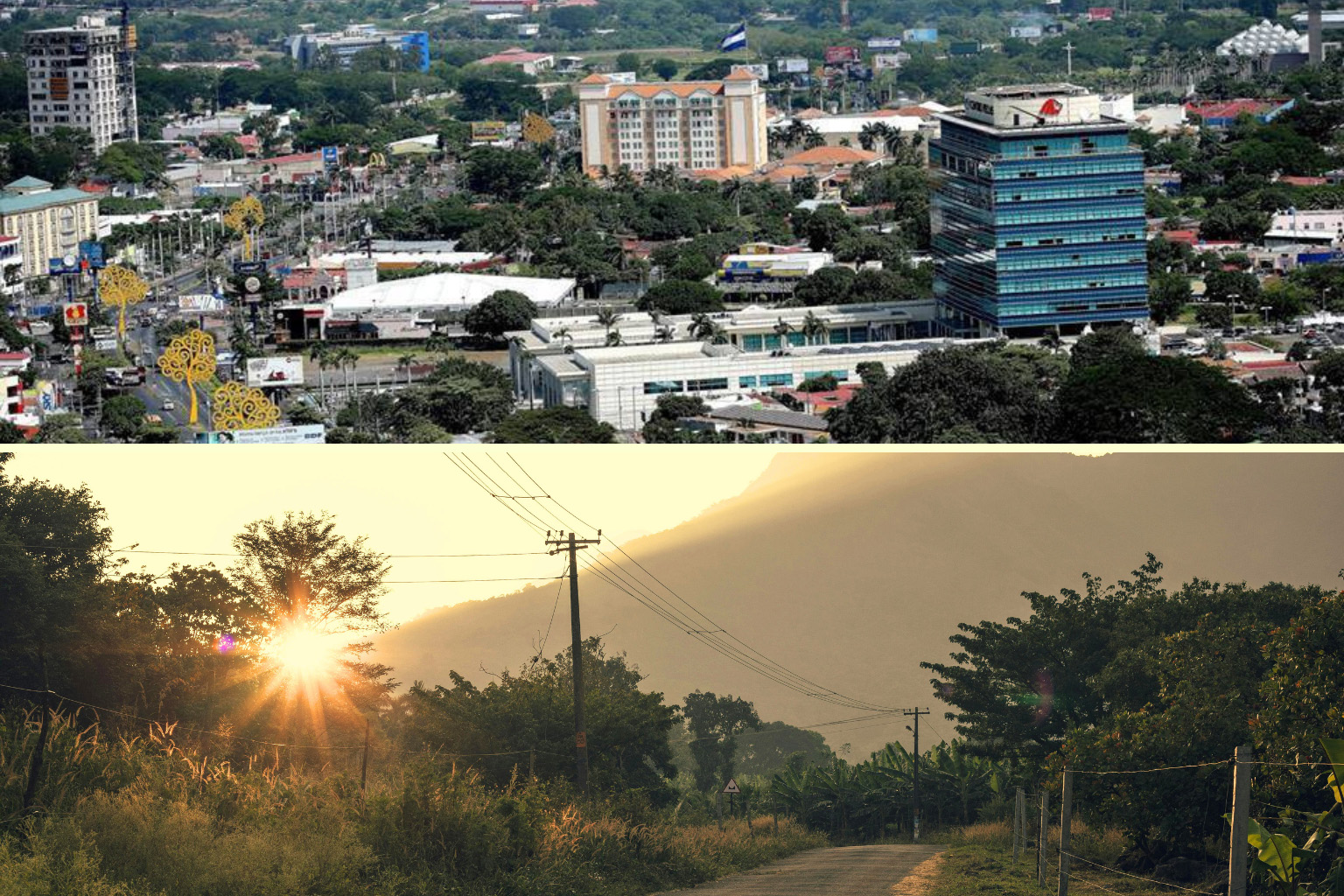
Healthcare access in Nicaragua often reflects the urban–rural divide, with the best medical facilities concentrated in Managua.
How Healthcare in Nicaragua Is Structured
To understand the urban–rural divide in healthcare in Nicaragua, it helps to know how the system is organized. Nicaragua’s healthcare combines a public system, a social security network, and a growing private sector—each shaping access to medical care in different ways. According to the Pan American Health Organization’s Nicaragua health system profile, the country’s healthcare model emphasizes universal access through public services while continuing to expand infrastructure, diagnostic capacity, and preventive care across the national health network.
Public Healthcare System
The public system, managed by the Ministry of Health of Nicaragua, provides free or low-cost care through hospitals, regional centers, and local health posts. Services include:
- Primary care and preventive medicine
- Basic emergency treatment
- Maternal and child health programs
- Vaccinations and community health outreach
These facilities are widespread, especially in smaller towns and rural areas, but advanced diagnostics and specialists are concentrated in cities. Wait times can be longer, highlighting the urban–rural gap in healthcare in Nicaragua.
Global health organizations such as the World Health Organization also note that strengthening primary healthcare networks remains a central strategy across the Americas for improving access and reducing regional health inequalities.
Social Security Healthcare (INSS)
Anyone that contributes to the National social security system can use the Nicaraguan Social Security Institute network, and have access to clinics and hospitals that provide:
- Primary care
- Specialist consultations
- Diagnostics
- Some surgical procedures
For expatriates working in Nicaragua, INSS offers an additional layer of care. Like public facilities, the most advanced INSS services are city-centered.
Private Healthcare Sector
Private hospitals have grown in Managua and other urban hubs, offering shorter waits, modern equipment, and broader specialist access. Facilities such as Hospital Metropolitano Vivian Pellas provide:
- Advanced imaging
- Specialist surgery
- Emergency care
Many expatriates prefer private care for reliability, faster access, and reassurance—especially in major cities—while costs remain lower than in North America or Europe.
Why Specialists Are Concentrated in Cities
Specialists in Nicaragua are based in cities like Managua, León, and Granada because that’s where the infrastructure, equipment, and demand are. Advanced care requires expensive technology—like CT scans, MRIs, and surgical facilities—which are only available in larger urban hospitals.
Specialists also cluster around these hospitals for better pay, career opportunities, and access to ongoing training. On top of that, cities have a higher concentration of patients who can afford private care.
In practical terms, living outside a major city usually means traveling for:
- Advanced imaging (CT scans and MRIs)
- Complex diagnostics
- Specialized surgeries
- Oncology treatment
For expats, this directly impacts where to live—proximity to a city can make access to specialized healthcare far easier.
Referral Patterns to Managua
Managua acts as Nicaragua’s primary medical hub. Complex cases from regional hospitals are often referred to the capital for advanced treatment. This referral system reinforces the urban–rural divide in healthcare in Nicaragua: basic care exists nationwide, but the most advanced resources are city-centered.
Understanding this structure sets the stage for comparing urban and rural healthcare in Nicaragua, helping expatriates weigh location, lifestyle, and access when planning long-term relocation.
Not sure where you can legally stay long-term? Use our Latin America Interactive Residency Map to discover residency pathways across multiple Latin American countries.
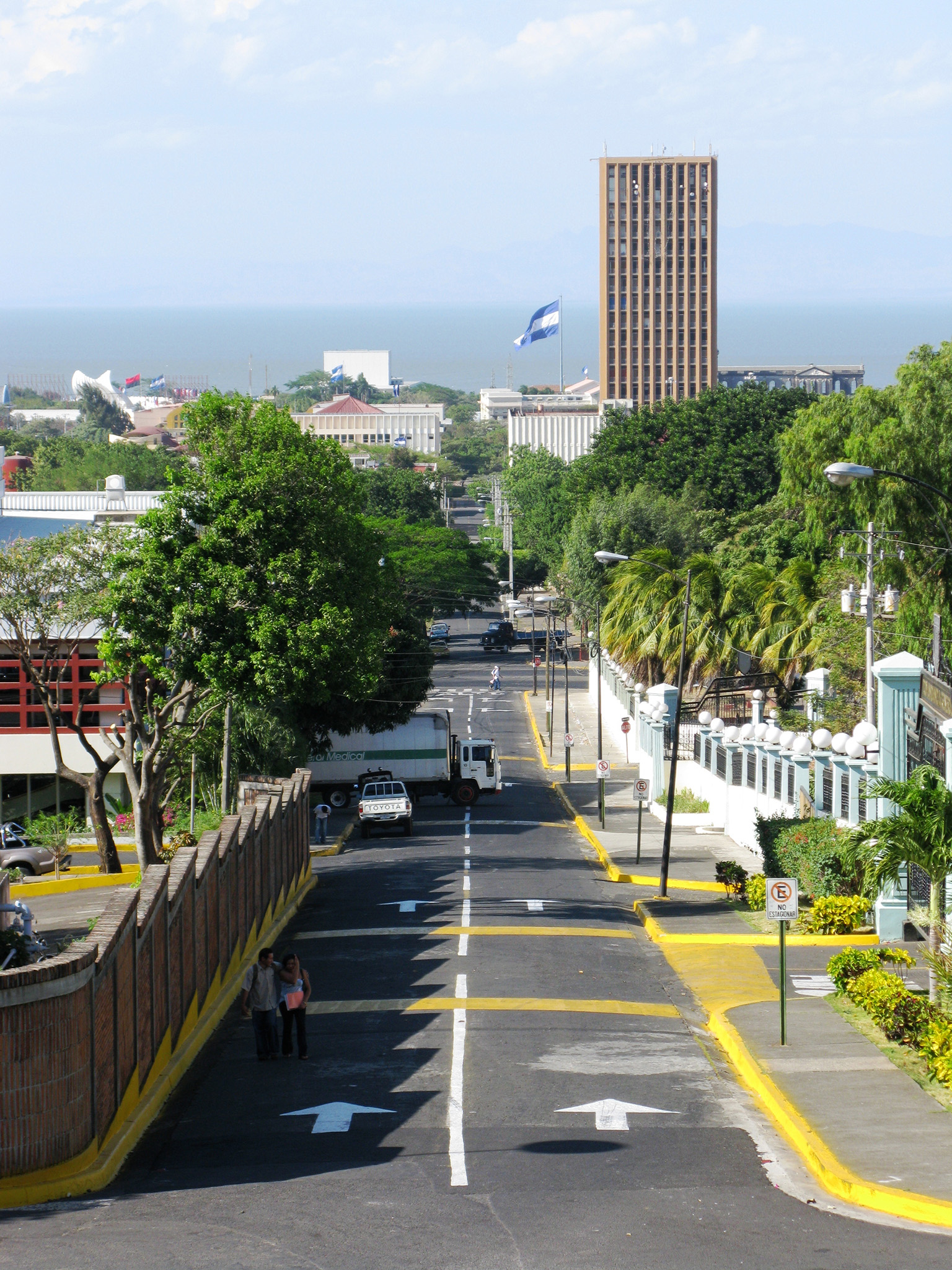
Managua is home to many of Nicaragua’s most modern hospitals and private clinics used by expats.
Urban Healthcare in Nicaragua — What Major Cities Offer
Healthcare in Nicaragua changes significantly in urban centers. Cities like Managua, León, and Granada concentrate the country’s hospitals, medical specialists, and advanced diagnostics.
For expatriates, this urban concentration is one of the most important realities when evaluating healthcare in Nicaragua. Smaller towns provide basic medical services, but specialist care and complex procedures are mostly city-based.
Private Hospitals and Modern Facilities
Most of the private hospitals with modern facilities and specialized access, including Hospital Metropolitano Vivian Pellas. These hospitals offer:
- CT scans and advanced imaging
- Specialist consultations
- Dialysis treatment
- Emergency care
- Private surgical procedures
Many expatriates choose private healthcare in Nicaragua for faster access, shorter wait times, and reliable specialist care—all at a cost lower than in North America or Europe.
Regional Public Hospitals
Urban areas also feature major public hospitals that serve as referral centers. For example, Hospital Escuela Oscar Danilo Rosales in León handles complex cases from surrounding regions. These hospitals provide:
- Emergency services
- Specialist departments
- Surgical care
- Teaching and medical training
While wait times can be longer than in private facilities, regional public hospitals are essential for broader access to healthcare across Nicaragua.
Access to Specialists and Diagnostics
Specialists—such as cardiologists, orthopedic surgeons, and oncologists—are concentrated in cities. Residents living in urban areas have easier access to:
- Advanced imaging and diagnostics
- Specialist consultations
- Dialysis and ongoing treatments
- Private surgical procedures
- Well-equipped laboratories
This concentration makes cities the most practical locations for expatriates who want consistent access to advanced healthcare.
Why Urban Healthcare Matters for Expats
For retirees, families, and long-term expats, proximity to major hospitals provides peace of mind. Urban centers like León and Granada offer a balance of access to healthcare while maintaining a smaller-city lifestyle
When deciding where to live, healthcare access often factors alongside cost of living in Nicaragua.
In short, urban healthcare in Nicaragua provides the most advanced medical services. The further from a major city you live, the more travel and planning may be required for specialist care—making city proximity a key consideration for long-term expats.
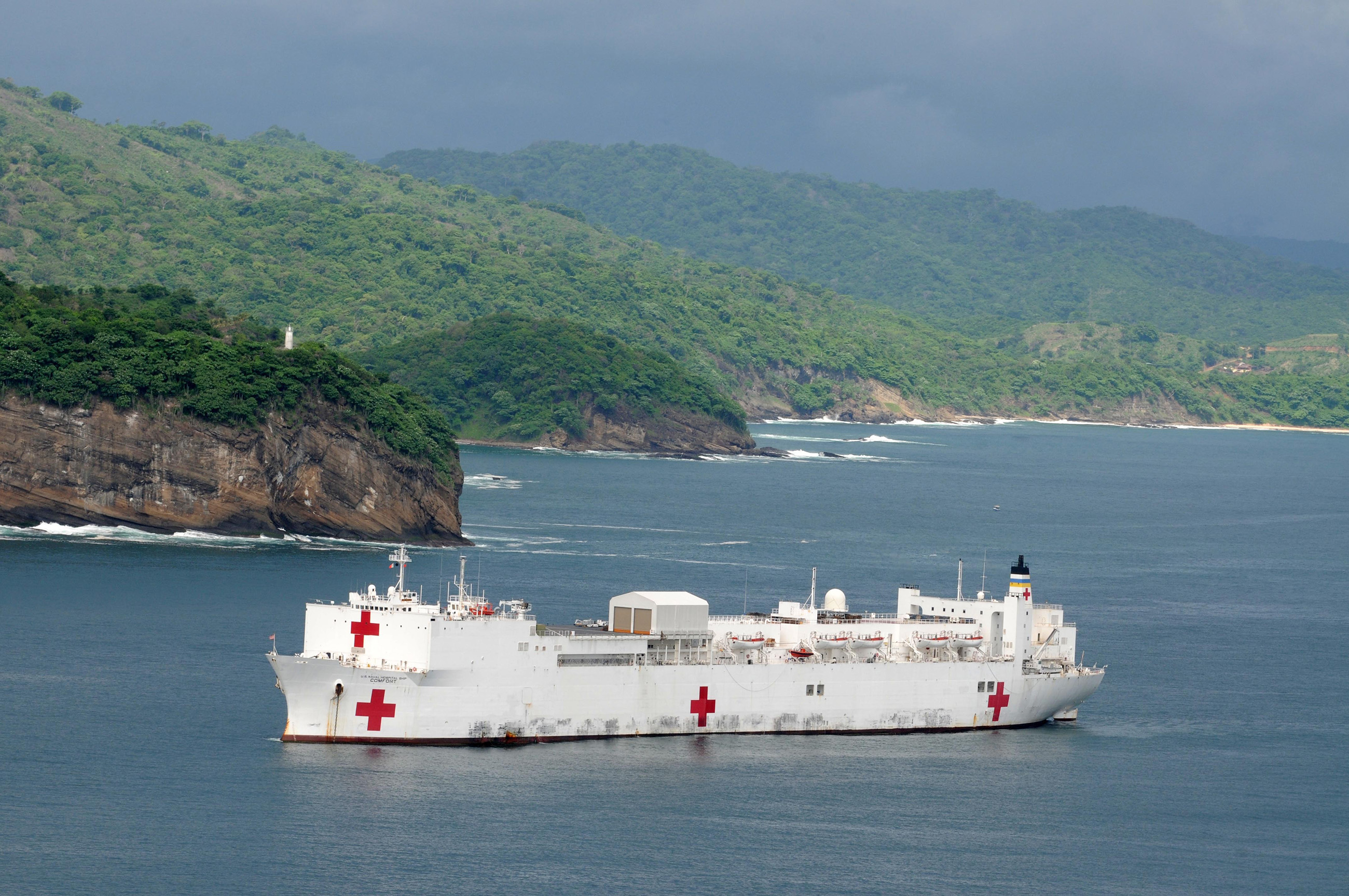
International health initiatives sometimes bring floating medical clinics to remote coastal areas where healthcare access is limited.
If you’re considering a move, explore your options with the Latin America Residency Map to quickly see the requirements for Nicaragua.
Rural & Coastal Healthcare — Where the Cracks Appear
Outside Nicaragua’s urban centers, healthcare access changes significantly. Smaller towns, agricultural regions, and coastal communities rely on basic clinics and nurse-led health posts, providing primary care and preventive services but limited specialist access. International development data from the World Bank highlights that healthcare access in many developing countries often varies significantly between urban and rural areas due to infrastructure, workforce distribution, and transportation barriers.
For expatriates, understanding this reality is essential when evaluating healthcare in Nicaragua for long-term living.
Nurse-Led Health Posts
In many rural areas, the first point of care is a local health post operated by the Ministry of Health of Nicaragua. Staffed by nurses or general practitioners, these facilities handle:
- Basic consultations
- Vaccinations
- Maternal and child health
- Routine checkups
They are effective for everyday health concerns, but advanced diagnostics and specialist treatments are rarely available locally.
Limited Diagnostics and Specialist Access
Smaller towns often lack CT scans, advanced lab testing, and specialist consultations. Patients needing advanced care are referred to regional hospitals or urban centers like Managua, León, or Granada.
This referral system is standard in Nicaragua but can require significant travel for complex care.
Referral Chains and Travel Logistics
Healthcare in rural and coastal areas frequently follows a referral chain: local health post → regional hospital → major urban hospital. For residents living and working remotely in the Corn Islands of Nicaragua—accessing advanced treatment may involve boats, planes, or long road trips. Seasonal weather can further affect travel times.
Mental Health and Specialist Continuity
The cities house most of the Mental health services and long-term specialist care. Psychologists, psychiatrists, and ongoing treatment providers are limited in rural regions, requiring periodic travel for consistent care.
What This Means for Expat Living
For expatriates seeking quieter towns, coastal living, or island life, rural healthcare is functional but requires planning. The difference between city and rural care underscores the urban–rural divide in healthcare in Nicaragua: basic services exist nationwide, but advanced treatment is concentrated in urban hubs.
For those evaluating relocation, it’s worth comparing urban access with lifestyle preferences, alongside other practical factors like safety considerations from Is Nicaragua Safe in 2026?

Rural healthcare facilities in Nicaragua often operate with fewer resources than private hospitals in major cities.
The Reality for Chronic Conditions
The urban–rural divide in healthcare in Nicaragua is most evident for chronic conditions. Routine checkups are generally manageable across the country, but ongoing illnesses that require specialist care, diagnostic imaging, or frequent monitoring make location a critical factor. Health guidance from the Centers for Disease Control and Prevention also encourages travelers and expatriates to understand the availability of medical infrastructure and specialist care when living abroad or in remote regions.
Consider two very different scenarios within the same country:
- A healthy 35-year-old remote professional in León rarely worries about healthcare. León has regional hospitals, private clinics, pharmacies, and specialists, making routine care straightforward.
- A retiree managing heart disease or diabetes on the Corn Islands enjoys a beautiful lifestyle, but advanced care requires travel to the mainland for specialist visits, cardiology appointments, or complex diagnostics.
In both scenarios they live in Nicaragua—but their healthcare realities are strikingly different.
Chronic Care in Urban Areas
Cities such as Managua, León, and Granada provide the most reliable support for chronic conditions, including:
- Cardiologists and other medical specialists
- CT scans, MRIs, and advanced lab testing
- Dialysis and long-term treatment services
- Regular follow-up appointments
- Pharmacies with consistent medication availability
This concentration of services is why many retirees and long-term expats choose to live near major hospitals.
Chronic Care in Rural and Coastal Areas
Outside urban centers, local clinics and nurse-led health posts provide basic care, but specialist continuity is limited. Residents in rural or coastal areas—like San Juan Del Sur —may travel periodically to cities for follow-ups, diagnostics, or treatment adjustments.
For expatriates with chronic conditions, travel logistics become part of everyday planning. Understanding these patterns is essential for long-term relocation decisions.
Same Country, Different Realities
Basic healthcare exists nationwide, but advanced services are city-centered. For younger expats or digital nomads with minimal medical needs, this may not matter. For retirees, families, or those managing long-term conditions, proximity to urban healthcare can significantly affect convenience and peace of mind.
The takeaway: within Nicaragua, healthcare access is shaped as much by geography as by the system itself. Location determines not just lifestyle but practical health security for long-term residents.
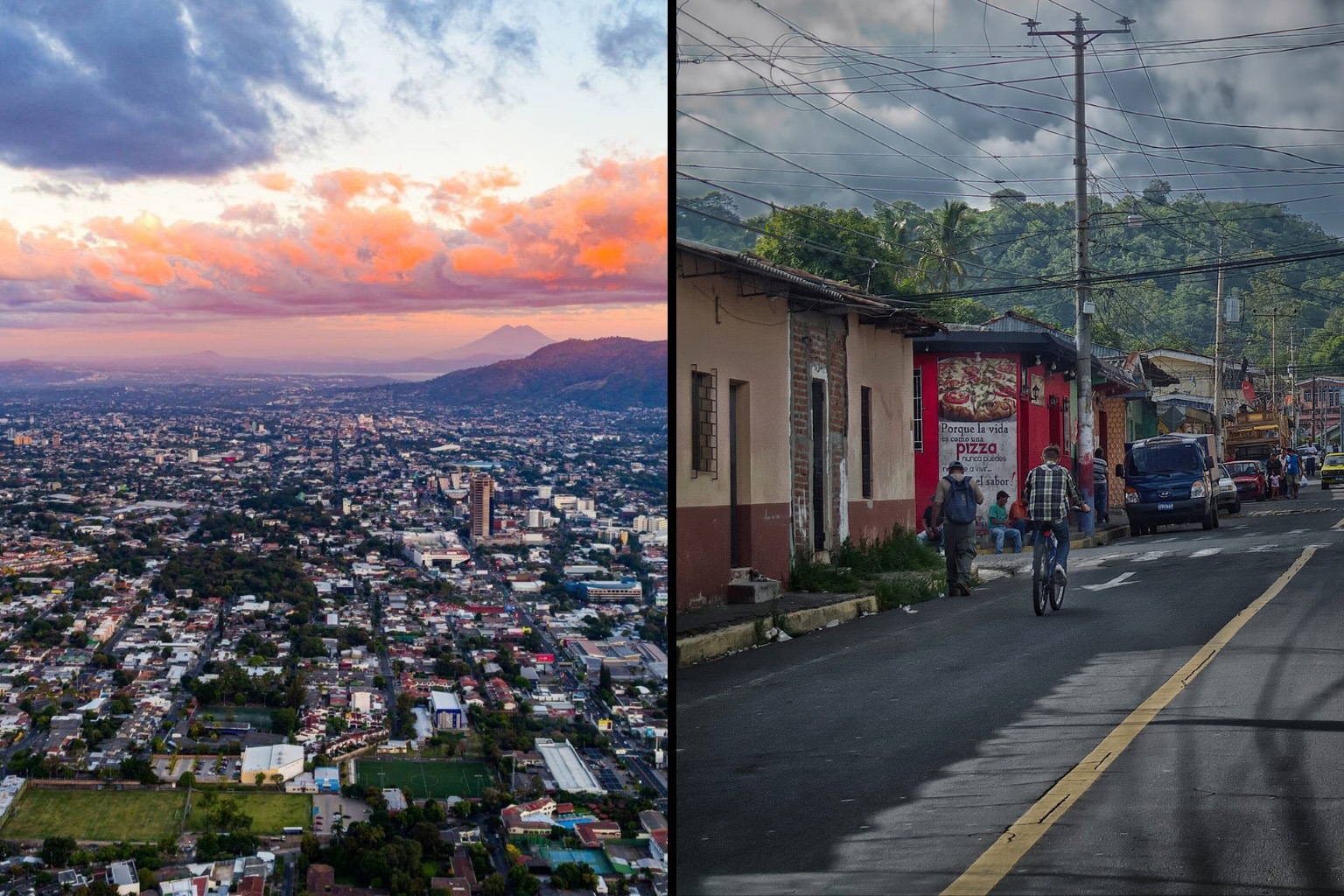
Healthcare in Nicaragua is strongest in urban centers, while rural communities often rely on smaller clinics or traveling medical services.
Final thoughts: What the Urban–Rural Divide Means for Your Location Strategy
The urban–rural divide in healthcare in Nicaragua isn’t just theoretical—it has real implications for where you choose to live. Access to hospitals, specialists, and advanced diagnostics varies widely depending on whether you’re in a city, a small town, or a coastal community.
For expatriates, this difference is less about “should you move?” and more about matching location with your health profile and long-term needs.
Living Near Major Medical Hubs
Urban centers like Managua, León, and Granada offer:
- Shorter travel times to hospitals
- Access to specialists and advanced diagnostics
- Dialysis and private surgical services
- Consistent availability of medications
For retirees, families, or anyone managing chronic conditions, proximity to these cities provides peace of mind and practical convenience.
Lifestyle Locations With Trade-Offs
Smaller towns, rural communities, and the corn islands offer lifestyle appeal—quiet surroundings, coastal living, or a slower pace—but advanced healthcare is limited. Accessing specialist care often requires travel to the mainland or urban hospitals, which is a normal part of life outside city centers.
Aligning Location With Practical Needs
When planning long-term relocation, healthcare access becomes a key factor alongside lifestyle, safety, and affordability. Urban centers provide the most advanced services, while rural and coastal areas require planning for specialist visits or advanced diagnostics.
Comparing cities such as León and Granada can also help you balance access to healthcare with lifestyle preferences.
In Nicaragua, the takeaway is simple: your location shapes your healthcare reality. Choosing where to live is about more than scenery or affordability—it’s about aligning geography with practical health needs for long-term security and peace of mind.
FAQ — Healthcare in Nicaragua
Is healthcare in Nicaragua good for expats?
Yes, but it depends on location. Urban centers like Managua, León, and Granada offer modern private hospitals, specialists, and advanced diagnostics. Rural and coastal areas provide basic care, so location matters for long-term residents.
Do expats use public or private healthcare in Nicaragua?
Many expats combine both. Public hospitals and INSS clinics are accessible, but private hospitals are preferred for shorter wait times, specialist care, and advanced diagnostics—often at costs lower than North America or Europe.
Where are the best hospitals in Nicaragua?
In Managua, the best private hospital is Hospital Metropolitano Vivian Pellas. Major regional referral hospitals, like Hospital Escuela Oscar Danilo Rosales in León, provide advanced care for emergencies and specialized treatment.
Can retirees manage chronic conditions in Nicaragua?
Yes, particularly in urban areas. Most major cities offer reliable pharmacies, cardiologists, and ongoing specialist care. Rural or island living requires planning for travel to urban hospitals for follow-ups and complex treatments.
Is healthcare in Nicaragua affordable?
Yes. Even private hospitals in major cities are significantly more affordable than comparable care in North America or Europe. Medication, diagnostics, and specialist appointments are generally lower-cost while maintaining reasonable quality.
- Downtown street in Managua – the road to the downtown area by Jairo Cajina, CC BY-SA 4.0 Commons
- Avenida Roosevelt by kroonskollektion, CC BY 2.0
Not sure about Nicaragua? Use the Latin America Residency Map to discover residency pathways across multiple Latin American countries.