

10 min read
Peru is a diverse and captivating country that blends rich culture, breathtaking landscapes, and affordable living for expats and digital nomads. From the bustling streets of Lima to the relaxed surf towns along the northern coast, Peru offers options for every lifestyle. We’ll compare coastal towns like Huanchaco vs Máncora that provide the perfect balance of surf, sun, and social connection.
……………………………..
For many freedom-seekers today, the West feels crowded, expensive, and increasingly restrictive. Rising costs, shrinking personal space, and constant noise have people wondering if a better life exists elsewhere. That’s why living in Peru is gaining traction — especially among expats seeking a laid-back coastal lifestyle that still feels connected and affordable.
Unlike overdeveloped tourist hubs in Mexico or Colombia, Peru’s northern coast still feels undiscovered. Towns like Huanchaco vs Máncora offer what most expats are really searching for: walkable beach communities, consistent surf, a slower pace, and a lower cost of living — without sacrificing modern comforts like fiber-optic internet, coworking spaces, and access to fresh, local food.
Peru is culturally rich, naturally stunning, and surprisingly practical as a long-term base. It’s a place where you can surf before breakfast, buy groceries at the market for a fraction of U.S. prices, and still arrive home to reliable Wi-Fi and a strong expat community.
In this guide, we’ll compare Huanchaco vs Máncora, two of Peru’s most appealing coastal towns, breaking down cost of living, lifestyle, safety, housing, and community — so you can decide which beach town could be your next home away from the West.
Table of Contents
Huanchaco vs Máncora: Who Each Town Suits Best
When deciding between Huanchaco vs Máncora, the best choice depends on the lifestyle you want. Both towns have surf, sun, and a slower pace than big cities—but their personalities and communities differ dramatically. Here’s a quick overview:
| Feature | Huanchaco | Máncora |
| Vibe | Chill, laid-back, authentic surf town | Party-oriented, lively, touristy |
| Population | ~35,000 locals | ~15,000 locals (swells in high season) |
| Crowds | Quiet, even during holidays | Very busy during Peruvian vacation periods (Dec–Mar) |
| Expat Community | Long-term residents, families, freedom-seekers | Short-term digital nomads, younger travelers, surfers |
| Popular With Peruvians | Weekenders from Trujillo; surfers seeking calm | Beachgoers from Lima; nightlife seekers |
| Best For | Those wanting slower life, community, long-term stay | Those seeking social scenes, nightlife, and active surf culture |
Huanchaco is perfect if you want a slower pace, a tight-knit expat community, and quiet surf days. Its charming streets, local markets, and traditional reed-boat culture make it ideal for long-term living.
Máncora, on the other hand, is bustling and touristy, with vibrant nightlife, beach bars, and an international crowd of digital nomads and young travelers. If you thrive in a social, high-energy environment, this northern hotspot might be the better fit — just be ready for a more crowded experience during peak season.
🧭 Curious if you qualify to live in Peru long-term? Explore your options with our FREE Latin America Residency Map.
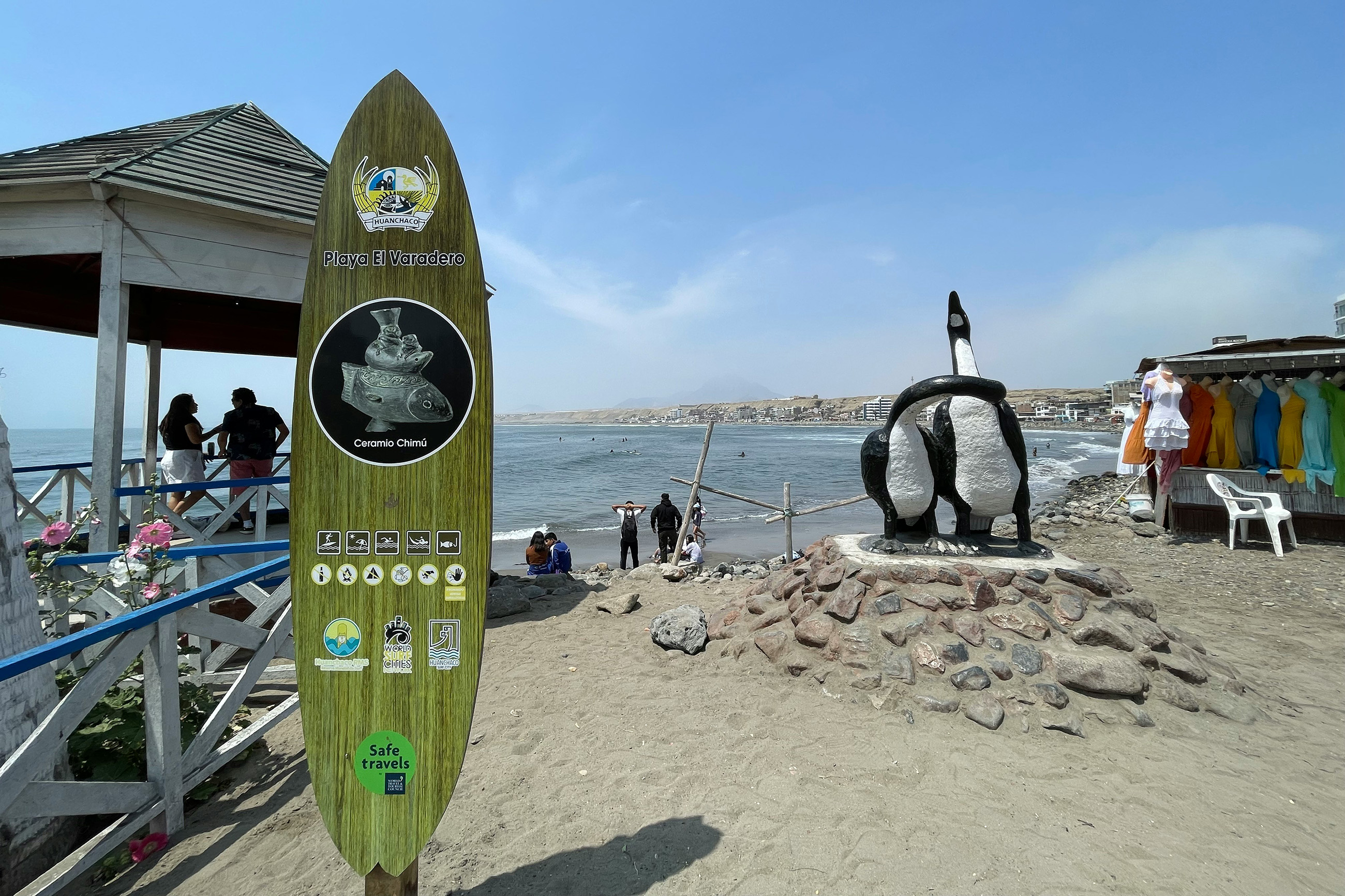
Huanchaco — Peru’s official World Surfing Reserve.
Cost of Living Breakdown: What Life Costs in Each Surf Town
When comparing the cost of living in Huanchaco vs Máncora, you’ll find differences in rent, groceries, and lifestyle that reflect each town’s popularity and amenities.
One of the biggest draws of Peru’s coastal surf towns is their affordable lifestyle, especially compared to North America or Western Europe. While both Huanchaco and Máncora are cheaper than major Peruvian cities, their costs reflect differences in popularity, amenities, and local demand.
| Expense | Huanchaco | Máncora | Notes / Resources |
| Small Apartment (1BR) | $200–$350 USD/month | $300–$500 USD/month | Links: Numbeo Peru, Expatistan Peru |
| Beachside House Rental (2–3BR) | $400–$700 USD/month | $600–$1,000 USD/month | Vacation-season spikes in Máncora |
| Groceries (monthly, 1 person) | $120–$180 USD | $150–$220 USD | Local markets cheaper than supermarkets |
| Dining Out (meal at inexpensive restaurant) | $2–$4 USD | $3–$6 USD | Seafood slightly higher in Máncora |
| Utilities (electricity, water, internet) | $40–$70 USD | $50–$90 USD | Internet speed can vary—see next section |
| Transportation (local bus / mototaxi) | $10–$20 USD | $15–$30 USD | Mostly optional if living near the beach |
Key Takeaways:
Huanchaco remains the more affordable option for long-term expats, particularly if you want a small apartment or a quiet beachside home.
Máncora is pricier, especially during Peruvian vacation periods (December–March) when short-term rentals and services spike in cost.
Both towns allow a comfortable, freedom-focused lifestyle for around $700–$1,200 USD/month for a single expat, depending on housing choice and lifestyle.
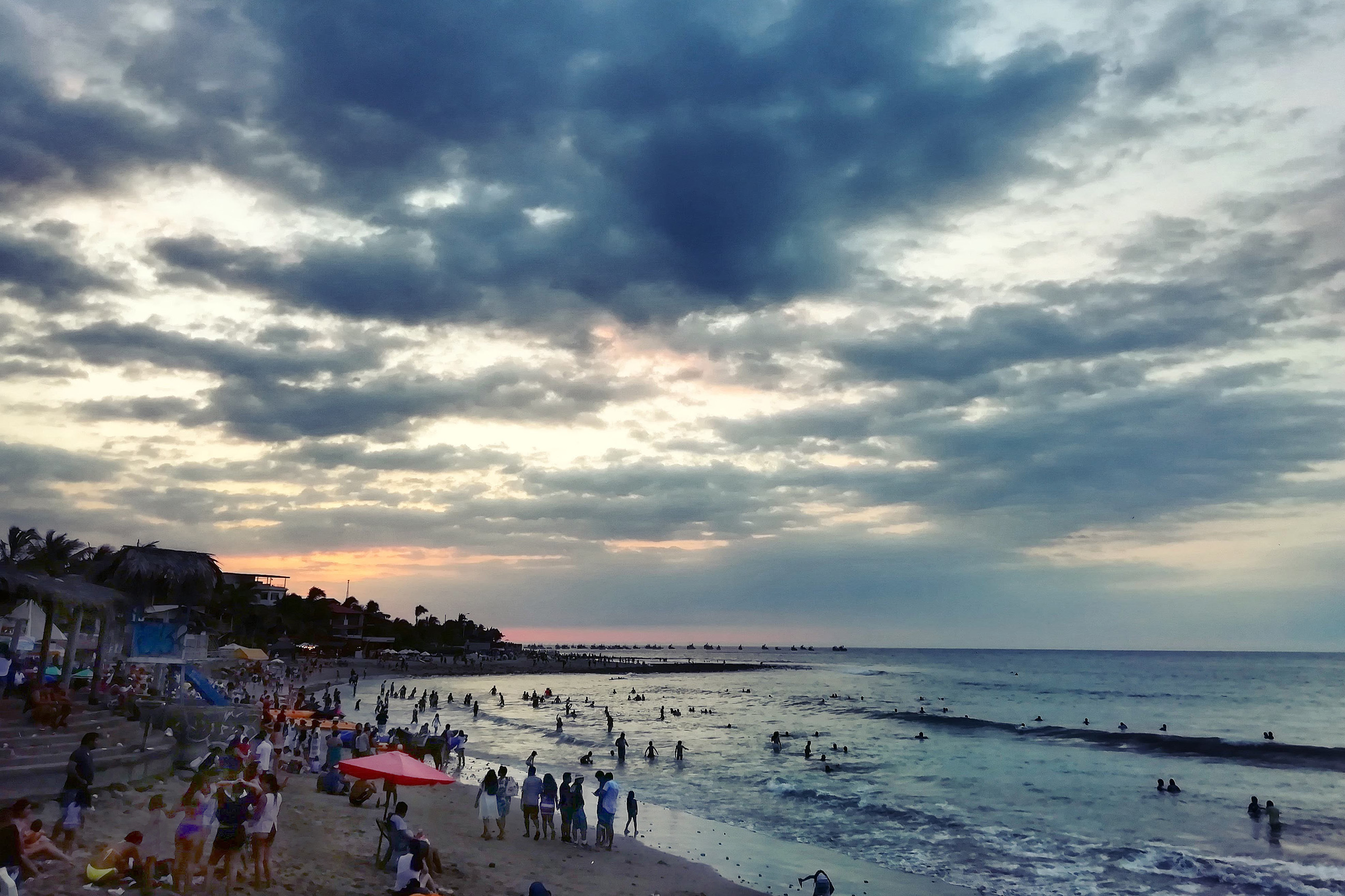
Máncora transforms from a daytime surf town into an active nightlife hub—photo by Melissamarzo, CC BY-SA 4.0, via Wikimedia Commons.
Lifestyle & Community: Huanchaco vs Máncora compared
Choosing between Huanchaco vs Máncora isn’t just about cost — it’s about the daily lifestyle you want on Peru’s northern coast. Both towns offer surf, sun, and coastal freedom, but their communities and local vibes are very different.
Huanchaco is a chill, authentic surf town. Weekends are quiet compared to the party-driven northern beaches, and long-term expats appreciate the slower pace, strong sense of community, and easy access to traditional Peruvian culture. Local markets, artisanal shops, and the famous reed boats along the shore create a rich, authentic experience. Most Peruvians visiting Huanchaco are from nearby Trujillo, seeking calm beach time rather than nightlife — perfect for freedom-seekers who want space to breathe.
Máncora, in contrast, has a high-energy, tourist-driven vibe. The town comes alive in high season with beach bars, nightlife, and an international crowd of surfers, travelers, and digital nomads. If you thrive on social energy, networking, and meeting fellow adventurers, Máncora delivers — though this also means more crowded beaches and higher short-term costs during peak months.
Community Size & Connection:
Huanchaco: smaller expat population, easier to form lasting relationships, slower pace of life
Máncora: larger transient crowd, perfect for social surfers, but long-term community is smaller.
Surf Life & Activities:
Huanchaco: gentle waves, ideal for long sessions and daily routine
Máncora: bigger surf, more excitement, popular with younger surfers
Choosing between Huanchaco vs Máncora comes down to whether you want a quiet, community-centered coastal life or a lively, social, surf-adventure hub.
Both towns offer freedom, affordability, and a strong connection to nature — it’s just a matter of which vibe fits your lifestyle.
🧭 Thinking of moving and working in Peru? Check your residency options with our free Map
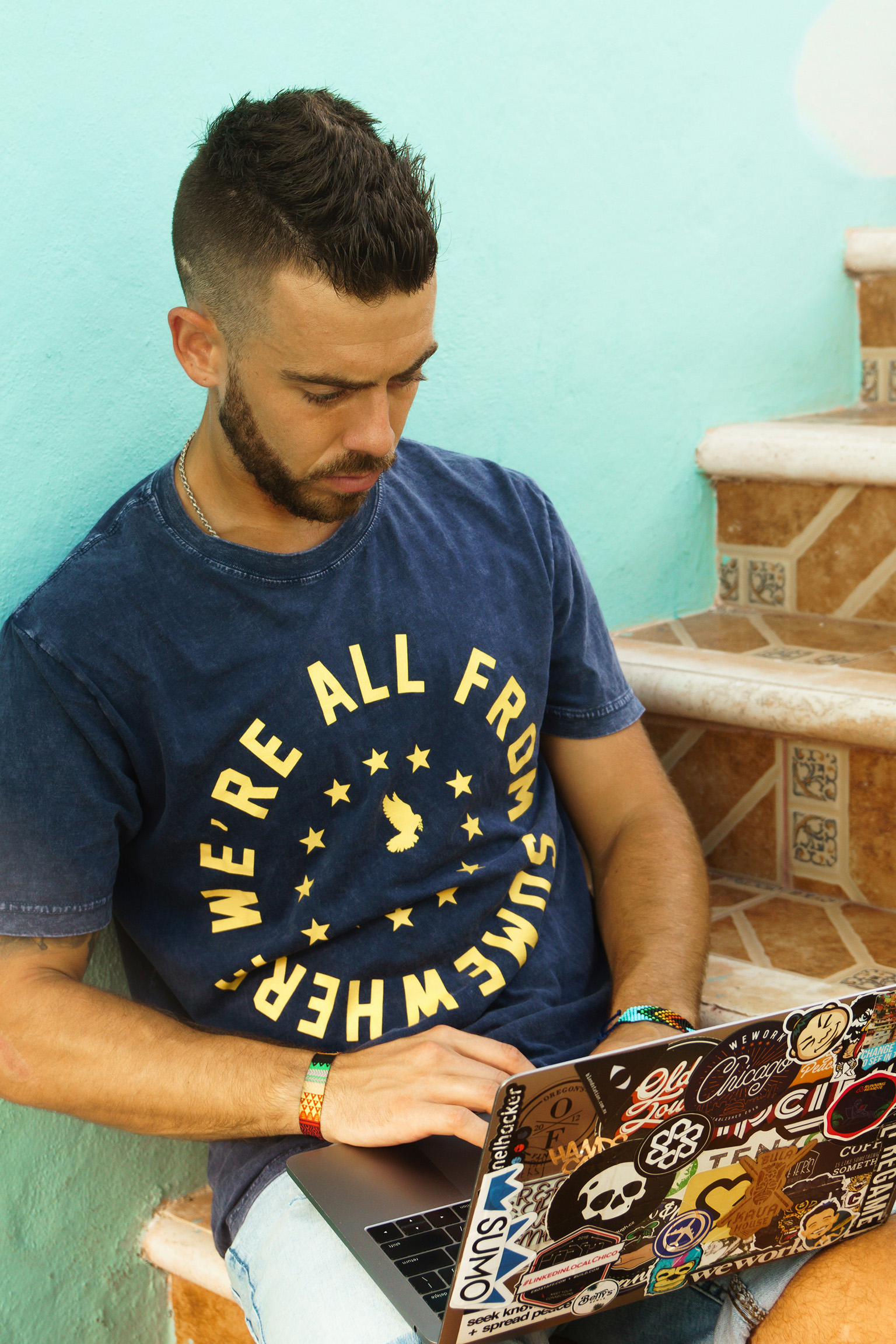
Remote work—Peru’s surf towns are surprisingly work-friendly.
Internet, Infrastructure & Remote Work Essentials
If you plan to work remotely, understanding Huanchaco vs Máncora internet and infrastructure is key to choosing your base For many expats, the ability to stay connected while living a relaxed coastal lifestyle is crucial.
Whether you’re a digital nomad, remote worker, or simply want reliable internet for everyday life, understanding the infrastructure differences between Huanchaco vs Máncora can make a big difference.
Internet & Connectivity:
Huanchaco: Offers moderate internet speeds in most apartments and homes. Fiber connections are less common, but 10–20 Mbps is typical, enough for remote work, video calls, and streaming. Some cafes and coworking spots provide faster connections, and mobile data is widely available.
Máncora: Internet is generally faster in town due to more investment in tourist infrastructure, with 20–40 Mbps typical. Coworking spaces and cafés cater to digital nomads, but during peak tourist season, bandwidth can slow down.
Utilities & Services:
- Both towns have reliable electricity and water, but power outages can occur occasionally, particularly during storms in Máncora.
- Mobile coverage is good, and SIM cards with prepaid data are cheap and easy to obtain.
Remote Work Considerations:
- Huanchaco: Best for those seeking a quieter, distraction-free environment for remote work. Community hubs exist, but they’re more suited to long-term expats who value routine and stability.
- Máncora: More social infrastructure for remote workers — coworking spaces, cafes with Wi-Fi, and a network of international digital nomads. Ideal if you want work plus social networking
Tip for Freedom-Seekers: Reliable connectivity in these towns allows you to live far from the chaos of the West while keeping your professional life intact. Choosing the right town depends on whether you prioritize peace and quiet (Huanchaco) or social energy and networking opportunities (Máncora).
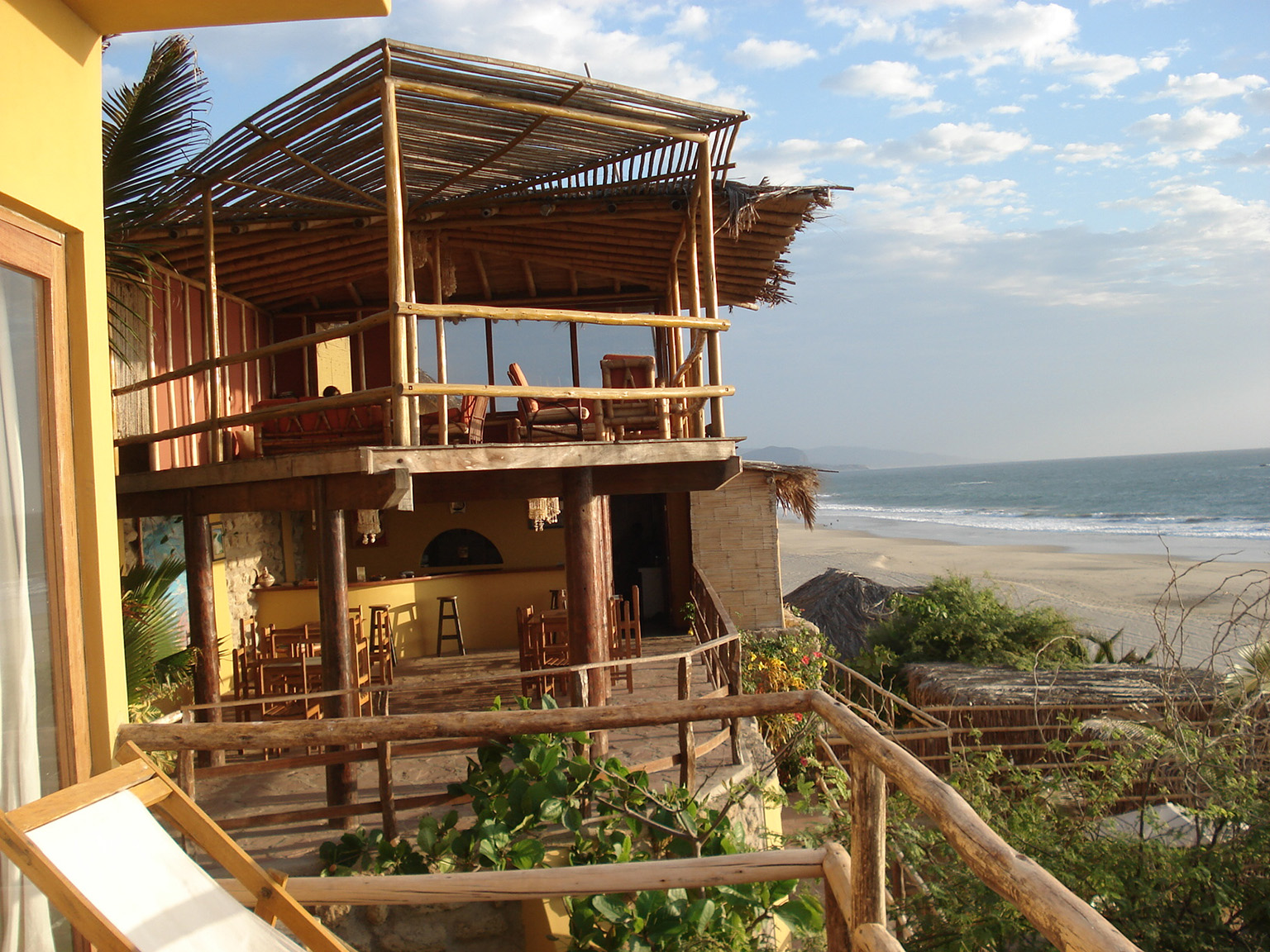
Beach villas in Máncora—affordable ocean views without the heafty price tag—photo by °linda°!°, CC BY 2.0, via Wikimedia Commons.
Renting & Housing Options: Huanchaco vs Máncora
Finding the right home in Huanchaco vs Máncora can make or break your coastal lifestyle experience. Whether you’re planning a short-term stay to test the waters or a long-term relocation, the options and strategies differ between Huanchaco vs Máncora.
Short-Term Rentals:
Huanchaco: Short-term apartments and small homes are available for $200–$400 USD per month. Airbnb is popular for newcomers, offering fully furnished spaces that allow you to get a feel for the town before committing long-term. Week-long rentals or month-to-month agreements are common, giving you the flexibility to explore the community and surf culture.
Máncora: Short-term rentals tend to be pricier, $300–$600 USD per month, particularly during the high season (Dec–Mar). Many vacationers rent beachfront condos or houses, so availability can fluctuate. Early booking is recommended to secure the best options.
Long-Term Rentals:
Huanchaco: Long-term rentals are very affordable, especially if you’re willing to live a few blocks from the beach. A one-bedroom apartment might run $200–$350 USD per month, while larger beachside homes range from $400–$700 USD per month. Leases of six months to a year are typical, and landlords often prefer tenants with local references or proof of income.
Máncora: Long-term rentals are slightly more expensive due to demand from tourists and digital nomads. A one-bedroom apartment may cost $300–$500 USD/month, while beachfront houses can go $600–$1,000 USD/month. During peak season, some landlords prioritize short-term vacation rentals, so planning ahead is essential.
Tips for Securing Rentals as a Foreigner:
Use trusted platforms: Airbnb, local Facebook groups, and expat forums are good starting points.
Negotiate long-term leases: Many landlords offer discounts for commitments of six months or longer.
Visit in person if possible: Photos can be misleading — checking the property helps avoid surprises.
Have documentation ready: Passport, proof of income, and references from previous landlords can make the process smoother.
Consider a local agent: For long-term rentals, a bilingual local agent can help navigate contracts and avoid misunderstandings.
Choosing the right home in Huanchaco vs Máncora is about balancing budget, lifestyle, and proximity to surf and community. Whether you prioritize quiet, long-term living or a lively, social environment, there are options in both towns to suit freedom-seekers looking to leave the chaos of the West behind.
🧭 Ready to secure your spot in Peru? Start planning with the Latin America Residency Map
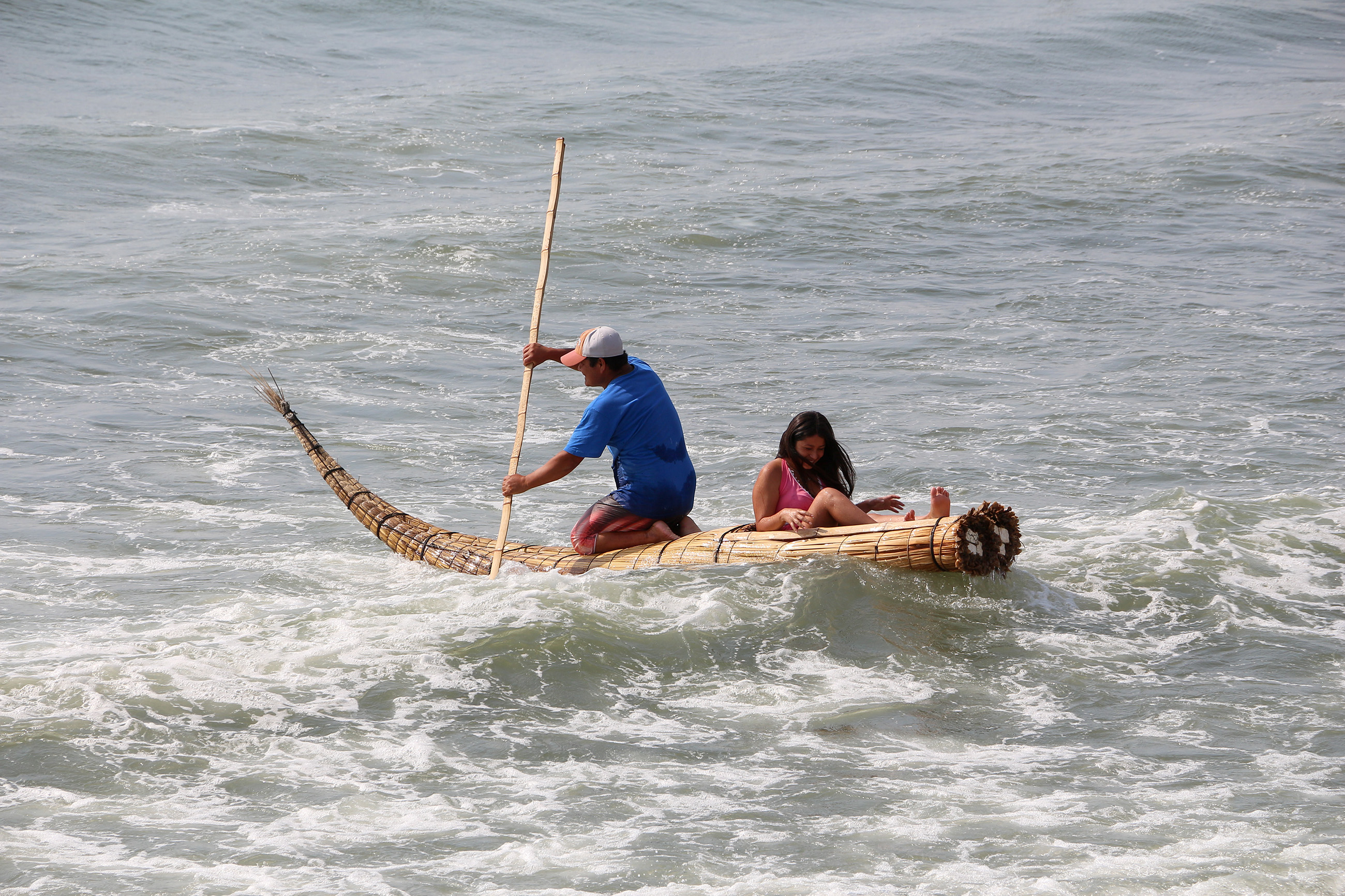
Historic surf culture—Huanchaco’s reed boats are still used today.
Safety, Weather & Everyday Practicalities
Safety and practical considerations are essential when comparing Huanchaco vs Máncora for long-term living.
| Category | Huanchaco | Máncora | Notes / Tips |
| Crime | Low; mostly petty theft | Moderate; pickpocketing in crowded areas | Keep valuables secure; stay aware in tourist areas |
| Weather | Mild desert climate; rare severe weather; occasional coastal fog | Tropical climate; hot, sunny; rainy season Jan–Mar can cause minor flooding | Bring light jacket in Huanchaco; monitor flooding reports in Máncora |
| Medical Access | Basic clinics locally; hospitals in Trujillo (~15 min) | Local clinics for minor issues; hospitals in Piura (~3 hrs) | Carry health/travel insurance; know local clinic contacts |
| Tips for Newcomers | Walk safely at night; connect with expat community; emergency numbers handy | Be vigilant in busy areas; check weather during rainy season; maintain travel insurance | Ask locals and expats for safe areas to live and surf |
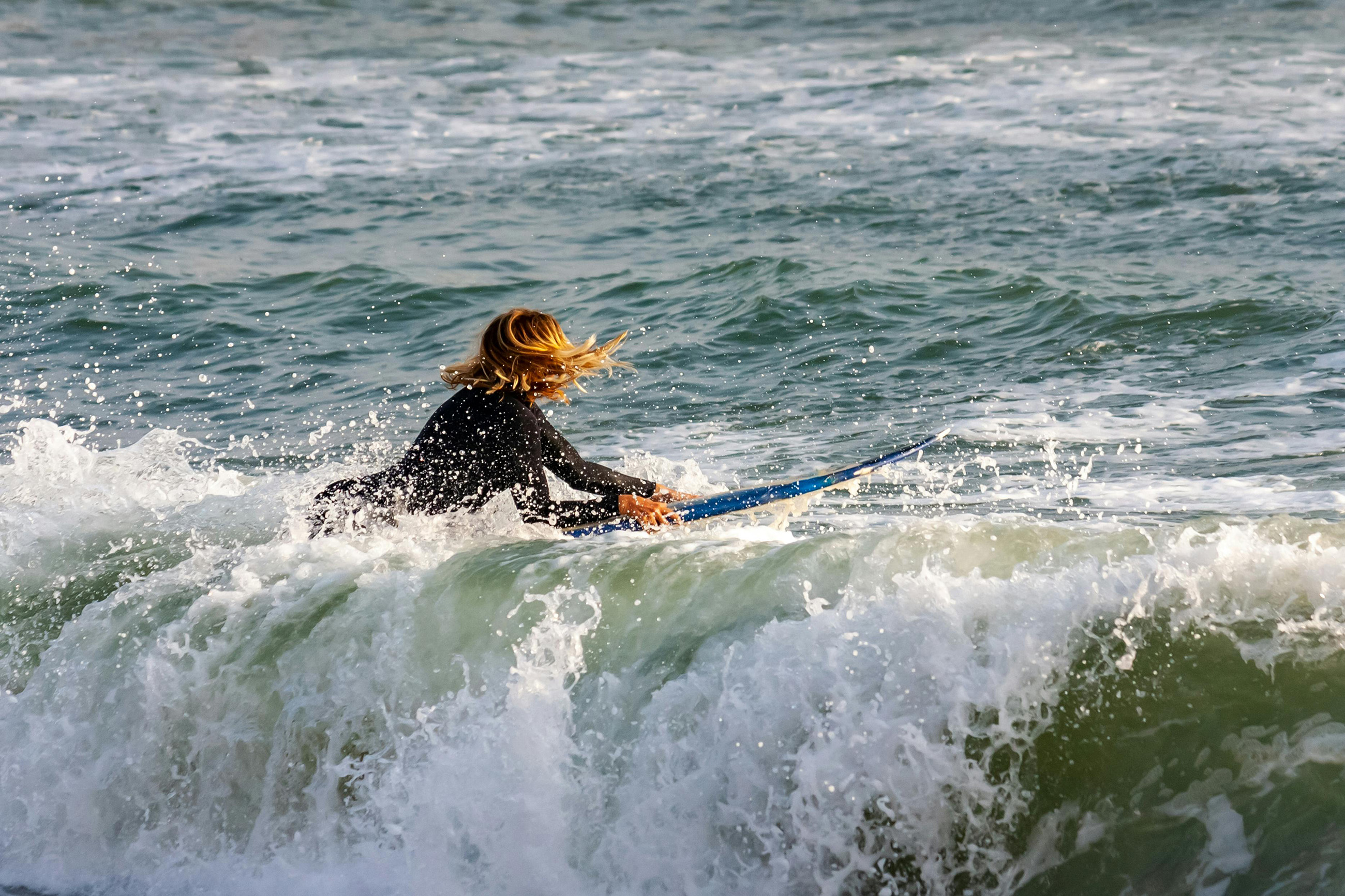
Surf sessions before work—the Máncora lifestyle.
Pros & Cons of Living in Huanchaco vs Máncora
| Feature / Aspect | Huanchaco | Máncora |
| Vibe / Lifestyle | Chill, authentic surf town; quiet and community-focused | Lively, party-oriented; social and touristy |
| Expat Community | Long-term residents, families, freedom-seekers | Short-term digital nomads, young travelers |
| Cost of Living | Lower; affordable rentals and groceries | Higher; especially during peak tourist season |
| Housing Options | Small apartments and beachside homes; good long-term availability | Beachfront condos and vacation rentals; more limited for long-term |
| Crowds | Smaller, even during holidays; ideal for privacy | Busy during Peruvian vacations; crowded beaches and nightlife |
| Surfing | Gentle waves, consistent; ideal for daily practice | Bigger waves; more exciting, popular with younger surfers |
| Safety | Low crime; easy to navigate | Moderate crime in crowded areas; stay alert |
| Weather | Mild, desert climate; minimal rainfall | Tropical; rainy season Jan–Mar, occasional flooding |
| Medical Access | Basic local clinics; Trujillo hospitals nearby | Local clinics: serious care requires trip to Piura (~3 hrs) |
| Remote Work / Internet | Moderate internet; quiet coworking options | Faster internet; more coworking spaces; active digital nomad scene |
Final Decision Huanchaco vs Máncora: Which Surf Town Fits Your Lifestyle?
If you want peace, long-term community, and a slower pace, Huanchaco is the clear winner. Its quiet streets, authentic surf culture, and affordable housing make it ideal for freedom-seekers, families, and long-term expats looking to escape the chaos of the West.
Máncora, on the other hand, is perfect if you thrive on energy, social connection, and a bustling surf-adventure scene. With faster internet, a lively nightlife, and an active digital nomad community, it suits younger travelers or expats who want excitement alongside their beach lifestyle — though it comes at a slightly higher cost and more crowded environment.
Ultimately, both towns offer the freedom, affordability, and lifestyle alternatives that draw expats to Peru’s northern coast. By weighing your priorities — community, cost, surf, and social energy — you can decide which town will become your next home away from the West.
Tip: Consider visiting both Huanchaco and Máncora for a short stay before committing long-term — experiencing the vibe firsthand is the best way to know which surf town truly fits your lifestyle.
🧭 Ready to take the leap? Find out if you qualify for residency in Peru using our FREE Latin America Residency Map