

14 min read
Belize is a lesser-known gem in Central America, offering both tropical coastlines and lush interior jungles for expats seeking a unique lifestyle. Understanding the differences between coastal vs inland Belize can help you choose the region that fits your ideal lifestyle.
……………………………..
When it comes to coastal vs inland Belize, expats are discovering two very different ways of living within one small, welcoming country. Belize continues to attract newcomers for its English-speaking culture, laid-back pace, and variety of affordable lifestyle options—but choosing between the coast and the interior can completely change your experience.
The coastal areas—like Placencia, Ambergris Caye, and Corozal—offer sea breezes, island energy, and easy access to beaches and tourism infrastructure. Meanwhile, the inland regions—such as Belmopan, San Ignacio, and the Cayo District—appeal to expats drawn to nature, space, and a quieter community atmosphere. To find the perfect balance between coastal vs inland, see which towns topped our list of the best places to live in Belize.
In this guide, we’ll break down coastal vs inland living in Belize, comparing lifestyle, cost of living, rentals and real estate, services and amenities, weather, entertainment, tourism levels, and community. By the end, you’ll have a clear picture of which Belize lifestyle best fits your goals, budget, and sense of adventure.
Table of Contents
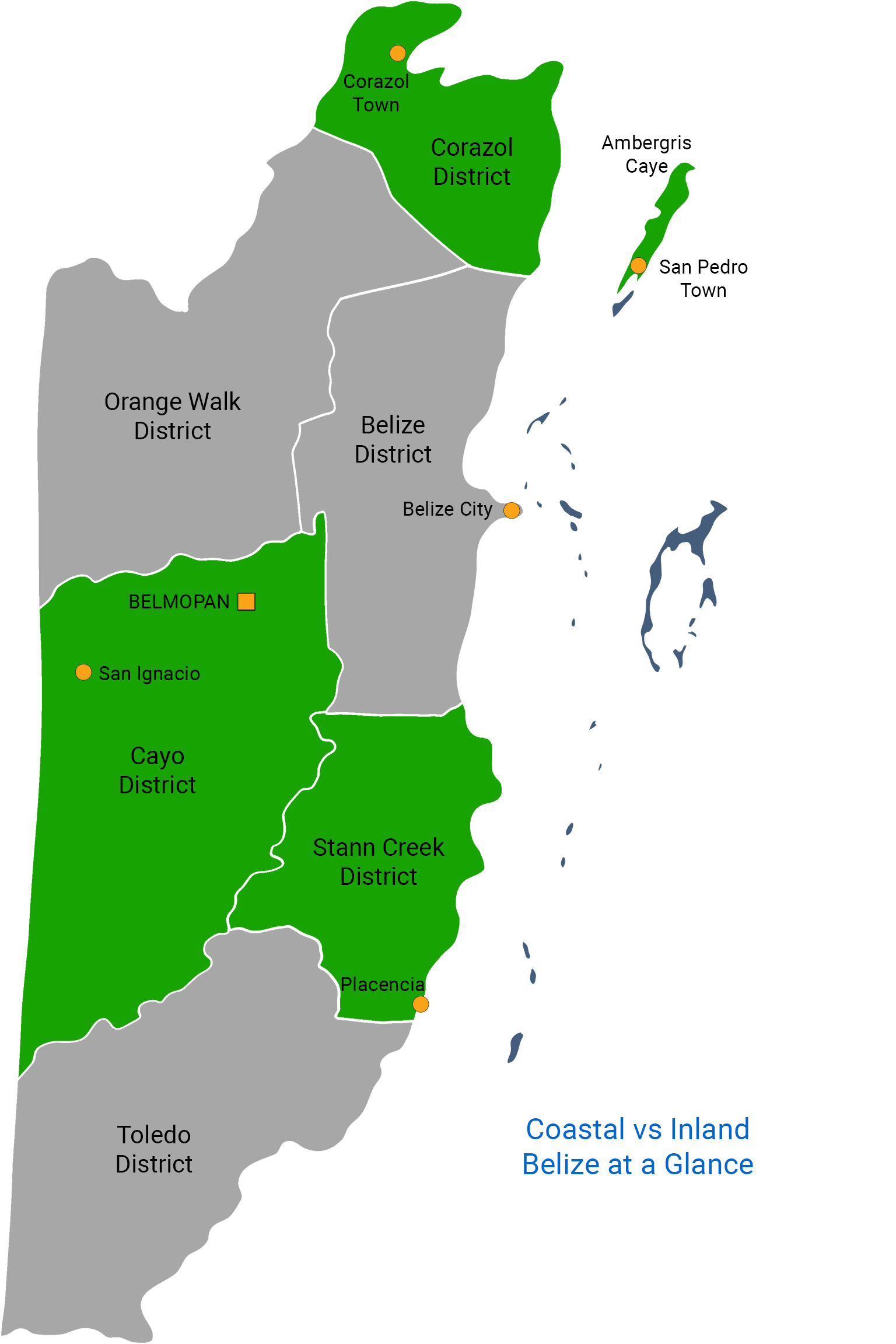
Map of Belize highlighting coastal and inland areas.
Overview of Coastal vs Inland Belize
Understanding the difference between coastal and inland Belize is key to finding your ideal lifestyle. While the country is small, the contrast between the shoreline and the interior feels surprisingly distinct—both in atmosphere and daily rhythm.
Coastal Belize
Along the coast, life revolves around the sea. Popular destinations like Ambergris Caye, Placencia, Corozal, and Hopkins have become well-known expat hubs thanks to their ocean views, modern amenities, and access to international airports and marinas.
Coastal Belize offers a tropical island lifestyle with strong tourism influence. You’ll find waterfront dining, scuba diving, and sailing, alongside well-established expat communities. However, this comes with higher prices for housing, imported goods, and utilities, reflecting the convenience and popularity of these beach towns.
Inland Belize
Move inland, and the scenery—and pace—changes dramatically. Towns like Belmopan, San Ignacio, and the Cayo District are surrounded by rolling hills, rivers, and fertile farmland. The focus here is more agricultural and community-based, with local markets, eco-lodges, and small family businesses forming the core of daily life.
Inland Belize tends to attract expats seeking privacy, space, and connection with nature. Property prices are lower, and there’s less tourist traffic, but amenities like hospitals, large supermarkets, or entertainment options may require more travel. For many, though, the quieter rhythm and self-sufficient lifestyle are exactly the appeal.
Coastal vs inland Belize: Towns At a Glance
Below is a quick snapshot of Belize’s main coastal and inland areas—each offering its own flavor of expat living.
| Region | Towns / Areas | Lifestyle Highlights |
| Coastal Belize | Ambergris Caye, Placencia, Corozal, Hopkins | Beach lifestyle, tourism economy, easy expat integration |
| Inland Belize | Belmopan, San Ignacio, Cayo District, Spanish Lookout | Nature, agriculture, local community focus, quieter living |
Curious what everyday inland life looks like? See what it’s really like to live in Belmopan, Belize for expats and families.
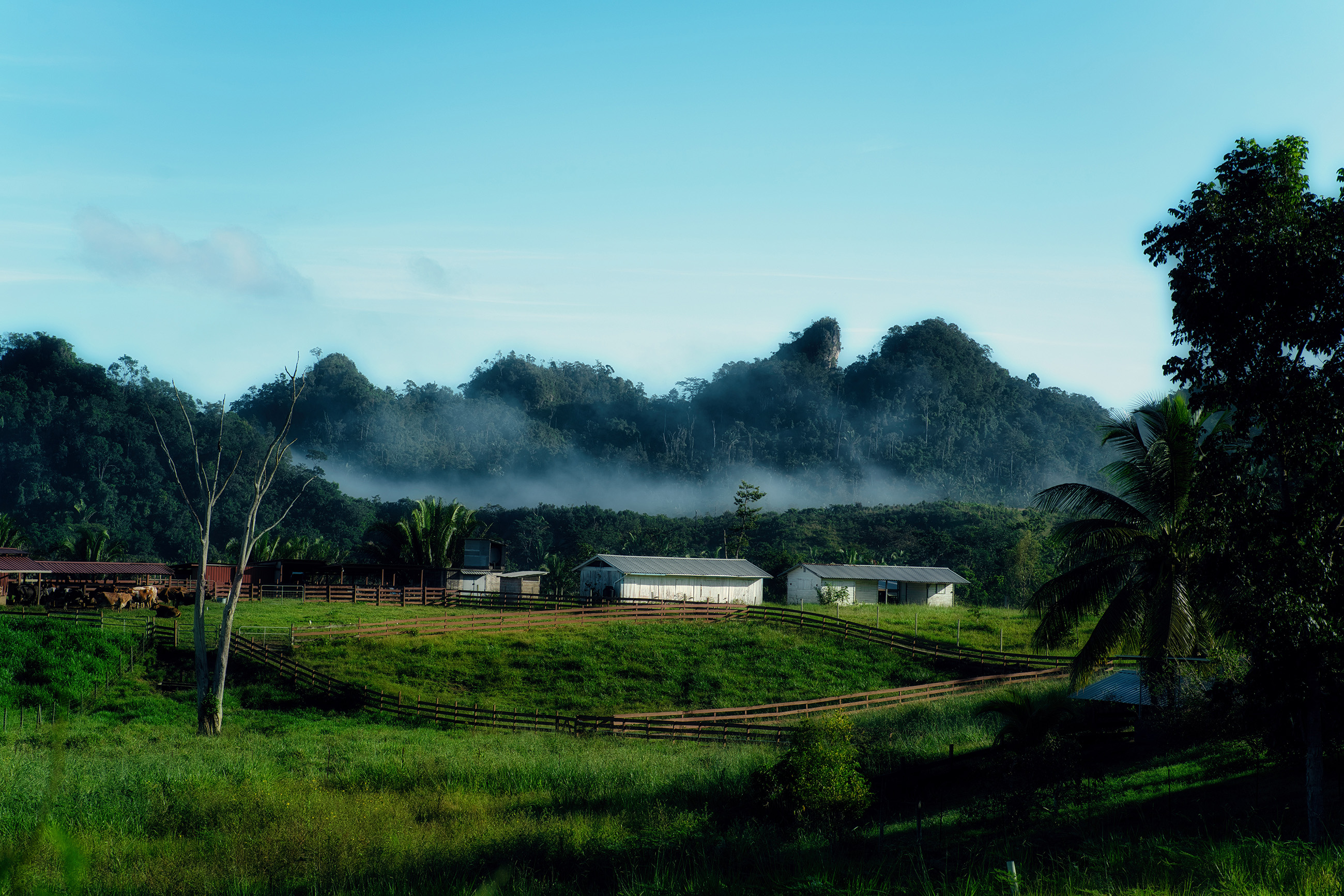
Inland Belize offers fertile farmland and peaceful jungle mornings.
Coastal vs Inland Belize: Cost of Living for Expats
When considering a move, to Belize, understanding the cost of living in specific towns is crucial. Here’s a detailed comparison between Ambergris Caye, a coastal island famous for its beaches and tourism-driven economy, and San Ignacio, an inland town known for its lush landscapes and cultural heritage.
Overall, the cost of living in Belize is generally lower than in the United States, making it an attractive option for those looking to stretch their budget while enjoying a high quality of life.
Coastal Belize: Living Costs in Ambergris Caye
Rentals: Renting a 1-bedroom apartment on Ambergris Caye typically costs between $1,200 and $1,500 USD per month for an unfurnished unit. Two-bedroom apartments usually range from $1,500 to $2,000 USD per month. Furnished apartments and those with premium amenities such as pools or beachfront views can command even higher rents, making location and features a major factor in monthly housing costs.
Land Prices: Land on Ambergris Caye is among the most expensive in Belize, particularly near San Pedro Town. Prices per acre fluctuate widely based on proximity to the beach, infrastructure, and development potential. Coastal land tends to be premium-priced, with high demand driving costs, while plots further inland or on the outskirts of the island may be slightly more affordable.
Groceries: Monthly grocery costs on the island are higher than inland, reflecting the need to import many items. A single person can expect to spend around $300–$400 USD per month, while a family of four may spend $800–$1,000 USD per month. Imported goods such as cheeses, meats, and specialty items will push costs higher, while local produce is more affordable.
Dining Out: Dining options are abundant and often tourist-oriented. A meal at an inexpensive local restaurant averages $15–$20 USD per person, while a mid-range, three-course dinner for two can cost $50–$70 USD. As expected, prices in highly trafficked tourist areas are typically on the higher end.
Utilities: Utilities for a 2-bedroom apartment average $150–$250 USD per month, while a larger house may run $200–$300 USD per month. Using air conditioning significantly increases electricity bills, especially during the hotter months. Internet and basic cell service are widely available, typically ranging from $50–$80 USD per month for high-speed internet and around $30 USD for a basic cell plan.
Transportation: The island is unique, with golf carts being a common mode of travel. Daily rentals range from $35–$80 USD, while car rentals cost $50–$70 USD per day. For inter-island trips, water taxis charge about $35 USD per person. Vehicle ownership includes additional costs for insurance, maintenance, and fuel, and many residents rely on golf carts for local commuting.
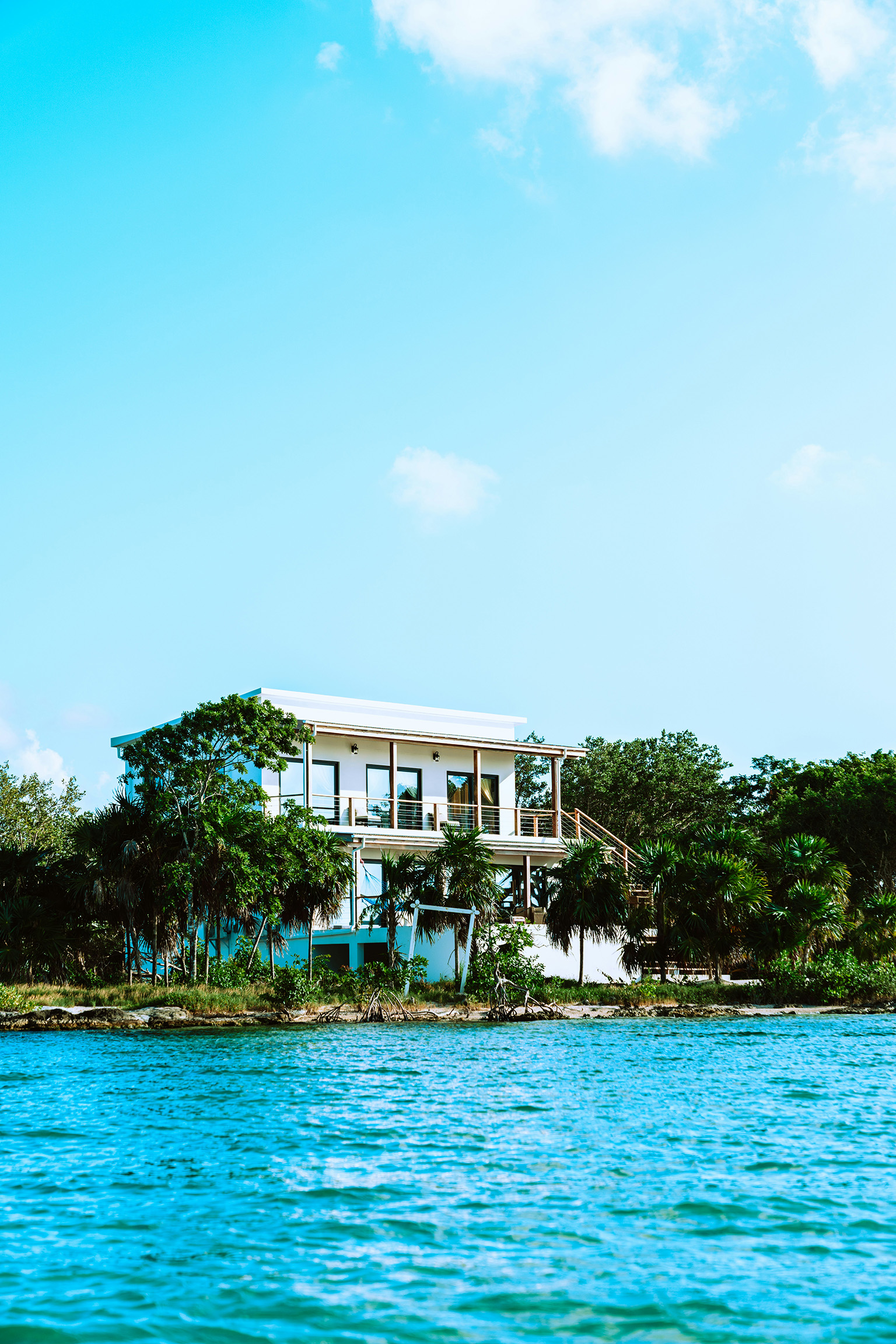
Coastal homes in Belize often come with sweeping ocean views and relaxed island living.
Inland Belize: Living Costs in San Ignacio
San Ignacio, located in Belize’s Cayo District, provides a more laid-back lifestyle surrounded by lush nature, nearby Mayan ruins, and a strong expat community. Costs here are generally lower than on Ambergris Caye.
Rentals: A 1-bedroom apartment in San Ignacio typically rents for $400–$600 USD per month, while a 2-bedroom apartment ranges from $600–$800 USD per month. Rentals in gated communities or with premium amenities may push these numbers higher, but overall, inland housing is significantly more affordable than coastal options.
Land Prices: Land in San Ignacio is much more accessible to those on a budget. Prices per acre vary based on location and development potential, with agricultural or larger plots often costing less than coastal land. A standard hectare conversion applies, and many inland plots are suitable for farming, gardening, or building spacious homes with extra privacy.
Groceries: Groceries are notably cheaper than on Ambergris Caye. A single person can expect to spend around $200–$300 USD per month, and a family of four may spend $600–$800 USD per month. Local markets provide fresh produce at lower prices, helping families manage costs while still enjoying local foods.
Dining Out: Dining in San Ignacio is more budget-friendly, with inexpensive restaurant meals costing $10–$15 USD per person, and a mid-range, three-course dinner for two averaging $30–$50 USD. Local eateries focus on authentic Belizean cuisine, making dining out both affordable and culturally immersive.
Utilities: For a 2-bedroom apartment range from $100–$150 USD per month, while a house may cost $150–$200 USD per month. Lower reliance on air conditioning keeps electricity bills down. High-speed internet is available for $40–$60 USD per month, and cell plans start around $20 USD.
Transportation: Transportation costs in San Ignacio are lower but require more planning. Car rentals typically cost $40–$60 USD per day, while local “chicken buses” offer intercity travel at $5–$10 USD per person. Private shuttles from Belize City to San Ignacio cost about $150 USD for up to four people. While public transport is available, most residents find vehicle ownership more convenient for daily activities
Whether you’re drawn to the coast or the capital, Belize offers room to breathe. Use the Residency Map to see which Latin American countries make it easiest to live freely through accessible pathways to residency.
Coastal vs Inland Belize: Cost Comparison Chart
| Category | Ambergris Caye (Coastal) | San Ignacio (Inland) | Example / Notes | |
| Apartment Rentals | 1 bed | $1,200–$1,500 | $400–$600 | Furnished or premium units cost more |
| 2 bed | $1,500–$2,000 | $600–$800 | ||
| Buying Property / Land | Per sq. meter (built property) | $200–$400 | $50–$150 | Coastal property premiums can be 2–3x inland |
| Per acre (undeveloped) | $10,000–$25,000 | $5,000–$15,000 | ||
| Groceries (Monthly, 2 people) | $500–$700 | $300–$450 | Local markets cheaper than supermarkets | |
| Dining Out | Mid-range meal | $10–$25 | $5–$15 | Tourism-driven prices higher on the coast |
| Utilities | Electricity, water, internet | $150–$250 | $80–$150 | High electricity costs on the island due to imports |
| Transportation | Public bus | $1–$3 per ride | $0.50–$2 per ride | Island travel may require boats/taxis |
| Car rental | $50–$70/day | $40–$60/day | ||
| Healthcare | Private visit | $50–$100 | $30–$60 | Private clinics: insurance recommended |
Living inland in San Ignacio is generally 50–60% cheaper than coastal Ambergris Caye, especially in housing and daily expenses.
Compared to the U.S., both towns offer significant savings on rent, groceries, and utilities.
The significant cost differences between coastal and inland living in Belize.
While San Ignacio offers a more affordable and tranquil lifestyle, Ambergris Caye provides a vibrant, tourism-centric environment with higher living costs.
Your choice will depend on personal preferences, lifestyle priorities, and budget considerations.
Coastal vs Inland Belize: Expat Services & Amenities
When evaluating Coastal vs Inland Belize, understanding the availability of essential services and amenities is crucial for making an informed decision. Below is a detailed comparison of healthcare, education, shopping, and remote work infrastructure across various regions.
Coastal Belize: Healthcare, Schools & Essentials
- Healthcare
- Ambergris Hope Hospital (San Pedro, Ambergris Caye) — The island’s first full 24-hour private hospital, now offering emergency care, overnight admissions, radiology, diagnostic services, and a newly opened blood storage unit.
- Corozal Community Hospital — Serves northern Belize’s coastal region. USA Assist
- Education
- The Island Academy, Ambergris Caye — International private school on Ambergris Caye.
- Placencia Bilingual School — Offers bilingual education (English and Spanish) in the Placencia region.
- Cross-border shopping / schooling (Chetumal, Mexico) — Many coastal residents make supply and education trips to Chetumal, Mexico, especially from Corozal (just across the border).
- Shopping & Supplies
- Corozal Commercial Free Zone — A duty-free zone offering electronics, appliances, clothing, and other imported goods.
- Local shops and markets in San Pedro, Placencia, Corozal — Grocery stores, boutique shops, imports, often at premium prices due to shipping.
- Many coastal residents travel to Chetumal, Mexico for bulk shopping, harder-to-find imports, medical supplies, or specialty items.
- Internet & Remote Work Infrastructure
- Fiber & broadband providers (BTL / Digicel / local ISPs) are expanding in coastal areas. Ambergris Caye is relatively well connected given its size and tourist activity.
- Co-working spaces & remote work hubs — For example, Ambergris Caye has co-working and shared-office setups in San Pedro.
- Note: speeds may fluctuate during peak tourist seasons and outlying or southern parts of islands/coasts may get slower or less stable service.

Inland Belize is attracting expats building modern homes surrounded by nature.
Inland Belize: Healthcare, Schools & Daily Needs
- Healthcare
- La Loma Luz Adventist Hospital (Santa Elena / Cayo District / near San Ignacio) — A private, non-profit hospital offering inpatient care, surgery, imaging, dialysis, OB-GYN, pediatrics, and other services.
- San Ignacio Hospital (Regional Clinic / Community Hospital) — Provides general medical services for western Belize.
- Western Regional Hospital, Belmopan — A referral hospital serving the central/inland region.
- Education
- Galen University (Central Farm, near San Ignacio) — A university founded in 2003, focused on agriculture and other disciplines.
- University of Belize (Belmopan campus & adjacent agricultural campus) — National university with multiple campuses, including in the inland region.
- Local schools in San Ignacio — Schools like Eden SDA High School, Saint Ignatius High School, bilingual & public options.
- Homeschooling & bilingual public education — Many inland expats lean on homeschooling networks and local bilingual public schools.
- Shopping & Supplies
- Belmopan & San Ignacio supermarkets & hardware stores — Larger general stores, supermarkets, appliance and furniture sellers, fresher produce due to proximity to agricultural zones.
- Local markets in Cayo / San Ignacio — good for produce, local crafts, everyday goods.
- Limited specialty import goods — For niche electronics or exotic imports, people sometimes still make trips to coastal hubs or Belize City.
- Internet & Remote Work Infrastructure
- Fiber connectivity in Belmopan & San Ignacio — Inland towns often have solid fiber or broadband connections, especially in central zones.
- Co-working / shared office spaces — Less dense than coastal — some shared offices exist in San Ignacio or cafés with strong Wi-Fi.
- Remote work viability — Generally good inland, with lower costs, stable lines, and fewer tourist-driven fluctuations.
When comparing Coastal vs Inland Belize, each region delivers a distinct lifestyle shaped by access to healthcare, education, shopping, and digital infrastructure.
Areas like Placencia, Ambergris Caye, and Corozal provide the appeal of seaside living with expanding medical facilities such as the Placencia Polyclinic and Ambergris Hope Hospital, private schools like The Island Academy, and reliable internet suitable for remote work.
However, daily essentials and imported goods tend to cost more, and advanced medical care often requires travel to Belize City or abroad.
In contrast, Inland Belize—including Belmopan, San Ignacio, and the Cayo District—offers more affordable living with stronger access to public hospitals, local markets, and educational options like the University of Belize.
Internet speeds are generally stable, and co-working environments are growing, though not as abundant as on the coast.
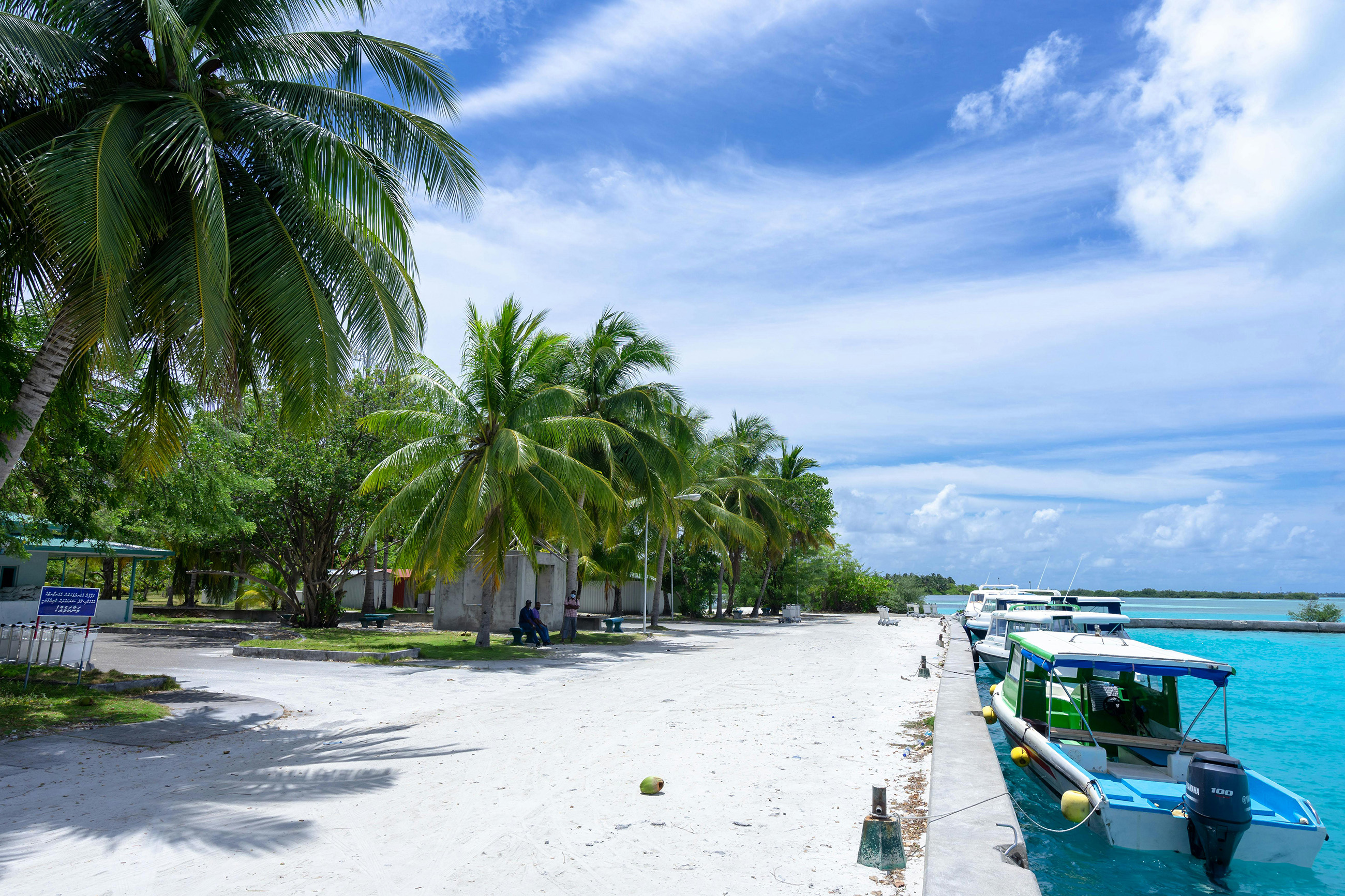
Boats at the dock in a sleepy coastal village in Belize.
Coastal vs Inland Belize: Average Temperatures, Rainfall & Seasonal Patterns
Coastal Belize (Ambergris Caye, Placencia, Corozal)
The coastal areas offer a warmer climate with higher humidity and rainfall, making it suitable for those who enjoy tropical conditions and are prepared for potential storms.
Temperature: 81°F (27°C)
Annual rainfall: Varies widely across Belize, from about 60 inches (1,524 mm) in the north to around 160 inches (4,064 mm) in the south.
Located within the Atlantic hurricane belt, these regions are more susceptible to hurricanes and tropical storms, particularly during the rainy season (June to November).
Dry Season (November to May): Characterized by lower humidity and minimal rainfall, making it ideal for outdoor activities and beach visits.
Rainy Season (June to October): Expect higher humidity and increased rainfall, especially in the afternoons. Coastal areas may experience stronger winds and potential storm surges.
The coast isn’t the only option.
👉 Explore hidden expat-friendly towns in Belize that blend affordability, freedom, and community.
Inland Belize (Belmopan, San Ignacio, Cayo District)
This area provides a slightly cooler and drier environment, appealing to those seeking a more temperate climate with less risk of severe weather events.
Temperature: 79°F (26°C)
Annual rainfall: Generally lower than coastal areas, with Cayo District receiving under 15 inches (381 mm) annually.
While still at risk, inland regions are less prone to direct hits from hurricanes. However, they can experience heavy rains and flooding as storms move inland.
Dry Season (November to May): Characterized by lower humidity and warm days, ideal for exploring jungles and cultural sites.
Rainy Season (June to October): Expect heavier rainfall and lush green landscapes, though some roads may become muddy or difficult to access.
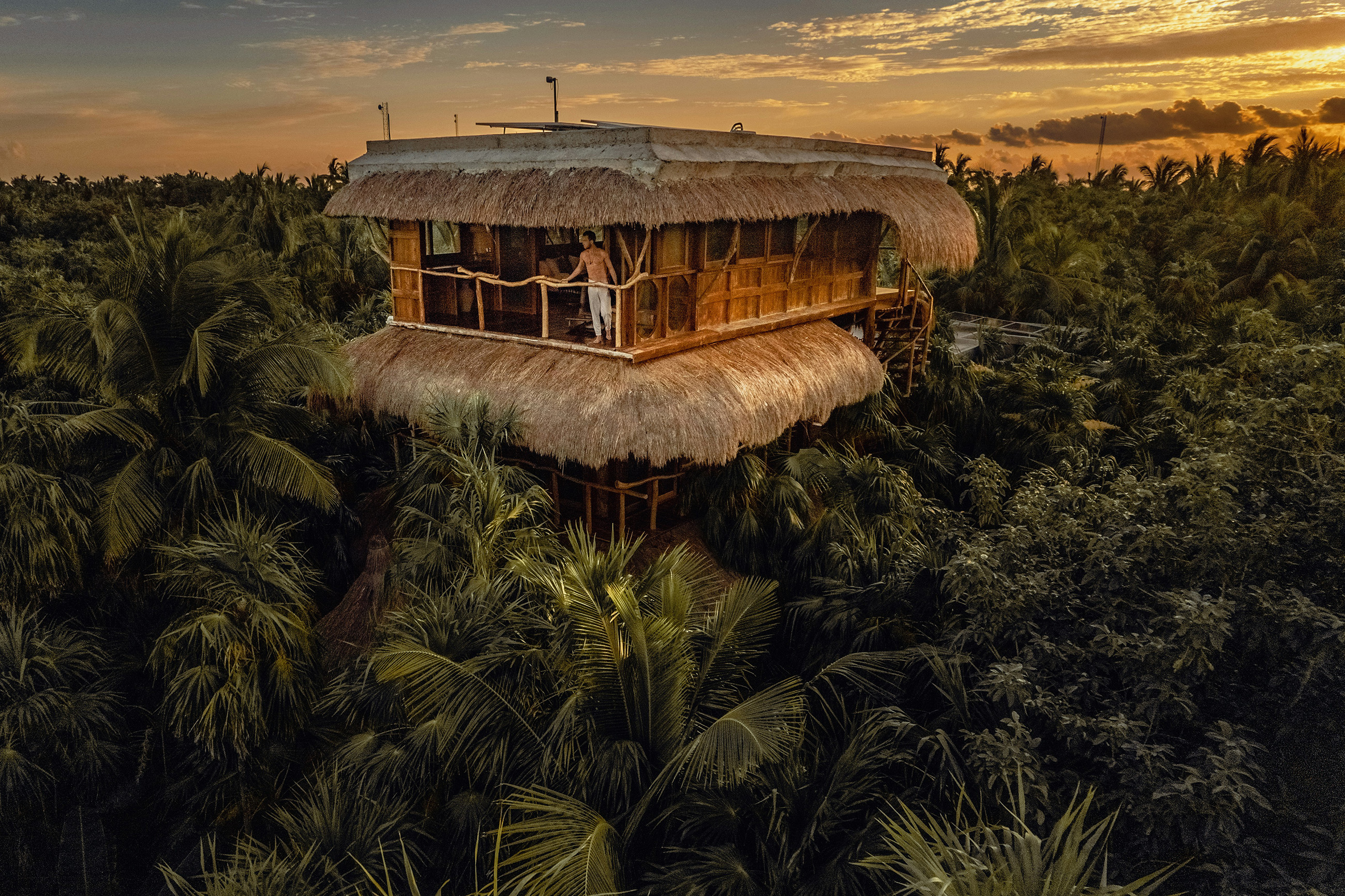
Tree house living in inland Belize offers unmatched views and connection with nature.
Coastal vs Inland Belize: Expat Lifestyle & Activities
• Beach Activities & Water Sports: Coastal towns like Ambergris Caye, Placencia, and Corozal offer abundant opportunities for snorkeling, diving, kayaking, and paddle boarding. The Belize Barrier Reef, a UNESCO World Heritage Site, is easily accessible from these areas, making them prime spots for water enthusiasts.
• Nightlife & Dining: These regions boast a variety of restaurants, bars, and cafes catering to diverse tastes. San Pedro on Ambergris Caye, for instance, is known for its lively nightlife scene, offering a mix of local eateries and international cuisine.
• Festivals & Events: Coastal areas host numerous festivals, including the Lobster Festival in Placencia and the International Music and Food Festival in San Pedro. These events celebrate local culture and attract both locals and tourists.
• Community & Social Life: Coastal towns have well-established expat communities, offering social clubs, wellness centers, and networking opportunities. This environment is conducive to a vibrant social life, with regular gatherings and events.
• Cost of Living: While the cost of living is higher in coastal areas due to the influx of tourists and expats, many find the lifestyle and amenities worth the expense. Monthly budgets for comfortable living range from $2,500 to $4,000 USD.
Coastal vs Inland Belize: Expat Culture, Outdoors & Community
• Eco-Tourism & Nature Adventures: Inland regions like San Ignacio and the Cayo District are renowned for their eco-tourism offerings. Activities include visiting ancient Mayan ruins such as Xunantunich and Caracol, exploring caves, hiking through rainforests, and birdwatching.
• Cultural Experiences: These areas provide opportunities to immerse oneself in local culture through visits to indigenous communities, participation in traditional ceremonies, and exploration of local markets.
• Festivals & Events: Inland towns celebrate various cultural festivals, such as the Chocolate Festival in Punta Gorda, which honors Belize’s Maya heritage and its deep-rooted connection to cacao.
• Community & Social Life: The expat community in inland Belize is smaller but growing. Residents often engage in community-driven activities, local volunteering, and cultural exchanges, fostering a close-knit environment.
• Cost of Living: The cost of living in inland areas is generally lower than in coastal regions, with monthly budgets for comfortable living ranging from $2,000 to $3,500 USD. This affordability allows for a more relaxed lifestyle.
Pros and Cons of Coastal vs Inland Belize for Expat Life
| Aspect | Coastal Belize (Ambergris Caye, Placencia, Corozal) | Inland Belize (San Ignacio, Belmopan, Cayo District) |
| Lifestyle | Vibrant, beach-focused, strong tourism influence; easy expat integration | Quieter, nature-focused, community-oriented; more privacy and space |
| Cost of Living | Higher rent, groceries, utilities, and imported goods; $2,500–$4,000/month | Lower housing and daily costs; $2,000–$3,500/month |
| Housing & Property | Premium prices near beaches; smaller plots; island living | Larger plots, lower cost, more opportunities for farming or privacy |
| Healthcare & Services | Private clinics and hospitals on the coast; major treatments may require Belize City or Mexico | Local hospitals and clinics; some specialized care requires travel to Belize City or Chetumal |
| Education | International schools, private options, and homeschooling available | Local schools, bilingual programs, homeschooling networks; university access |
| Shopping & Supplies | Limited local goods; frequent trips to Mexico for imported items | Supermarkets, local markets, fresh produce more accessible; specialty imports less common |
| Remote Work / Internet | Strong fiber coverage, coworking spaces, tourist-friendly | Reliable fiber in central towns, fewer coworking options, generally stable internet |
| Climate & Weather | Warmer, humid, higher rainfall; hurricane risk | Slightly cooler, drier; lower risk of hurricanes but possible flooding |
| Entertainment & Lifestyle | Water sports, beach activities, festivals, nightlife; vibrant expat scene | Hiking, eco-tourism, cultural experiences, quieter social life; smaller expat community |
| Tourism Impact | High tourist presence drives prices and social activity | Lower tourist traffic preserves local culture and keeps living costs lower |
| Best For | Expats valuing convenience, ocean views, social life, and tourism infrastructure | Expats seeking affordability, nature, privacy, community, and slower pace |
Still deciding between palm trees or jungle life? Review the pros and cons of living in Belize to discover what it’s really like to live in Belize.
Coastal vs Inland Belize: Finding the Right Lifestyle
Coastal Belize offers beachside living, strong expat communities, and easy access to amenities, but comes with higher costs and more tourist activity.
Inland Belize provides a quieter, nature-focused lifestyle with lower living expenses and close-knit communities, though some services require travel.
Choosing between coastal vs inland Belize depends on your lifestyle priorities, budget, and daily convenience.