

12 min read
A vibrant scene of coastal life in Uruguay, where golden sunsets and ocean breezes define the rhythm of the day. From peaceful beaches to a relaxed outdoor lifestyle, living in Uruguay offers a calm, scenic balance that continues to attract freedom-seekers and expats looking for a better way of life.
……………………………..
If you’re considering living in Uruguay, you’ll want to take a close look at the pros and cons. This small South American country is known for its beautiful beaches, stable government, and strong social freedoms.
While it may not be the ultimate tax or privacy haven, its slower pace of life and open culture can feel like a breath of fresh air compared to the increasing restrictions and tension in the West.
Uruguay offers a rare blend: stunning natural beauty, a welcoming community, and a laid-back lifestyle that attracts expats from all over. But like anywhere, it comes with trade-offs—especially when it comes to cost of living and bureaucracy. Whether you’re searching for a freer way of life, a relaxed coastal existence, or simply a new adventure abroad, let’s dig into the ultimate pros and cons of living in Uruguay.
Table of Contents
13 Pros Of Living In Uruguay
1. Government Stability When Living in Uruguay
Uruguay has a stable government founded on its constitution, with a president elected by the people serving as the head of state. As a democratic nation, it guarantees basic rights to all its residents.
The country also enjoys a robust economy and is a member of the United Nations, the World Trade Organization, and Mercosur. It boasts a high income per capita, with approximately 60 percent of Uruguayan residents being middle class – the highest percentage in Latin America. With little scandal within the government, the residents of the country generally trust the system.
2. Ease of Residency in Uruguay
Despite its size and location, Uruguay is a popular destination for immigrants due to its ease of residency. Uruguayan law provides several paths to obtain permanent residency. For example, individuals who have been married to a Uruguayan citizen for at least two years or who have lived in Uruguay for at least five years may be eligible.
In addition, individuals who can prove that they have sufficient financial resources to support themselves may also be granted permanent residency. As a result, it can be viewed as one of the easiest countries to obtain permanent residency.
3. Safety When Living in Uruguay
Uruguay consistently ranks as the safest and most peaceful country in South America, according to the Global Peace Index.
Crime does exist—mainly petty theft in urban areas like Montevideo—but overall, levels of violent crime are far lower than in many neighboring countries.
The police force is generally seen as professional and non-corrupt, and political stability contributes to a greater sense of security in daily life. This reputation for peace makes Uruguay especially attractive to families, retirees, and anyone looking to avoid the volatility often associated with the region.
While you’ll still need to take common-sense precautions, most expats find that the safety and stability here add up to a calmer, more predictable lifestyle.
4. A Decent Education System in Uruguay
The country’s primary and secondary schools are free and compulsory, and most of the Uruguay’s population is literate.
In addition, Uruguay’s universities are well-regarded, and the country’s students perform well on international standardized tests.
Uruguay also offers some scholarships and financial aid programs to help students afford higher education. As a result, Uruguay’s education system is one of the best in Latin America.
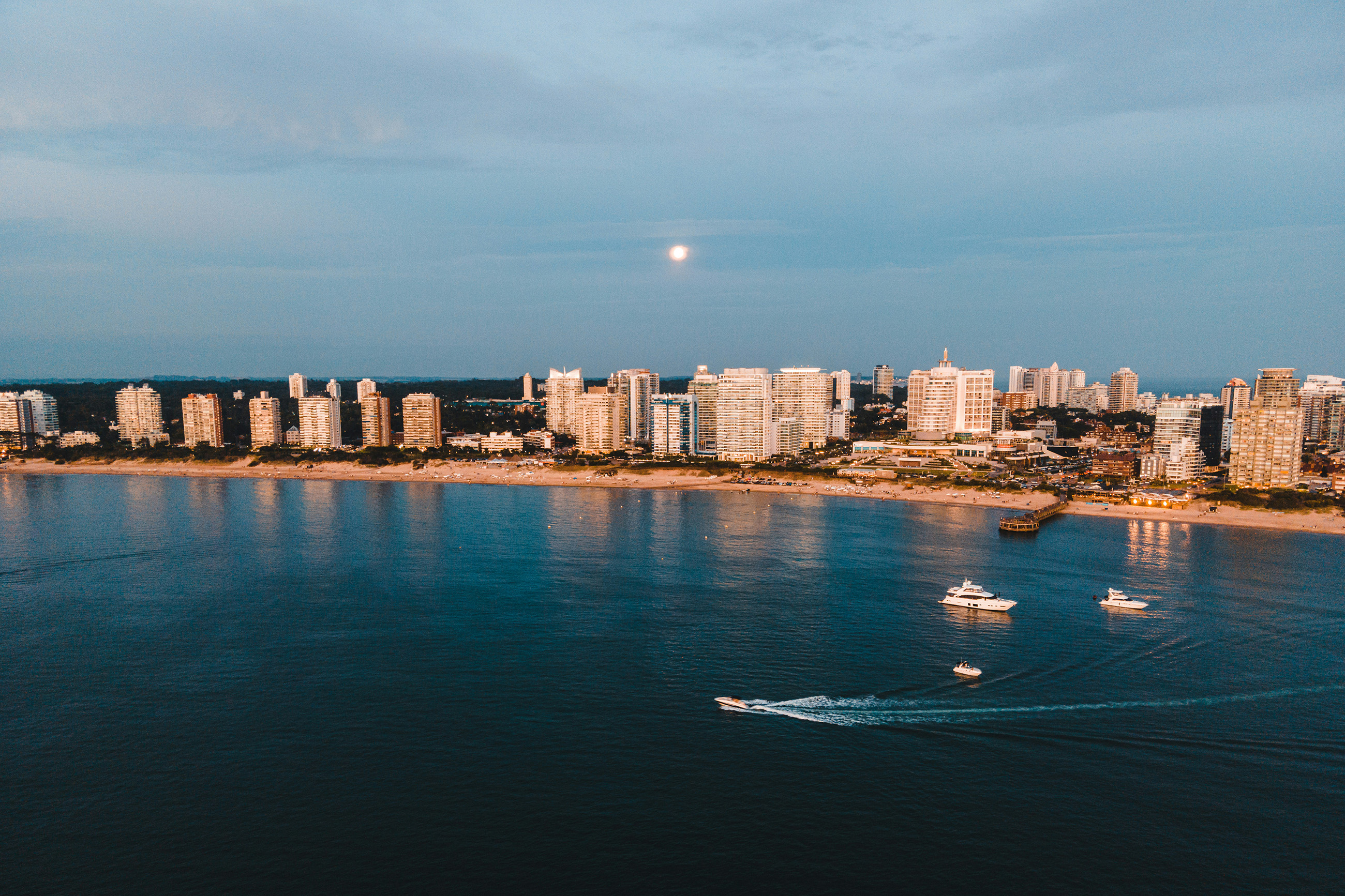
Punta del Este: A perfect blend of urban convenience and coastal beauty living in Uruguay.
5. Subsidized Daycare for Families Living in Uruguay
The government offers many subsidies for families that use registered day care, which helps to keep costs down. Several private companies offer high-quality care.
In general, Uruguayan day cares are well-staffed and provide a safe and nurturing environment for children. Children in Uruguay generally attend daycare from ages three months to three years.
Before making the move, check out our free guide, 7 Mistakes to Avoid Before Moving to Latin America, to avoid common pitfalls with visas, banking, and more.
6. Uruguay’s Territorial Tax System Explained
As a resident of Uruguay, you don’t need to report many types of income from outside the country. This includes retirement pensions, Social Security payments, rental income, and capital gains.
Many other countries require residents to pay taxes on worldwide income, but this is not the case in Uruguay. However, resident individuals are also taxed on foreign source passive income such as interest and dividends.
7. Quality Healthcare Options for Those Living in Uruguay
Uruguay has a high-quality, affordable healthcare system that is available to all residents.
Most ex-pats that live here opt for “mutualista”, a private health care system. While it’s easy to get a specialist appointment, you may have to wait for a regular doctor’s visit.
Most Uruguayans use the publicly funded health insurance system, which covers a wide range of medical services.
In addition, Uruguay has several private hospitals and clinics that provide high-quality health care. As a result, Uruguayans have access to some of the best healthcare in the world.
8. Transportation Advantages When Living in Uruguay
Uruguay is an easy country to travel, whether by car, bus, or any other method of transportation, you’ll have a good road system.
In the cities such as Montevideo, there is excellent transportation, including bus, train, subway, taxis, and car.
Most people walk everywhere in the city and even in the surrounding country areas.
9. Uruguay’s Rich Natural Beauty
One of the main attractions of Uruguay is its natural environment. The country has a variety of landscapes, from beaches and forests to rolling hills and plains. Uruguay generally has good air quality.
There are also several national parks, which offer hiking opportunities, and bird watching, and it’s possible to see marine mammals such as dolphins and whales off the coast.
The country boasts an array of plant and animal life, making it easy for residents to eat healthily by growing their veggies, having organic eggs and yogurt delivered, and buying fresh fish from the port.
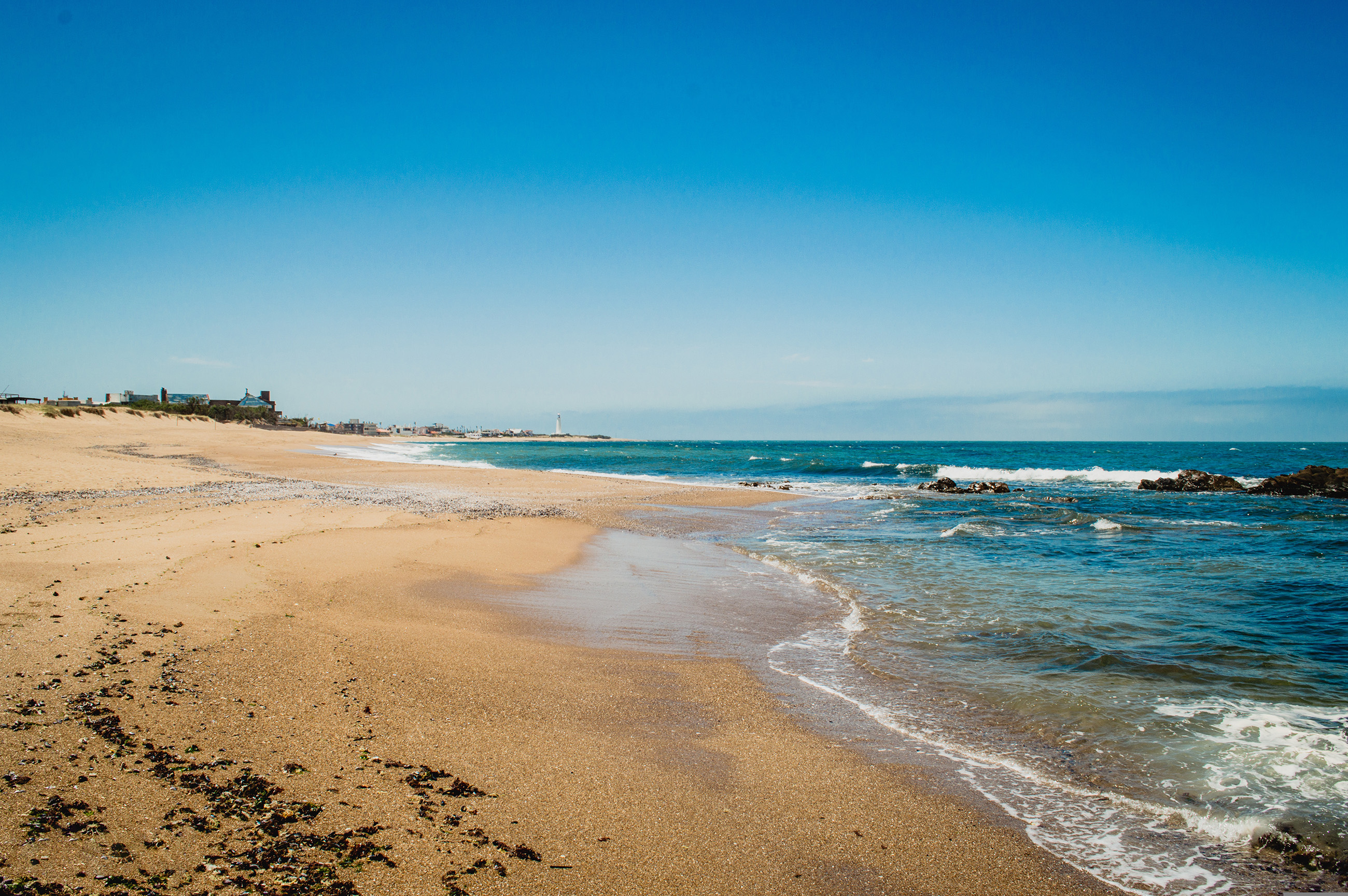
Uruguay’s rugged coastline: A stunning natural landscape perfect for outdoor adventures.
10. Wild East-Coast Beaches to Explore in Uruguay
Uruguay has some of the most stunning beaches in the world, featuring hundreds of expansive, pristine stretches of soft white sand.
Depending on the time of year the waves are usually gentle, making them perfect for swimming, boating, and surfing.
In the summer months, the pristine beaches can be overrun with people vacationing from Brazil and Argentina. In addition, some of the beaches are located close to major cities like Montevideo and Colonia del Sacramento, making them easy to reach.
For more ideas on coastal living and expat communities, check out our guide to 18 Best Places to Live in Panama: Expat Haven.
11. Shopping Local While Living in Uruguay
Instead of having a few large stores, Uruguay is full of small shops. As many as two-thirds of businesses are locally owned and operated.
Many small grocery stores specialize in different things, such as meats, produce, or cleaning supplies.
While you can find all the same commodities as back home, the process of shopping is much more antiquated and time consuming.
Open-air markets take place in most neighborhoods on specific mornings. There, you can purchase fruits, vegetables, eggs, cheese—and sometimes even fish or cleaning supplies. People sell all kinds of items, and shopping at these markets can help in lowering your living expenses.
12. Open-minded Culture in Uruguay
Uruguayans are often described as open-minded, tolerant, and easygoing. The country has a long tradition of progressive social policies, and that translates into everyday interactions—you’ll generally find that people accept others from all walks of life without much judgment.
The term “vecino” (neighbor) is often used as a friendly way to address others, reflecting the country’s sense of equality and community. While Uruguayans may seem reserved at first, they’re approachable and warm once a connection is made—whether it’s over maté, at a local feria, or simply in everyday conversation.
13. Tasty Grass-Fed Beef in Uruguay
Uruguayans enjoy and consume a lot of beef per capita; you’ll be able to find some great BBQ options no matter where you go in the country.
Its grass-fed beef is said to be tastier and healthier than its top competitor Argentina. The main difference between them is Argentina exports most of its beef while the majority of Uruguay’s grass-fed beef is for domestic consumption.
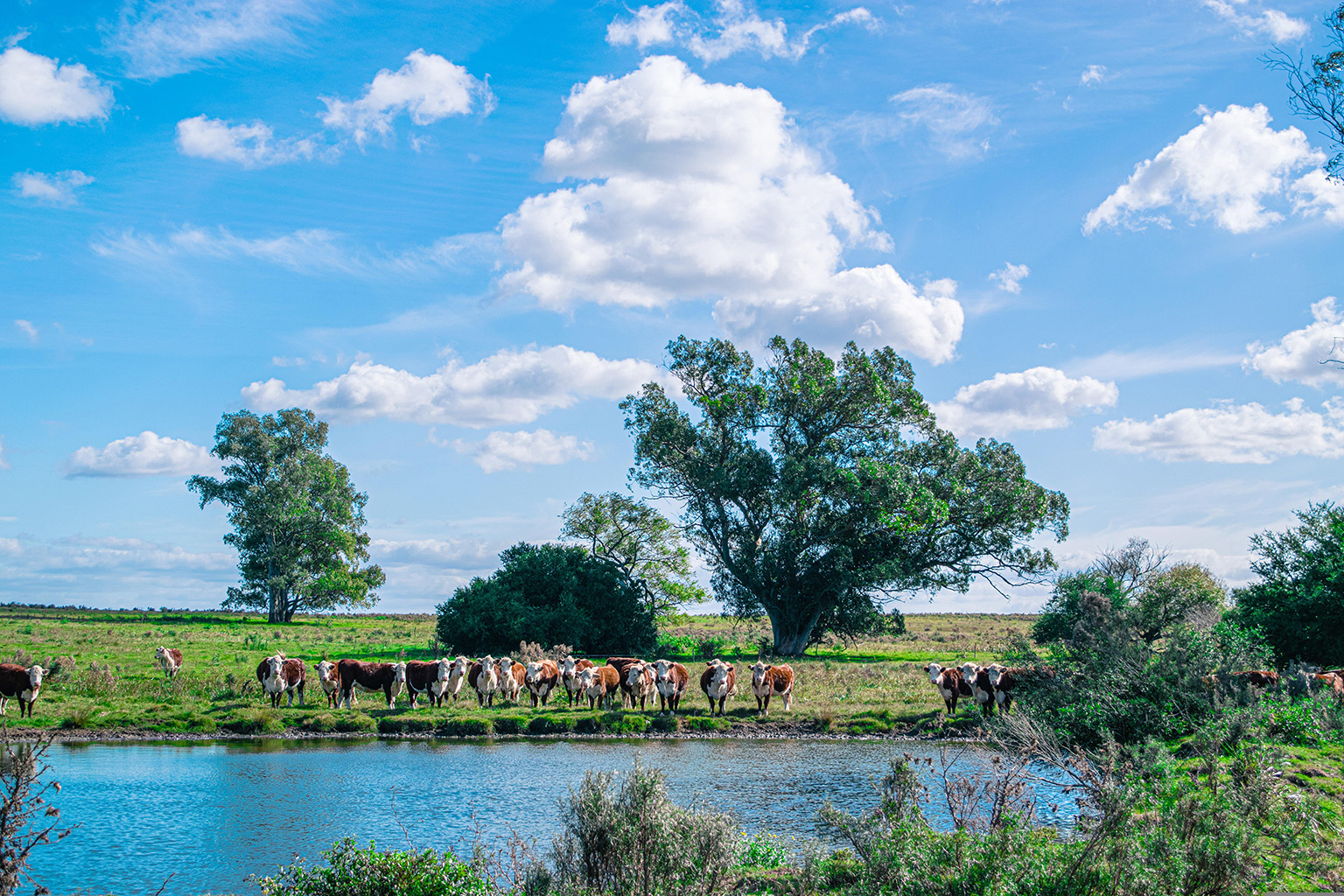
A peaceful rural scene in Uruguay, where cattle graze by a serene lake, embodying the country’s agricultural heritage.
11 Cons Of Living In Uruguay
1. The Cost of Living in Uruguay
Uruguay is not a cheap country, accommodation, food, and transportation can all be quite expensive, especially in the capital city of Montevideo.
Although Uruguay is pricier than most South American countries, it’s still less expensive than living in the United States. Even though housing may not be expensive, the utility bills to heat or cool your home will be costly.
2. High Prices for Imported Goods in Uruguay
Because of customs and excise taxes, anything imported into the country will be expensive. This includes cars, gas, furniture, electronics, and other products that are manufactured outside of Uruguay such as the United States or Europe.
3. Slow Residency Process in Uruguay
One downside many expats mention is Uruguay’s notoriously slow residency process.
While the country is welcoming to foreigners, applications can take a year or more to be approved, and paperwork often moves at a frustratingly slow pace. During this time, you’ll need patience and persistence as you navigate requests for documents, background checks, and sometimes repeated visits to government offices.
The good news is that once granted, residency is stable and comes with the benefits of living in one of South America’s most secure and reliable countries.
4. Construction Standards You’ll Notice When Living in Uruguay
No matter the season, Uruguay has a humid sub-tropical climate that creates a sticky humid atmosphere. Houses and apartment buildings are often built with poor construction standards.
Typically, they don’t have insulation, the electricity and plumbing installations are substandard, and they don’t have proper vapor barriers.
As a result, moisture and mold are a constant problem. As in many countries, fly screens, are not standard so homes can be swarmed with mosquitoes, bugs, and flies.
Many expats compare Uruguay to other Latin American countries—see how it stacks up in our guide: 17 Best Places to Live in Mexico for a Relaxed Lifestyle.
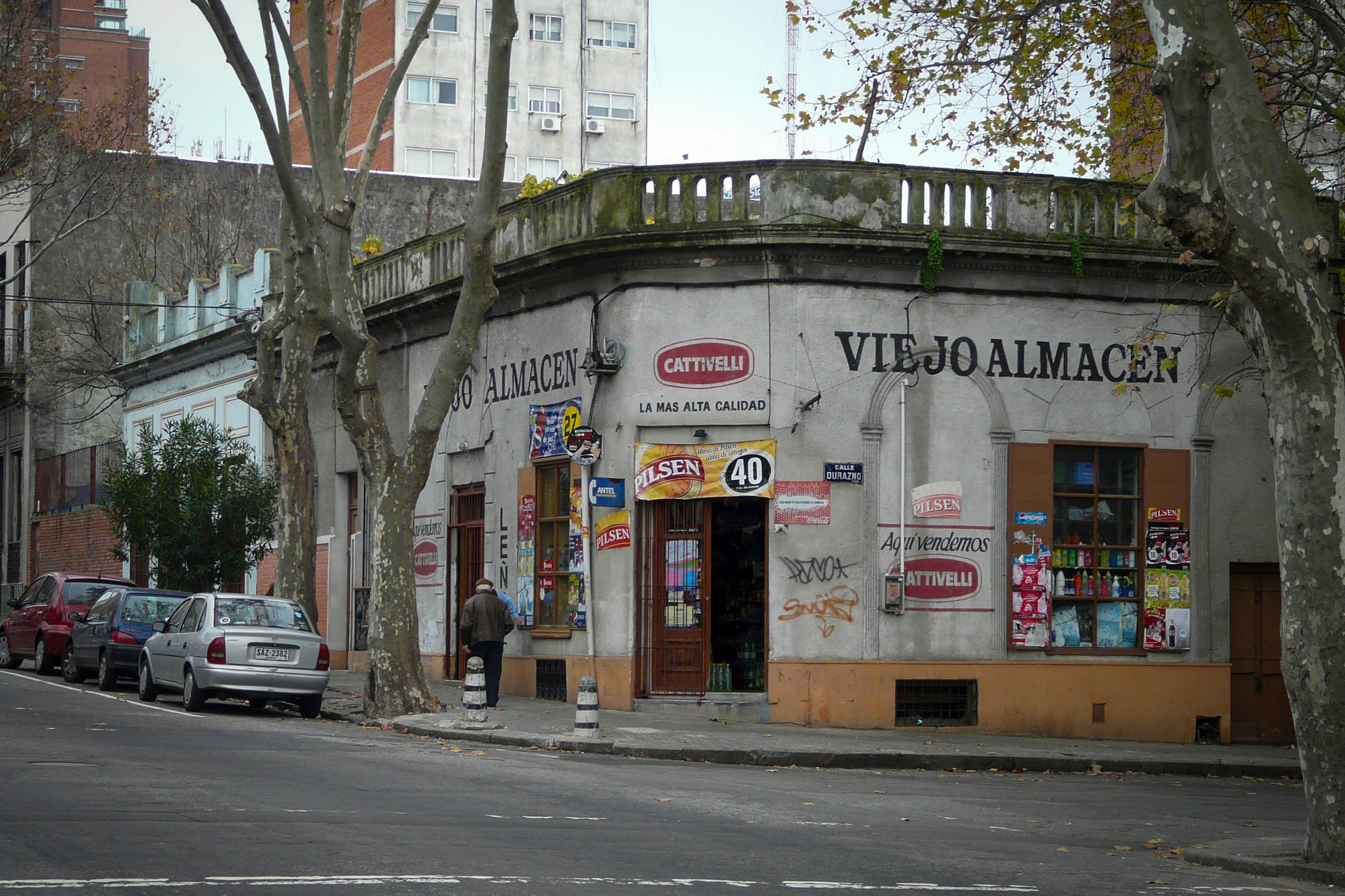
Echoes of the past: A weathered corner store in Uruguay, reflecting the charm and challenges of the country’s historic neighborhoods.
5. The Garbage Problem Facing Residents in Uruguay
Like many countries in South America, Uruguay struggles with garbage collection in certain areas.
In Montevideo, for example, it’s not uncommon to see streets dotted with litter, especially in neighborhoods where collection is less frequent.
During the winter months, trash pickup can slow down even further, causing garbage to pile up quickly.
The issue isn’t limited to the cities—Uruguay’s famous beaches are sometimes marred by trash left behind by visitors or washed ashore.
While the country remains cleaner and more orderly than some of its neighbors, these challenges highlight that public services can be inconsistent, and residents often rely on their own efforts to keep streets and public spaces tidy.
6. Overdevelopment Issues in Uruguay
Cities like Montevideo and Pocitos in recent years have become a place of high-rise buildings. The ever-growing developments have led to the destruction of many old buildings and neighborhoods.
To modernize, much of the beautiful traditional architecture is being demolished to create more room for high-rise apartment buildings and condos.
If you want to explore more freedom-friendly options in South America, take a look at our post on the Top 5 Best Cities to Live in South America.
7. Uruguay’s Climate Challenges
Uruguay has a temperate climate, with four seasons. The temperature varies widely depending on the time of year, but in general, the summers are hot and humid, while the winters are cold and dry with a mild climate in between.
Although not all the time, Uruguay does experience a harsh winter. The coastal locations are damp and cold in the winter. This can be unsettling for people who are unaccustomed to wintry weather.
Uruguay is in the southern hemisphere, so the seasons are reversed compared to the northern hemisphere. June and July are the coldest.
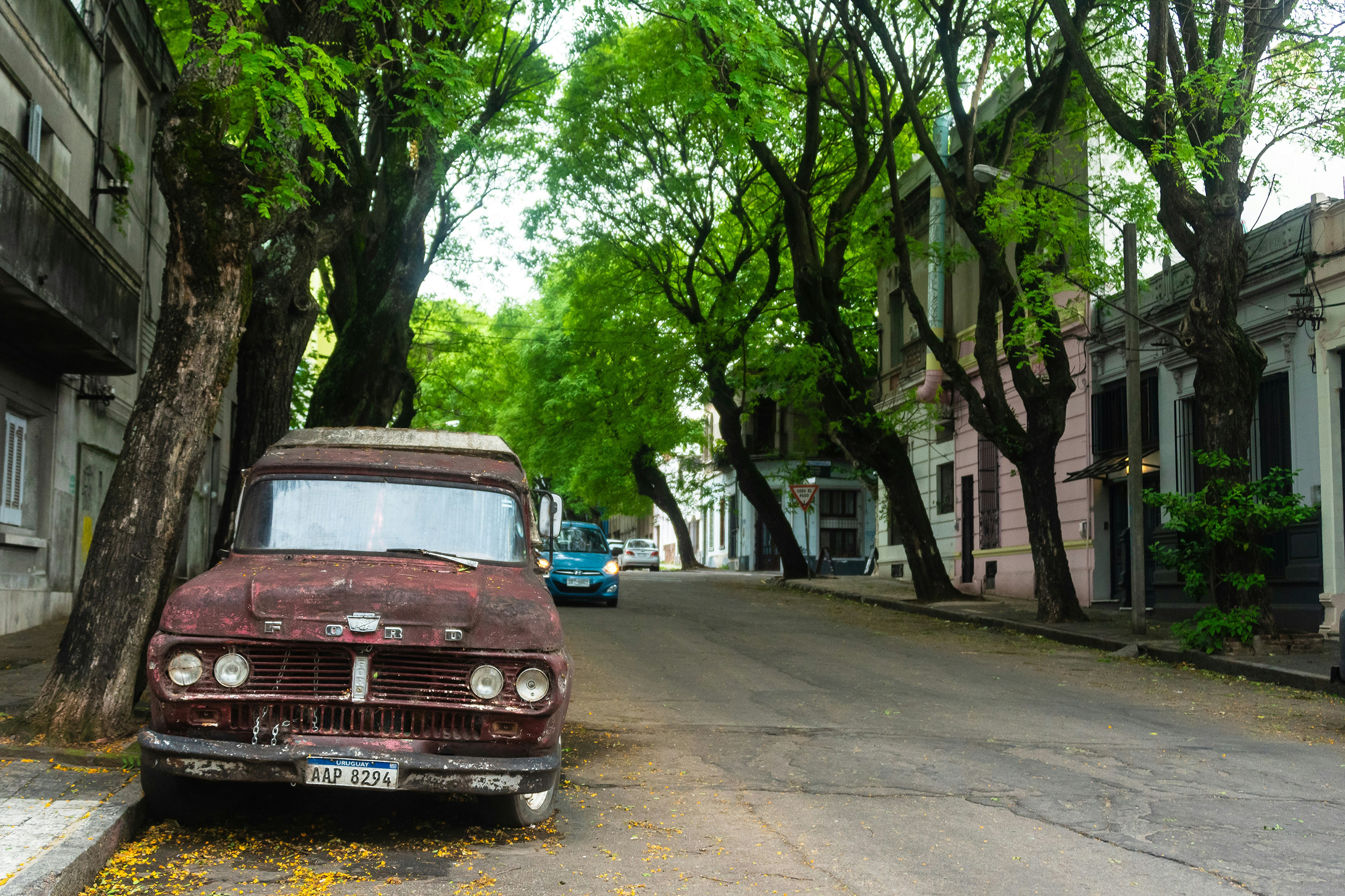
Nostalgia on the streets: A vintage Ford parked along a tree-lined street in Montevideo, surrounded by colorful buildings, capturing the charm of Uruguay’s urban neighborhoods.
8. Cultural Differences You’ll Experience When Living in Uruguay
Even though Uruguayans are generally accepting and friendly toward foreigners, forming deep, long-term friendships can take time.
It’s easy to strike up conversations while traveling, at markets, or in cafes, and locals are usually happy to share tips, directions, or insights about their city. However, social circles tend to be tight-knit, and invitations to homes or private gatherings are rare for newcomers.
Uruguayans value privacy and personal space, so building a real connection often requires consistent effort, patience, and genuine engagement over months or even years.
Many expats find that joining clubs, classes, or local interest groups helps bridge this gap, but it’s important to enter with realistic expectations—friendships here tend to grow slowly but can be very rewarding once established.
9. Dog-Related Challenges While Living in Uruguay
Even though unmanaged dogs are a common sight across much of Latin America, Uruguayans are clearly dog lovers.
In many neighborhoods, dogs roam freely or bark without restriction, and owners don’t always pick up after them.
While this can be surprising to newcomers, it’s a familiar part of daily life throughout the region, and most residents simply adapt to the noise and occasional mess as part of the local culture.
10. Understanding the Approach Towards “Time” When Living in Uruguay
The locals’ attitudes towards time are best described as ‘flexible.’ Many don’t wear watches, and when they make plans to meet, the appointed time is more of a guideline than set in stone.
So, if you’re not too tied down by deadlines, you’ll be fine; unless, of course, it rains. In which case they will assume you already know that the rain means there’s no chance of meeting up—communicating that would just be redundant.
The locals here start their workday relatively late, but they make up for it by working hard. They also take a two-hour lunch break in the middle of the day.
Final Considerations for Expats Living in Uruguay
If you want to live in Uruguay, it’s important to weigh the pros and cons of this beautiful country.
On the plus side, Uruguay is known for its stunning natural beauty, good healthcare and stable government.
However, there are also some drawbacks to take into consideration, such as the high cost of living, poor construction standards, and climate consideration.
If you want to live in the affluent neighborhoods or in a large city like Montevideo, it can be up to twice as expensive as other areas in the country.
As well, even though the costs are higher in Uruguay than in most of Latin America, they remain lower than in the United States and Europe. Ultimately, only you can decide if living in Uruguay is right for you!
Download our free guide, 7 Mistakes to Avoid Before Moving to Latin America, to steer clear of common pitfalls with visas, banking, and everyday life.